
Choosing the right heavy-duty rope—often referred to locally as lubid—is the most critical safety decision any climber or mountaineer can make. In the vertical world, your rope is not just utility gear; it is a highly engineered life-support system designed to manage gravity, friction, and impact forces. Selecting the wrong type of rope for your specific climbing activity can lead to catastrophic equipment failure, severe injury, or worse. To make an informed choice, you must understand how different ropes handle loads, absorb energy, and withstand the environmental challenges of your climbing venue.
In tropical climbing environments like the Philippines, where high humidity, intense UV exposure, and sharp volcanic or limestone rock faces are common, rope selection requires even greater care. Moisture can temporarily reduce a rope’s strength and dynamic stretch, while abrasive rock surfaces can quickly wear down a poorly chosen sheath. By matching your specific climbing discipline to the correct rope category, you ensure both your safety and the longevity of your gear.
Identify Your Climbing Activity and Rope Requirements
Before purchasing a heavy-duty climbing rope, you must diagnose the exact nature of your vertical activities. Climbing is not a single, uniform sport; it encompasses various disciplines, each placing unique physical demands on your equipment. Lead climbing, top-roping, rappelling, and hauling gear all require different mechanical properties from a rope. Understanding these differences is the first step in building a safe and reliable climbing system.
Products mentioned in this guide
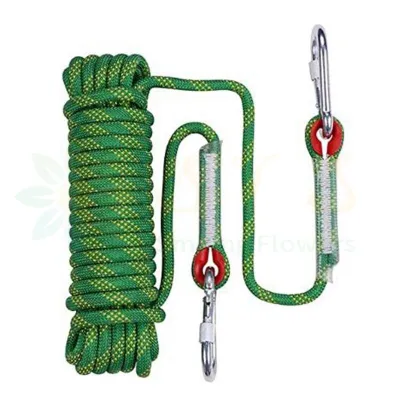
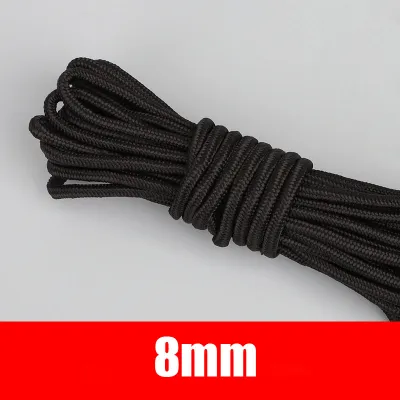
Prices are valid at publication and may change. Please refer to the product page for the latest price.
Lead climbing involves a climber ascending above their last piece of protection, meaning any fall will result in a sudden drop before the rope catches them. This scenario generates massive kinetic energy that must be safely dissipated. Top-roping, on the other hand, utilizes an anchor system already established at the top of the route, keeping the rope relatively taut and minimizing the fall distance. Both of these active climbing styles require a rope that can stretch to cushion the impact on the climber’s body and the anchor points.
Conversely, activities like rappelling (descending a fixed line), ascending a rope with mechanical devices, or hauling heavy gear bags up a cliff face do not involve the risk of a dynamic fall. In these situations, rope stretch is highly undesirable. A stretchy rope makes ascending incredibly tiring, as your energy is wasted stretching the nylon rather than moving you upward. Furthermore, a bouncing rope can rub repeatedly against sharp rock edges, leading to rapid wear or a severed line.
Using the wrong rope type for these scenarios introduces severe safety hazards. For instance, attempting to lead climb on a low-stretch static rope can result in extreme impact forces during a fall, potentially causing severe internal injuries, harness failure, or anchor failure. Conversely, using a highly elastic dynamic rope for heavy hauling or long rappels can lead to uncontrollable bouncing and dangerous abrasion against the rock.
Dynamic Ropes for Fall Absorption
Dynamic ropes are the mandatory choice for any climbing activity where there is a risk of a fall, such as lead climbing and top-roping. These ropes are engineered with a high degree of elasticity, allowing them to stretch significantly under a sudden load. This stretch acts as a shock absorber, lengthening the time it takes to bring a falling climber to a stop and dramatically reducing the peak impact force felt by the climber, the belayer, and the protection gear.

When selecting a dynamic rope, you must carefully inspect the manufacturer’s label for key specifications certified by safety bodies like the UIAA. The UIAA fall rating indicates how many factor-1.77 falls the rope can sustain under test conditions before failing; a higher number generally correlates with greater durability. You should also check the impact force rating, which measures the force transmitted to the climber during a standard fall—lower impact forces mean a softer catch. Additionally, look at the dynamic elongation percentage, which typically ranges between 30% and 40% during a fall.
Dynamic ropes are categorized into three main variations based on how they are designed to be used:
- Single ropes are designed to be used alone and are the most common choice for sport climbing, gym climbing, and top-roping. They are robust, easy to handle, and available in diameters ranging from 8.9mm to 10.2mm.
- Half ropes are used in pairs, where the climber clips alternating protection points. This system is highly effective for wandering traditional routes, as it minimizes rope drag and provides a backup if one rope is damaged by rockfall.
- Twin ropes must be used as a pair, with both strands clipped into every piece of protection. They offer a lightweight option for straight alpine routes and allow for full-length rappels when tied together.
For tropical climbing in humid conditions, look for dynamic ropes with a dry-treatment coating. This chemical treatment resists water absorption, preventing the rope from becoming heavy, stiff, and difficult to handle when exposed to sudden tropical downpours or high humidity.
Static Ropes for Hauling, Rappelling, and Fixed Lines
Static ropes, also known as low-stretch ropes, are designed to remain relatively rigid under load, typically stretching less than 5% under standard working conditions. This lack of elasticity makes them highly efficient for tasks where you want to minimize movement and bounce. They are the standard choice for caving, search and rescue operations, ascending fixed lines, and controlled rappelling.
In caving and rescue work, static ropes allow professionals and explorers to ascend long vertical pitches without the exhausting bounce associated with dynamic ropes. When rappelling, a static rope provides a stable, predictable descent, allowing you to maintain precise control over your speed and position. They are also ideal for hauling heavy gear bags up big walls, as all your pulling force is directed into moving the load rather than stretching the rope.
It is critical to reiterate that static ropes must never be used for lead climbing or top-roping. Because they do not stretch to absorb energy, even a short fall on a static line can generate forces that exceed the breaking strength of your gear or cause severe trauma to the human body. Static ropes are strictly for situations where the load is applied gradually and there is no risk of a free-fall scenario.
When purchasing a static rope, verify the working load limit (WLL) and the minimum breaking strength (MBS) on the manufacturer’s specification sheet. Look for ropes with a tightly braided polyester or nylon sheath. Polyester sheaths are particularly suitable for outdoor use because they offer excellent resistance to UV degradation and moisture, helping the rope maintain its strength and handling characteristics in damp, humid environments.
Accessory Cords for Anchors and Gear Management
Accessory cords are smaller-diameter, low-stretch ropes ranging from 2mm to 8mm in thickness. They play a vital supporting role in climbing systems but are subject to strict load limitations. These cords are designed for utility tasks and must never be used as a primary climbing rope or for tying directly into your harness to catch a fall.
Common applications for accessory cords include building anchor systems, creating friction hitches (such as Prusik, Klemheist, or Autoblock loops) for rappel backups, and securing gear to your harness or haul bag. For example, a 5mm or 6mm nylon accessory cord is commonly tied into a loop using a double fisherman’s knot to serve as a safety backup when descending a rappel line.
Because accessory cords have a much lower breaking strength than full-size climbing ropes, you must inspect them regularly and use them with caution. Always verify that the cord’s diameter is compatible with the gear you are using; for instance, a prusik loop should generally be 2mm to 3mm smaller in diameter than the climbing rope it is gripping to ensure proper friction.
Before every climb, perform a quick checklist of your accessory cords. Check for any signs of sheath wear, core exposure, or stiffness. Ensure that all knots are fully dressed, tightened, and have at least a few inches of tail extending from the knot to prevent slippage under load.
How to Inspect and Retire Your Heavy-Duty Rope
In the Philippines, the combination of intense tropical sunlight, high humidity, salt air near coastal crags, and abrasive rock surfaces can accelerate the degradation of your climbing gear. Establishing a rigorous inspection routine is essential for maintaining a safe climbing setup. You should inspect your rope visually and tactilely before and after every climbing session.
To perform a thorough inspection, flake the rope slowly from one end to the other, running it through your bare hands. Visually check the entire length for signs of sheath damage, such as excessive fuzziness, cuts, or abrasion. Look closely for “core shots,” which occur when the outer sheath is cut or worn away, exposing the white inner core fibers. If you discover a core shot, the rope is no longer safe to use and must be retired immediately.
As you run your hands along the rope, feel for tactile irregularities. Watch out for soft spots, mushy sections, or flat areas where the core may have collapsed or shifted inside the sheath. Also, feel for extremely stiff or brittle sections, which can indicate heat damage from rapid rappelling or chemical contamination. Any rope with significant tactile defects should be taken out of service.
There are several clear retirement triggers that require you to stop using a rope immediately:
- The rope has sustained a severe, high-factor fall.
- The rope has been exposed to corrosive chemicals, such as battery acid, gasoline, or strong solvents.
- The sheath is worn to the point where the core is visible or easily felt through a thin spot.
- The rope has reached the end of its manufacturer-recommended lifespan.
Even if a rope looks perfectly fine, the nylon fibers degrade over time. Most manufacturers recommend retiring a climbing rope after 10 years from its manufacture date, even if it has never been used. For ropes subjected to regular weekend use, a lifespan of 2 to 5 years is typical, while heavy, daily use in professional or guiding contexts may require retirement within 6 months to a year.
Frequently Asked Questions (FAQ)
Can I use a heavy-duty utility rope from a hardware store for climbing?
No, you must never use a standard utility rope from a hardware store for climbing or life-safety applications. These ropes, though often marketed as heavy-duty lubid, are not certified by the UIAA or CE. They lack the engineered elasticity required to absorb the impact of a fall, and their manufacturing processes do not guarantee the consistent breaking strength needed to support human life. Using non-certified utility ropes for climbing carries an extremely high risk of catastrophic failure.
How should I store my climbing rope to maintain its strength?
To preserve your rope’s strength and longevity, store it in a cool, dry, and dark place away from direct sunlight, extreme heat, and chemical fumes. In humid tropical climates, avoid storing your rope in damp basements, unventilated closets, or the trunk of a car, as excessive heat and moisture can degrade the nylon fibers and encourage mold growth. Keep the rope loosely coiled or stored in a dedicated rope bag to protect it from dirt and dust, and never store it near sharp objects or household chemicals.
Community discussion
Share your experience or ask a question. Comments are reviewed before publication.