
To get your kite soaring smoothly, selecting the correct replacement or build spar is essential. The right stick for kite framing acts as the backbone of the entire structure, directly influencing how the sail catches the wind, bends under pressure, and recovers from sudden drops. If a spar is too heavy, the kite will struggle to lift in light breezes; if it is too flexible or brittle, a sudden gust can fold the frame mid-air, causing an immediate crash.
Determining which type of kite stick you need depends on your kite’s specific design, your local wind conditions, and your overall flying experience. By matching the physical properties of the spar to your flying style, you can ensure a stable, high-performing flight every time you launch.
Quick Guide: Match the Right Stick for Kite Setups to Your Flying Style
When selecting a stick for kite repair or custom building, you must balance three primary physical dimensions: weight, stiffness, and durability. Different kite designs place distinct demands on their frames, meaning a material that works perfectly for a simple children’s toy will likely cause a high-performance stunt kite to fail.
Products mentioned in this guide
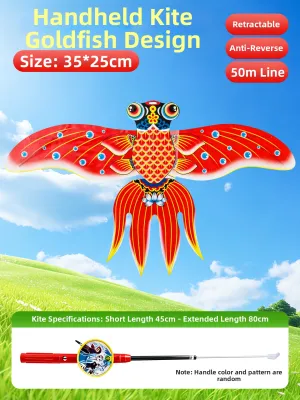
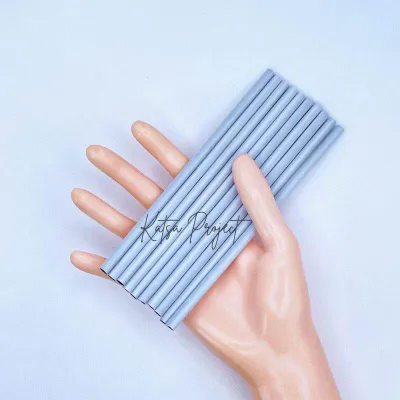
Prices are valid at publication and may change. Please refer to the product page for the latest price.
- Single-Line Kites: These recreational designs benefit most from high-flexibility materials that can absorb sudden wind shifts without breaking. Solid fiberglass is the standard choice here, offering excellent durability at an affordable price point.
- Stunt and Sport Kites: Dual-line or quad-line kites require immediate, precise responses to pilot inputs. They demand the extreme stiffness-to-weight ratio of carbon fiber to maintain their aerodynamic shape during high-speed maneuvers.
- Traditional and DIY Kites: If you are crafting a custom kite or building a traditional Filipino saranggola, natural wood or split bamboo provides an authentic, highly customizable frame that can be shaved down to achieve the exact flex profile you need.
Matching the frame to your flying venue is equally important. For instance, flying in open parks like Rizal Park or along windy coastal beaches in the Philippines presents variable breezes that require resilient spars. Choosing the correct spar is critical for flight stability and preventing mid-air frame failure under these diverse conditions.
Kite Stick Materials Compared: Fiberglass, Carbon Fiber, and Wood
To make an informed decision, it is important to understand how the physical properties of modern and traditional framing materials affect your kite’s flight characteristics. The three primary families of kite spars—fiberglass, carbon fiber, and natural wood or bamboo—each present distinct trade-offs in terms of structural strength, weight, and impact resistance. Choosing the wrong material can alter the kite’s center of gravity, rendering it unstable or completely unable to launch.

Fiberglass Sticks: Best for Beginners and Family Kites
Fiberglass is the most common material used in modern recreational kites, and for good reason. Its primary advantage lies in its remarkable elasticity. When a sudden gust of wind hits a fiberglass-framed kite, the sticks bend deeply, absorbing the excess energy and then snapping back into shape once the wind stabilizes. This high shock absorption makes fiberglass highly forgiving for beginners who are still learning to launch and control their kites, as well as for families flying in variable coastal breezes.
For casual outings at local parks or beaches, fiberglass spars provide peace of mind. They can withstand hard crashes onto grass or sand without fracturing. Additionally, fiberglass is highly resistant to corrosion from salty sea air, making it an excellent choice for coastal flying in tropical regions.
However, fiberglass does have notable limitations. It is significantly heavier than carbon fiber, which means kites framed with fiberglass require slightly stronger winds to achieve and maintain lift. If a fiberglass stick is subjected to extreme, crushing forces, it will not bend cleanly; instead, it can splinter into sharp, needle-like glass shards that are difficult to remove from skin and can easily ruin the kite’s fabric sail.
Pultruded fiberglass rods are made by pulling continuous glass fibers through a resin bath and a heated die, resulting in a solid, highly uniform structure. Wrapped fiberglass, on the other hand, consists of layers woven around a mandrel, offering slightly higher torsional strength. Both types are highly cost-effective, with replacement sticks typically costing between ₱50 and ₱150 depending on the length and thickness.
Carbon Fiber Sticks: Best for Stunt and High-Performance Kites
For flyers stepping up to dual-line stunt kites or quad-line power kites, carbon fiber is the undisputed industry standard. The defining feature of carbon fiber is its exceptional stiffness-to-weight ratio. It is incredibly lightweight, allowing kites to launch in ultra-light breezes that would keep heavier fiberglass models grounded. At the same time, its rigid structure ensures that the kite’s sail remains perfectly taut, translating every tug on the control lines into immediate, precise aerodynamic movement.
This rigidity is crucial for executing advanced aerial tricks, sharp turns, and sudden stalls. When flying in strong, steady winds, carbon fiber spars maintain the integrity of the wing shape, preventing the distortion that causes slower response times or loss of control.
The trade-off for this high performance is brittleness. Unlike fiberglass, which bends under extreme stress, carbon fiber has a much lower flex threshold before it snaps. A direct, nose-first crash onto a hard surface can instantly shatter a carbon fiber spar, especially at the connection points. Carbon fiber is also more expensive, with replacement spars typically costing several times more than fiberglass or wood alternatives, often ranging from ₱150 to over ₱500 per piece depending on the grade.
For carbon fiber, the distinction between pultruded (carbon fibers running parallel along the length) and pullwind or wrapped tubes (fibers wrapped diagonally) is critical. Pullwind and wrapped carbon tubes offer superior resistance to twisting and crushing, making them the premier choice for high-stress areas like the lower spreaders on stunt kites. Handling carbon fiber also requires care, as cutting or sanding it produces fine, hazardous dust that must not be inhaled.
Wood and Bamboo Sticks: Best for Traditional and DIY Kites
Natural materials like wood and bamboo have been used to frame kites for thousands of years, and they remain highly relevant for hobbyists and traditional builders today. Bamboo, in particular, is a legendary kite-building material due to its natural structural design: it is hollow, lightweight, and possesses incredibly strong outer fibers that offer remarkable flex and resilience. In the Philippines, crafting a traditional saranggola using split bamboo is a classic seasonal activity, relying on the natural flexibility of the wood to catch seasonal winds.
The primary benefit of wood and bamboo is their accessibility and ease of customization. Using basic hand tools, a pocket knife, or sandpaper, you can easily shave, taper, and shape a wooden dowel or bamboo strip to create a custom bend profile. This allows DIY builders to fine-tune the balance and aerodynamics of their custom creations in ways that factory-made synthetic rods do not easily allow.
On the down side, natural materials lack the structural consistency of manufactured synthetics. A wooden dowel may have hidden knots, grain deviations, or dry spots that create weak points, leading to unexpected breaks under moderate wind loads. Wood and bamboo are also highly susceptible to environmental conditions. In humid tropical climates, unsealed wood can absorb moisture, causing the sticks to warp, gain weight, or develop rot over time. This requires builders to carefully select straight-grained pieces and apply protective sealants to ensure longevity.
How to Choose the Correct Length and Diameter
Selecting the right material is only half the battle; you must also determine the precise physical dimensions required for your kite’s frame. Installing a stick that is too short, too long, too thin, or too thick can ruin the kite’s aerodynamics or damage the sail.
Measuring Length: To replace a broken stick, measure the remaining pieces pressed tightly together, or measure the empty fabric sleeve on the kite sail. For the spine (the central vertical stick), the spar must fit snugly from the top nose pocket to the bottom tail pocket under slight tension to keep the sail flat and taut. For the leading edges (the diagonal side spars), measure from the nose to the wingtips. If you are building a DIY kite from scratch, follow your plan’s exact dimensions, leaving a small margin to trim the sticks down gradually during the final balancing phase.
Selecting Diameter: The thickness of the stick determines both its weight and its resistance to bending. As a general rule, larger kites require thicker spars to support the increased surface area and wind load. For example, a small children’s diamond kite may only require a 3mm or 4mm fiberglass rod, while a large delta kite with a wing span over two meters will need 6mm to 8mm spars to prevent the wings from folding back in a strong breeze. Conversely, using a stick that is too thick adds unnecessary weight, making the kite sluggish or unable to fly in light winds.
Checking Specifications: Before purchasing generic replacement dowels or tubes, always consult the kite manufacturer’s manual or official replacement parts chart. Many high-performance kites use specialized tapered spars (which are thicker in the middle and thinner at the ends) to optimize weight distribution and flex. Replacing these with standard, uniform-diameter sticks will significantly alter how the kite handles.
Connector Compatibility: Pay close attention to how the spars connect to each other and to the sail. Most modern kites use plastic or rubber ferrules, T-connectors, and end caps to join the frame. Ensure the outer diameter of your replacement stick matches the inner diameter of these connectors. A stick that is even half a millimeter too large will not fit, while a stick that is too loose will wobble, causing structural instability and potentially splitting the connector under the high tension of flight.
Different kite geometries require specific measuring approaches. For a classic Diamond kite, you need two intersecting spars: a vertical spine and a horizontal bow. The bow must curve slightly to create a dihedral angle, which naturally stabilizes the kite in flight. For a Delta kite, you will need a central spine, two leading edge spars, and a cross-spreader that pushes the wings outward. When measuring a replacement spreader, ensure the kite sail is spread flat but not over-stretched, as an overly long spreader will distort the wing shape and cause the kite to spin uncontrollably.
Top Kite Stick Recommendations by Flying Style
Because kite sticks are raw structural components rather than finished consumer products, they are typically sold by material type, shape (solid rod versus hollow tube), diameter, and length. When shopping for replacements, look for high-quality raw materials that match your specific flying style, prioritizing durability, performance, and ease of installation.
Best Overall for Family and Single-Line Kites
Recommended Profile: Solid or rolled fiberglass rods, ideally between 4mm and 6mm in diameter for standard-sized family kites.
Why It Works: Solid fiberglass rods offer the ultimate balance of durability and flexibility. They are virtually indestructible under normal flying conditions, making them perfect for family outings where the kite might experience sudden crashes, rough handling by children, or unpredictable wind gusts at the park. The moderate weight of fiberglass also helps stabilize single-line kites, acting as a natural dampener against turbulent air currents.
Buying Tip: Look for fiberglass rods that feature a smooth, sanded exterior or come pre-fitted with protective vinyl end caps. Raw, poorly finished fiberglass can have tiny surface splinters that can tear the kite’s delicate fabric sleeves during assembly or cause painful splinters in your hands.
Best for Stunt and Sport Kites
Recommended Profile: Hollow, wrapped carbon fiber tubes for the leading edges and solid, rolled carbon fiber rods for the spine and cross-spreaders.
Why It Works: Wrapped carbon fiber tubes provide incredible torsional rigidity, which prevents the leading edges of a stunt kite from twisting or distorting during high-speed loops and sharp turns. Meanwhile, using a solid carbon rod for the central spine provides a controlled amount of vertical flex, allowing the kite to absorb extreme wind pressure without losing its aerodynamic shape. This combination ensures instantaneous response to your dual-line inputs.
Buying Tip: Always check the stiffness and weight ratings of the carbon spars, and ensure you replace matching pairs (such as left and right leading edges) with identical brands and specifications. Mixing a stiff carbon rod on one side with a flexible one on the other will create an asymmetrical frame, causing the kite to pull heavily to one side or fly in uncontrolled circles.
Best for Traditional and DIY Projects
Recommended Profile: Straight-grain hardwood dowels (such as ramin or birch) for smaller, classic diamond shapes, or split, heat-straightened bamboo strips for larger custom designs.
Why It Works: Natural wood and bamboo offer a classic aesthetic and a unique, organic flex that synthetic materials cannot replicate. Straight-grain hardwoods are easy to cut, notch, and glue, making them ideal for school projects or family crafting sessions. Split bamboo provides an incredibly high strength-to-weight ratio, allowing experienced DIY builders to shave the strips down to custom thicknesses to achieve the perfect balance of lift and stability.
Buying Tip: When buying wooden dowels, inspect each piece individually by rolling it on a flat surface to check for warps, and look closely at the grain to ensure there are no knots or diagonal splits. To protect your finished kite from the high humidity and occasional rain showers of tropical climates, apply a thin coat of clear polyurethane sealant or wood varnish to the sticks before assembling the frame.
Safe Installation and Maintenance for Kite Spars
Working with high-tension kite frames requires careful handling to prevent personal injury and damage to your equipment. Because kite sticks must be bent under tension to give the sail its aerodynamic shape, a sudden slip during assembly can cause a spar to snap back violently or shatter.
Safety Warning: Always wear eye protection when installing or removing highly tensioned spars, especially when forcing tight sticks into plastic connectors or fabric pockets. Keep your face and eyes well away from the bending arc of the stick. If a stick slips or breaks under tension, it can launch forward with significant force.
Installation Technique: When inserting a replacement stick, never apply localized, point-pressure to force it into place. Instead, gently slide the stick through the fabric sleeves, keeping your hands close to the entry points to guide it smoothly. To secure the stick into its end pockets or plastic connectors, apply a gradual, even flex across the entire length of the rod rather than bending it sharply at one spot.
If you must cut a synthetic spar to size, standard woodworking tools are not recommended. For fiberglass and carbon fiber, use a fine-toothed hacksaw or a rotary tool with a diamond cutoff wheel. Wrap the cut area tightly with masking tape beforehand to prevent the fibers from splintering or fraying. When cutting carbon fiber, always wear a particulate mask and wet-sand the cut edge to prevent inhaling hazardous carbon dust. Smooth the cut ends with fine-grit sandpaper to ensure they do not puncture your kite’s fabric pockets.
Pre-Flight Inspection: Before launching your kite, perform a quick structural check. Run your fingers lightly along the length of each fiberglass or carbon fiber stick to feel for micro-fractures, splits, or rough spots. Visually inspect all plastic connectors and ferrules for hairline cracks. If you are flying a wooden or bamboo kite, check for signs of warping or moisture damage that could compromise the frame’s strength.
When to Stop: If you discover any visible splintering, deep cracks, or a permanent, unyielding bend in any of your kite sticks, do not attempt to fly the kite. Never try to repair a cracked high-tension spar with tape, glue, or splints. These temporary fixes cannot withstand the intense aerodynamic forces of flight and will inevitably fail mid-air, potentially causing a dangerous high-speed crash or sending sharp debris toward bystanders. Replace the compromised stick entirely before your next launch.
Frequently Asked Questions (FAQ)
Can I use a fiberglass stick to replace a broken carbon fiber stick?
While a fiberglass stick of the same diameter may physically fit into your kite’s connectors, it is not a suitable replacement for a carbon fiber spar. Fiberglass is significantly heavier and much more flexible than carbon fiber. Mixing these materials will severely disrupt the kite’s balance, weight distribution, and aerodynamic symmetry. For single-line kites, this mismatch can cause the kite to lean, wobble, or fail to lift. For dual-line stunt kites, it will make precise control and trick execution nearly impossible. Always replace a broken carbon fiber spar with another carbon fiber stick of the exact same specifications and stiffness rating.
How do I fix a splintered fiberglass kite stick?
You should never attempt to repair a splintered fiberglass kite stick. Under the high tension required to keep a kite sail taut, tape, glue, or epoxy cannot restore the structural integrity or uniform flex of the rod. Attempting to bend a repaired stick will almost certainly cause it to snap violently during assembly or flight. Furthermore, damaged fiberglass releases microscopic, needle-sharp glass fibers that can easily pierce your skin or cause severe eye irritation. For your safety and the longevity of your kite, a splintered stick must be discarded and replaced with a new one.
What is the difference between a kite spine and a leading edge?
The spine and the leading edges serve entirely different structural roles within a kite’s frame. The spine is the central vertical stick that runs down the middle of the kite, establishing its length and dictating its overall bow, which is critical for directional stability in the wind. The leading edges are the diagonal or horizontal spars that run along the front edges of the wings, catching the wind and maintaining the wing’s shape. High-performance kites often use different materials or diameters for these parts—such as stiff carbon tubes for the leading edges to prevent wing distortion, and slightly more flexible rods for the spine to absorb sudden vertical wind gusts.
Community discussion
Share your experience or ask a question. Comments are reviewed before publication.