
The Quick Diagnostic Rule for Knee Supports
Choosing a knee support for knee pain is not a one-size-fits-all decision. Many active individuals browse online marketplaces, pick the first sleeve they see, and wonder why their joint still aches during a morning run or a daily commute. The key to relief is matching the mechanical design of the gear to the specific physical signal your body is sending.
Knee supports generally target three distinct mechanical goals: uniform compression to manage swelling and retain therapeutic warmth, targeted pressure to guide tendon tracking, or rigid structural stability to protect compromised ligaments. While these over-the-counter options are excellent for managing daily symptoms, improving joint awareness (proprioception), and aiding recovery, they do not cure structural damage like torn cartilage or ruptured ligaments.
Finding relief starts with identifying exactly what kind of physical assistance your knee requires. By matching your symptoms to the correct category of support, you can avoid wasting money on gear that does not address your specific needs.
Products mentioned in this guide
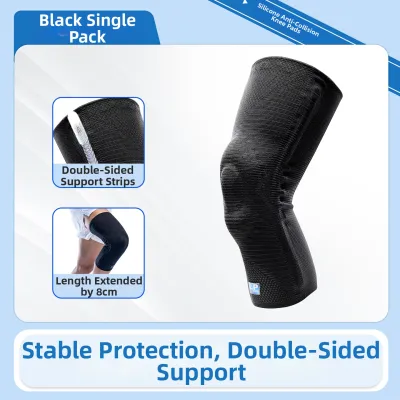
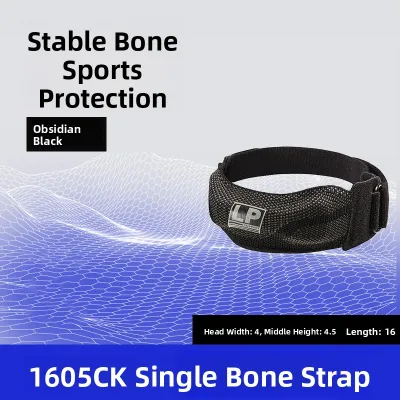
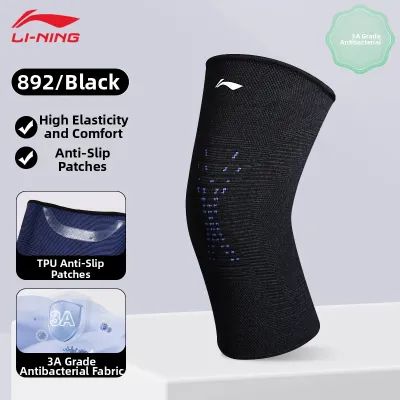
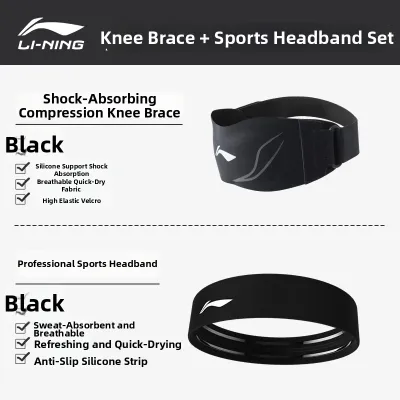
Prices are valid at publication and may change. Please refer to the product page for the latest price.
Step 1: Map Your Pain Signals to a Support Category
Before purchasing any gear, take a moment to pinpoint where the discomfort originates and how the joint behaves under load. Different pain locations point to distinct underlying issues, each requiring a specific style of physical support.

If you experience anterior pain, which is localized directly below or around the kneecap, you are likely dealing with patellar tracking issues or tendon strain. This type of discomfort typically flares up when walking down stairs, squatting, or running, and it responds best to targeted pressure that helps guide the kneecap’s movement.
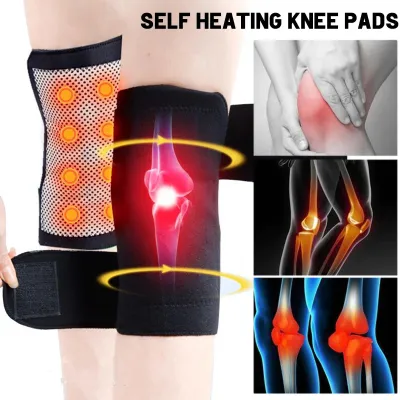
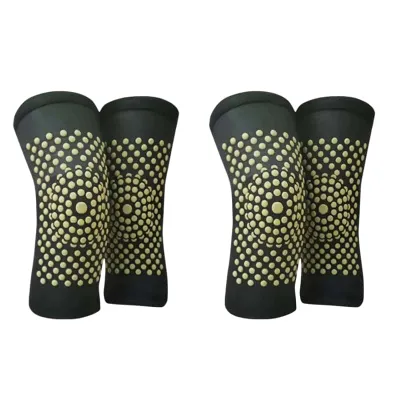
For generalized swelling, stiffness, and a mild, dull ache throughout the entire joint, the issue is often overuse, mild arthritis, or general fatigue. These symptoms benefit most from uniform compression, which promotes blood flow and keeps the joint warm and mobile during daily activities.
If you feel lateral or medial pain on the sides of the knee, or if you experience a sudden “giving way” sensation where the joint feels unstable, you may have a ligament strain or joint laxity. This requires mechanical, structured support to prevent abnormal sideways movement.
Keep in mind that sharp, sudden pain following a specific twist, pop, or impact is a different matter entirely. Such acute symptoms require a professional medical evaluation before you attempt to use any over-the-counter supportive gear.
Step 2: Choose the Right Support Type for Your Condition
Once you have mapped your pain signals, you can transition from understanding your symptoms to selecting the physical product category that matches your needs. To ensure the gear works as intended, always check the manufacturer’s sizing charts and measure your leg carefully, as improper sizing completely negates the mechanical benefits of any support.
Knee Sleeves for Compression and Mild Swelling
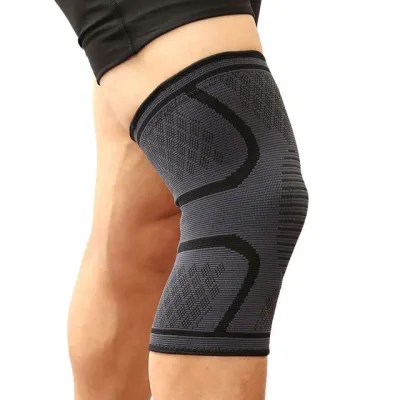
- Best suited for: General stiffness, mild swelling, joint warmth, and improving proprioception (your brain's awareness of the joint's position) during light activities like walking, light jogging, or gym workouts.
- Limitations: Knee sleeves do not provide structural stability, restrict abnormal joint movement, or offload pressure from specific tendons. They are flexible garments, not mechanical braces.
- Fit check: A proper sleeve must feel snug enough to provide even compression without cutting off your circulation, pinching the skin behind your knee, or rolling down your thigh during movement. If it leaves deep, painful red marks or slips down constantly, the size is incorrect.
Patellar Straps for Tendon and Kneecap Pain
- Best suited for: Localized anterior pain, particularly conditions like jumper's knee (patellar tendinopathy) or runner's knee, where the discomfort is concentrated directly below the kneecap.
- Mechanism: This narrow band applies targeted, concentrated pressure to the patellar tendon. This physical pressure slightly alters the angle at which the tendon sits, reducing the mechanical strain and helping to absorb shock during repetitive high-impact activities.
- Usage condition: Patellar straps are designed to be worn specifically during the physical activity that triggers your pain, such as basketball, running, or hiking. They are not intended for all-day wear or resting periods, as they do not provide generalized compression.
Wraparound and Hinged Braces for Instability
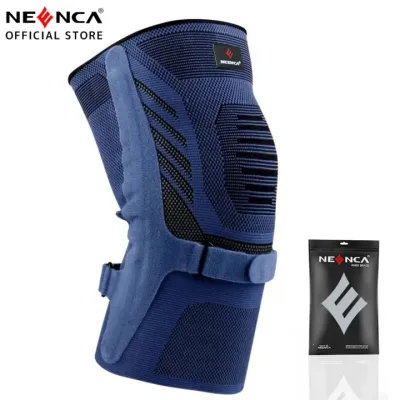
- Best suited for: Moderate-to-severe joint instability, ligament sprains, or post-injury recovery where you feel like your knee might buckle or give out during normal movement.
- Trade-offs: Because these braces incorporate rigid or semi-rigid side stabilizers, they are significantly bulkier than sleeves. They restrict your joint's full range of motion and can cause skin chafing or irritation if they are not padded or adjusted correctly.
- Safety boundary: Hinged braces should ideally be selected, adjusted, and fitted under the direct guidance of a physical therapist or doctor. It is crucial that the mechanical hinge aligns perfectly with your knee's natural axis of rotation to avoid placing unnatural, damaging stress on the joint.
Red Flags: When to Skip the Store and See a Doctor
While a knee support for knee pain is a valuable tool for managing minor discomfort, it cannot replace medical treatment for serious injuries. Attempting to mask severe structural damage with a retail brace can lead to long-term joint degradation. You should skip the sporting goods section and consult a medical professional immediately if you experience any of the following warning signs:
- An absolute inability to bear weight on the affected leg, or any visible physical deformity in the joint shape.
- Hearing or feeling a distinct "pop" at the moment of injury, followed by rapid, severe swelling within the first few hours.
- The joint mechanically locking, catching, or completely giving out during normal, low-impact walking on flat ground.
- Experiencing numbness, tingling, coldness, or color changes in your lower leg, ankle, or foot when wearing a support.
How to Verify Fit and Avoid Secondary Issues
Once you purchase a support, verifying the fit daily is essential to prevent secondary issues like skin irritation or restricted blood flow. Use the two-finger rule: you should be able to slide two fingers comfortably under the top and bottom bands of the support. If you cannot, the brace is too tight and may act as a harmful tourniquet.
In the warm, humid climate of the Philippines, sweat and friction can quickly lead to painful skin chafing, heat rashes, or bacterial buildup. Opt for supports made from breathable, moisture-wicking materials rather than solid, heavy neoprene, especially if you plan to wear them during outdoor activities or daily commutes.
Finally, maintain your gear to preserve its effectiveness. Regularly check the manufacturer’s washing instructions; hand-washing and air-drying are usually required to protect the elasticity of compression fabrics and keep Velcro straps from losing their grip.
Frequently Asked Questions (FAQ)
Will wearing a knee support weaken my leg muscles over time?
Using a knee support for short-term symptom management is highly effective because it allows you to stay active and mobile. However, relying on a highly supportive or rigid brace for extended periods without active rehabilitation can lead to a secondary issue: your surrounding muscles, such as the quadriceps and hamstrings, may begin to rely on the external support and weaken over time.
To prevent this, external supports should ideally be viewed as a temporary aid. Pair their use with targeted strengthening and mobility exercises, as advised by a physical therapist or fitness professional, to rebuild your body’s natural, internal joint stability.
Can I sleep or rest in my knee compression sleeve?
As a general rule, you should remove knee compression sleeves and braces before going to sleep or during long periods of inactive rest. When you are lying down and inactive, your body does not require the same level of joint support, and continuous compression can restrict healthy blood circulation and lymphatic drainage.
If you notice physical signs like morning stiffness, deep skin indentations, or throbbing sensations, your sleeve is likely too tight for extended wear. Keep your support use limited to active hours, unless a healthcare provider has specifically instructed you to wear a specialized brace overnight.
Community discussion
Share your experience or ask a question. Comments are reviewed before publication.