
Choosing the right pool floater is the key to transforming a simple dip in the water into a highly tailored outdoor experience. Whether you are planning a quiet afternoon of reading under the tropical sun, hosting a lively weekend gathering with family, or looking for a simple tool to support your water exercises, the market offers a wide array of options. However, selecting the wrong type can lead to frustration, whether from a giant inflatable that crowds a modest backyard pool or a flimsy ring that fails to support your weight.
In the Philippines, where high humidity and intense sunlight are constant companions, your choice of pool floater must also withstand local environmental factors. From heavy-duty loungers designed for relaxation to versatile foam noodles that require zero setup time, understanding the distinct categories of floaters ensures you spend your money wisely. By matching your personal habits, pool dimensions, and safety requirements to the correct design, you can find a reliable companion for your water activities.
Diagnose Your Pool Habits and Needs
Before browsing online marketplaces or local sports shops, take a moment to evaluate how you actually use your pool. If your primary goal is to stay dry while enjoying a cold drink and a book, your needs will differ vastly from someone who wants to splash around with children or perform water aerobics. A mismatch here often results in an expensive purchase sitting unused in a storage shed.
Products mentioned in this guide
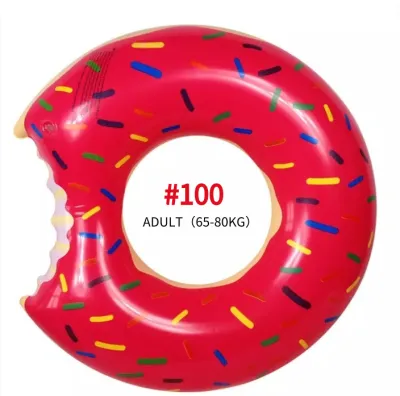
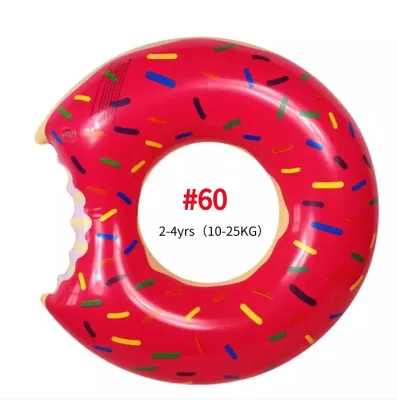
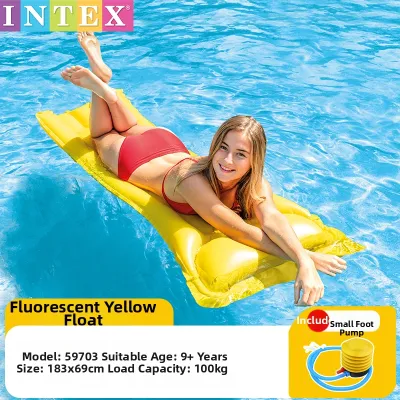
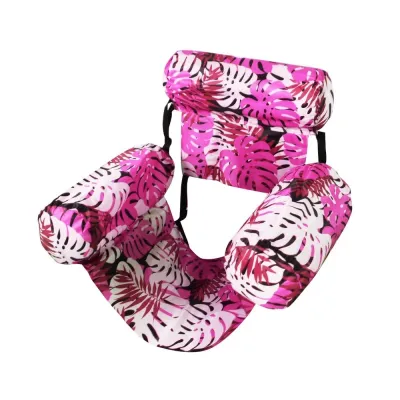
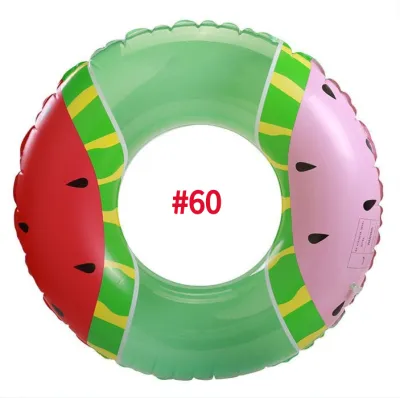
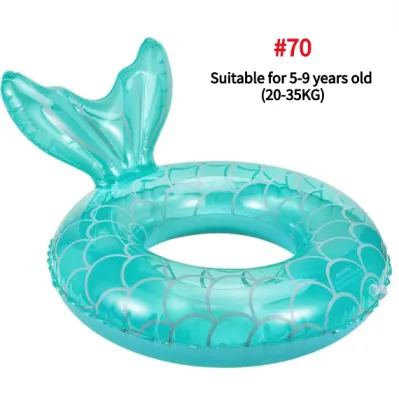
Prices are valid at publication and may change. Please refer to the product page for the latest price.
Next, consider who will be using the floater. Adults seeking quiet relaxation require different dimensions and weight capacities than active teenagers playing water volleyball. Always check the manufacturer’s specified weight limits rather than guessing based on the product’s visual size. A floater that is overloaded will sit too low in the water, compromising both comfort and buoyancy.
Finally, assess your physical environment. A massive, multi-person island raft might look spectacular in promotional photos, but it can completely overwhelm a standard residential plunge pool or a backyard pool in a suburban subdivision. Consider not only the water surface area but also where you will store the item when it is deflated or dried. If you have limited storage space or a small pump, a compact tube or a simple foam noodle may be far more practical than a giant inflatable lounger.
Match Your Diagnosis to the Right Floater Type
Once you have identified your primary pool habits, you can map those needs directly to one of the five main categories of pool floaters: loungers, rafts, tubes, rings, and noodles. Each type offers a distinct balance of full-body support, ease of movement, and inflation effort. Choosing the right category ensures you get the exact level of water contact and mobility you desire.

Loungers and Rafts for Sunbathing and Relaxation
For those who prioritize comfort and want to keep their bodies mostly out of the water, loungers and rafts are the ideal choice. These floaters are designed to support your entire body, often featuring built-in headrests, backrests, armrests, and even cup holders. They allow you to lie flat or recline comfortably for extended periods, making them well-suited for sunbathing or reading.
However, this level of comfort comes with a few trade-offs. Loungers and rafts have a significantly larger footprint than other floaters, meaning they require more physical space in the pool and take longer to inflate and deflate. Because they hold more air, you will likely need an electric or manual pump rather than relying on lung power. When purchasing, verify the manufacturer’s material thickness specifications—usually measured in gauge or millimeters—to ensure the vinyl can withstand the friction of pool edges and the intense tropical heat.
Tubes and Rings for Active Play and Socializing
If you prefer an upright posture that allows you to chat with friends, dangle your legs in the water, and move around easily, inflatable tubes and rings are the classic solution. These circular floaters keep your lower body submerged while supporting your upper torso, making them highly social and active options. They are excellent for casual drifting, water games, or even light towing behind a swimmer.
When evaluating tubes and rings, look closely at the design details. Check for sturdy, built-in handles that provide a secure grip during active play, and verify the inner diameter to ensure a comfortable fit for your body size. Some models feature integrated backrests for added comfort, while others offer interlocking connectors that allow you to link multiple tubes together for a floating group conversation. Ensure the seams are smooth to prevent skin irritation during hours of active use.
Noodles for Swimming Support and Versatility
For those who want a highly versatile, low-maintenance option that supports active swimming rather than passive lounging, the classic pool noodle is unmatched. Made from solid or hollow closed-cell foam, noodles require absolutely zero inflation time, meaning they are ready to use the moment you toss them into the water. They are incredibly lightweight, easy to carry to a community pool, and take up minimal storage space.
Noodles excel at providing targeted buoyancy support. You can tuck one under your arms for casual floating, use it as a kickboard during swimming laps, or incorporate it into water aerobics routines. When shopping, check the foam density and core structure specifications. High-density solid foam noodles offer reliable buoyancy and durability compared to cheap, hollow alternatives, ensuring they will not degrade or lose their shape after repeated exposure to pool chemicals and sunlight.
Essential Specifications to Verify Before Purchase
When you are ready to make a purchase, looking past attractive colors and shapes to verify technical specifications is crucial for safety and longevity. First and foremost, always check the explicit weight capacity listed by the manufacturer. Never assume a floater can support an adult simply because it looks large in photos; low-quality materials can easily fail under unexpected loads.
Next, inspect the valve design. High-quality floaters typically feature dual-action or rapid-release valves. These valves allow air to enter quickly while preventing it from escaping during inflation, and they open wide for near-instant deflation when it is time to pack up. This feature is especially valuable if you frequently transport your floaters to public resorts or beach clubs.
Additionally, review the product labels for material certifications. Look for heavy-duty, UV-resistant PVC or vinyl, which helps prevent the material from becoming brittle and cracking under the harsh Philippine sun. While a basic inflatable might only cost around ₱300 to ₱500, investing slightly more in a model that includes a dedicated puncture repair patch kit in the package can save you from having to discard the floater after its first minor scrape.
Care and Storage to Extend Floater Lifespan
Proper maintenance is the most effective way to protect your investment and prevent premature material failure. After every use, make it a habit to rinse your pool floater thoroughly with clean, fresh water. This simple step removes chlorine, salt, and sunscreen residues that can slowly degrade the vinyl or foam over time.
Once rinsed, allow the floater to dry completely in a shaded area before folding or storing it. In humid climates, packing away a damp floater is a guaranteed recipe for mold and mildew growth, which can ruin the material and create unpleasant odors. Never leave your floaters floating in the pool indefinitely; constant exposure to water chemicals and direct sunlight will rapidly break down the plasticizers in the vinyl, leading to leaks and color fading.
When deflating, follow the manufacturer’s instructions carefully. Avoid squeezing or twisting the valves aggressively, as this can tear the surrounding seams. Store your dry, deflated floaters in a cool, dry indoor space—such as a storage bin or closet—well away from sharp garden tools, pests, and extreme heat sources.
Frequently Asked Questions (FAQ)
Can I use a standard pool floater in the ocean or open water?
No, recreational pool floaters are strictly designed for calm, controlled environments like swimming pools and should never be used in the ocean, lakes, or open rivers. These items are classified as water toys, not certified personal flotation devices (PFDs) or life jackets. They lack the necessary safety harnesses, durable materials, and buoyancy standards required to withstand unpredictable ocean currents, sudden wind drift, or waves. Using a standard pool floater in open water carries a high risk of being swept far from the shore or losing your grip on the slippery vinyl if the floater capsizes. Always wear a certified life jacket when venturing into open water.
How do I fix a small puncture in an inflatable floater?
Locating and repairing a minor leak is a straightforward process that can quickly restore your floater to working order. First, inflate the floater as much as possible. Mix a small amount of liquid dish soap with water in a spray bottle or bowl, and apply it generously over the surface, focusing on the seams and valves. Look closely for growing soap bubbles, which indicate escaping air. Once you locate the puncture, mark it with a pen, deflate the floater completely, and clean the area thoroughly with rubbing alcohol to remove any oils or dirt. Allow it to dry, then apply a vinyl repair patch from your kit, pressing it firmly from the center outward to eliminate air bubbles. Let the adhesive cure completely according to the manufacturer’s instructions before re-inflating.
Community discussion
Share your experience or ask a question. Comments are reviewed before publication.