
Choosing the right roller skate shoes depends on where you plan to roll, what you want to achieve, and how your body naturally balances. There is no single style that suits every person or environment, so understanding your personal goals is the first step toward a successful purchase. By assessing your local terrain, your physical readiness, and your long-term skating ambitions, you can select a pair that keeps you safe, comfortable, and motivated to practice.
Define Your Skating Environment and Primary Goals
Before looking at specific models, take a close look at the ground outside your door. In the Philippines, outdoor skating often means navigating rough asphalt, concrete barangay basketball courts, or public park pathways. These surfaces are rarely perfectly smooth and are subject to tropical humidity, dust, and sudden downpours that leave puddles. If your primary skating area is a local outdoor court or a paved neighborhood street, you will need equipment designed to handle vibrations and small debris.
Conversely, if you have access to a polished indoor roller rink or a smooth commercial space, your options open up significantly. Indoor environments allow for precise maneuvers and faster speeds without the constant threat of pebbles or cracks. Your primary activity—whether it is high-intensity cardiovascular fitness, artistic dance, casual commuting, or learning tricks at a skatepark—will dictate the wheel hardness and boot style you require.
Products mentioned in this guide
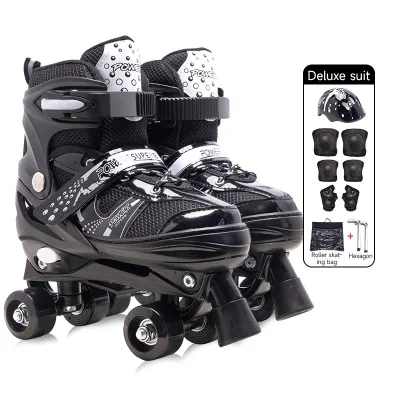
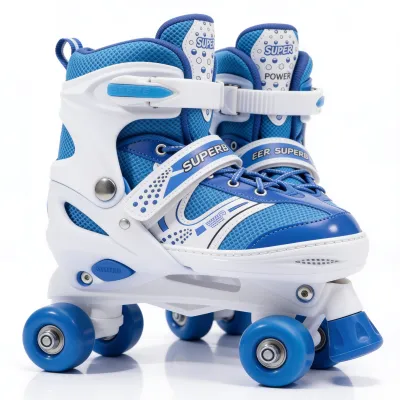
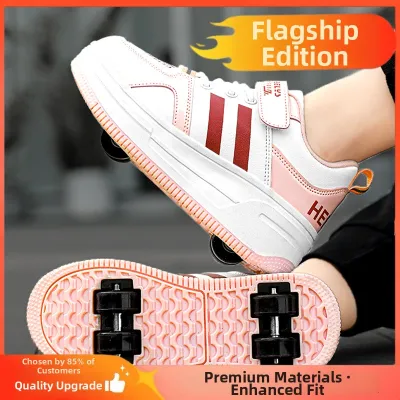
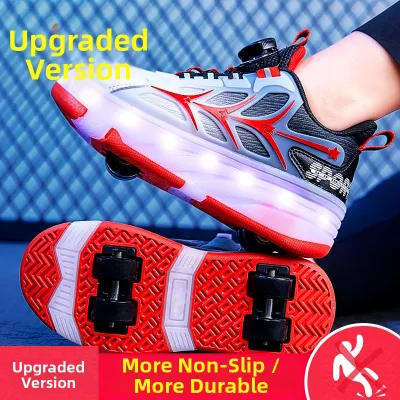
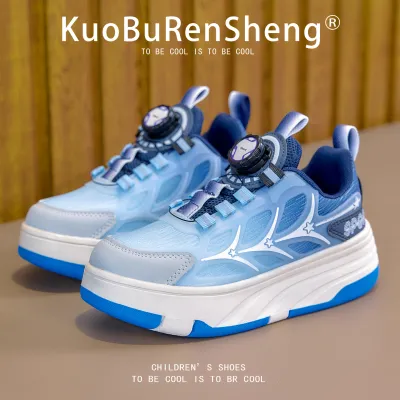
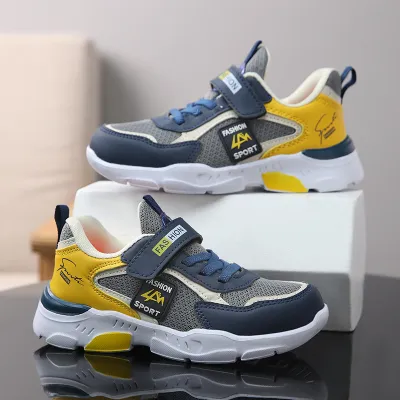
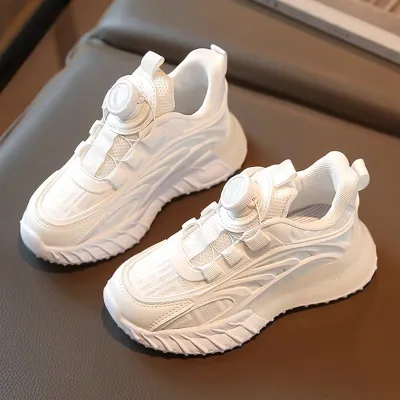
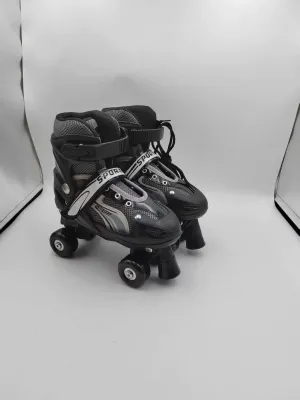
Prices are valid at publication and may change. Please refer to the product page for the latest price.
You must also consider how often you will skate and how you will transport your gear. If you plan to commute or travel to a park, you must think about the weight of the skates and whether you can easily carry them on public transportation like jeepneys or light rail transits. Lightweight options or hybrid designs are much easier to pack into a standard backpack than heavy, rigid boots.
Match Your Profile to the Right Skate Type
To find your ideal match, you must understand how wheel alignment, boot structure, and braking systems differ across the three main categories. Each design translates your physical movements differently, making certain styles better suited for specific environments and goals.

Inline Skates for Speed, Fitness, and Trails
Inline skates feature wheels arranged in a single straight line, which minimizes rolling resistance and allows you to maintain forward momentum with less effort. The boots typically rise high above the ankle and are constructed from rigid plastic or composite materials. This high-top design provides crucial lateral support, keeping your feet securely aligned over the narrow wheels.
This configuration is highly suited for fitness routines, long-distance skating, and navigating outdoor trails or paved roads. Because the wheels are aligned, they can roll over cracks and small pebbles more easily than other designs, making them a reliable choice for outdoor commuting. The forward-to-back stability of inline skates helps you maintain balance at higher speeds.
However, the learning curve involves mastering a different style of balance and braking. Most inline skates come with a removable heel brake on one boot, which requires you to lift your toes to apply pressure. Learning to stop, turn, and control your speed on hills requires dedicated practice and a solid understanding of your center of gravity.
Quad Skates for Stability, Rinks, and Maneuverability
Quad skates utilize a classic two-by-two wheel configuration, offering a wide, stable platform that makes standing still feel natural and secure. They typically feature a toe stop at the front of the boot, which is used for braking, pushing off, or performing specific dance steps. The boots range from stiff, high-top designs for artistic skating to low-cut designs for speed and roller derby.
These are the traditional choice for indoor roller rinks, dance skating, and artistic maneuvers. The shorter wheelbase allows for tight, agile turns and rhythmic footwork on smooth wood or plastic floors. If you are drawn to the community aspect of rink skating or want to learn dance steps, quad skates are the natural choice.
On rough outdoor pavement, however, quad skates can feel sluggish and less forgiving. The wider wheel placement means you are more likely to strike pebbles or cracks with individual wheels, which can abruptly disrupt your balance. While you can skate outdoors on quads, doing so requires softer wheels and a more active, alert stance to navigate uneven terrain safely.
Roller Shoes for Casual Commuting and Easy Transitions
Roller shoes are essentially casual sneakers equipped with one or more wheels embedded in the heel. They allow you to transition from walking to rolling simply by shifting your weight to your heels and lifting your toes. This hybrid design is built for convenience rather than athletic performance.
They offer unmatched portability and convenience for short, casual trips, such as moving through a shopping mall or walking down a smooth sidewalk. You do not need to carry a second pair of shoes or spend time strapping into a heavy boot. When you need to walk up stairs or cross a rough street, you can simply walk normally on the soles of the shoes.
The trade-off is a complete lack of ankle support, limited speed, and poor performance on rough or uneven ground. They are not designed for athletic training, long distances, or high-speed maneuvers. If you want to learn traditional skating skills or get a cardiovascular workout, roller shoes will not meet your needs.
Check Your Physical Readiness and Skill Level
Before purchasing any equipment, it is wise to assess your current physical readiness. Skating requires core strength, single-leg balance, and ankle stability to prevent strain and injury. Without these physical foundations, you may find the learning process frustrating or painful.
You can perform a simple check at home: try standing on one foot on a flat floor for thirty seconds without swaying excessively. If you can transition into a shallow single-leg squat while maintaining knee and ankle alignment, your lower body possesses a solid foundation for skating. If your ankles wobble significantly, you may want to focus on strengthening exercises before strapping on wheels.
If you have prior experience with ice skating, skateboarding, or skiing, you will find that many balance principles transfer directly. Ice skaters often adapt quickly to inline skates due to the similar edge control and forward balance. Skateboarders may appreciate the carving feel and lateral stability of quad skates.
Be honest about the learning curve you are willing to undertake. Inline skates demand strong forward-and-backward balance control, quad skates require lateral control and ankle strength to manage the flexible plates, and roller shoes require precise heel-toe weight distribution. Choosing a style that matches your natural physical comfort level will make your practice sessions much more enjoyable.
Your Decision Path: Buy, Rent, or Borrow First?
Investing in a personal setup makes sense once you have a clear, consistent interest and a safe local space to practice. A complete setup should always include a budget for high-quality safety gear alongside the skates. If you are ready to commit to regular practice sessions, buying your own pair ensures a consistent fit and allows you to break in the boots to your specific foot shape.
If you are still testing your commitment or are unsure which style feels right, renting at a local indoor rink or borrowing a pair from a friend is the smartest financial move. Many rinks offer rentals for a small fee, typically ranging from ₱150 to ₱300 per session. This allows you to experience the physical sensation of rolling without an upfront financial commitment.
Consider waiting or seeking professional advice if you experience chronic joint pain, struggle with basic balance on flat ground, or lack access to safe, traffic-free areas to practice. Taking time to build strength or find the right fit prevents frustrating and costly purchasing mistakes. Your safety and physical comfort should always guide your purchasing decisions.
Frequently Asked Questions (FAQ)
Can I use the same skates for both indoor rinks and outdoor trails?
Yes, but you will need to change the wheels. Indoor rinks require hard wheels (typically rated 95A to 101A) for slide and speed on wood or plastic, while outdoor trails require soft wheels (78A to 85A) to absorb vibrations from rough asphalt. Swapping wheels is highly cost-effective compared to buying two separate pairs of skates.
Do I need to buy protective gear along with my roller skate shoes?
Absolutely. Beginners must wear a properly fitted helmet, wrist guards, knee pads, and elbow pads. Wrist guards are especially critical because the natural human instinct during a fall is to reach out with open hands, making wrist injuries highly common without proper protection.
Which type of skate is easiest for a complete beginner to learn on?
Neither is universally easier; they present different challenges. Quad skates offer excellent lateral stability when standing still, making them feel safer initially, but they require active ankle control to steer. Inline skates feel unstable laterally at first but offer superior forward-and-backward stability once you are in motion. Choose based on where you want to skate rather than perceived ease.
Community discussion
Share your experience or ask a question. Comments are reviewed before publication.