
Choosing the right swimming floater is not just about staying afloat; it is about matching the gear to your specific swimming ability, the water environment, and your intended activity. Whether you are planning a weekend trip to a beach resort, teaching a child to swim in a pool, or preparing for an open-water adventure, using the wrong type of flotation device can lead to discomfort, a false sense of security, or even dangerous situations. To find the perfect balance of safety and fun, you must evaluate your skills and understand the strict limitations of each flotation category.
While recreational floaters like swim rings and pool noodles are excellent for casual lounging and shallow-water play, they are not designed to save lives. For deep water, open-water sports, or non-swimmers, a certified life vest is the only reliable choice. By understanding the differences in buoyancy, design, and purpose, you can select the exact tool that supports your water activities while keeping everyone safe.
Assess Your Swimming Skills and Water Environment
Before purchasing or packing any flotation device, you must honestly evaluate the swimming proficiency of the person who will be using it. Non-swimmers require maximum, constant buoyancy because they cannot support their own weight. Beginners might have basic kicking skills but still struggle to keep their heads above water. Intermediate swimmers can float and swim short distances but tire quickly, while confident swimmers only need flotation support for relaxation or specific training.
Products mentioned in this guide
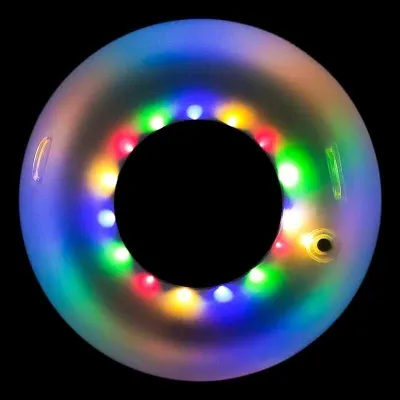
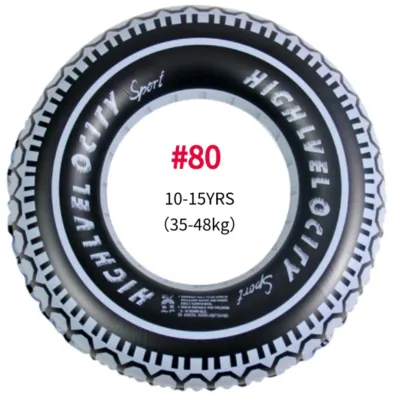
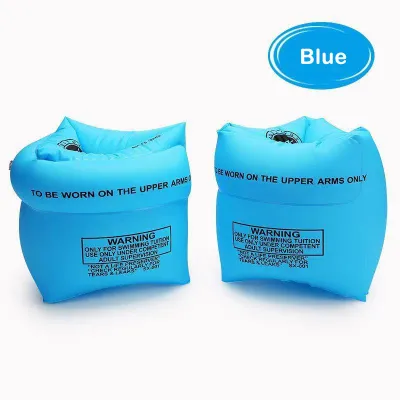
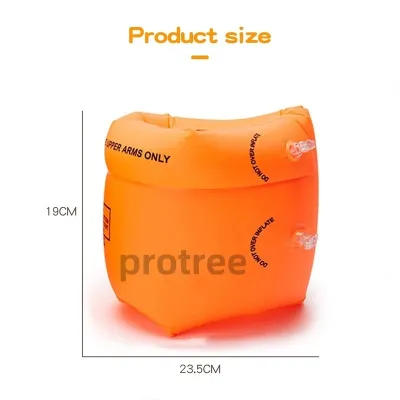
Prices are valid at publication and may change. Please refer to the product page for the latest price.
Matching your gear to the water environment is equally critical. A controlled swimming pool offers predictable depths and clear visibility, making it a safe space for recreational floaters and swim training. In contrast, open-water environments like beaches, lakes, and rivers present unpredictable waves, strong currents, and sudden drop-offs. In these open spaces, a simple inflatable toy can easily be swept away by the wind or tide, leaving a weak swimmer in a highly vulnerable position.
Finally, you must distinguish between your primary activities in the water. Learning to swim requires flotation gear that allows a natural range of motion, helping the swimmer practice proper strokes. Recreational lounging focuses entirely on comfort, allowing you to drift lazily in calm waters. Safety-critical water sports, such as kayaking or riding a boat, demand specialized, certified safety gear designed to keep you afloat even in rough, deep water.
Compare Common Floater Types and Their Safety Limits
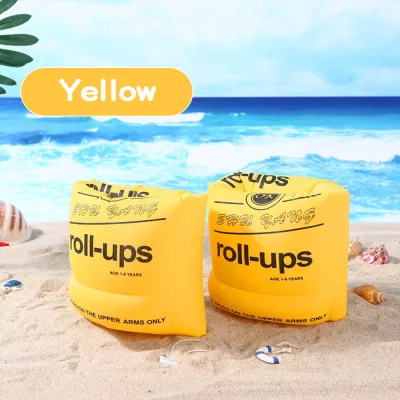
Understanding the design and limitations of each floater type prevents dangerous mismatches in the water. Arm bands and swim rings are common inflatable toys found at resorts and pools. While excellent for helping young children build water confidence in shallow pools, they are highly susceptible to punctures from sharp edges. Because they rely entirely on air chambers, a single tear causes immediate deflation, and they can easily slip off wet skin if not sized correctly.

Pool noodles are another popular option, made of lightweight, flexible polyethylene foam that does not require inflation. They are highly durable, resistant to punctures, and ideal for water aerobics or casual vertical floating in a pool. However, pool noodles require active physical grip and balance to remain effective. If a swimmer loses their grip or becomes exhausted, the noodle will simply float away, offering no passive safety support whatsoever.
For true safety in deep or open water, a certified life vest or personal flotation device (PFD) is indispensable. Unlike recreational toys, high-quality life vests are constructed with heavy-duty nylon or neoprene outer shells and filled with inherently buoyant foam. They are designed to wrap securely around the torso with adjustable straps and buckles, ensuring the vest stays attached even in rough waves. Many certified vests are engineered to automatically turn an unconscious wearer face-up in the water, providing a critical layer of protection that no recreational floater can match.
Match Your Skill and Activity to the Right Floater
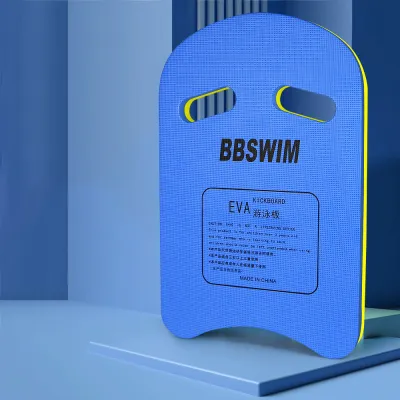
To simplify your selection, you can use a basic decision framework that aligns swimming ability with the most appropriate gear. Toddlers and very young children should always wear high-buoyancy, certified life vests or specialized puddle jumpers that secure around both the chest and arms. For beginner children playing in shallow pools, inflatable arm bands can provide temporary support, but they must always be paired with close, hands-on adult supervision. Adult learners practicing their strokes in a pool can benefit from swim belts, kickboards, or pool noodles, which offer targeted buoyancy without restricting arm movement.
Your chosen activity also dictates the best gear for the job. If your goal is pure relaxation at a calm beach resort, an inflatable lounge chair or a classic pool noodle is perfect for drifting in shallow areas. If you are engaging in active swim training, tools like kickboards and pull buoys help isolate your legs or upper body to build strength and technique. For any boating, kayaking, or deep-water snorkeling excursion, a certified life vest is non-negotiable, regardless of how strong a swimmer you claim to be.
As swimming skills improve, it is important to gradually transition away from flotation aids. Over-reliance on floaters can delay the development of natural buoyancy, breath control, and water stamina. Swim instructors often recommend reducing flotation support in stages—such as moving from a multi-segmented swim belt to a kickboard, and finally to independent swimming—to help learners build genuine self-reliance and safety skills in the water.
Perform Essential Safety Checks Before Entering the Water
No matter which floater you choose, performing a quick safety inspection before every swim is a vital habit. For inflatable items, inflate them fully and check for slow leaks by listening closely or submerging them in water to look for escaping air bubbles. Inspect the plastic seams for tears and ensure the air valve plugs push in securely and stay closed under pressure. For foam-based gear like pool noodles or life vests, check for signs of crumbling foam, broken buckles, or torn straps that could compromise the item’s structural integrity.
When fitting a life vest, always adjust the straps to ensure a snug, secure fit around the torso. A quick way to test the fit is to tighten all buckles, then pull up firmly on the vest’s shoulder straps. If the vest slides up past your chin or ears, it is too large or too loose and will not support you properly in the water. Always check the manufacturer’s label printed on the inside of the vest to verify that the user’s weight and chest size fall within the approved limits.
Finally, it is crucial to remember that no recreational floater or life vest can ever replace active adult supervision. Drowning can occur silently and quickly, even in shallow water and even when a child is wearing arm bands or holding a pool noodle. Designate a focused water watcher who is not distracted by phones or conversations, ensuring that everyone stays safe while enjoying their time in the water.
Frequently Asked Questions (FAQ)
Can I use a swim ring instead of a life vest on a boat?
No, you should never use a swim ring as a substitute for a life vest on a boat. Swim rings are classified as recreational pool toys and lack the structural design, secure fastening straps, and certified buoyancy required to keep a person safe in open water. If you fall off a boat, a swim ring can easily slip off your body, pop upon impact, or drift away in the wind. Certified life vests are specifically engineered to stay secured to your body and keep your head and face out of the water, even if you are injured or unconscious. Always check local maritime safety regulations to ensure you have approved life vests on board for every passenger.
At what age or skill level should a child stop using arm bands?
There is no universal age at which a child must stop using arm bands, as the transition depends entirely on their individual physical development and swimming confidence. It is highly recommended to consult a professional swimming instructor to assess your child’s readiness to swim without flotation aids. Continuing to use arm bands for too long can create an over-reliance on vertical flotation, which actually delays the child from learning how to position their body horizontally, float on their back, and tread water independently. Once a child can comfortably submerge their face, blow bubbles, and kick horizontally with support, they are ready to begin transitioning away from arm bands under close supervision.
How do I clean and store inflatable floaters to prevent mold?
To prevent mold, mildew, and material degradation, you should always rinse your inflatable floaters with clean, fresh water after every use to remove chlorine, salt, and sand. After rinsing, wipe them down and let them dry completely in a shaded, well-ventilated area; avoid leaving them in direct, harsh tropical sunlight, as extreme heat can weaken the PVC material and cause the seams to split. Once fully dry, deflate the floaters completely and store them flat or loosely folded in a cool, dry place away from sharp objects. Adding a light dusting of cornstarch to the deflated surfaces can also prevent the plastic from sticking together during long-term storage.
Community discussion
Share your experience or ask a question. Comments are reviewed before publication.