
Determining the right dumbbell weight for your child is not a matter of matching their age to a rigid number on a chart. Instead, the ideal starting weight depends entirely on your child’s individual physical coordination, movement control, and cognitive maturity. For most children who are ready to introduce external resistance, the safest starting weight is often no weight at all, transitioning gradually to very light implements that allow them to complete movements with absolute precision. Prioritizing movement quality over the amount of weight lifted ensures that strength training remains a safe, positive, and highly beneficial activity for their growing bodies.
In a tropical environment like the Philippines, where active outdoor play and sports are common year-round, building a solid physical foundation is highly advantageous. However, introducing structured resistance training requires a careful evaluation of your child’s unique developmental stage rather than their chronological age. By focusing on readiness, form, and safety, you can guide them toward a healthy relationship with fitness that protects their joints and supports their natural growth.
Assessing Readiness: Is Your Child Physically and Mentally Prepared?
Before purchasing any fitness equipment, you must evaluate whether your child is developmentally ready for the structured nature of dumbbell training. Chronological age is a poor indicator of readiness because children develop motor skills, balance, and cognitive focus at vastly different rates. A child who is chronologically ten years old might struggle with basic balance, while an eight-year-old might exhibit excellent body control and focus. Introducing weights too early can lead to frustration, poor movement habits, or acute injury.
Products mentioned in this guide
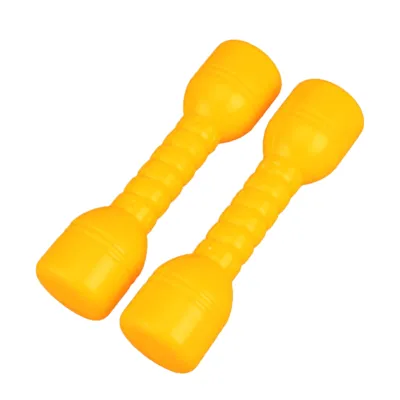
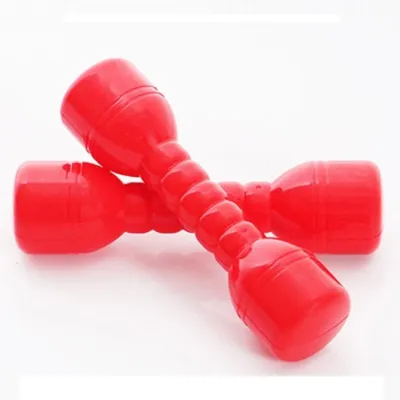
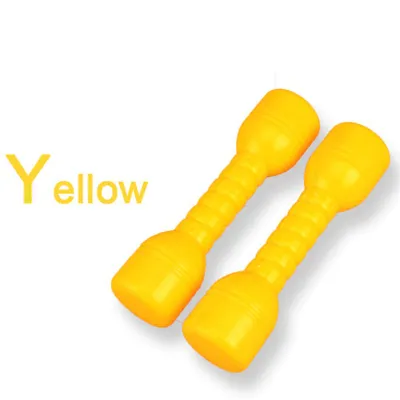
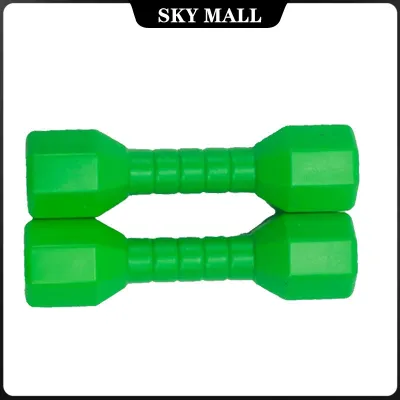

Prices are valid at publication and may change. Please refer to the product page for the latest price.
To assess physical readiness, observe your child during free play and basic bodyweight movements. They should demonstrate a reliable baseline of balance, coordination, and bodyweight control. Can they perform a steady, controlled bodyweight squat without their knees collapsing inward? Can they balance on one foot for ten seconds without excessive wobbling? If they struggle to control their own body weight, adding external resistance like dumbbells will only compound these movement errors and increase the risk of joint strain.
Cognitive readiness is equally critical for a safe training environment. Your child must possess the mental maturity to follow multi-step instructions, respect safety boundaries, and maintain focus throughout an entire exercise session. Dumbbells are not toys, and a child must understand that swinging them carelessly or dropping them can cause injury to themselves or others. If your child cannot yet remain focused on a single task for ten to fifteen minutes or struggles to follow specific movement cues, it is best to delay weight training and focus on active play instead.
Ultimately, the transition from bodyweight movement to external resistance should be guided by biological development and behavioral readiness. There is no rush to introduce dumbbells. Allowing your child to naturally develop their neuromuscular coordination through running, jumping, climbing, and structured bodyweight exercises will prepare their tendons, ligaments, and muscles for the unique demands of weight training when they are truly ready.
Finding the Right Starting Weight: A Form-First Approach
When your child is ready to begin, you should adopt a strict “form-first” rule. This means your child must completely master a movement pattern using only their body weight, or a zero-weight object like a plastic toy wand or a light wooden dowel, before they are allowed to hold a real dumbbell. For example, they should be able to perform a flawless squat, overhead press, or hinge movement repeatedly before any external load is introduced. This builds the necessary neuromuscular pathways, ensuring that when weight is added, the body defaults to safe mechanics.

To test and select an appropriate starting weight, look for an implement that allows your child to complete a target range of ten to fifteen repetitions with perfect technique and zero visible straining. The weight should feel light enough that they can control both the lifting phase and the lowering phase of the exercise smoothly. If they can perform fifteen repetitions easily while maintaining a neutral spine, relaxed shoulders, and steady breathing, that weight is a safe starting point for their training sessions.
Conversely, you must learn to recognize the clear physical signals that a dumbbell is too heavy for your child. Watch for compromised posture, such as an arching lower back during an overhead press, or shrugging shoulders during a bicep curl. Another major warning sign is the inability to control the lowering phase of the lift, resulting in the weight dropping quickly due to gravity. Any shaking, breath-holding, grimacing, or complaints of joint discomfort are immediate indicators that you need to reduce the weight or return to bodyweight-only practice.
Instead of relying on generic age-to-weight recommendations found online, use these observable physical responses as your ultimate guide. A weight that allows for smooth, joyful, and technically perfect movement is the correct weight, regardless of what is printed on the side of the dumbbell. Keeping the initial resistance exceptionally light builds confidence and protects your child’s developing skeletal system.
Non-Negotiable Safety Rules and Supervision Requirements
Youth strength training must never be an unsupervised activity. Direct, active adult supervision is a non-negotiable requirement for every single session. As a parent or guardian, your role is to watch every repetition, provide gentle form corrections, and ensure the training environment remains safe. If you do not have experience with strength training mechanics, investing in a few sessions with a qualified youth fitness coach is highly recommended to establish safe habits and teach your child proper lifting etiquette.
Creating a safe physical environment is also essential, especially in home settings. Ensure you have a clear workout space free of toys, clutter, or tripping hazards. Because the tropical climate in the Philippines can lead to high indoor humidity and sweaty hands, proper flooring is vital. Utilizing non-slip rubber interlocking mats can prevent slips and cushion the floor if a dumbbell is dropped. Additionally, always store dumbbells and other fitness equipment in a secure, locked cabinet or a high shelf where younger siblings cannot access them.
You must also establish clear stop conditions before starting any session. Teach your child that they must stop immediately if they experience any pain, sudden fatigue, or a loss of focus. Fatigue in children often manifests as a sudden deterioration in form or a playful, distracted attitude. When these signs appear, end the set or the entire session immediately. Forcing a tired child to complete “one last rep” is a primary cause of training injuries and can turn a positive fitness experience into a negative one.
Safe Alternatives and Progression Criteria
If your child is eager to train but does not yet meet the physical or cognitive readiness criteria for dumbbells, there are excellent, safe alternatives available. Bodyweight exercises like bear crawls, planks, wall sits, and push-ups against a wall or bench build exceptional functional strength and coordination. You can also introduce light resistance bands, which provide a smooth, variable tension that is highly forgiving on young joints, or use lightweight household items like clean, water-filled plastic bottles for early practice.
When you are ready to purchase dumbbells, look for equipment specifically designed for smaller hands. Standard adult dumbbells often have thick handles that force a child to grip too tightly, straining their forearms and compromising their wrist stability. Choose dumbbells with smaller grip diameters and secure, textured coatings like neoprene or rubber. These materials provide a reliable grip even when hands get sweaty in warm weather, and they offer a softer surface that protects both the child and your home flooring.
To safely progress and increase the weight over time, your child must meet three strict criteria. First, they must demonstrate consistent, perfect form across multiple consecutive sessions. Second, the current weight must feel completely manageable, with the child easily completing their target repetitions without any signs of struggle. Finally, there must be an absolute absence of joint pain or prolonged muscle soreness the following day. If these conditions are met, you can introduce a very small weight increment, ensuring that the transition feels almost unnoticeable to their developing body.
Frequently Asked Questions (FAQ)
Can lifting weights stunt a child's growth?
Properly designed and supervised strength training does not stunt a child’s growth. The myth that lifting weights damages growth plates stems from historical cases of unsupervised children using poorly maintained equipment or attempting excessive loads with terrible form. When children use appropriate, light weights under active adult supervision, strength training actually supports bone density and joint health. For personalized medical guidance tailored to your child’s specific physical development and medical history, always consult a pediatrician or a qualified sports medicine professional.
What type of dumbbells are best for children?
The best dumbbells for children are those featuring a high-quality neoprene or rubber coating. These coatings provide a secure, non-slip grip that is especially helpful in humid climates, while also protecting home floors from scratches. It is crucial to check the handle diameter before purchasing; the grip must be slim enough for your child’s fingers to wrap completely and securely around the handle without overstraining their hands or wrists. Avoid adjustable dumbbells with loose plates or sharp metal knurling, as these can pose safety hazards for younger users.
Community discussion
Share your experience or ask a question. Comments are reviewed before publication.