
The ideal yoga mat thickness depends on your physical needs, the style of your practice, and where you train. For most practitioners, a 6mm mat offers the perfect balance, providing enough cushioning to protect your joints without compromising your balance during standing poses. If you focus primarily on gentle, floor-based stretching, a thicker 8mm to 10mm mat is highly beneficial, whereas those practicing dynamic, balance-heavy styles will find a thinner 4mm to 5mm mat much safer and more stable.
If you are shopping for a durable yuga mat makapal in the Philippines, you have likely noticed a wide variety of thickness options and materials online. Choosing the wrong thickness can lead to sore wrists, unstable standing poses, or a bulky mat that is too heavy to carry. Finding your ideal match requires looking beyond the millimeter rating to understand how thickness, density, and material work together on your floor.
Understanding Yoga Mat Thickness: What the Numbers Actually Mean
Yoga mats generally fall into three thickness categories, each serving a distinct purpose for your body and practice style. Standard mats measure between 4mm and 5mm, providing a firm connection to the ground that is ideal for active, flowing movements. Thick or “makapal” mats range from 6mm to 8mm, offering a generous layer of protection that shields sensitive bones from hard surfaces. Extra-thick mats measure 10mm or more, prioritizing maximum comfort and cushioning, though they function more like general exercise mats than traditional yoga surfaces.
Products mentioned in this guide
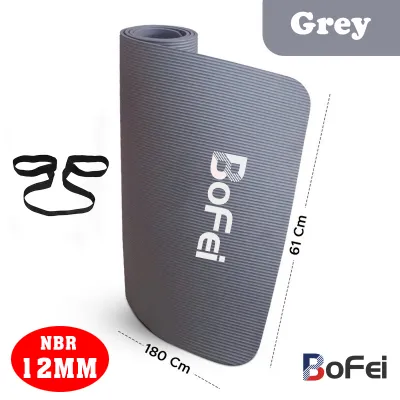
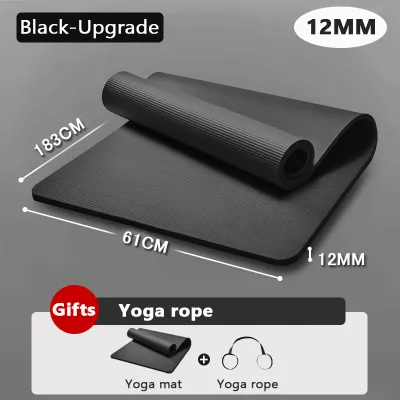
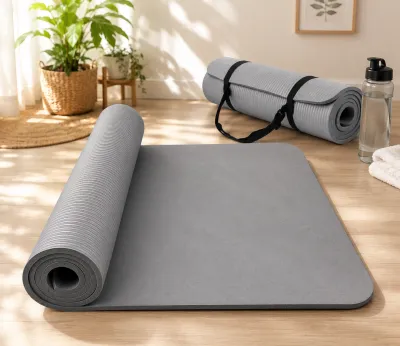
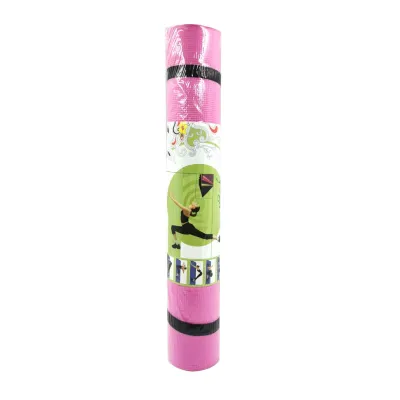
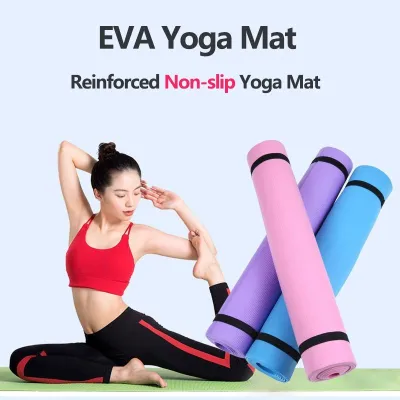
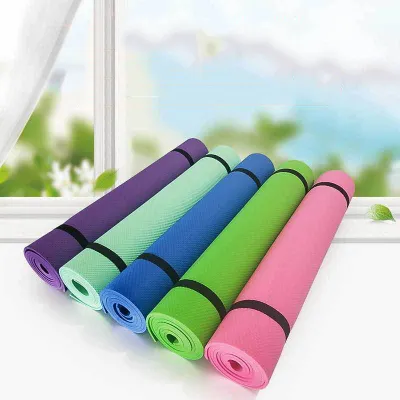
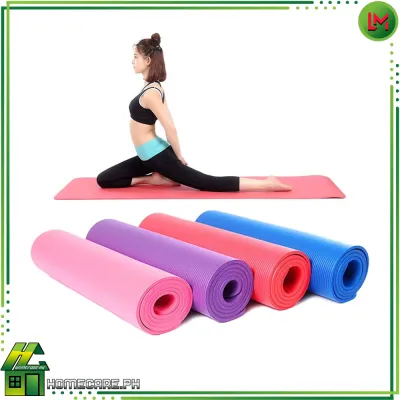
Prices are valid at publication and may change. Please refer to the product page for the latest price.
The core trade-off of mat thickness lies in the balance between joint cushioning and ground feedback. A thicker mat absorbs more impact, which relieves pressure on your knees, elbows, and spine during floor poses. However, this extra cushioning reduces your stability by creating a squishy surface that makes standing balances highly challenging. Thinner mats keep your feet closer to the solid floor, giving you the sensory feedback needed to maintain proper alignment and control.
In the local market, the term “makapal” is widely used to describe any mat from 6mm up to 15mm. When searching for a yuga mat makapal, many buyers assume that a higher millimeter count automatically translates to better quality and comfort. However, thickness is only half of the equation; the density of the material determines whether the mat actually supports your weight or simply flattens to the floor.
Material density is a critical secondary specification that you must check on product labels. A low-density foam mat, even at 10mm thick, will easily compress under your knees, leaving you feeling the hard floor underneath. Conversely, a high-density 6mm mat made of natural rubber or Thermoplastic Elastomer (TPE) will resist compression, offering superior joint protection while remaining thin enough to keep you stable.
Who Actually Benefits from a Yuga Mat Makapal (Thick Yoga Mat)?
Practitioners with joint sensitivities are the primary beneficiaries of a thicker yoga mat. If you experience discomfort in your knees, wrists, tailbone, or spine during floor work, the extra shock absorption of a 6mm to 8mm mat can make your practice pain-free. Poses that place your full weight on a single joint, such as Camel Pose or low lunges, become much more accessible when you have a supportive barrier shielding you from hard tile or concrete floors.

Your preferred practice style also dictates whether a thick mat is necessary. Yin Yoga, Restorative Yoga, and floor-heavy Pilates involve holding poses for several minutes or performing continuous rolling movements on your back. A thick mat provides the sustained comfort required to relax your muscles completely without the distraction of a hard floor pressing against your bones.
Body type and composition are equally important factors when deciding on mat thickness. Heavier practitioners or individuals with less natural joint padding often find that standard 4mm mats do not offer enough support, leading to bruising or joint strain over time. A thicker, high-density mat distributes body weight more evenly across the surface, preventing localized pressure points from causing pain.
Before buying, always verify the mat’s density and compression resistance to ensure it delivers on its promises. High-density mats are heavier and feel firmer to the touch, indicating that they will not bottom out under pressure. If a thick mat feels incredibly light and airy, it is likely made of low-density PVC or NBR foam, which will collapse easily and fail to protect your joints during weight-bearing poses.
When a Thinner Mat is the Better Choice for Your Practice
Dynamic and fast-paced yoga practices require a firmer, thinner surface to ensure safety and control. Styles like Vinyasa, Ashtanga, or Power Yoga involve rapid transitions, jump-backs, and powerful push-offs that demand a solid connection to the ground. A thin mat allows your hands and feet to grip the floor firmly, preventing slipping and ensuring your muscles can engage efficiently during active movements.
Standing balance poses, such as Tree Pose, Eagle Pose, or Warrior III, become significantly more difficult on a thick, squishy mat. The soft surface forces the tiny muscles in your ankles and feet to work constantly to maintain balance, leading to rapid fatigue. This instability also increases the risk of rolling your ankle, making a thinner 4mm to 5mm mat the safer choice for balance-heavy sequences.
Portability and storage are practical daily considerations that favor thinner mats. Thicker mats are inherently heavier and bulkier, making them difficult to roll tightly and carry around. If you regularly commute to a local yoga studio, travel, or have limited storage space at home, a lightweight, travel-friendly thin mat is far more convenient than a bulky 8mm or 10mm alternative.
How to Choose the Right Thickness and Density for Your Needs
To find your perfect mat, start with a quick self-assessment of your practice habits and physical needs. Ask yourself which yoga style you practice most frequently, whether your joints require extra cushioning, and how often you plan to transport your mat. If you primarily practice at home on hard tile floors and struggle with knee pain, prioritize thickness; if you travel often and focus on standing balances, prioritize portability.
For most practitioners, a 6mm high-density TPE or natural rubber mat represents the ultimate “sweet spot.” This thickness provides enough cushioning to protect your knees during low lunges while remaining firm enough to support stable standing balances. It offers a versatile, all-in-one solution for those who enjoy a mix of dynamic flows and restorative floor stretches.
When reading manufacturer specifications online, look past the thickness number and evaluate the material composition and weight. High-quality materials like TPE, polyurethane (PU), and natural rubber naturally offer better density and durability than cheap NBR foam. A heavier mat weight for a given size is usually a reliable indicator of high density and excellent compression resistance. In the Philippines, high-density TPE mats typically range from ₱800 to ₱1,500, while premium natural rubber mats can cost upwards of ₱2,500, making it important to balance your budget with your physical requirements.
If you are shopping in-store, test the mat’s quality by pressing your thumb firmly into the surface and observing the rebound speed. A high-quality mat should spring back to its original shape almost instantly rather than leaving a deep, lasting indentation. For online purchases, carefully review the seller’s return policies and customer feedback regarding edge support and long-term durability under humid tropical conditions.
Frequently Asked Questions (FAQ)
Is a 10mm yoga mat too thick for beginners?
Yes, a 10mm mat is generally too thick for beginners who are still developing their balance, body awareness, and proper alignment. While the extra cushioning feels incredibly comfortable under your knees, the squishy surface makes standing poses highly unstable and increases the risk of ankle strain. Beginners are better off starting with a high-density 6mm mat, which offers a safer balance of joint comfort and foundational stability.
Can I use a thick mat for high-intensity workouts?
You should avoid using extra-thick mats for high-intensity interval training (HIIT), plyometrics, or exercises that involve heavy jumping. The soft, unstable surface of a thick mat reduces power transfer during explosive movements and significantly increases the risk of rolling your ankle during lateral shifts. For high-impact workouts, opt for a thinner, ultra-high-density training mat or utility mat designed specifically to absorb impact without compressing or sliding.
Community discussion
Share your experience or ask a question. Comments are reviewed before publication.