
Finding a fully functional, safe, brand-new adult bicycle for exactly ₱1,000 in the Philippines is virtually impossible. The raw material costs, manufacturing processes, and shipping fees required to produce a safe adult-sized frame and reliable braking system naturally push the price of new models well beyond this three-digit threshold. However, a strict ₱1,000 budget does not mean you are completely locked out of the cycling world. By adjusting your expectations, exploring the local second-hand market, or sourcing individual used components, you can still find a viable path to getting on two wheels.
To make this budget work, you must approach the purchase with a high degree of scrutiny. Every option at this price point requires trade-offs, and understanding where you can compromise—and where you absolutely cannot—is the key to avoiding a costly or dangerous mistake. This guide breaks down the realistic options, hidden costs, and safety boundaries you must navigate to make a smart purchasing decision without compromising your physical safety.
Understanding the Realities of a ₱1,000 Bike Budget
To understand why a brand-new adult bike cannot realistically cost ₱1,000, you have to look at the basic cost of manufacturing. A standard adult bicycle requires several kilograms of structural steel or aluminum alloy, vulcanized rubber tires, steel cables, friction-based braking calipers, and a multi-gear or single-speed drivetrain. When you factor in factory labor, international shipping, local distribution, and retail markups, any brand-new bike offered at ₱1,000 is almost certainly compromised in its material quality or structural design.
Products mentioned in this guide
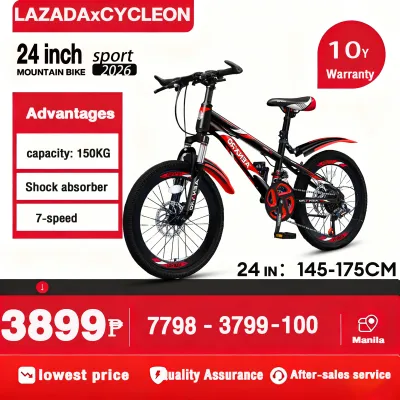
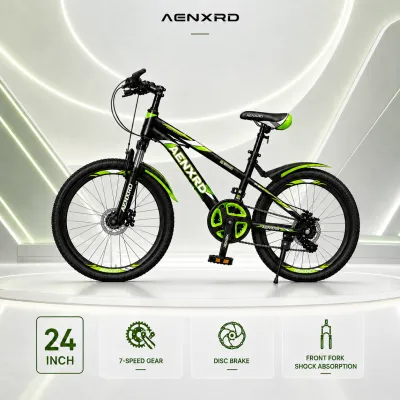
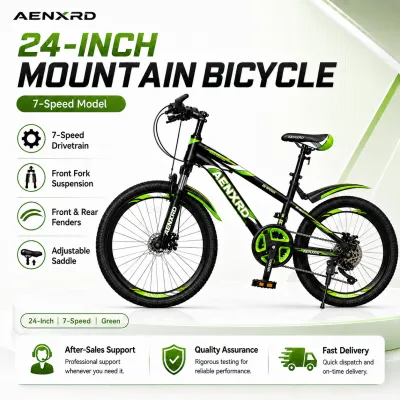
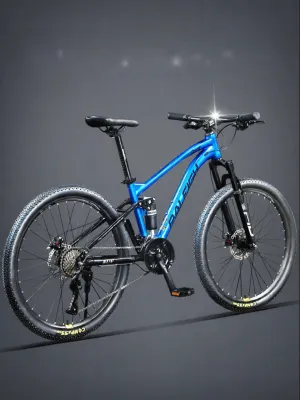
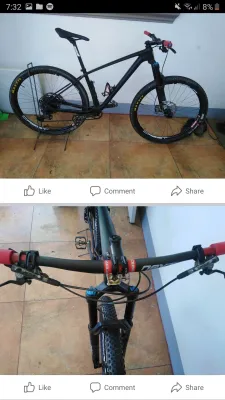
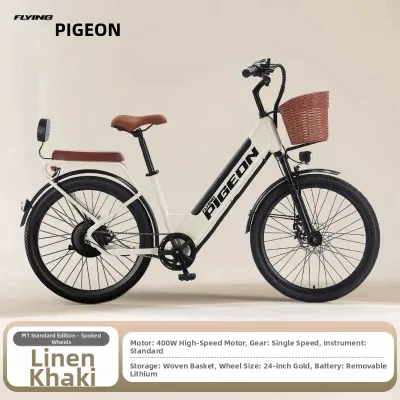
Prices are valid at publication and may change. Please refer to the product page for the latest price.
When browsing popular online marketplaces, you will frequently encounter listings for “adult bikes” priced under ₱1,000. These listings are almost always deceptive traps. In many cases, the low price actually applies to a single accessory, such as a replacement saddle or a set of pedals, selected from a drop-down menu. In other cases, the product is a miniature, toy-grade children’s bike with plastic bushings instead of metal bearings, misleadingly photographed without scale to look like a full-sized adult model.
Safety must remain your absolute, non-negotiable baseline when operating on a tight budget. A bicycle is a vehicle that operates in traffic and down hills; a sudden structural failure can lead to severe injury. At the ₱1,000 price point, you must completely reject any bike with visible frame cracks, severely bent forks, or compromised braking systems. If a bike cannot support your weight or stop reliably on a wet road, it is not a bargain—it is a hazard.
Navigating the Second-Hand Market for Adult Bikes
Because new options are out of the question, your best chance of finding a rideable adult bike for ₱1,000 lies in the second-hand market. Local community bulletin boards, neighborhood garage sales, and dedicated social media trading groups are excellent places to start. You can also visit local “Japan Surplus” shops, which frequently import used utility bikes, often referred to as “mamachari” or city bikes, and sell them at highly discounted rates to clear out inventory.

When inspecting a used bicycle, you must perform a rigorous visual check to ensure the frame is structurally sound. Look closely at the welds around the head tube, seat cluster, and bottom bracket, as these are the areas under the most stress. In the humid, tropical climate of the Philippines, rust is a major concern; while light surface rust on a steel frame is mostly cosmetic, deep, bubbling rust that flakes away indicates structural rot that can cause the frame to snap under pressure.
Always assume that a ₱1,000 used bike will require immediate maintenance, and try to reserve a small portion of your budget for basic parts. A bike that has been sitting in a garage for years will likely have dried-out rim brake pads, frayed inner cables, or dry tubes that leak air. If the seller is asking ₱800, you can use the remaining ₱200 to purchase a cheap set of inner tubes or a small bottle of chain lubricant at a local neighborhood bike shop.
Building from Scratch: Sourcing Used Bike Parts
If you have basic mechanical skills and a set of common household tools, you can stretch a ₱1,000 budget by sourcing individual used parts to assemble a functional single-speed bike. This approach allows you to prioritize spending on critical components while accepting cosmetic flaws on non-essential parts. For instance, you can search for a cheap, scratched steel frame from a local scrap yard or online seller, then pair it with a functional, used wheelset.
Compatibility is the greatest challenge when building a bicycle from individual parts. Before buying any component, you must verify that the parts will actually fit together. Check that the wheel diameter matches the frame clearance and brake reach, that the bottom bracket threading matches the frame’s shell, and that the seatpost diameter is a perfect match for the seat tube. Mixing incompatible standards will quickly exhaust your budget on return shipping or replacement parts.
Do not forget to factor in the cost of assembly tools and consumables. While you can tighten many bolts with basic wrenches, certain tasks require specialized tools, such as a bottom bracket tool or a chain breaker. If you do not own these, you may need to budget a small fee to have a local neighborhood mechanic perform the final assembly and tuning. Always calculate these service costs before committing to a frame-up build.
Practical Alternatives When the Budget Falls Short
If you cannot find a safe, adult-sized bicycle within your ₱1,000 limit, you may want to consider a 24-inch youth bicycle as a temporary alternative. These bikes are designed for older children and teenagers, but they can often accommodate shorter adults if the seatpost and handlebars are raised. Before riding, you must check the manufacturer’s weight limit and ensure that the seatpost remains inserted past its minimum insertion mark to prevent the frame from cracking.
For those who only need a bicycle for occasional errands or short commutes, short-term rentals or local bike-sharing programs can be a highly cost-effective alternative to ownership. Many urban areas and recreational parks offer low-cost hourly or daily rentals. This allows you to fulfill your immediate transportation needs without the upfront cost of purchasing, maintaining, and securing your own vehicle.
If your goal is daily commuting or long-term fitness, the most practical strategy is often to delay your purchase and save a bit more capital. Saving an additional ₱1,500 to ₱2,000 will elevate your total budget into the ₱2,500 to ₱3,000 range. At this level, the market opens up significantly, allowing you to purchase a much safer, more durable, and more reliable entry-level used mountain bike or city bike that will require far fewer repairs over time.
Essential Safety Checks Before Handover or Checkout
Before you hand over your cash or click the checkout button, you must perform a strict physical inspection of the bicycle. If you are meeting a local seller in person, always request to conduct the transaction in a safe, public space during daylight hours. This allows you to clearly see any hidden defects and perform a brief test ride to verify the bike’s mechanical condition.
During the test ride, pay close attention to how the bike handles and sounds. Squeeze the brake levers firmly to ensure they stop the bike quickly without slipping or binding. Pedal hard to check if the chain slips over the rear cog, which indicates a worn-out drivetrain that will need immediate replacement. Listen for loud clicking, grinding, or popping noises coming from the bottom bracket or wheel hubs, as these suggest worn-out bearings.
Finally, establish clear stop-conditions that will cause you to walk away from the deal immediately. If the seller refuses to let you test ride the bike, hides known structural damage, or cannot explain where they acquired the bicycle, do not proceed with the purchase. Additionally, if you are buying online, always calculate the shipping fees beforehand; a ₱800 bike with ₱500 shipping exceeds your ₱1,000 budget and may not be worth the investment.
Frequently Asked Questions (FAQ)
Can I buy a brand-new adult bike for ₱1,000 online?
No, you cannot buy a safe, brand-new adult bicycle for ₱1,000 online. Listings at this price point are typically misleading advertisements for small accessories, or they are toy-grade children’s bikes that are structurally unsafe for adult riders. These ultra-cheap models lack proper safety certifications, use weak plastic components in place of metal bearings, and feature unreliable braking systems that can fail under the weight of an adult.
Is it safe to ride a heavily discounted or used bike?
It is safe to ride a used or heavily discounted bicycle only if its structural components are completely intact. While cosmetic issues like scratched paint, minor surface rust, or a torn saddle do not affect safety, you must never ride a bike with a cracked frame, bent fork, or failing brakes. If you notice any deep structural damage or severe wear on critical parts, stop riding immediately and consult a qualified local mechanic.
What size bike should I look for if I am on a strict budget?
When shopping on a tight budget, prioritize a bike that allows you to maintain proper control and touch the ground safely. Stand over the frame to ensure there is at least an inch of clearance between your body and the top tube. If you are considering a smaller 24-inch youth bike as a budget compromise, verify that the seatpost can be adjusted to a comfortable height without extending past its safety limit, and be prepared for quicker, more sensitive steering.
Community discussion
Share your experience or ask a question. Comments are reviewed before publication.