
Setting up a home boxing corner in the Philippines requires more than just hanging a heavy bag and buying a single pair of gloves. To train safely, build power, and refine your speed, investing in a boxing gloves 2 pair rotation is the most practical decision you can make. A complete home training setup demands two distinct, specialized pairs: a heavy, densely padded glove dedicated strictly to heavy bag work, and a lighter, more responsive glove designed for focus mitts, speed bags, and controlled partner drills. This dual-glove approach protects your hands from chronic injury, ensures your training partner’s safety, and significantly extends the lifespan of your gear.
Why You Need Two Different Pairs for a Complete Home Setup
Home boxing training places two entirely different physical demands on your equipment. When you strike a heavy bag, you are hitting a dense, static mass that can weigh anywhere from 80 to 150 pounds. The primary goal of a heavy bag session is to build power, conditioning, and skeletal alignment, which means your hands must absorb massive, repetitive shock. Conversely, working on focus mitts or engaging in light sparring requires speed, precision, and rapid hand movement. These technical drills demand a glove that allows you to feel your punch placement and move your hands without unnecessary fatigue.
Using a single “all-purpose” glove for both tasks forces a dangerous compromise. A glove dense enough to protect your knuckles during a heavy bag session will lack the tactile feedback needed for pad work, and its rigid exterior can easily injure a training partner during sparring. On the flip side, a soft, lightweight pad glove will compress too quickly when slammed against a dense heavy bag. This compression causes the glove to “bottom out,” transferring the impact force directly to your knuckles and wrist joints, which increases the risk of micro-fractures and sprains.
Products mentioned in this guide

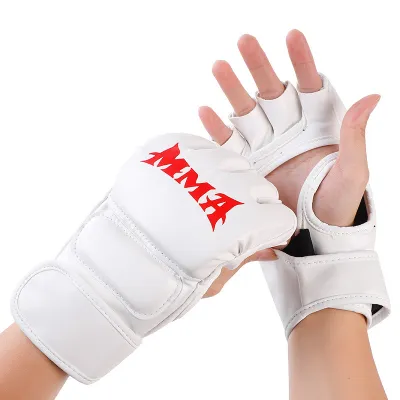
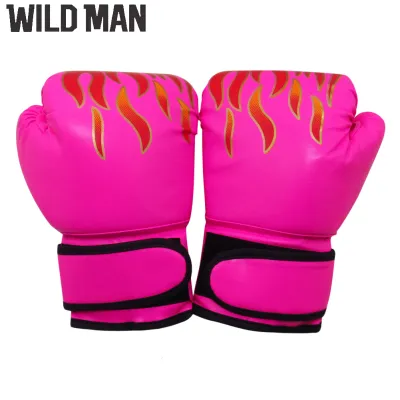
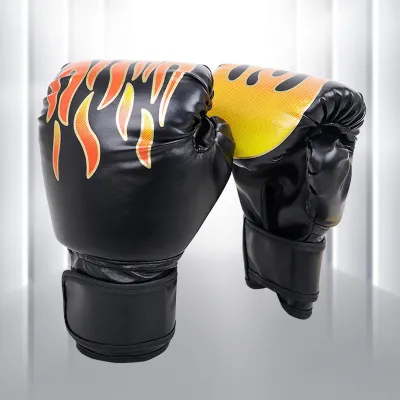
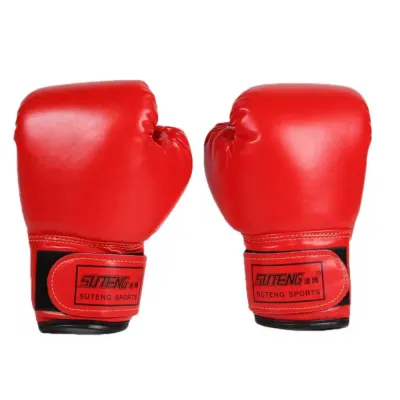
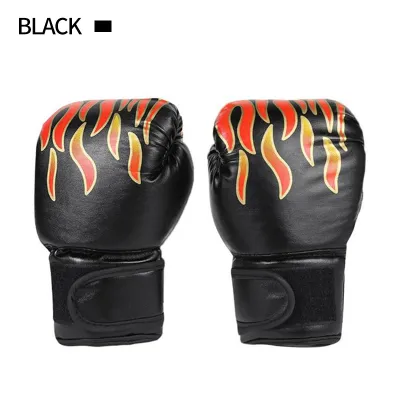
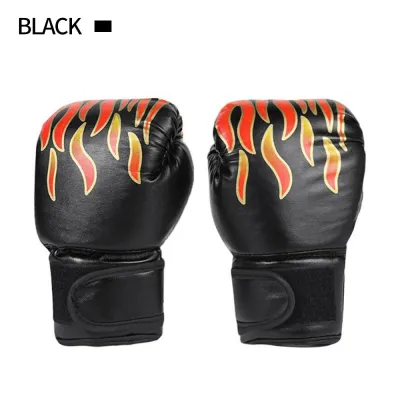
Prices are valid at publication and may change. Please refer to the product page for the latest price.
Establishing a two-pair glove rotation resolves these issues by matching the right tool to the right task. This system ensures your hands remain fully protected during high-impact power drills while giving you the speed and accuracy needed for technical work. Furthermore, alternating between two specialized pairs prevents you from prematurely destroying your gear, saving you money in the long run by maximizing the lifespan of both pairs.
Pair 1: Selecting Heavy Bag Gloves for Power and Conditioning
Your heavy bag gloves are your primary defense against the punishing impact of dense targets. Because their sole purpose is to absorb high-velocity shock, these gloves require specific structural features that prioritize hand protection and wrist stability over speed.

Weight and Padding Density
For heavy bag work, look for gloves weighing between 14oz and 16oz, depending on your body weight and physical strength. Heavier gloves feature thicker, multi-layered foam systems—often combining high-density EVA foam with open-cell foam—to disperse the sharp vibrations of a dense bag. Training with a heavier glove also provides an excellent conditioning benefit, forcing your shoulders, back, and arms to work harder to maintain proper guard and hand speed throughout your workout.
Wrist Support and Alignment
When delivering full-power punches, your wrist must remain in a perfectly neutral, straight position. Look for heavy bag gloves that feature a wide, rigid hook-and-loop closure system, preferably with a dual-strap design or a reinforced wrist cuff. This structural rigidity acts like a splint, preventing your wrist from bending or buckling upon impact. While lace-up gloves offer the most secure fit, hook-and-loop straps are far more practical for home training, allowing you to put them on and take them off without assistance.
Material Durability
Heavy bag work generates intense friction and heat, which can rapidly degrade low-quality materials. Genuine leather remains the gold standard for durability, as it stretches naturally and resists tearing under repeated impact. If you prefer synthetic alternatives, ensure they are made from high-grade microfiber or polyurethane (PU) engineered specifically for high-impact sports. Pay close attention to the stitching along the knuckles and thumb attachment, as these are the primary stress points that fail first.
Fit and Hand Wraps
Never buy heavy bag gloves that fit tightly on bare hands. You must always size your gloves to accommodate a standard pair of 180-inch (4.5-meter) hand wraps. Hand wraps are a non-negotiable safety requirement; they bind the loose bones of your hand together and secure your thumb, preventing hyperextension. When trying on a potential heavy bag glove, ensure your wrapped hand fits snugly into the pocket without restricting circulation or pinching your fingertips.
Pair 2: Choosing Pad and Sparring Gloves for Speed and Feedback
The second pair in your home setup serves a completely different purpose. Whether you are catching focus mitts with a family member, hitting a double-end bag, or engaging in light, controlled sparring, this pair focuses on speed, tactile feedback, and partner safety.
Weight and Tactile Feedback
For technical pad work and speed drills, a lighter glove weighing 10oz or 12oz is highly recommended. The reduced weight allows you to maintain clean punching form and fast hand speed during high-volume combinations without premature shoulder fatigue. More importantly, these gloves offer immediate tactile feedback, allowing you to feel exactly how your knuckles align with the target upon impact, which is crucial for correcting form errors.
Knuckle and Partner Protection
If you plan to use this second pair for controlled home sparring, you must prioritize soft, protective padding over speed. Sparring gloves should generally weigh 16oz and feature a thick layer of soft, pillowy foam designed to disperse impact force across a wider surface area. This soft padding prevents cuts, bruises, and facial trauma for your training partner. Never spar with a glove that has compacted, dense bag padding, as doing so can cause serious injury even during light contact.
Breathability and Ergonomics
Pad work and sparring are highly cardiovascular activities that generate significant hand sweat. Look for gloves designed with mesh palms, perforated fingers, and moisture-wicking inner linings to promote airflow. Additionally, choose gloves with an ergonomic, pre-curved grip bar inside the palm. A well-designed grip bar allows your hand to rest in a natural fist position, reducing the muscle strain required to close your hand and preventing painful cramping during long training sessions.
Safety Boundary
To preserve the integrity of your technical gloves, establish a strict boundary: your pad and sparring gloves must never touch the heavy bag. The softer, more forgiving foam used in these gloves is not designed to withstand the unyielding resistance of a heavy bag. Hitting a heavy bag with sparring gloves will quickly collapse the internal foam cells, permanently flattening the padding and rendering the gloves useless for partner safety.
How to Rotate and Maintain Your 2-Pair Setup in Humid Climates
In the tropical climate of the Philippines, high humidity and heat present a major challenge for boxing gear. Sweat trapped inside a dark, unventilated glove creates a perfect breeding ground for bacteria, mold, and foul odors, which can rot the internal lining and ruin your investment.
Rotation Strategy
Implementing a strict rotation strategy is the easiest way to prolong the life of your gloves. By alternating between your heavy bag gloves and your pad gloves, you ensure that neither pair is subjected to back-to-back training sessions. This break gives the internal foam layers sufficient time to fully decompress, dry out, and regain their original shock-absorbing properties before they are put under stress again.
Humidity and Hygiene Care
Proper maintenance must begin the moment your workout ends. Immediately wipe down the exterior of your gloves with a damp microfiber cloth to remove sweat and salt buildup. Next, insert absorbent glove deodorizers, cedar chip inserts, or silica gel packets into the hand compartments to draw out moisture from the inner lining. Always air-dry your gloves in a cool, well-ventilated indoor space with active airflow, such as near a fan or open window. Never leave your gloves in direct sunlight, as extreme heat and UV rays will dry out, crack, and peel both genuine leather and synthetic materials.
Combination Taboos
To protect your hands and your wallet, avoid several common gear mistakes:
- Never use light pad gloves on a heavy bag: Doing so will destroy the delicate foam and injure your knuckles.
- Never use dense, compacted bag gloves for sparring: This poses a severe injury risk to your training partner.
- Never throw damp gloves into a closed gym bag: Leaving wet gloves in a dark, sealed bag accelerates bacterial growth, leading to permanent odors and material rot.
Inspection Routine
Develop the habit of inspecting both pairs of gloves before every training session. Press your thumbs firmly into the knuckle area to check for flat spots, shifting foam, or areas where the padding feels hollow or hard. Inspect the wrist straps to ensure the hook-and-loop material still grips tightly without slipping. Finally, run your fingers along the inner lining to check for tears or exposed foam; if the lining is torn, the foam can crumble and cause skin irritation, indicating that the pair must be retired.
Frequently Asked Questions (FAQ)
Can I just buy one pair of 14oz gloves for both bag and pad work?
While a 14oz glove is often marketed as a versatile option, using a single pair for both tasks is not recommended. The high-impact forces of heavy bag training will rapidly compress and harden the foam padding. If you then use those same compacted gloves for pad work or light sparring, you will transfer harsh, unyielding impacts to your trainer’s mitts or your partner’s face, while also wearing out the glove’s protective qualities in half the time.
Do I need hand wraps for both pairs of gloves?
Yes, hand wraps are mandatory for both pairs of gloves, regardless of the workout intensity or glove weight. While a glove’s foam absorbs external impact, hand wraps provide internal structural support. They secure the small, delicate bones in your hand, support your wrist joint, and keep your thumb in a safe position, preventing sprains and hyperextensions during both heavy bag power drills and fast pad work.
How do I know when it is time to replace one of the pairs?
It is time to replace a pair of gloves when you observe clear signs of structural failure. These signs include knuckle padding that feels flat, lumpy, or bottomed out upon impact, a wrist strap that no longer holds your joint securely in a neutral position, or an interior lining that has torn. Typically, your heavy bag gloves will need to be replaced more frequently than your pad gloves due to the constant, high-impact friction they endure.
Community discussion
Share your experience or ask a question. Comments are reviewed before publication.