
Selecting the right Adidas bottle depends entirely on how, where, and how often you hydrate during your daily routine. A bottle that excels on a weight bench might prove too bulky for a long run along the seaside, while a lightweight running flask might not keep your water cold during a humid afternoon commute. By matching the bottle’s material, lid design, and capacity to your specific environment, you can ensure your hydration stays seamless and efficient.
Understanding Your Hydration Needs by Activity
Before looking at specific product lines, it is essential to evaluate how much water you actually need to carry. In tropical climates where high humidity increases sweat rates, a standard workout session can easily demand more than half a liter of water to maintain optimal performance. If your routine consists of high-intensity training or outdoor sports, your fluid replacement needs will be significantly higher than those of someone engaging in light indoor stretching.
Portability is another critical factor that dictates your choice. If you are constantly on the move, such as during a road run or a multi-site commute, you need a container that fits comfortably in one hand or slips easily into a compact bag. Conversely, if your workout is stationary—like weightlifting in a local fitness center—you can prioritize a larger, heavier bottle that sits on the floor or an equipment shelf.
Products mentioned in this guide
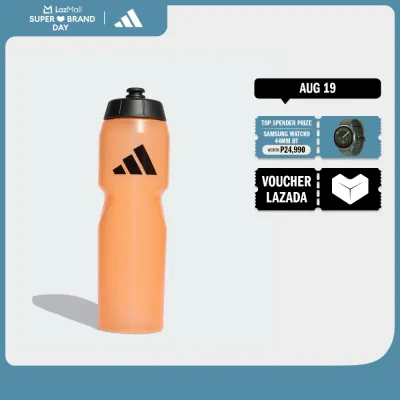
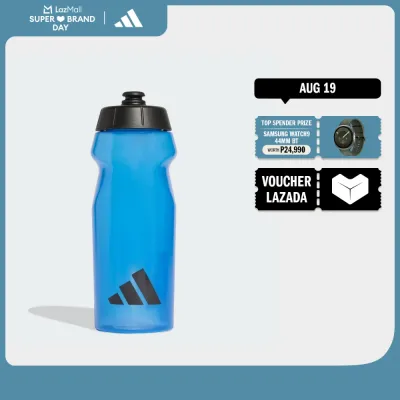
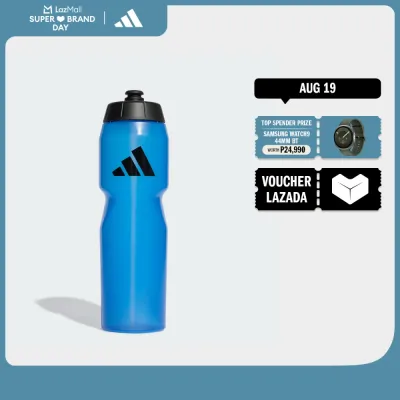
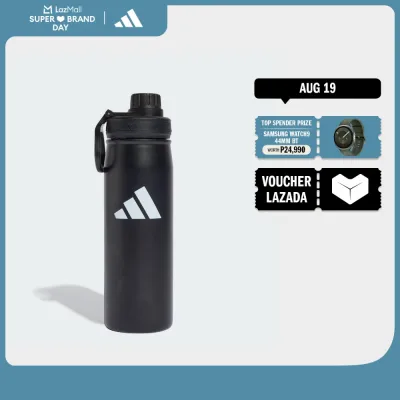
Prices are valid at publication and may change. Please refer to the product page for the latest price.
Finally, consider the temperature of your environment. Outdoor activities under direct sunlight require reliable thermal protection to keep your water refreshing, whereas air-conditioned indoor spaces are much more forgiving. Identifying these environmental factors first prevents the frustration of carrying an inadequate or overly cumbersome bottle.
Key Features to Evaluate on Adidas Bottles
When browsing the available options, the material of the bottle is your first major decision point. Adidas offers bottles made from various materials, primarily divided into stainless steel and BPA-free plastics. Stainless steel models provide notable durability and can withstand accidental drops on concrete, but they carry noticeable weight even when empty. Plastic models, on the other hand, are incredibly lightweight and flexible, making them excellent for fast-paced movement, though they lack the structural rigidity of metal.

Lid mechanisms are equally important and should be chosen based on how much attention you can spare while drinking. Screw caps offer a secure seal against leaks but require two hands to open, which can interrupt your momentum. Flip-top lids and straw mechanisms allow for quick, one-handed operation, making them ideal when you need a fast sip without stopping your activity, though they require more thorough cleaning to keep the seals hygienic.
You should also look for practical design details that improve daily usability. Capacity markings on the side of translucent plastic bottles help you track your exact fluid intake throughout the day. Ergonomic contours, textured outer sleeves, and wide-mouth openings are also valuable features, as they make the bottle easier to hold with sweaty hands and simpler to fill with ice or clean after use.
Matching the Adidas Bottle to Your Specific Scenario
To find a suitable match, you must align these physical features with the specific demands of your daily activities. Different routines require different trade-offs between weight, insulation, and ease of access.
For Gym and Strength Training
Stationary indoor workouts allow you to prioritize volume over extreme portability. When you are lifting weights or using stationary machines, you do not have to carry your bottle continuously, meaning a larger capacity is highly beneficial. Opting for a larger volume ensures you can complete a grueling session without constantly interrupting your sets to find a water fountain.
A wide-mouth design is particularly advantageous for gym environments. It allows you to drop in large ice cubes easily, keeping your water chilled even in gyms that rely on wall fans rather than central air conditioning. Additionally, a wider opening makes it much easier to pour in pre-workout powders or recovery supplements without spilling them over the sides.
When selecting a bottle for the gym, pay close attention to the base stability and diameter. The bottle should have a flat, wide base that prevents it from tipping over when placed on rubberized gym mats or the narrow shelves of exercise equipment. A sturdy plastic or steel bottle with a slip-resistant bottom will survive the occasional knock from a stray dumbbell or foot.
For Running and Outdoor Cardio
For runners and outdoor enthusiasts, every gram of weight matters when you are covering long distances. Heavy metal bottles are generally impractical for running, as the constant bouncing can cause fatigue and discomfort. Instead, lightweight, squeezable plastic bottles are a highly practical choice, allowing you to carry essential fluids without adding unnecessary bulk to your running belt or handheld carrier.
Leak prevention is non-negotiable when your bottle is bouncing inside a running vest, backpack, or waist pack. Look for models featuring secure, lockable flip-tops or pull-spouts that seal tightly under pressure. A reliable locking mechanism ensures that your sports drink does not spill over your dry clothes or clean gear while you navigate your route.
Grip security is another vital consideration when your hands are slick with sweat. Bottles designed with ergonomic finger grooves, textured surfaces, or integrated hand straps allow you to maintain a secure hold without tensing your forearm muscles. This allows for a more relaxed running form and reduces the risk of dropping your bottle on hard asphalt.
For Daily Use and Commuting
For daily commuting, office work, or running errands, temperature maintenance becomes a top priority. Double-walled, vacuum-insulated stainless steel bottles are well-suited for these scenarios, as they can keep your water cold for hours despite the tropical heat outside. This insulation ensures that your beverage remains refreshing from your morning commute on the LRT or jeepney all the way through your afternoon meetings.
Another major benefit of insulated steel is the prevention of external condensation. Standard single-walled bottles will “sweat” heavily in humid conditions, leaving puddles on your desk and dampening electronics, notebooks, or documents inside your backpack. A high-quality insulated bottle keeps all moisture locked inside, protecting your valuable belongings from water damage.
Finally, verify that the bottle’s physical dimensions are compatible with your daily infrastructure. The bottle should easily slide into standard vehicle cup holders or the elastic side pockets of your daily backpack. Choosing a bottle that fits these spaces prevents it from rolling around on the floor of your car or falling out during a busy commute.
Care, Cleaning, and Material Verification
To keep your bottle hygienic and free from bacteria, you must follow the manufacturer’s specific care instructions. While some plastic bottles are labeled as dishwasher safe, high-heat drying cycles in modern dishwashers can warp plastic shapes and degrade silicone seals over time. If you prefer using a dishwasher, always place plastic components on the top rack and verify the maximum temperature limits printed on the packaging.
Manual cleaning is often the safest and most effective method, especially for bottles with complex lid designs. Investing in a dedicated bottle brush helps you reach the bottom of narrow-necked models, while smaller detail brushes are essential for cleaning inside straws, flip-top spouts, and removable rubber gaskets. Regularly removing and scrubbing these silicone seals prevents black mold from developing in hidden crevices.
Before purchasing or using a new bottle, always verify the material safety claims directly on the product label or official retail listing. Look for explicit “BPA-free” markings to ensure that no harmful chemicals will leach into your water, especially if the bottle is exposed to warm temperatures. Checking these official specifications directly guarantees that you are using a product that meets modern safety standards.
Frequently Asked Questions (FAQ)
Can I put hot drinks in an Adidas plastic bottle?
You should never assume a plastic bottle can handle hot liquids without checking its specific thermal rating first. Many sports bottles are designed strictly for cold or room-temperature beverages, and pouring boiling water into them can cause the plastic to warp, crack, or release unpleasant chemical odors. Always inspect the physical label on the bottom of the bottle or consult the official product page to verify the maximum safe temperature before filling it with hot tea or coffee.
How do I remove odors from a gym bottle?
To eliminate stubborn odors from protein shakes or sports drinks, wash the bottle thoroughly using mild, non-abrasive dish soap and a soft sponge. Avoid using harsh chemical bleach or abrasive scouring pads, which can scratch the interior plastic or steel and create tiny crevices where bacteria can thrive. After washing, separate all lid components, straws, and silicone rings, and allow them to air-dry completely in a well-ventilated area before reassembling the bottle.
Community discussion
Share your experience or ask a question. Comments are reviewed before publication.