
Choosing the right bicycle bike for adult riders depends entirely on where you plan to ride, how far you intend to travel, and where you will store the equipment. Instead of buying a bike based solely on appearance, matching the design features to your daily routine ensures a comfortable, safe, and sustainable riding experience. By analyzing your local terrain, physical comfort preferences, and storage limitations, you can narrow down the options to a category that supports your specific goals.
Diagnose Your Riding Environment and Daily Goals
Before looking at specific models, map out the exact surfaces you will encounter on a typical ride. If your route consists of smooth, well-paved highways or dedicated bike lanes, your requirements will differ vastly from someone navigating broken asphalt, gravel paths, or muddy dirt trails. In tropical environments like the Philippines, sudden downpours can quickly turn dry roads into slick, debris-filled paths, making tire grip and braking systems critical considerations.
Next, define your typical distance, speed expectations, and how often you plan to ride. A daily commute of ten kilometers requires a different level of efficiency and comfort than a casual weekend ride around a local park. If speed and long-distance endurance are your primary goals, you will need a design that minimizes rolling resistance and aerodynamic drag. Conversely, if you prioritize leisurely fitness or running errands, a relaxed posture and utility features become far more valuable.
Products mentioned in this guide
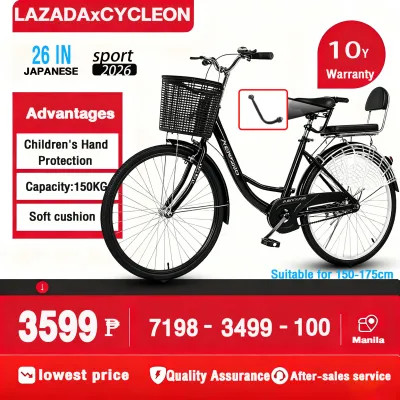
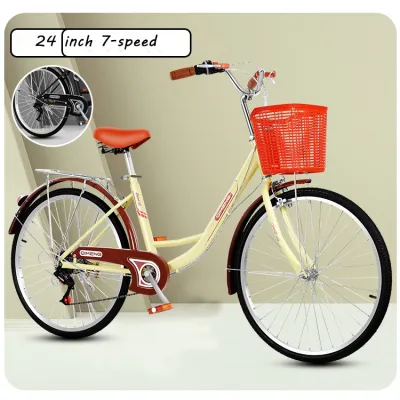
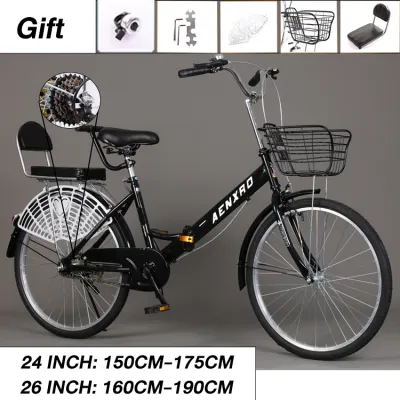
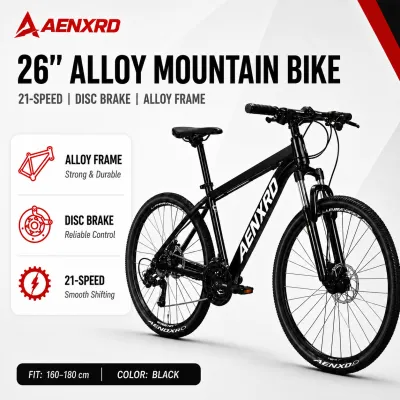
Prices are valid at publication and may change. Please refer to the product page for the latest price.
Finally, assess the logistical constraints of your daily life. Consider where you will store the bicycle when it is not in use, especially if you live in a high-rise condominium or a shared apartment with limited floor space. If your commute involves carrying the bike up tight stairwells, fitting it into a crowded elevator, or boarding public transit, the physical size and weight of the frame must be manageable. Neglecting these practical storage and transport factors often leads to a bicycle sitting unused, regardless of how well it performs on the road.
Match Your Diagnosis to the Main Bicycle Categories
Once you understand your environment and constraints, you can evaluate how the main bicycle categories align with your needs. Each category features distinct design choices in frame geometry, tire width, and suspension that optimize it for specific riding conditions.

Road bikes are engineered for high-speed, long-distance travel on paved surfaces. They feature lightweight frames, narrow tires with minimal tread to reduce rolling resistance, and drop handlebars that encourage an aerodynamic, forward-leaning posture. While highly efficient on smooth asphalt, road bikes offer very little shock absorption, making them uncomfortable on rough roads or gravel. The aggressive riding position also requires a degree of core strength and flexibility, which may not suit casual riders or those seeking a relaxed commute.
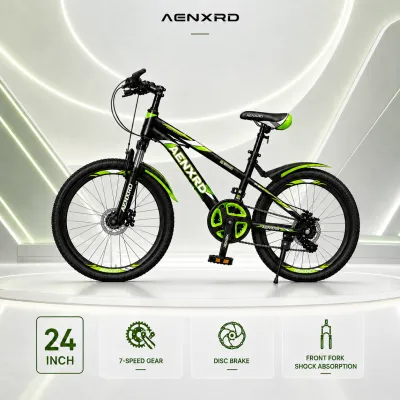
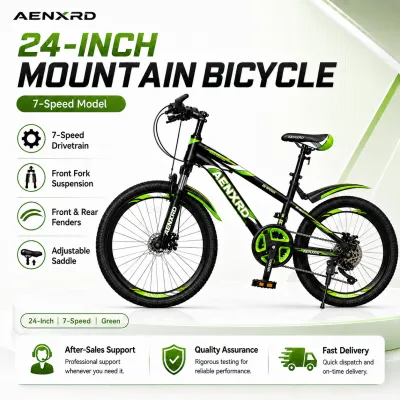
Mountain bikes (MTBs) are built to handle rough off-road trails, steep dirt paths, and uneven terrain. They are characterized by wide, knobby tires that provide traction on loose surfaces, robust frames, and suspension systems designed to absorb heavy impacts. While these features make mountain bikes highly durable and capable of handling potholes or unpaved roads, they are significantly heavier and slower on flat pavement. The wide tires and suspension absorb a portion of your pedaling energy, requiring more effort to maintain speed on smooth city streets.
Hybrid and city bikes combine elements of both road and mountain designs to offer a versatile middle ground. They typically feature an upright frame geometry that reduces strain on your back and neck, providing excellent visibility in urban traffic. With medium-width tires that offer a balance of speed and stability, these bikes handle minor road imperfections easily. Many city models also come equipped with practical mounting points for fenders, cargo racks, and baskets, making them highly suitable for daily commuting, grocery runs, and casual fitness.
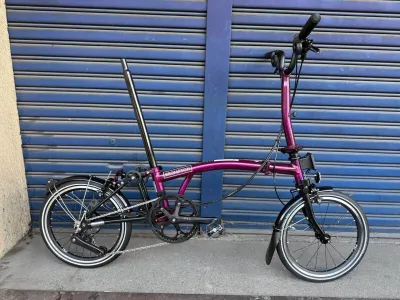
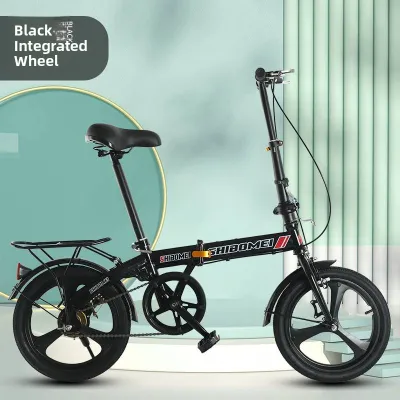
Folding bikes prioritize portability and compact storage above all else. Featuring smaller wheels and a hinged frame, these bikes can fold down in seconds to fit inside a car trunk, under an office desk, or on public transportation. This makes them an excellent option for multi-modal commuters who combine cycling with train or bus rides. However, the smaller wheel size means they do not roll over obstacles as smoothly as full-sized bikes, and they generally require more effort to maintain high speeds over long distances.
Verify Fit, Geometry, and Essential Specifications
Selecting the right category is only the first step; you must also ensure the physical bicycle fits your body and matches your comfort requirements. Riding an improperly sized bike can lead to joint strain, muscle fatigue, and poor handling, which compromises your safety on the road.
To find the correct size, cross-reference your height and inseam measurement with the specific manufacturer’s size charts. Avoid relying on generic labels like small, medium, or large, as sizing standards vary significantly between different brands and frame styles. If possible, stand over the frame to verify there is adequate clearance between your body and the top tube, which prevents injury during sudden stops.
Compare the frame geometries of your shortlisted options to ensure the riding posture matches your physical flexibility. An aggressive geometry with a low handlebar position is excellent for speed but can cause discomfort in the lower back and neck during long rides. An endurance or upright geometry positions the handlebars higher and closer to the saddle, distributing your weight more evenly and allowing for a more relaxed, comfortable ride.
Additionally, identify the mandatory factory specifications or add-ons required for your intended use. If you plan to commute in wet tropical weather, look for frames with eyelets for full-coverage mudguards to keep road spray off your clothes. For carrying groceries or work gear, ensure the frame can support a sturdy rear cargo rack. If your route includes steep hills, verify that the gear range is wide enough to allow comfortable climbing without straining your knees.
Plan Your Budget and Purchase Strategy
A successful bicycle purchase requires looking beyond the initial price tag of the bike itself to account for the total cost of ownership. Setting a realistic budget ensures you have the necessary funds for essential safety gear and ongoing maintenance.
When planning your budget in ₱, allocate a portion of your funds for mandatory safety and maintenance accessories. A high-quality helmet is non-negotiable for head protection, while front and rear lights are essential for visibility during evening rides or sudden tropical downpours. You should also invest in a reliable lock to secure your bike, a floor pump to maintain proper tire pressure, and a basic multi-tool for minor adjustments.
Next, decide on your purchasing channel by weighing the benefits of local specialized bike shops against general online marketplaces. Local bike shops offer the invaluable advantage of professional assembly, personalized fitting advice, and immediate warranty support. Because a bicycle is a mechanical vehicle with moving parts, having a professional assemble and tune the gears and brakes is critical for safety. Online marketplaces may offer convenience, but they often deliver bikes partially assembled in a box, requiring you to perform the final setup or pay a local mechanic to do it.
Before finalizing your purchase, verify the retailer’s return policies, the availability of compatible spare parts, and the terms of their after-sales service. Choosing a brand with a strong local presence ensures you can easily source replacement tubes, brake pads, and cables when they wear out. Establishing a relationship with a reputable local shop also provides you with a reliable place for regular tune-ups, keeping your bicycle running smoothly and safely for years to come.
Frequently Asked Questions (FAQ)
Can I use a mountain bike for daily city commuting?
Yes, you can use a mountain bike for daily city commuting, especially if your route involves rough roads, potholes, or gravel. However, the wide, knobby tires create significant rolling resistance, making your ride slower and more tiring on smooth pavement. To improve efficiency, you can swap the knobby off-road tires for smoother, narrower slick or semi-slick tires designed for urban use. This modification reduces rolling resistance and weight, allowing you to enjoy the durability and suspension of a mountain bike frame without sacrificing too much speed on city streets.
How do I know if a folding bike is durable enough for daily use?
To evaluate the durability of a folding bike for daily commuting, focus on the quality of its structural components rather than marketing claims. Inspect the hinge locking mechanisms on the frame and handlebar stem; they should feel solid, lock securely without play, and feature secondary safety latches to prevent accidental opening. Check the frame material, looking for robust aluminum or steel construction with clean, consistent welds. Finally, always verify the manufacturer’s stated maximum weight limit to ensure the bike can safely support your body weight and any cargo you plan to carry.
Community discussion
Share your experience or ask a question. Comments are reviewed before publication.