
Choosing the right ankle cuff is not a matter of finding a single, universal design that fits every athletic pursuit. Instead, the ideal support depends entirely on the unique biomechanical demands of your chosen sport. For basketball players, the primary need is maximum lateral stability to prevent rolling during sharp cuts and high-impact landings. For runners, the priority shifts to lightweight, breathable compression that manages swelling and repetitive impact without altering natural gait. For volleyball players, the sweet spot lies in a balance between vertical impact protection and rapid, multi-directional court mobility. Understanding these distinct requirements is the first step toward protecting your joints and maintaining peak performance on the court, track, or field.
How Different Sports Stress Your Ankles
Anatomically, your ankle is a complex hinge joint designed to handle substantial loads, but different sports subject this structure to wildly divergent forces. In basketball, the ankle is constantly exposed to extreme lateral shear forces. When you make a sudden crossover dribble, drive to the basket, or land from a rebound, your foot must absorb rapid changes in direction. The most common mechanism of injury in this environment is an inversion sprain, which often occurs when a player lands awkwardly on an opponent’s foot, forcing the ankle joint to roll outward. These high-velocity, unpredictable movements require robust external stabilization to keep the joint within its safe range of motion.
Running presents an entirely different set of physical demands, characterized by repetitive linear impact rather than sudden lateral shifts. With every stride, your feet hit the ground with a force equivalent to several times your body weight. Over long distances, this constant, rhythmic pounding can lead to micro-trauma, localized inflammation, and fluid accumulation, commonly known as edema. Runners do not typically require heavy lateral bracing, which can actually do more harm than good by forcing the body to compensate at the knees or hips. Instead, the focus is on managing mild tendon strain, supporting the plantar fascia, and promoting circulation to keep swelling at bay during long-distance training sessions.
Products mentioned in this guide
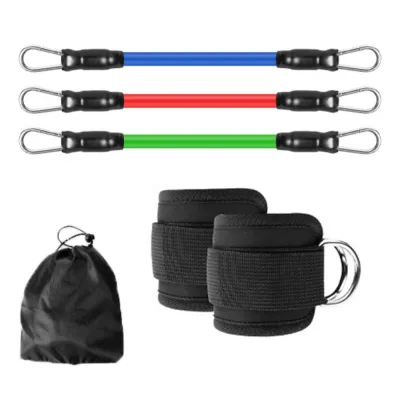
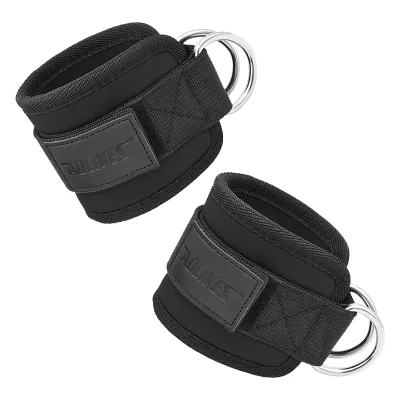
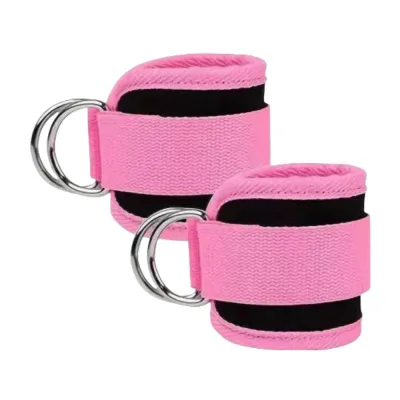
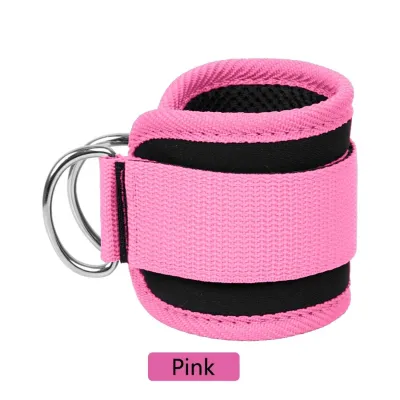
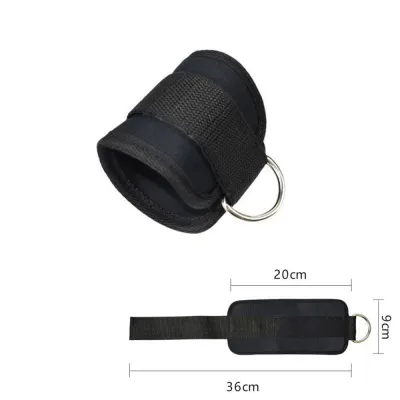
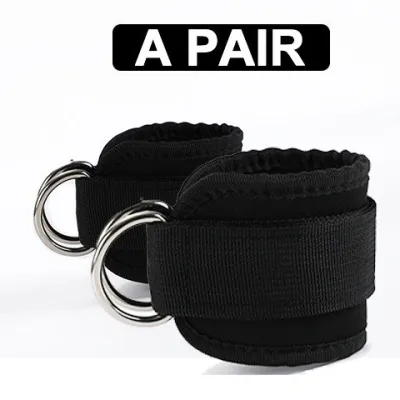
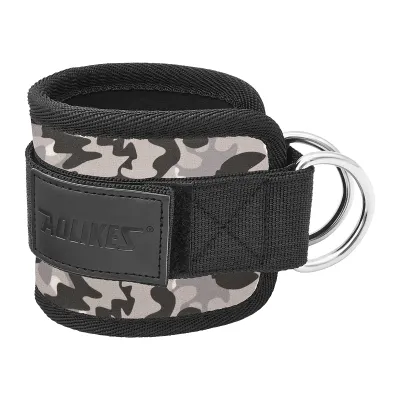
Prices are valid at publication and may change. Please refer to the product page for the latest price.
Volleyball combines elements of both vertical and lateral stress, requiring explosive vertical jumps followed by rapid, often off-balance landings. When a player jumps to block or spike, the ankle joint undergoes rapid plantar flexion and dorsiflexion. Landing safely on a hard court surface requires excellent shock absorption and joint alignment. Furthermore, volleyball involves constant lateral shuffling, diving, and quick recovery steps, meaning the ankle must remain highly mobile yet protected against sudden rolls. A brace that is too rigid will hinder a volleyball player’s ability to explode off the floor, while a brace that is too loose will fail to protect them during a chaotic scramble near the net.
An ankle cuff serves as a valuable tool in managing these stresses by providing external mechanical support, targeted compression, or enhanced proprioceptive feedback—the body’s subconscious awareness of joint positioning. However, it is crucial to understand that wearing an ankle cuff is not a substitute for a professional medical diagnosis, structured physical rehabilitation, or foundational strength and balance training. Relying solely on a brace to mask weakness can lead to long-term joint instability. If you are experiencing severe pain, an inability to bear weight, or visible joint deformity, you must immediately stop playing and seek a professional medical evaluation rather than attempting to play through the injury with a brace.
Matching Ankle Cuff Types to Your Sport
To select the correct ankle support, you must match the physical design of the cuff to the specific movement patterns of your activity. Ankle cuffs generally fall into four categories: compression sleeves, adjustable wraps, lace-up braces, and rigid or hinged orthoses. Each design offers a different trade-off between mechanical restriction and freedom of movement.

Basketball: High-Impact Jumps and Lateral Cuts
Because basketball involves some of the most chaotic and high-impact movements in all of sports, the level of support required is exceptionally high. Inversion sprains are incredibly common in basketball, particularly when contesting rebounds or executing quick lateral defensive slides. To mitigate this risk, basketball players should look toward lace-up braces or rigid, hinged ankle cuffs equipped with lateral plastic or metal stays. These structures physically restrict the lateral “rolling” motion of the ankle while still allowing the necessary up-and-down movement required for running and jumping.
When choosing a heavy-duty brace for basketball, shoe compatibility is a critical factor that many athletes overlook. High-top and mid-top basketball shoes are designed to wrap tightly around the ankle, meaning a bulky, rigid brace can drastically alter the interior volume of the shoe. Before committing to a specific cuff, you must check how it fits inside your game shoes. If the brace forces your foot upward or outward, it can compromise the shoe’s heel lockdown, leading to heel slippage, severe blisters, or even altered biomechanics that increase your risk of injury elsewhere. Look for low-profile lace-up designs that offer high tensile strength without excessive bulk.
Running: Repetitive Strain and Lightweight Support
For runners, the primary goal of an ankle support is to facilitate natural movement while managing the wear and tear of repetitive linear impact. Because running is a highly repetitive, single-plane activity, using a rigid, heavy-duty basketball brace is highly counterproductive. Such braces add unnecessary weight, which increases the energy cost of running, and severely restrict natural dorsiflexion—the upward bending of the foot toward the shin. Restricting this motion forces your body to find flexibility elsewhere, often leading to compensatory strain in the Achilles tendon, calf muscles, knees, or even the hips.
Instead, runners are far better served by lightweight compression sleeves or flexible figure-eight wrap styles. A high-quality compression sleeve provides gentle, even pressure across the entire joint, which helps stimulate blood flow, reduce muscle vibration, and manage localized swelling during and after long runs. If you suffer from specific issues like mild plantar fasciitis or Achilles tendinitis, an adjustable figure-eight strap can provide targeted tension to relieve pressure on these specific tissues without locking down the entire joint. Look for ultra-thin, highly breathable fabrics that fit seamlessly inside tight-fitting running shoes without altering your natural stride.
Volleyball: Explosive Landings and Court Mobility
Volleyball players operate in a high-speed environment that demands a delicate balance between maximum lateral protection and unhindered vertical mobility. Unlike basketball players who often wear high-top shoes, volleyball players typically prefer low-cut court shoes to maximize agility and floor contact. This means the ankle brace must provide substantial structural support independently of the shoe’s collar. The primary injury risk in volleyball occurs during net play, where players frequently land on an opponent’s or teammate’s foot after a block or attack.
To address these risks without sacrificing the explosive power needed to jump, volleyball players should opt for active-hinge braces or low-profile, reinforced lace-up cuffs. An active-hinge design features rigid lateral guards connected by a mechanical hinge at the ankle bone, allowing completely free up-and-down movement (plantar flexion and dorsiflexion) while physically blocking any side-to-side rolling (inversion and eversion). This ensures you can point your toes to jump and dive without restriction while remaining protected during chaotic landings. Additionally, ensure the exterior material of the brace is smooth and durable to prevent friction burns or snags when diving for balls on the hardwood court.
Fit, Comfort, and Shoe Compatibility Checks
Once you have identified the correct type of ankle cuff for your sport, the next step is ensuring the specific model fits your body and gear correctly. A poorly fitting ankle brace is not only uncomfortable but can also actively increase your risk of injury by altering your movement patterns or restricting healthy blood circulation.
- Shoe Compatibility: Always test your new ankle cuff inside the exact pair of shoes you plan to wear during athletic activity. Do not assume that a brace will fit comfortably just because it matches your sock size. If a brace is too bulky, it may stretch out your sports shoes or force you to wear them loosely, which compromises the overall stability of your footwear. If you find that a highly supportive brace requires you to buy shoes that are a half-size larger, make sure the shoe still locks your heel down securely to prevent secondary issues like plantar fascia strain.
- Material and Climate: For athletes training in hot, humid tropical environments like the Philippines, material selection is paramount. High humidity and heavy sweating can quickly turn a thick, non-breathable neoprene brace into a hotbed for moisture accumulation. This excess moisture can cause the brace to slip out of position during intense play, reducing its effectiveness. Furthermore, trapped sweat can lead to skin maceration, chafing, and painful blisters. Look for advanced synthetic blends, such as moisture-wicking nylon, spandex, or perforated neoprene, which draw sweat away from the skin and dry rapidly. Anti-slip silicone grips along the inner cuffs are also highly beneficial for keeping the support locked in place.
- Adjustability and Circulation: A proper ankle cuff should feel snug, reassuring, and supportive, but it must never act as a tourniquet. When fitting a lace-up or strap-based brace, tighten it systematically from the bottom up. Once secured, perform a quick circulation check: look for any signs of numbness, a pins-and-needles sensation, coldness in your toes, or discoloration of the skin. If you experience any of these symptoms, loosen the straps immediately. The brace should restrict excessive joint movement, not healthy blood flow.
- Safety Boundary: Remember that sports gear should support your body, not cause additional physical distress. If using a specific ankle cuff leads to skin breakdown, raw chafing, nerve compression symptoms, or an increase in joint pain during or after play, stop using it immediately. Do not attempt to "break in" a brace that causes physical pain. Instead, consult a physical therapist, athletic trainer, or sports medicine professional to identify the underlying cause of your discomfort and find a more suitable alternative.
Can You Use the Same Ankle Cuff for Multiple Sports?
Many multi-sport athletes wonder if they can purchase a single, universal ankle cuff to use across all of their physical activities. While the idea of a “one-size-fits-all” solution is appealing from a convenience and budget perspective, the reality of athletic movement makes this approach highly problematic. A basic, highly flexible compression sleeve might perform adequately for a light morning jog, a casual gym workout, or a round of golf, but it will fail to provide the structural reinforcement required to protect your joints during a highly competitive game of basketball or volleyball.
Conversely, if you attempt to wear a highly rigid, hinged basketball brace during a long-distance run, you will quickly find your stride restricted, your energy depleted, and your lower legs aching from compensatory strain. The mechanical designs required for high-impact court sports and repetitive linear sports are fundamentally at odds with one another. While an adjustable, figure-eight elastic wrap offers a small degree of versatility by allowing you to customize the tension, it still cannot match the structural protection of a dedicated hinged brace or the lightweight breathability of a pure compression sleeve.
If you participate in multiple sports with vastly different movement profiles, the safest and most effective approach is to invest in sport-specific gear. However, if budget constraints limit you to a single purchase, you should always prioritize the safety demands of your highest-risk, most intense activity. If you play competitive basketball once a week and jog twice a week, buy the high-quality lace-up or hinged brace for your basketball games, and choose to run without a brace, relying instead on proper running shoes and targeted ankle-strengthening exercises to keep your joints healthy.
Frequently Asked Questions (FAQ)
Should I wear an ankle cuff on both ankles or just the injured one?
In most scenarios, athletes wear an ankle cuff strictly on the ankle that has a history of injury or feels unstable, providing targeted mechanical support where it is needed most. However, some athletes choose to wear braces on both ankles—known as bilateral bracing—for symmetrical proprioceptive feedback or to boost their psychological confidence on the court. It is important to note that adding a brace to an uninjured, healthy ankle can slightly alter your natural biomechanics and gait patterns. If you are unsure whether bilateral support is appropriate for your body, it is highly recommended to seek the personalized guidance of a sports physiotherapist who can evaluate your specific movement patterns and injury history.
Do ankle cuffs weaken your ankle muscles over time?
A common concern among athletes is that relying on an ankle cuff will cause the surrounding muscles, tendons, and ligaments to become lazy and eventually atrophy. While a highly rigid brace does take over a portion of the mechanical load during active play, scientific consensus indicates that wearing a brace during sports does not inherently cause muscle weakness, provided you are otherwise active. The brace is only worn for a few hours during intense activity, leaving plenty of time for the muscles to work naturally throughout the day. To prevent any potential dependency, you should always view an ankle cuff as a temporary supplement to, rather than a replacement for, an active rehabilitation program. Incorporating daily balance exercises, calf raises, and resistance-band work is essential for building long-term, natural joint stability.
Community discussion
Share your experience or ask a question. Comments are reviewed before publication.