
Choosing the right Aonijie running belt requires matching your typical running distance with the belt’s storage volume, structural stability, and hydration capacity. Because a short 5-kilometer recovery run demands vastly different gear than a grueling 50-kilometer mountain ultra, a one-size-fits-all approach to waist packs inevitably leads to bouncing, chafing, or insufficient storage. By analyzing how different structural designs distribute weight and manage sweat, you can select a model that sits securely on your hips without disrupting your stride.
For runners in the Philippines, selecting gear involves additional environmental considerations. High humidity and intense tropical heat mean you will likely sweat heavily, making moisture-wicking properties and quick-drying fabrics essential. Furthermore, sudden monsoon downpours require a clear understanding of how to protect your electronic devices within your belt. Understanding these variables before making a purchase ensures your gear supports your training rather than becoming a distraction on the road or trail.
Quick Guide: Matching Belt Styles to Your Running Distance
To find the most functional running belt, it helps to categorize your runs by distance and the specific gear required for each. Short daily runs focus on speed and minimalism, requiring only hands-free storage for basic essentials. As distances increase to half or full marathons, hydration and nutrition management become paramount, requiring structured support for soft flasks and multiple energy gels. Trail and ultra-running demand the highest capacity, where belts must accommodate safety gear, extra fluids, and trekking poles over unpredictable terrain.
Products mentioned in this guide
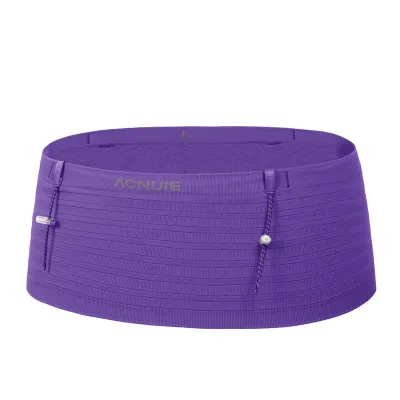
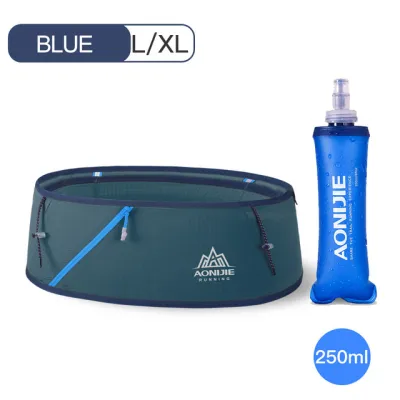
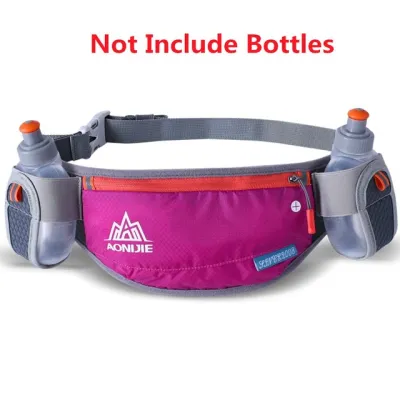
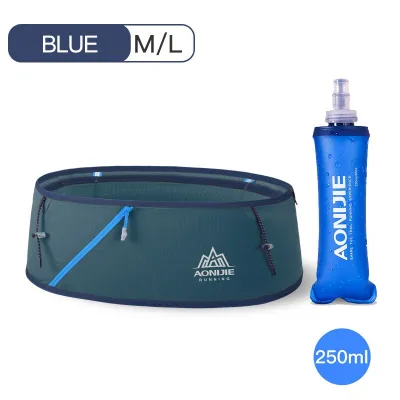
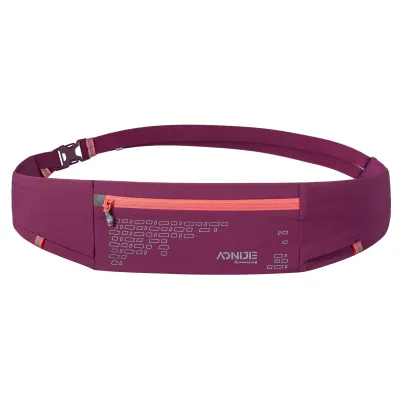
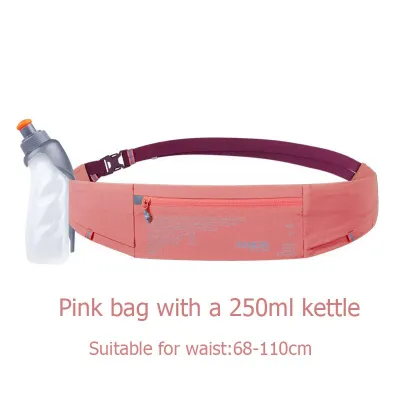
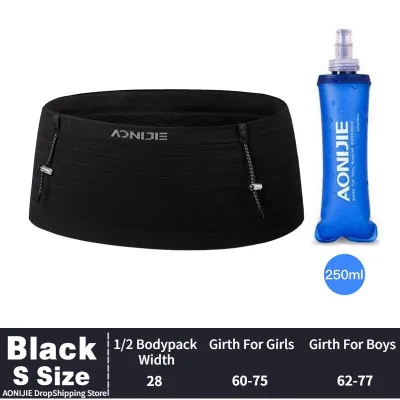
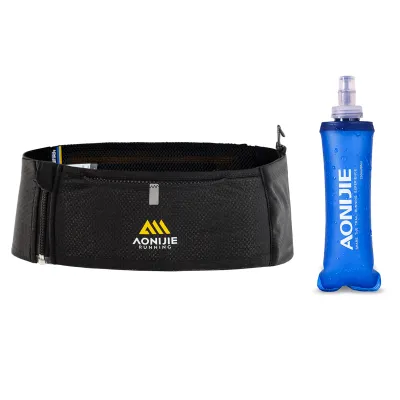
Prices are valid at publication and may change. Please refer to the product page for the latest price.
Different distances correspond directly to specific belt architectures. Seamless tube belts provide a snug, uniform fit that excels during short, high-tempo efforts. Multi-pocket zippered belts and dedicated hydration designs offer reinforced structures to carry heavier, shifting loads without sagging. High-capacity trail belts feature rugged fabrics, specialized attachment loops, and compression systems designed to handle the physical demands of off-road running.
| Distance Category | Typical Gear Needed | Recommended Belt Style | Key Features to Verify |
|---|---|---|---|
| Short Runs (5K–10K) | Smartphone, house key, single card, 1 energy gel | Seamless tube belt or single-pouch stretch belt | High spandex content, internal key clip, flat seams |
| Long Runs (15K–42K) | Large phone, 2–6 gels, salt tablets, 1–2 soft flasks (150ml–250ml) | Multi-pocket zippered belt or dual-flask hydration belt | Segmented pockets, elastic gel loops, balanced weight distribution |
| Trail & Ultra Runs (42K+) | Lightweight windbreaker, headlamp, flasks (250ml–500ml), trekking poles | High-capacity trail belt with pole attachments | Silicone anti-slip print, reinforced seams, toggle cords, buckle closure |
Because specific model numbers and product lines update frequently across online marketplaces, focus on the underlying structural design and verified material specifications rather than relying solely on a model name. Aonijie offers several variations of these core styles, but analyzing the pocket configurations, fabric weight, and closure systems will always reveal which category a specific model fits.
Short Runs (5K–10K): Minimalist and Tube-Style Belts
Short, fast runs demand a lightweight, low-profile storage solution that disappears against your body. When running a quick 5K or 10K, carrying heavy bottles or excess gear is unnecessary and can ruin your running form. The goal is to secure your absolute essentials—a smartphone, a house key, and perhaps an ID card or a single energy gel—with zero movement or distraction.

For these shorter distances, seamless tube-style belts are highly effective. These belts are designed as a continuous band of high-stretch fabric that you pull up over your hips. Because they lack buckles, zippers, or plastic clips, they distribute pressure evenly around your entire waist, eliminating the localized pressure points that cause chafing. The continuous pocket design allows you to slide items in at any point around the band, keeping them pressed flat against your body to prevent the pendulum effect that causes loose items to bounce.
Before purchasing, always verify the maximum phone dimensions listed in the manufacturer’s specifications. Modern smartphones, especially those with rugged protective cases, can exceed 165 millimeters in length. Ensure the flat pocket width of the belt can accommodate your specific phone model without forcing you to stretch the fabric to its absolute limit, which can strain the seams and make retrieving the phone mid-run incredibly difficult.
Sweat management is a critical comfort factor when running in the tropical heat of the Philippines. Look for belts made from moisture-wicking nylon-spandex blends that draw sweat away from your skin. High breathability prevents sweat from pooling beneath the band, which can cause severe skin irritation, heat rashes, and chafing during humid morning runs along routes like UP Diliman or BGC.
Additionally, pay close attention to internal organization. A high-quality minimalist belt should feature a dedicated internal key loop or a separate, smaller compartment. Keeping your keys isolated prevents them from bouncing against your smartphone screen, protecting your electronics from scratches and preventing the metal from wearing holes through the elastic fabric of the belt.
Long Runs and Marathons: Multi-Pocket and Hydration Designs
Transitioning to half-marathons and full marathons introduces complex nutritional and hydration requirements. Over two to four hours of continuous running, your body requires a steady intake of carbohydrates and electrolytes. This means your running belt must carry multiple energy gels, salt tablets, a large smartphone, and at least one or two soft flasks filled with water or electrolyte sports drinks.
To manage this increased weight, look for multi-pocket designs featuring dedicated zippered compartments and external elastic loops. Segmented storage keeps your gear organized so you do not accidentally pull out your car keys or salt tablets while reaching for an energy gel. External gel loops are particularly useful during road races, allowing you to slide gels out quickly without needing to fumble with zippers while maintaining your marathon pace.
Proper weight distribution is the key to carrying heavier items comfortably over long distances. Pack your heaviest items, such as your smartphone and filled soft flasks, as close to your body’s center of gravity as possible—typically flat against your lower back or the center of your abdomen. Balancing the load evenly between the front and back of the belt prevents the pack from sagging on one side, rotating around your waist, or riding up toward your stomach.
Accessible pocket placement is essential for maintaining a smooth running stride. You should be able to reach your hydration flasks and nutrition effortlessly without stopping or breaking your form. Many marathon-specific Aonijie belts utilize angled bottle holsters or horizontal rear pockets designed for soft flasks, allowing you to slide the flasks out, take a drink, and secure them back in place with one hand.
Finally, verify the durability of the hardware and the overall weight capacity of the belt before committing to a long-distance training cycle. Carrying multiple filled flasks puts significant stress on the seams and zipper tracks. Look for models that utilize reinforced stitching at high-stress tension points and reliable, corrosion-resistant zippers that will not seize up or slip open under the constant bouncing motion of a long road run.
Trail Running and Ultra Distances: High-Capacity and Rugged Options
Trail running and ultra-marathons present a unique set of challenges that require specialized, rugged gear. When heading into remote areas, such as the trails of Rizal or Benguet, you must carry more than just basic hydration and nutrition. You need to accommodate a lightweight windbreaker, a headlamp for early morning or night segments, a basic first-aid kit, and trekking poles for steep climbs.
High-capacity trail belts are designed specifically to handle these heavier loads, often serving as a lightweight alternative to a full running vest on shorter trail loops. These belts are constructed from highly durable, abrasion-resistant fabrics like high-denier nylon to withstand scrapes from trailside brush. They typically feature wide bands to distribute weight over a larger surface area, reinforced buckle closures or dual-clip systems for adjustable tension, and dedicated rear attachment loops with tension cords to secure trekking poles horizontally across your lower back.
Stability is a major concern on technical trails, where steep descents and sudden lateral movements can cause a loaded belt to slide or bounce violently. To combat this, high-quality trail belts feature inner silicone dot patterns or anti-slip grips along the waistband. These silicone elements grip your running shorts or skin, locking the belt securely on your hips even when carrying heavy gear down steep, rocky terrain.
However, it is vital to establish a clear boundary between when a trail belt is sufficient and when a dedicated running vest is necessary. While high-capacity belts are excellent for self-sustained runs of two to three hours, multi-hour ultra-marathons in remote mountain areas typically require a running vest. Vests provide the volume needed to carry mandatory safety gear, larger hydration bladders (1.5 liters or more), and emergency thermal blankets.
Before lining up at a race, always cross-reference your belt’s storage capacity with the mandatory gear list provided by the event organizers. If the race requires a fully waterproof jacket with taped seams, a mobile phone, a whistle, a headlamp, spare batteries, and one liter of water, attempting to pack all of this into a waist belt will overstretch the material, compromise your comfort, and potentially lead to disqualification if the gear does not fit properly.
How to Verify Fit, Anti-Bounce Features, and Material Specs
An improperly fitting running belt will bounce, chafe, and quickly become unusable, regardless of how many pockets it has. To avoid this, you must take precise measurements before purchasing. Do not rely on your standard pants or waist size, as running belts are designed to sit lower on your hips—along the iliac crest—rather than your natural waistline. Sitting the belt on your hips prevents it from riding up into the soft tissue of your stomach, which can cause cramping and restrict your breathing.
Use a flexible tailor’s tape to measure the circumference of your hips at the exact level where you prefer to wear the belt. Once you have this measurement in centimeters, compare it directly to the brand’s model-specific size chart. If your measurement falls directly between two sizes, it is generally best to size down for a snugger, more compressive fit, provided the smaller size does not restrict your breathing or feel uncomfortably tight.
- Spandex and Elastane Content: Look for fabric blends containing 15% to 25% spandex or elastane. This high percentage ensures the belt has excellent stretch recovery, meaning it will snap back to its original shape after being stretched over your gear.
- Nylon and Polyester Base: The remaining fabric should consist of high-quality nylon or polyester, which provides the necessary durability, abrasion resistance, and quick-drying capabilities.
- Silicone Grippers: Check the product specifications for inner silicone printing or anti-slip bands, which are crucial for keeping the belt from sliding upward during high-impact running.
- Adjustable Tension Systems: For belts with buckle closures, look for dual-adjust lateral straps that allow you to tighten the belt on the go as you consume your water and the load lightens.
Once your belt arrives, conduct a simple home test before taking it out on a long run. Load the belt with the exact gear you plan to carry—including your phone, keys, and filled hydration flasks. Put the belt on, position it securely on your hips, and perform a series of high-knees, jumping jacks, and a short jog in place. If the belt immediately shifts upward toward your waist or bounces excessively, the size is likely too large, or the weight is unbalanced.
Be highly cautious about overloading your belt beyond its designed stretch limit. Forcing oversized items into elastic pockets permanently damages the fine elastane fibers, causing the fabric to lose its recovery shape. Once a stretch belt is blown out, it will sag permanently, leading to severe bouncing even when carrying minimal gear. Finally, always check the care label to ensure you wash the materials correctly to preserve their elasticity over time.
Frequently Asked Questions (FAQ)
Can I wash my running belt in a washing machine?
Yes, you can wash your running belt in a washing machine, but you must take specific precautions to protect the elastic fibers and silicone elements. Always place the belt inside a mesh laundry bag to prevent the stretchy fabric from tangling around the machine’s agitator or catching on other garments. Use a gentle or delicate cycle with cold water and a mild liquid detergent.
Never use fabric softeners, as they leave a chemical coating on technical fabrics that clogs the pores, severely reducing the belt’s breathability and moisture-wicking capabilities. Once the wash cycle is complete, hang the belt to air dry in a shaded, well-ventilated area. Never place your running belt in a tumble dryer; the high heat will melt the fine spandex fibers and degrade any internal silicone anti-slip grips, ruining the belt’s elasticity.
How do I stop my running belt from bouncing or riding up?
If your running belt is bouncing or riding up, start by adjusting its physical placement on your body. Lower the belt so it sits firmly across your hips rather than your soft waistline. Next, evaluate how your gear is distributed; ensure heavy items like your phone or soft flasks are placed flat against your lower back or the front center of your hips, rather than off to one side.
If the belt continues to ride up, check the sizing. A belt that is too small will naturally squeeze upward toward the narrowest part of your torso (your waist) as your body moves. Conversely, a belt that is too large will fail to provide enough compression, causing it to slide down your hips and bounce. If you have recently lost weight during your training cycle, you may simply need to transition to a smaller size to regain a secure fit.
Are running belts fully waterproof or just water-resistant?
Most running belts are water-resistant rather than fully waterproof. They are designed to repel light rain, mist, and road spray, and they often feature water-resistant inner linings or TPU coatings to block sweat from penetrating the pockets. However, during heavy tropical downpours, intense monsoon runs, or if you sweat excessively, moisture will eventually seep through the seams, zipper tracks, and needle holes.
To protect sensitive electronics such as modern smartphones, car key fobs, or paper money, never rely solely on the water resistance of the belt. Always place these items inside a small, sealed plastic zip-top bag or a dedicated waterproof sleeve before sliding them into your running belt. This simple precaution ensures your expensive electronics remain completely dry and functional, regardless of the weather or how hard you train.
Community discussion
Share your experience or ask a question. Comments are reviewed before publication.