
Choosing the right water bottle capacity is a balancing act between staying hydrated and staying mobile. While a larger bottle means fewer trips to the water dispenser, it also adds substantial weight to your daily carry. In tropical climates where high heat and humidity make constant hydration a necessity, choosing a bottle that fits your lifestyle ensures you actually bring it with you instead of leaving it behind on your desk or kitchen counter.
To find the right fit, you must evaluate your daily routine, your access to clean drinking water, and the physical spaces where your bottle will travel. Whether you are commuting on public transit, working at a desk, or training in a gym, matching your bottle’s capacity to your environment is the key to consistent hydration.
Assessing Your Daily Hydration Needs
Before looking at bottle sizes, establish a realistic baseline of how much water you actually consume throughout the day. Many people rely on generic online calculators that recommend a standard volume, but individual hydration needs vary significantly. A practical way to track your intake is to use a standard measuring cup or a marked pitcher at home for a few days to see how much liquid you naturally drink.
Products mentioned in this guide
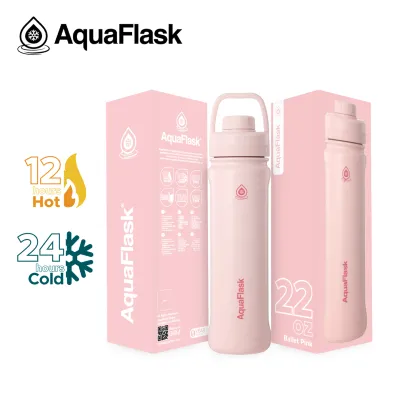
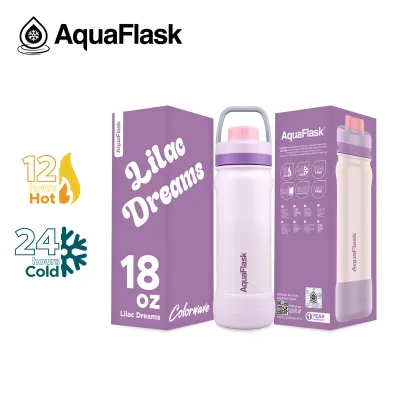
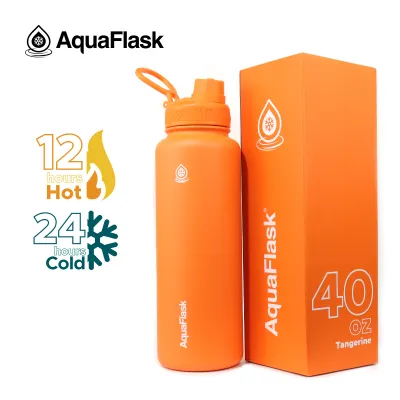
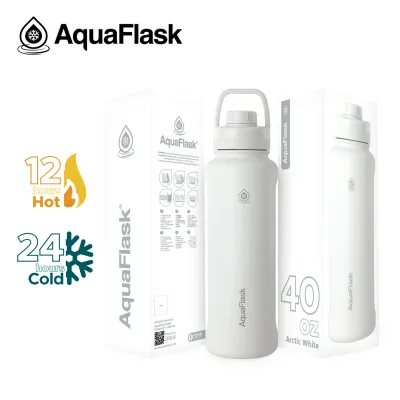
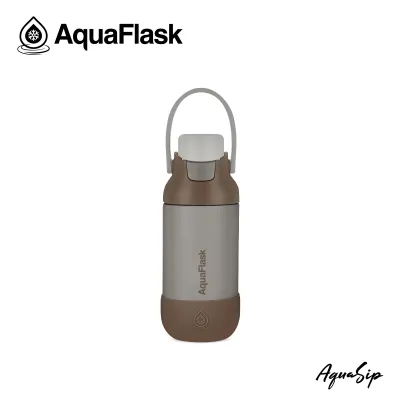
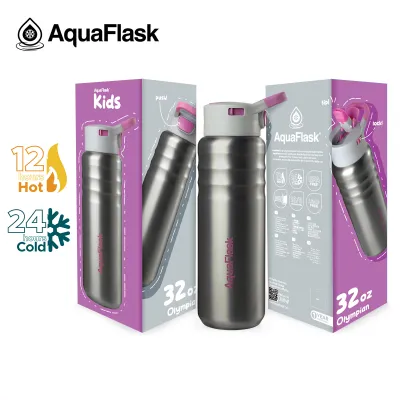
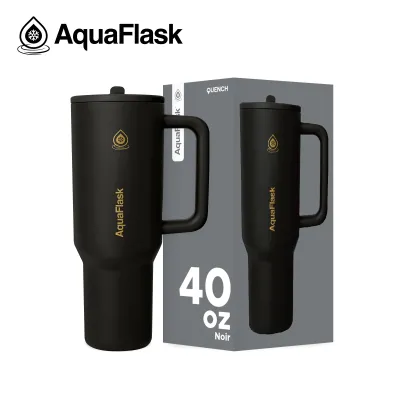
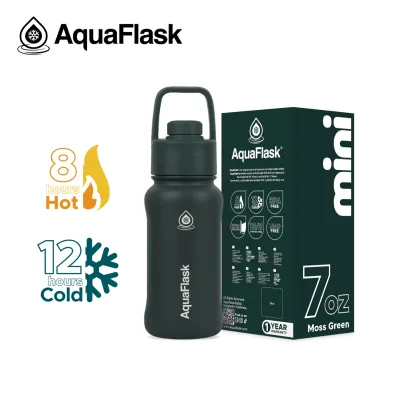
Prices are valid at publication and may change. Please refer to the product page for the latest price.
Next, identify your peak hydration times. You might find that you drink the most water during morning workouts, during long afternoon office hours, or while stuck in traffic during your evening commute. If you have easy access to a water filtration system or a dispenser at your workplace, you can easily get away with a smaller bottle. However, if you spend hours on the road or in areas where clean drinking water is scarce, carrying a larger volume becomes a necessity.
It is also important to factor in your physical environment and activity levels. In warm, humid climates like the Philippines, your body loses moisture more rapidly through sweat, even during low-intensity tasks. If you exercise regularly or work outdoors, your hydration requirements will naturally be higher. For personalized daily intake targets, especially if you have specific health conditions, consulting a healthcare professional is always the safest approach rather than relying on universal internet formulas.
Matching Aquaflask Capacities to Your Routine
Aquaflask offers several standard capacities designed to suit different lifestyles. Understanding how each size performs in real-world scenarios will help you narrow down your choices.

18oz and 22oz for Light Commutes and Quick Errands
The 18oz (approximately 530ml) and 22oz (approximately 650ml) models are the most portable options in the lineup. These sizes are ideal for short trips, quick errands, or brief commutes where you only need a small amount of water to get by. Because of their slim profiles, they slide easily into small tote bags, casual daypacks, and even some larger handbags without adding noticeable bulk.
However, these smaller capacities require more frequent refills if you intend to use them as your primary water source for a full workday or an intense workout. If you do not have convenient access to a water station, you may find these sizes limiting. When choosing these models, check your bag’s side-pocket depth and compartment dimensions to ensure a snug, secure fit that prevents the bottle from tipping over.
26oz and 32oz for All-Day Office and Gym Sessions
The 26oz (approximately 760ml) and 32oz (approximately 950ml) capacities offer a practical balance between volume and portability. These mid-sized bottles are highly popular for desk jobs, standard gym sessions, and moderate daily commutes where refill stations are accessible but not necessarily right next to your seat.
With a 32oz bottle, you carry nearly a liter of water, which significantly reduces the number of trips you need to make to the office pantry or gym water fountain. While these bottles are heavier than their smaller counterparts, they still fit comfortably in most standard backpack side pockets. Before purchasing, verify the elasticity and depth of your backpack’s side pockets; a top-heavy 32oz bottle can easily slip out of a shallow or loose pocket when you bend down to pick up your bag.
40oz for Heavy Hydration and Outdoor Activities
The 40oz (approximately 1.2 liters) model is built for heavy hydration needs and environments where refilling is difficult or impossible. This size is highly suitable for long outdoor hikes, extended road trips, intense athletic training blocks, or full days spent away from clean water sources.
The primary trade-off with the 40oz size is its physical weight and bulk. When fully filled with water and ice, the bottle becomes heavy enough to cause hand fatigue during long walks. You will need to assess your carrying comfort and consider whether you need a dedicated bottle sling, a paracord handle, or a heavy-duty backpack strap to transport it comfortably. Additionally, you should measure your desk space, car cup holders, and bicycle cages, as this wide-diameter bottle will not fit in standard storage slots.
Practical Fit and Portability Checks
To avoid buyer’s remorse, perform physical compatibility tests with your existing gear before making a purchase. Do not rely solely on visual estimates from online photos, as vacuum-insulated bottles often look smaller in pictures than they are in reality. Instead, review the manufacturer’s exact dimension specifications—specifically the height and base diameter—listed on the product label or official website.
Take a tape measure and check the exact diameter and depth of your car’s cup holders, your bicycle’s bottle cage, and the side pockets of your favorite bags. Most standard vehicle cup holders are designed for containers with a diameter of 3 inches or less, which typically accommodates the 18oz and 22oz models but may exclude the wider 32oz and 40oz sizes. If you plan to use your bottle while driving, ensuring a secure fit in your cup holder is a vital safety consideration to prevent the bottle from rolling under your pedals.
Furthermore, consider the total weight of the bottle when fully filled. Water weighs approximately 1 kilogram per liter, and when you add the weight of the double-walled stainless steel bottle and ice cubes, a 40oz bottle can easily exceed 1.5 kilograms. Evaluate the handle designs and lid types available for each size; a sturdy loop handle or a straw lid can make carrying and drinking from a heavy bottle much more manageable during physical activities.
Common Sizing Mistakes to Avoid
One of the most common mistakes buyers make is overestimating their willingness to carry a heavy bottle. It is easy to choose the largest capacity with the goal of drinking more water, only to find that the heavy, bulky bottle gets left at home or in the car because it is too inconvenient to carry on foot. If a bottle is too heavy to transport, it cannot help you stay hydrated.
Another frequent error is ignoring the physical footprint of the bottle. A wide-diameter bottle might hold plenty of water, but if it does not fit in your backpack pocket, your gym bag, or your car’s console, it can become a constant source of frustration. Always prioritize how the bottle fits into your daily physical environment over sheer liquid volume.
Additionally, do not assume that all sizes share the exact same lid, handle, or accessory compatibility. Wide-mouth bottles and narrow-mouth bottles require different lid sizes, and protective silicone boots are sized specifically to match the base diameter of individual models. Always check the accessory specifications to ensure compatibility. Finally, if you prefer ice-cold water, remember to account for the space that ice cubes occupy. Ice reduces the actual volume of liquid water you can carry, so if you use a lot of ice, you may need to size up to maintain your target water volume.
Frequently Asked Questions (FAQ)
Is it better to buy one large Aquaflask or two smaller ones?
Choosing between one large bottle and two smaller ones depends on your daily mobility and cleaning preferences. A single large bottle, such as a 32oz or 40oz, is highly convenient because it requires fewer refills throughout the day, making it ideal if you stay in one place like an office desk or a home gym. However, carrying a single heavy bottle can be cumbersome during active commutes.
Alternatively, a two-bottle strategy offers greater flexibility. You can leave a larger bottle at your desk or in your vehicle as a primary reservoir while carrying a lighter 18oz or 22oz bottle for quick errands or walking. This setup distributes weight more evenly and allows you to adapt to different activities, though it does require maintaining and cleaning two separate units.
Do all Aquaflask sizes fit in standard car cup holders?
No, not all sizes fit in standard vehicle cup holders. Most standard car cup holders are designed to accommodate bottles with a base diameter of up to 3 inches (approximately 7.6 centimeters). The smaller 18oz and 22oz models generally fit these dimensions perfectly, making them safe and easy to access while driving.
In contrast, the wider 32oz and 40oz models typically exceed the diameter of standard cup holders. Placing an oversized bottle loosely on the passenger seat or center console can be dangerous, as it may roll around or fall during sudden stops. If you decide on a larger size for your vehicle, measure your cup holder dimensions beforehand or consider purchasing a specialized cup holder expander designed for wide-base bottles.
Community discussion
Share your experience or ask a question. Comments are reviewed before publication.