
Choosing the right insulated flask size is a balance between how much water you need to stay hydrated and how much weight you are willing to carry. In a tropical climate where heat and humidity demand constant fluid replenishment, selecting the ideal capacity ensures you neither run out of water during a busy day nor strain your shoulders carrying an unnecessarily bulky bottle. By evaluating your daily routine, transit methods, and access to water refilling stations, you can easily narrow down the choice among the popular 18oz, 26oz, 34oz, and 40oz options.
To make the best decision, it helps to look closely at your personal hydration habits, where you spend your day, and how you plan to transport your bottle. A flask that is perfect for a desk job might prove frustratingly small on a long hike, while a heavy-duty outdoor bottle might be too wide for your car’s cup holder. Understanding these trade-offs will guide you to the size that seamlessly integrates into your lifestyle.
Assessing Your Daily Hydration Needs
Your baseline water intake is the foundation of your decision. In warm, humid climates like the Philippines, standard hydration guidelines often serve as a bare minimum rather than a complete target. High temperatures and daily commutes increase your sweat rate, meaning your body requires consistent fluid replacement throughout the day to prevent fatigue and dehydration. If you spend significant time outdoors or in non-air-conditioned spaces, your hydration needs will naturally escalate.
Products mentioned in this guide
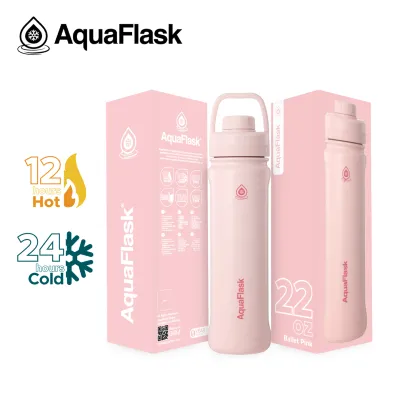
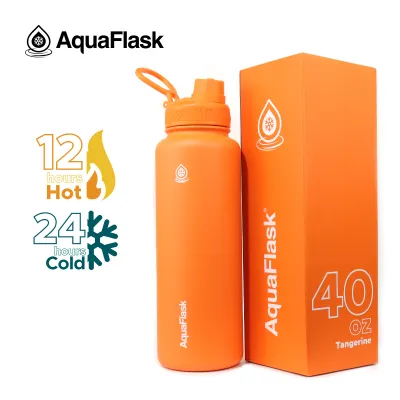
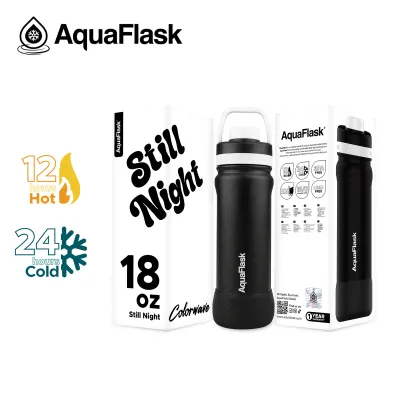
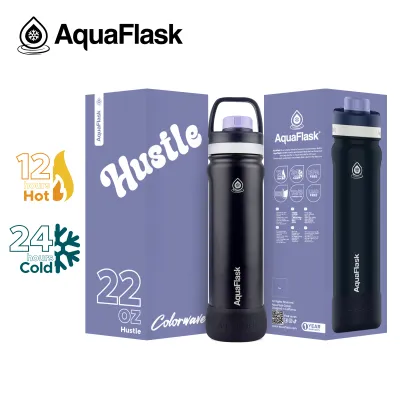
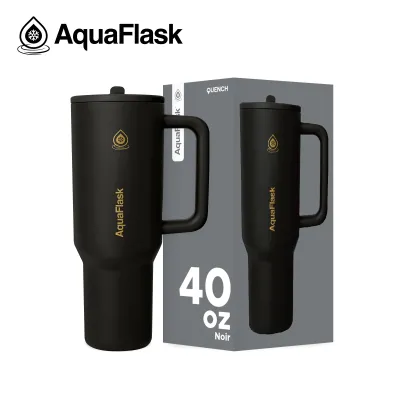
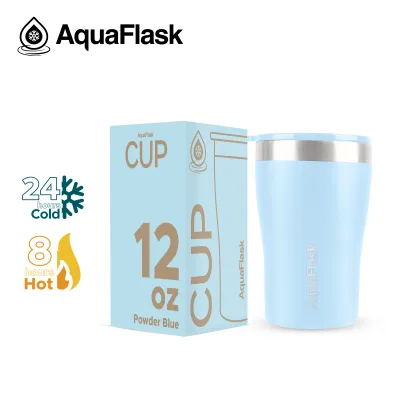
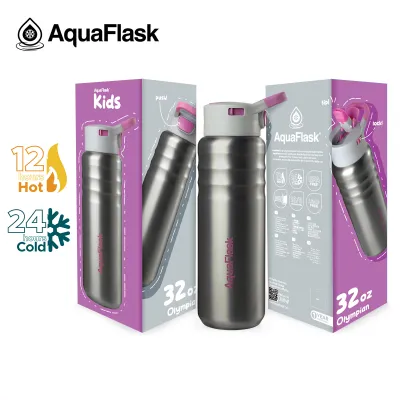
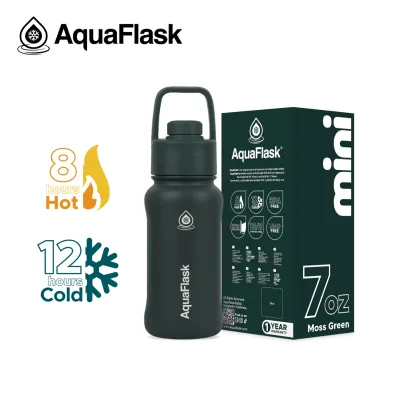
Prices are valid at publication and may change. Please refer to the product page for the latest price.
Calculating your refill frequency is a practical way to visualize how a specific bottle size fits into your day. An 18oz bottle holds approximately 530 ml of water, requiring you to refill it three to four times daily to meet a standard two-liter hydration goal. Upgrading to a 26oz bottle (about 770 ml) reduces this to roughly two to three refills. A 34oz bottle (around 1 liter) requires only two fills, while a 40oz bottle (nearly 1.2 liters) can cover more than half of your daily needs in a single fill, making it highly convenient if you lack easy access to a water dispenser.
Your drinking habits also dictate the best capacity. Continuous sippers who prefer taking small, frequent drinks throughout the day often favor smaller, lighter flasks that are easy to lift and hold. Conversely, those who consume large volumes of water at once—especially after physical exertion or during long meetings—benefit from larger capacities. Assessing whether you prefer the convenience of a lightweight bottle or the security of a high-capacity flask is the first step in narrowing down your options.
Comparing the 18oz, 26oz, 34oz, and 40oz Options
Each of the four primary sizes serves a distinct purpose, balancing fluid volume against physical portability. Understanding the strengths and limitations of each size helps you match the flask to your primary daily activities.

The 18oz option is the ultimate choice for light carry and short trips. Its compact design makes it incredibly easy to slip into small bags, purses, or crowded backpacks without adding noticeable bulk. It occupies a minimal footprint on a desk or classroom table, making it ideal for students or office workers who have a water cooler nearby. The main trade-off is its limited capacity, which requires frequent refilling if you are a heavy drinker.
The 26oz option represents the versatile middle ground of the lineup. It offers a substantial increase in water volume over the 18oz model without becoming overly heavy or wide. This size is highly popular for daily commutes because it fits comfortably in most standard vehicle cup holders and backpack side pockets. It provides enough hydration to get you through a long commute or a multi-hour seminar without requiring an immediate refill.
The 34oz option is designed for high-demand days and dedicated workout sessions. Holding a full liter of water, this size is excellent for gym-goers, athletes, and professionals who want to minimize trips to the office pantry. It ensures you have ample water to sustain you through an intense training session, though its wider body means it may not fit in standard cup holders and will require a larger bag compartment.
The 40oz option is the heavy-duty powerhouse of the range. It is built for maximum hydration security during outdoor adventures, long road trips, or full days spent away from clean water sources. While it offers the peace of mind that you will not run out of water, it is physically large and heavy when fully filled. This size is best suited for those who do not mind carrying extra weight in exchange for maximum capacity.
| Bottle Size | Approximate Capacity | Primary Portability Check | Best Suited For |
|---|---|---|---|
| 18oz | ~530 ml | Fits small bags and standard cup holders | Short errands, students, minimal desk space |
| 26oz | ~770 ml | Fits most backpack pockets and car cup holders | Daily commutes, moderate workouts, office use |
| 34oz | ~1000 ml | Requires wide backpack pockets or carrying straps | Intense gym sessions, half-day outdoor activities |
| 40oz | ~1200 ml | Requires heavy-duty pockets or dedicated slings | All-day outdoor use, field work, minimal refills |
Note: Exact physical dimensions, base diameters, and empty weights vary by model and lid type. Always check the manufacturer’s product label to verify these specifications before purchasing.
Matching the Size to Your Daily Routine
Your daily environment dictates how practical a bottle size will be in real-world use. Choosing a flask that aligns with your routine prevents the inconvenience of a bottle that is either too heavy to carry or too small to be useful.
For office and desk work, space efficiency and spill prevention are paramount. A massive 40oz bottle can easily clutter a compact workstation and poses a higher risk of being knocked over onto laptops, keyboards, or important documents. An 18oz or 26oz bottle sits neatly next to your computer, and because office environments typically provide water dispensers, refilling your bottle is a quick and easy task that also encourages you to stand up and stretch.
During gym sessions and sports activities, your body loses fluids rapidly, requiring quick and substantial hydration. Pausing your workout to find a water fountain can disrupt your momentum, making the 34oz or 40oz models highly advantageous. These larger sizes ensure you have enough cold water to last through a grueling training session, though you should verify that your gym bag has a reinforced pocket capable of supporting the weight of a larger flask.
For commuting and travel, portability is the deciding factor. Navigating crowded public transit, walking long distances, or driving through heavy traffic requires a bottle that is easy to manage. A flask that is too wide to fit in your backpack’s side pocket or your car’s cup holder becomes a constant physical hassle. The 26oz model is often the sweet spot for commuters, offering a practical balance of volume and portability that fits easily into daily transit setups.
When heading outdoors or hiking, the physical burden of water weight must be carefully managed. While a 40oz bottle provides excellent water security on remote trails, carrying that much weight on your back can accelerate fatigue. Hikers must weigh the availability of trailside water sources against the physical effort of carrying multiple liters of water from the start. For shorter day hikes, a 26oz or 34oz bottle often provides a more comfortable balance.
Verifying Fit and Portability Before You Buy
Before making your final purchase, it is essential to physically verify that your chosen flask size is compatible with your existing gear and daily carrying methods. Taking a few minutes to measure your equipment can prevent the disappointment of buying a bottle that does not fit your lifestyle.
Start by measuring the compartments you use daily. Check the diameter of your vehicle’s cup holders, the width of your bicycle’s bottle cage, and the depth and elasticity of your backpack’s side pockets. Compare these measurements directly against the manufacturer’s official base diameter specifications. If a bottle’s base is wider than your cup holder or pocket, it will not sit securely and may fall out during transit.
It is also crucial to factor in the weight of water. Water is heavy, weighing exactly one kilogram per liter. When you add the weight of the double-walled stainless steel flask itself, a fully filled 40oz bottle can weigh well over 1.5 kilograms. Consider whether your wrists, everyday bags, or backpack straps are comfortable supporting this weight over long periods, especially if you walk or commute on foot.
Finally, evaluate the carrying accessories available for your chosen size. Larger bottles like the 34oz and 40oz models can be difficult to grip with one hand, particularly if condensation or sweat makes the exterior slippery. Look for compatible accessories such as silicone boots to protect the base from dents, paracord handles for a more secure grip, or shoulder slings that allow you to carry larger flasks hands-free during outdoor activities.
Frequently Asked Questions (FAQ)
Can I put a 40oz Aquaflask in a standard car cup holder?
Most standard vehicle cup holders are designed for smaller cups and bottles, typically accommodating diameters up to 3 inches. A 40oz flask generally exceeds this width, meaning it will not fit securely and may tip over while driving. To carry a larger flask in your vehicle, consider placing it securely on the passenger seat, floor, or investing in an aftermarket cup holder expander designed specifically for oversized bottles.
Is a heavier bottle worth the extra capacity for hiking?
The decision depends on the duration of your hike and the availability of clean water sources along the trail. If you are hiking in hot, humid conditions without reliable refilling stations, carrying a 34oz or 40oz bottle is highly recommended for safety, despite the extra weight. However, ensure your backpack has a supportive hip belt to distribute the load and elastic side pockets that can securely hold the wider diameter of these larger flasks.
Do all Aquaflask sizes keep water cold for the same amount of time?
While all sizes utilize double-wall vacuum insulation to minimize heat transfer, thermal retention can vary based on the volume of liquid inside and how often the bottle is opened. A larger volume of cold water naturally holds its temperature longer than a smaller volume because it contains more thermal mass. For precise temperature retention ratings, always check the manufacturer’s specifications on the product packaging, as performance can vary between different models and lid designs.
Community discussion
Share your experience or ask a question. Comments are reviewed before publication.