
Selecting the right Babolat tennis bag capacity depends on balancing your actual racket count with the extra gear you carry to the court. While a bag labeled for three rackets might seem sufficient for a player with two frames, it leaves almost no room for shoes, clean clothes, or hydration. To avoid a bag that is either bursting at the seams or unnecessarily bulky, you must look beyond the racket count and evaluate your daily court essentials.
Quick Diagnostic: Match Your Gear to the Right Babolat Capacity
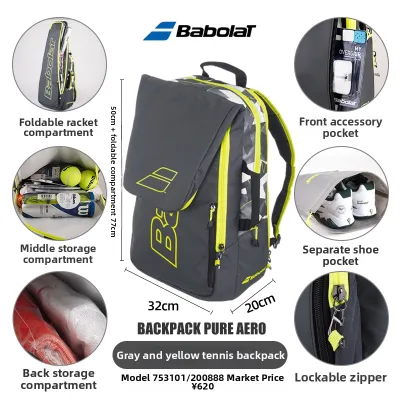
To find your ideal size quickly, consider how much gear you pack alongside your rackets. If you only carry one or two rackets, a can of balls, and your keys, a 3-racket bag or a tennis backpack is usually sufficient. However, the moment you add a pair of tennis shoes, a change of clothes, and a large water bottle, a 3-racket bag will feel incredibly cramped, making a 6-racket bag the practical baseline for most regular players.
The true tipping point lies in your lifestyle and transit habits. A 9-racket or 12-racket bag is rarely chosen just to hold nine or twelve rackets; instead, competitive players and tournament travelers choose these larger volumes to accommodate multiple changes of apparel, recovery gear, and specialized equipment. Carrying an oversized bag when you only need the essentials can make commuting on local transport or packing a car trunk unnecessarily difficult, while choosing too small a bag forces you to carry separate hand bags for your shoes and hydration.
Products mentioned in this guide
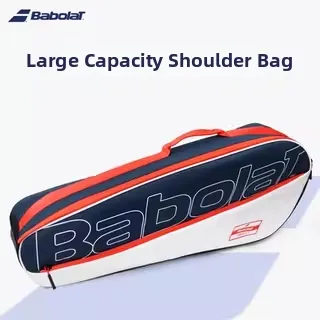
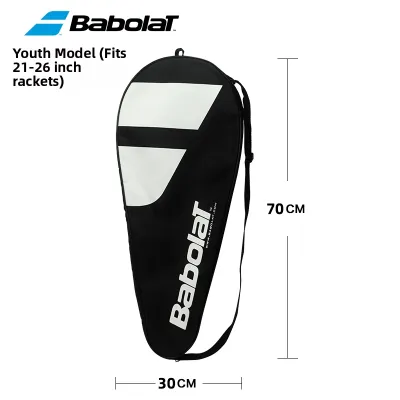
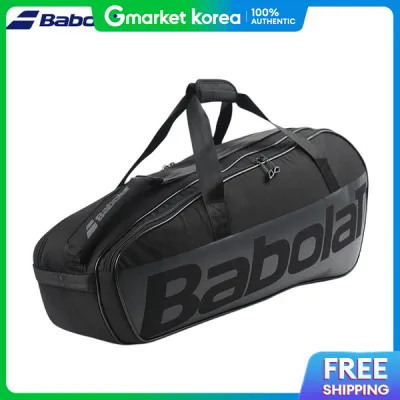
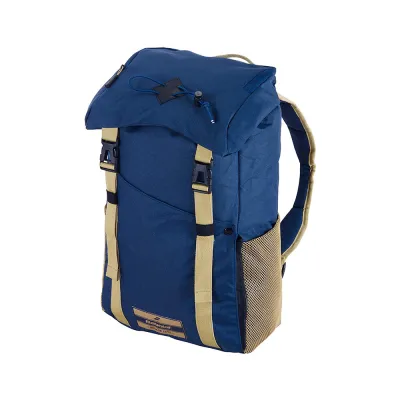
Prices are valid at publication and may change. Please refer to the product page for the latest price.
Step 1: Inventory Your Actual Tennis Gear Loadout
Before browsing specific models, lay out all the equipment you bring to a typical session. The total volume of your gear, rather than the number of rackets alone, dictates the capacity you need.

Racket Count and Frame Protection Start by separating your active playing rackets from the backup frames that usually stay at home. If you regularly play with two identical rackets to swap out when strings break, you need a bag that safely isolates these frames. Rackets stored together without individual dividers or protective sleeves can rub against each other, leading to frame scratches or premature string wear.
Footwear and Apparel Requirements In tropical climates with high humidity, playing a single match often results in drenched apparel. You will likely need space for a fresh change of clothes, a dedicated towel, and perhaps a light jacket. Furthermore, tennis shoes carry clay, hard-court dust, and sweat; storing them directly with your clean clothes or rackets is highly impractical. Look for bags that offer dedicated, ventilated shoe compartments to keep dirt isolated.
Hydration and Accessories Staying hydrated during long sessions in intense heat requires substantial water storage, often meaning large insulated flasks or multiple water bottles. Additionally, your bag must accommodate smaller accessories like replacement grip tapes, wristbands, dampeners, medical kits, and multiple cans of tennis balls. When these items are scattered throughout a single main compartment, they become difficult to find, highlighting the need for dedicated accessory pockets.
Step 2: Match Capacity to Your Playing Routine and Travel
Babolat categorizes its bags by racket capacity, but these ratings assume the compartments are filled exclusively with rackets. Understanding how these sizes translate to real-world use will help you select the right tier.
3-Racket Bags: The Minimalist Choice Designed for casual players, beginners, or those who participate in quick local hits, the 3-racket bag is slim and lightweight. It comfortably holds one or two rackets alongside a small towel, keys, and a phone. However, because it lacks deep side compartments, you will struggle to fit a pair of tennis shoes or a large water bottle inside. If you prefer to change into your tennis shoes at home and travel light, this minimalist option is highly efficient.
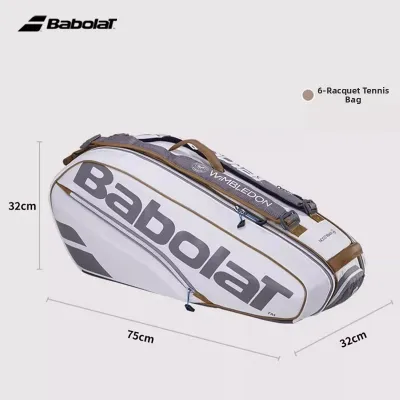
6-Racket Bags: The Club Player Standard The 6-racket bag is widely considered the most versatile option for recreational and club players. By dedicating one main compartment to two or three rackets and using the second main compartment for your shoes, towel, and clean clothes, you achieve a balanced setup. This size fits easily into car trunks or can be carried comfortably on a motorbike or public transit without feeling overly restrictive or bulky.
9-Racket Bags: The Competitive Edge For league players, tournament participants, or those who spend half a day at the courts, the 9-racket bag offers the necessary breathing room. It typically features three main compartments, allowing you to keep your rackets, clean gear, and dirty shoes completely separate. This capacity is ideal if you carry three to four rackets and require extra space for warm-up bands, nutrition, and multiple changes of shirts to combat heavy perspiration.
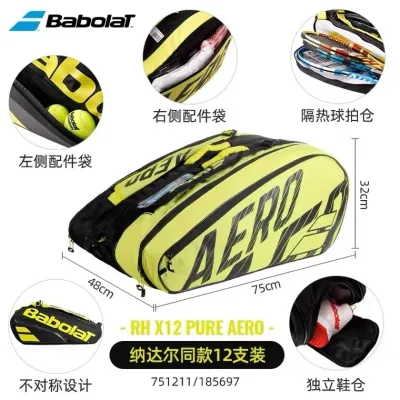
12-Racket Bags: The Tournament and Coach Setup The 12-racket bag is the largest standard option, favored by competitive juniors, advanced tournament players, and coaches. It provides massive storage volume, allowing you to carry up to six rackets on one side while leaving ample room for training cones, ball hoppers, extra string reels, and outerwear. While highly functional for carrying maximum gear, its large footprint requires significant space in transit and can feel cumbersome if you only play short, casual matches.
Step 3: Verify Carrying Comfort and Essential Features
Once you have identified your ideal capacity tier, you must verify that the bag’s physical design supports the weight of your gear comfortably and safely.
Carrying Options and Ergonomics As bag capacity increases, so does the potential weight on your shoulders. For 3-racket and some 6-racket bags, a single shoulder strap or basic carry handles may suffice for short walks. However, for fully loaded 6, 9, or 12-racket bags, dual adjustable backpack straps are essential. Look for padded, ergonomic straps that distribute weight evenly across your back, reducing strain during longer commutes to the sports club.
Compartment Layout and Protection Check the manufacturer specifications for specialized compartments. In hot, humid environments, thermal-lined compartments are highly beneficial for protecting your racket strings from extreme temperature fluctuations, which can cause tension loss. Additionally, verify if the bag includes a wet/dry separator or a ventilated pocket, which prevents damp towels and sweaty shirts from transferring moisture and odors to your clean equipment.
Durability and Base Reinforcement The durability of a tennis bag is heavily tested at the base, which frequently comes into contact with rough concrete, clay, or damp grass court surfaces. When evaluating larger bags, check for reinforced base panels, water-resistant materials, and heavy-duty zippers. A sturdy, structured base not only protects your valuable gear from ground moisture but also helps the bag maintain its shape when placed upright.
Frequently Asked Questions (FAQ)
Can I use a standard sports backpack instead of a dedicated tennis bag?
While a standard backpack can hold your personal items, it is not optimized for tennis equipment. Standard backpacks usually leave the racket handles exposed to the elements and accidental impacts during transit, increasing the risk of grip wear or frame damage. Furthermore, they lack specialized thermal linings to protect string tension and rarely feature dedicated, ventilated compartments to isolate dirty clay court shoes from your clean apparel.
How should I clean and maintain my tennis bag to extend its lifespan?
To maintain your bag, regularly empty all compartments and shake out court debris, clay dust, or loose gravel. Wipe down both the interior and exterior surfaces using a soft cloth dampened with water and mild soap, avoiding harsh chemical cleaners or machine washing which can degrade protective coatings. Always allow the bag to air dry completely in a shaded, well-ventilated area before storing it to prevent the buildup of mold, mildew, and unpleasant odors.
Community discussion
Share your experience or ask a question. Comments are reviewed before publication.