
Choosing the right baby bike for a 1-year-old depends entirely on their current motor skills rather than their exact age in months. While some toddlers are confidently running, others are just mastering independent sitting or taking their first supported steps. This guide helps you observe your child’s physical readiness and match it to the correct bike category—ride-on toys, tricycles, or early balance bikes—ensuring a safe and developmentally appropriate introduction to cycling.
In the Philippines, introducing a toddler to their first wheeled toy often happens in the comfort of a spacious living room, a shaded carport, or during cool afternoon strolls around the neighborhood subdivision. Because tropical weather and uneven outdoor pavements present unique challenges, selecting a bike with the right stability, materials, and safety features is essential. By focusing on your child’s physical milestones, you can select a toy that builds confidence instead of causing frustration.
Assessing Your 1-Year-Old's Physical Readiness
Before browsing online marketplaces or visiting local toy stores, take a few days to closely observe your toddler’s daily movements. Motor skill development at twelve months varies wildly from child to child. Some babies are contentedly sitting and crawling, while others are actively pulling themselves up to stand, cruising along the edges of living room furniture, or taking their first independent steps across the room.
Products mentioned in this guide
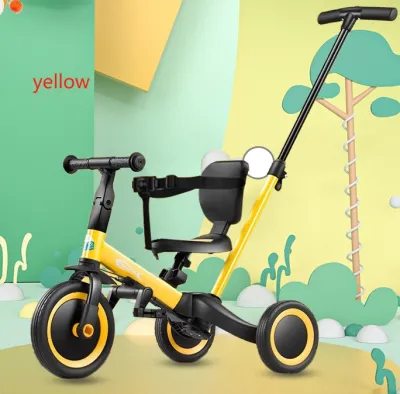
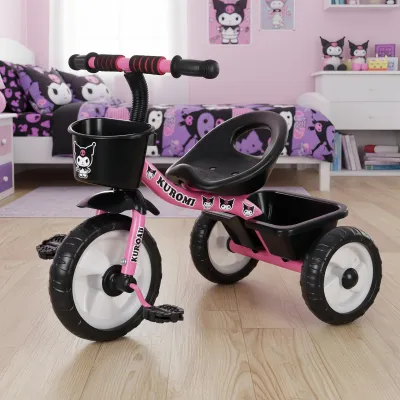
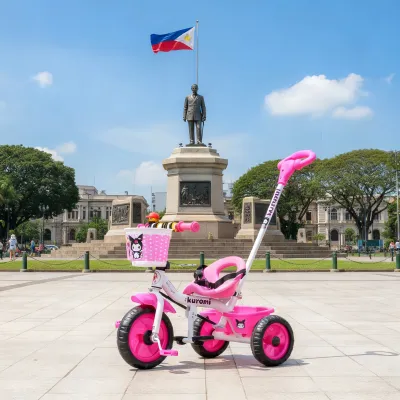
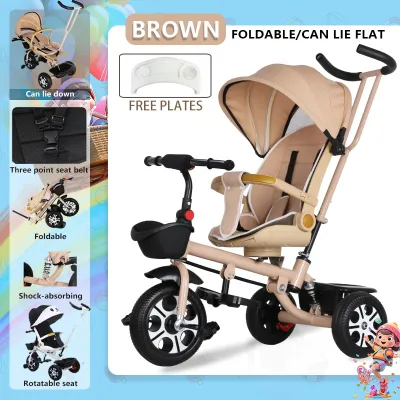
Prices are valid at publication and may change. Please refer to the product page for the latest price.
To safely enjoy any wheeled toy, a child needs sufficient core strength and trunk control. If your toddler can sit upright on the floor without tipping over when they reach for a toy, they have developed the baseline core stability required for a basic ride-on. However, mounting and dismounting a bike requires additional balance. Observe whether your child can lift one foot off the ground while holding onto a support, which indicates the hip stability needed to straddle a seat.
If your child is not yet showing interest in mobile toys or struggles to sit upright without support, it is best to wait and reassess in a few weeks. Forcing a child onto a bike before their muscles are ready can lead to poor posture, frequent falls, and a fear of wheeled toys. There is no rush; every child develops at their own pace, and waiting until they can confidently support their own weight ensures a much happier riding experience.
Ride-On Toys: Ideal for Sitters and Early Walkers
Ride-on toys are the gentlest introduction to wheels for a young toddler. These toys typically feature four-wheel or wide-base designs that sit very low to the ground. This low center of gravity provides maximum stability, making it incredibly difficult for a clumsy toddler to tip the toy over while climbing on or off. Many models are shaped like friendly animals, cars, or simple blocks, which naturally appeals to a 1-year-old’s sense of play.

Propulsion on a ride-on toy is entirely foot-to-floor. Your child sits on the saddle and pushes off the ground with both feet to move forward or backward. This simple motion is excellent for building bilateral leg strength, coordination, and spatial awareness. Because their feet never leave the ground for long, toddlers feel secure and remain in complete control of their speed and stopping power.
When shopping for a ride-on toy, always check the manufacturer’s labels for minimum weight requirements, sitting stability guidelines, and maximum load limits. Because of the high humidity in tropical climates, look for high-quality, non-toxic plastics or sealed, moisture-resistant wood. Avoid models with small, detachable parts or sharp plastic seams that could scratch your child’s legs during play.
Tricycles: Understanding Push-Trikes vs. Pedaling
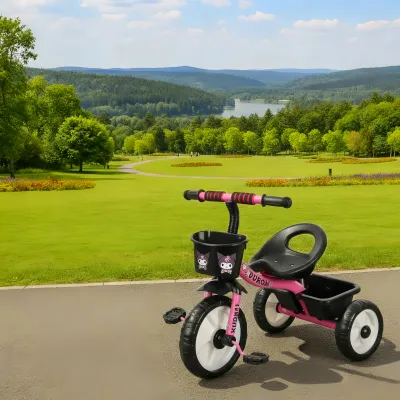
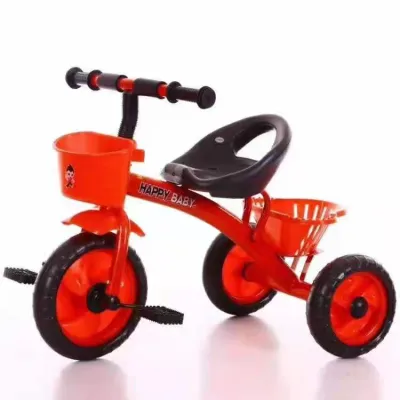
Traditional tricycles with pedals attached to the front wheel are generally not suitable for a 1-year-old playing independently. Pedaling requires a level of leg reach, joint development, and reciprocal coordination that most children do not develop until they are closer to two or three years old. A typical 1-year-old’s legs will not comfortably reach the pedals, and they will struggle to understand the circular pushing motion required to move forward.
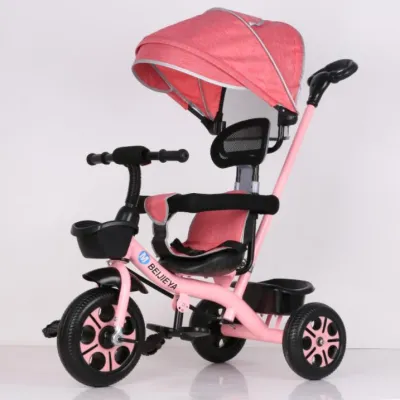
Instead, parent-pushed stroller trikes—often called push-tricycles—are a highly practical alternative for outdoor excursions. These hybrid models allow your child to sit securely in a tricycle-style seat while you control the steering and speed using a tall rear push bar. They are excellent for neighborhood walks, providing a more engaging view for your child than a standard stroller.
When evaluating a push-trike, prioritize safety and comfort features. Look for a secure multi-point safety harness to keep your toddler upright and prevent them from sliding out. A foldable sun protection canopy is highly recommended to shield your child from the intense tropical sun during daytime outings. Additionally, ensure the trike has dedicated footrests where your child can safely rest their feet away from the moving wheels and pedals.
If you want a toy that grows with your child, look for convertible models. These designs allow you to gradually remove the parent push bar, unlock the handlebars, and engage the pedals as your child’s coordination and leg length develop over the next few years. This adaptability makes the initial investment much more practical over the long term.
Early Balance Bikes: For Confident Walkers
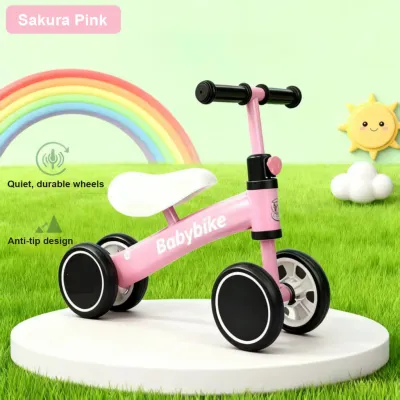
Early balance bikes are designed to teach the fundamentals of steering and balance without the distraction of pedals or training wheels. While standard balance bikes are meant for older toddlers, early learner models feature smaller frames, lightweight materials, and sometimes three or four closely spaced wheels to assist with stability. These bikes are best reserved for 1-year-olds who are already confident, independent walkers or runners.
To manage even a highly stable early balance bike, a child must be able to walk smoothly without holding onto furniture and recover quickly from minor wobbles. If your child still toddles unsteadily or falls frequently while walking on flat surfaces, they are not yet ready for a balance bike. They need to be agile enough to straddle the frame and walk the bike forward while maintaining an upright posture.
Proper fit is crucial for safety and confidence. You must match your child’s inseam to the bike’s minimum seat height. To do this, measure from your child’s crotch to the floor while they are wearing shoes. When sitting on the bike saddle, your child’s feet must rest completely flat on the ground with a slight bend in the knees. If they can only touch the ground with their tiptoes, the bike is too large, and they will struggle to balance or stop safely.
Safety features on toddler balance bikes differ significantly from older youth models. Look for steering limiters, which prevent the handlebars from turning fully sideways and causing sudden jackknife falls. Toddler models do not have hand brakes, as a 1-year-old does not possess the hand span or grip strength to operate them; instead, they will instinctively use their feet to slow down and stop.
Final Selection Checklist and Safety Boundaries
Before finalizing your purchase, use this practical checklist to ensure the bike is safe, durable, and perfectly suited for your toddler:
- Measure the Inseam: Ensure the minimum seat height allows your child's feet to rest completely flat on the ground.
- Verify Weight and Age Limits: Check the product packaging or manufacturer specifications to ensure your child falls within the recommended weight and age ranges.
- Inspect Build Quality: Look for smooth edges, sturdy frame construction, and wheels that roll smoothly without wobbling. For outdoor use in humid areas, ensure metal parts are rust-resistant.
- Check Safety Certifications: Look for recognized toy safety standards on the packaging to ensure the materials are non-toxic and free from choking hazards.
Regardless of the bike type you choose, safety gear and active supervision are non-negotiable. Always equip your child with a lightweight, properly fitted toddler helmet. Ensure the helmet sits low on the forehead and the chin strap is adjusted securely.
Active adult supervision is required at all times. Even the most stable ride-on toy can tip if ridden over a threshold, off a curb, or down a sloped driveway. Keep riding sessions limited to flat, smooth, and enclosed areas away from traffic, swimming pools, and steep inclines to ensure your child’s introduction to cycling is both joyful and safe.
Frequently Asked Questions (FAQ)
Can a 1-year-old use a standard balance bike?
Most standard balance bikes are designed for children aged two and older, featuring 12-inch wheels and heavier metal frames that are too large and heavy for a typical 1-year-old. For a 1-year-old, look specifically for early learner or baby balance bikes. These specialized models feature smaller 6-inch to 10-inch wheels, ultra-lightweight frames, lower seat heights, and often double wheels at the front or back to provide extra stability for younger toddlers.
Are push-tricycles considered safe for 1-year-olds?
Yes, push-tricycles are safe for 1-year-olds provided they are equipped with the proper safety features and used under direct adult supervision. Essential safety features include a secure multi-point harness to prevent the child from falling out, protective footrests to keep their feet away from the ground and wheels, and a reliable parent steering handle. Always use the safety harness on every ride, and avoid using the push-trike on steep slopes, rough gravel, or near traffic.
Community discussion
Share your experience or ask a question. Comments are reviewed before publication.