
Upgrading your Canik pistol with an aftermarket or factory base pad is one of the most effective ways to improve grip ergonomics, increase ammunition capacity, and assist with faster magazine drops. However, because Canik offers a diverse lineup of handguns, finding a base pad that fits your specific model can be surprisingly complex. Base pads are not universally interchangeable across the brand’s catalog; compatibility depends on frame size, magazine tube length, and the presence of factory magwells.
To choose the correct base pad, you must identify your exact Canik model variant, the generation of your magazine, and your primary shooting application. Matching these factors ensures your new accessories lock securely and feed reliably, preventing costly purchasing errors and potential malfunctions on the range.
Understanding Why Canik Base Pads Are Not Universal
Many shooters assume that because Canik magazines are largely manufactured by the renowned Italian firm Mec-Gar, any base pad designed for a Canik magazine will fit any Canik pistol. This assumption often leads to compatibility issues. The physical design of Canik magazines and pistol frames has evolved significantly over several generations, resulting in distinct dimensional differences that affect how a base pad seats and locks.
Products mentioned in this guide
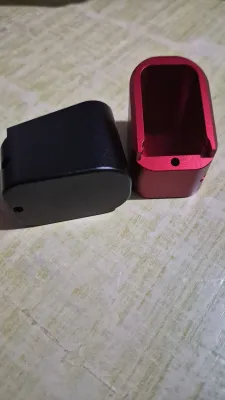
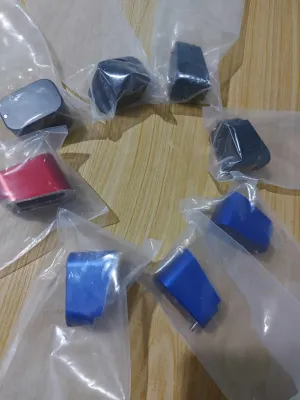
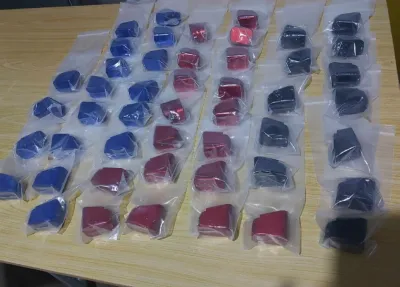

Prices are valid at publication and may change. Please refer to the product page for the latest price.
First, magazine tube lengths vary across the Canik lineup. Full-size models like the TP9SFx, METE SFx, and SFx Rival utilize longer 18-round or 20-round magazine tubes. Compact models, such as the TP9 Elite or METE SF, use shorter 15-round tubes. Sub-compact models like the METE MC9 use even shorter 12-round tubes. A base pad designed to fit flush on a compact 15-round magazine tube will not slide onto or lock properly on a full-size 18-round tube due to differences in the bottom interface and the locking plate design.
Second, the latch and retainer pin configurations have changed over time. Older TP9 series magazines utilize a traditional floorplate with a central spring-loaded button. Modern METE and Rival series magazines often feature updated floorplate designs and side-retaining systems to accommodate flared magwells. If the base pad’s internal tracks do not perfectly match the flared lips at the bottom of your specific magazine tube, the pad will either fail to slide on or fail to lock securely in place.
Finally, the pistol frame’s grip geometry and magwell design dictate base pad clearance. A base pad that works perfectly on a standard TP9SF frame may collide with the flared magwell of a METE SFx or an SFx Rival. When the top edge of the base pad hits the bottom of the magwell before the magazine catch can engage the tube, the magazine will not lock into the firearm. This makes it critical to evaluate both the magazine tube and the specific frame configuration before buying.
How to Identify Your Exact Canik Model and Magazine
To avoid purchasing the wrong SKU, follow a systematic identification process to confirm your firearm’s exact specifications and the magazines you currently own.

Start by checking the slide and frame markings on your pistol. Canik models have highly specific designations engraved on the left or right side of the slide. Do not rely on memory or generic terms; look for exact markings such as “TP9SF,” “TP9 Elite Combat,” “METE SFT,” “METE MC9,” or “SFx Rival.” Write down the exact model name, paying close attention to suffixes like “SF,” “SFx,” “SC,” or “Combat,” as these indicate frame and grip length variations.
Next, examine your factory magazines. Look at the witness holes on the rear of the steel magazine tube and identify the maximum number indicated. This tells you the base capacity of your tube (typically 12, 15, 18, or 20 rounds). Note whether your magazine came with a flat polymer floorplate, a thin steel plate, or a factory plastic +2 extension. This helps determine if you are starting with a standard flush-fit tube or an extended tube.
Measure the magazine tube if the markings are worn or unclear. You can also verify compatibility by cross-referencing your firearm’s serial number with an authorized distributor or checking the factory owner’s manual. If you are still uncertain, consult a licensed firearms dealer in the Philippines. Local gun shops specializing in sporting and competitive shooting can physically inspect your magazine and frame to confirm the correct footprint before you commit to a purchase.
Recommended Base Pad Categories for Your Shooting Style
Selecting the right base pad depends heavily on how you intend to use your Canik pistol. Different shooting disciplines, environmental conditions, and carrying methods demand specific materials and designs.
OEM Factory Base Pads for Reliability and Warranty
For shooters who prioritize absolute reliability, home defense, or duty use, original equipment manufacturer (OEM) factory base pads are the safest choice. Canik produces official replacement flat plates and +2 aluminum or polymer extensions designed specifically for their various magazine capacities.
Using OEM parts ensures that the tolerances match the factory specifications perfectly, preserving your firearm’s warranty and maintaining consistent spring tension. Because these parts are engineered by the manufacturer, they require no modification to the magazine tube or spring to function as intended.
The primary trade-off with OEM base pads is their limited capacity increase. They generally offer only a +0 (flat) or +2 capacity boost, which may not satisfy competitive shooters looking to maximize their stage capacity. In the Philippines, expect to find OEM factory base pads at licensed firearms dealers, with prices generally ranging from ₱1,200 to ₱2,500 depending on whether they are polymer or aluminum.
Aftermarket Competition Pads for Capacity and Weight
If you participate in practical shooting sports, such as those sanctioned by the Philippine Practical Shooting Association (PPSA) or international bodies like IPSC and USPSA, aftermarket competition base pads are highly advantageous. Brands like Taylor Freelance, Toni System, and Wasatch Arms manufacture specialized aluminum and brass base pads for Canik magazines.
These aftermarket options provide significant capacity increases, typically adding +4 to +9 rounds to your magazine capacity. Additionally, competition pads made of brass or heavy anodized aluminum add weight to the bottom of the grip. This extra weight helps the empty magazine drop free quickly during high-speed reloads and shifts the pistol’s center of gravity downward, which can assist in mitigating muzzle flip during rapid fire.
However, these pads have distinct limitations. They are generally too bulky and heavy for concealed carry, and their larger profile may not fit inside standard division measurement boxes for certain shooting classes. Furthermore, using aftermarket parts can affect your factory warranty if they cause damage to the magazine release or frame. When buying aftermarket pads, always verify that the manufacturer’s compatibility chart explicitly lists your exact Canik model and magazine capacity, and expect prices to range from ₱2,500 to ₱5,000+ per pad.
In the hot, humid climate of the Philippines, sweat and moisture can cause raw metal surfaces to corrode. If you choose metal competition pads, prioritize hard-anodized aluminum or coated brass options to resist corrosion during outdoor matches.
Grip Extensions for Concealed Carry and Compact Models
Owners of compact and sub-compact Canik models, such as the TP9 Elite SC or the METE MC9, often prioritize concealment but struggle with a short grip frame that leaves the pinky finger dangling. For these scenarios, grip-extension base pads are the ideal solution.
These extensions are typically made of durable polymer or lightweight aluminum and feature an ergonomic front lip that extends the grip surface. This design gives you a full three-finger purchase on the frame, dramatically improving recoil control, weapon retention, and shooting comfort without significantly increasing the overall profile of the pistol for concealed carry.
Keep in mind that grip extensions are highly model-specific. A grip extension designed for a TP9 Elite SC will not align properly with the frame contours of a METE MC9. Additionally, while some grip extensions add +0 capacity and simply improve ergonomics, others add +1 or +2 rounds. If you choose a capacity-increasing extension, ensure it includes or is compatible with a spring that provides reliable upward tension for the shorter magazine tube.
Key Features to Compare When Choosing a Base Pad
To narrow down your choices, compare the primary characteristics of the base pads available on the market. The table below outlines how different materials and designs perform across key metrics.
| Base Pad Material | Capacity Increase | Weight Impact | Installation Complexity | Primary Use Case |
|---|---|---|---|---|
| Polymer (OEM / Aftermarket) | +0 to +2 rounds | Negligible | Low | Concealed Carry, Duty, Budget Upgrades |
| Anodized Aluminum | +2 to +5 rounds | Light to Moderate | Medium | General Range, IDPA, IPSC Production |
| Brass | +3 to +9 rounds | Heavy | Medium | IPSC Standard/Open, Recoil Mitigation |
Material selection plays a critical role in how your firearm handles and how well the accessories survive hard use. Polymer is highly impact-resistant and flexes when dropped on hard surfaces like gravel or concrete, making it excellent for daily carry. Aluminum offers a balance of durability, color customization, and moderate weight, while brass is chosen almost exclusively by competition shooters who want maximum weight at the heel of the gun.
Another critical factor is spring compatibility. When you increase the volume inside a magazine tube by adding a high-capacity base pad (+3 rounds or more), the factory magazine spring must stretch further to push the ammunition upward. This drop in spring tension can lead to failure-to-feed (FTF) malfunctions or prevent the slide from locking back on the last round. Always check whether the base pad kit includes an extra-power replacement spring (typically a +10% or +15% power spring) or if you need to purchase one separately.
Safe Installation and Mandatory Function Checks
Modifying any firearm component requires strict adherence to safety protocols. Before attempting to install a new base pad on your Canik magazine, ensure you are working in a clean, well-lit environment free of distractions.
First, point the firearm in a safe direction, remove the magazine, lock the slide to the rear, and visually and physically inspect the chamber to ensure the pistol is completely unloaded. Move all live ammunition to a separate room or storage container before beginning disassembly.
To install the base pad safely, follow these steps:
- Wear Eye Protection: Magazine springs are under high tension and can eject violently during disassembly, posing a risk of eye injury.
- Depress the Retainer: Use a dedicated magazine disassembly tool or a suitable pin punch to press the inner locking plate button through the hole in the bottom of the factory base pad.
- Slide off the Old Pad: While keeping your thumb firmly over the bottom of the magazine tube to capture the spring, slowly slide the factory base pad off the bottom tracks.
- Clean the Magazine Tube: Take this opportunity to wipe the inside of the magazine tube with a clean, dry cloth. In the humid climate of the Philippines, dust, moisture, and carbon buildup can accumulate inside the tube, causing the follower to bind. Do not apply oil or lubricant to the inside of the magazine, as this attracts dirt and can contaminate ammunition primers.
- Install the New Spring and Pad: If your new base pad requires an extra-power spring, swap it with the factory spring now. Place the locking plate or retainer on top of the spring, compress the spring into the tube, and slide the new base pad onto the magazine tracks until the locking mechanism clicks or the retention screw is securely tightened according to the manufacturer's specifications.
Once assembly is complete, perform these mandatory function checks to ensure the magazine is safe and reliable for range use:
- Seating Check: Insert the empty magazine into your unloaded pistol. It should click into place smoothly without requiring excessive upward force. If you have a magwell installed, ensure the base pad does not contact the magwell walls before the magazine latch fully engages.
- Slide Lock Check: With the empty magazine inserted, pull the slide back. The magazine follower must push the slide stop upward, locking the slide open reliably.
- Drop-Free Check: Press the magazine release button. The magazine should drop free from the grip frame under its own weight without sticking or requiring you to pull it out.
Safety Warning: Never cut, stretch, or heat a magazine spring to make it fit a new base pad. Stretching a spring weakens its steel structure, leading to rapid tension loss and severe feeding failures. If your magazine spring does not provide adequate upward tension to lock the slide back or feed rounds reliably, stop using the magazine immediately and consult the base pad manufacturer or a qualified gunsmith.
Frequently Asked Questions (FAQ)
Will adding an aftermarket base pad void my Canik warranty?
In most cases, installing an aftermarket base pad does not void the overall warranty of your Canik pistol. However, any damage to the frame, magazine catch, or internal components caused directly by improper installation, forced fitment, or out-of-spec aftermarket parts will not be covered under the manufacturer’s warranty. If you experience feeding issues or damage while using aftermarket accessories, the manufacturer or local distributor may require you to return the firearm to its factory configuration for evaluation.
Can I use TP9SF base pads on a TP9SFX or Elite model?
Generally, no. While the TP9SF and TP9SFx share similar full-size magazine bodies, their base pad compatibility can vary depending on whether you have a factory magwell installed. The TP9 Elite is a compact model that uses shorter 15-round magazine tubes, meaning standard full-size TP9SF base pads will not fit flush or lock properly on Elite magazines. Always verify the exact manufacturer SKU to ensure the base pad is rated for your specific model and magazine capacity rather than assuming series-wide compatibility.
Do I need to upgrade the magazine spring when adding a high-capacity base pad?
Yes, if you are adding a base pad that increases your magazine capacity by +3 rounds or more, you should upgrade to an extra-power magazine spring. The factory spring is calibrated specifically for the original tube length; extending that space without upgrading the spring reduces the upward force, which can cause feeding failures or prevent the slide from locking back on empty. Always use the matched springs recommended or supplied by the base pad manufacturer.
Community discussion
Share your experience or ask a question. Comments are reviewed before publication.