
Selecting the right battle bottle water bottle for your workout routine depends entirely on how you move, where you train, and how much you sweat. In a tropical climate like the Philippines, staying hydrated is not just a matter of comfort but a critical safety measure to prevent heat exhaustion during intense physical activity. Whether you are lifting weights in a humid indoor gym, logging kilometers on the asphalt, or playing competitive field sports under the midday sun, your hydration gear must match the physical demands of your sport. By evaluating your specific movement patterns and environment, you can identify the exact bottle capacity, material, and lid mechanism that will support your performance without slowing you down.
Identifying Your Primary Workout Hydration Needs
Every workout places unique demands on your body and your gear, making a one-size-fits-all approach to hydration highly impractical. For stationary gym sessions, your primary concern is often volume and ease of access between sets, where a heavy bottle can easily rest on the floor or a bench. In contrast, continuous running requires a highly portable, lightweight solution that fits securely in your hand or a running vest without bouncing or causing muscle strain. Outdoor field sports introduce environmental challenges like dust, mud, and direct sunlight, which demand robust protection for the drinking nozzle and superior temperature retention.
Understanding your baseline capacity requirements is the first step in narrowing down your options. For short, high-intensity workouts lasting under an hour, a moderate capacity of 500 to 750 milliliters is generally sufficient and keeps your gear light. If you are engaging in endurance training or extended outdoor sessions exceeding ninety minutes, you will likely need a larger vessel of one liter or more to sustain your hydration levels without constant refills.
Products mentioned in this guide
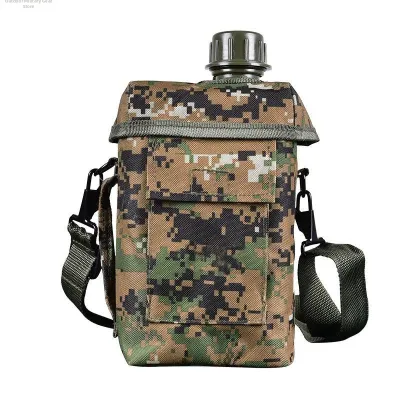
Prices are valid at publication and may change. Please refer to the product page for the latest price.
The drinking mechanism also plays a pivotal role in maintaining your athletic focus. One-handed operation is essential for activities where breaking your stride or dropping your hands is disruptive, such as cycling or running on a treadmill. A quick-access pop top or a bite valve allows you to sip efficiently and return to your form immediately, whereas a screw-top lid is better suited for slower-paced activities where you can safely pause and use both hands.
Matching Bottle Features to Specific Activities
Navigating the diverse lineup of the battle bottle water bottle selection requires looking past aesthetic appeal to focus on functional specifications. Different workouts demand distinct combinations of materials, lid styles, and carrying options to perform optimally under pressure.

Gym Sessions and Weightlifting
In a stationary gym environment, you are typically focused on high-sweat, high-intensity intervals where rapid recovery is key. A wide-mouth bottle design is highly advantageous here, as it allows you to quickly drop in ice cubes to keep your water chilled and facilitates rapid refilling at the gym water station. The wide opening also makes it much easier to mix in pre-workout powders or electrolyte supplements without spilling.
Spill prevention is another critical factor when your bottle is constantly placed on rubber mats, benches, or tossed into a crowded locker. Look for secure, leak-proof locking lids that feature a secondary latch to prevent accidental opening if the bottle gets knocked over by a stray dumbbell.
Because weight is less of a constraint when you are not carrying the bottle during exercise, opting for a larger capacity is highly recommended. A larger volume ensures you have a continuous supply of water throughout your entire session, helping you avoid frequent trips to the water fountain and keeping your rest periods focused on recovery.
Running and High-Intensity Cardio
For runners and cardio enthusiasts, every gram of weight matters, and dynamic body movements require a bottle that minimizes sloshing and hand fatigue. Lightweight, flexible plastics or slim-profile metals are ideal because they fit comfortably into standard running vest pockets, waist belts, or handheld sleeves.
A specialized athletic lid or a spill-proof bite valve is essential for drinking on the move. These mechanisms allow you to draw water without tilting your head back, which helps you maintain your line of sight on the road or trail ahead and prevents choking.
To keep your stride natural and balanced, prioritize moderate capacities, typically ranging from 350 to 600 milliliters. Carrying multiple smaller bottles in a hydration vest is often more comfortable than carrying one large, heavy bottle, as it distributes the weight evenly across your torso and reduces physical strain.
Outdoor Sports and Field Training
Training outdoors exposes your gear to harsh elements, requiring a bottle built for durability and environmental protection. Look for impact-resistant materials, such as heavy-duty polymers or double-walled stainless steel, which can survive accidental drops onto concrete courts, gravel paths, or rocky terrain.
In hot, tropical conditions, maintaining a cool water temperature is vital for helping lower your core body temperature during intense field play. Insulated stainless steel models excel in these environments, keeping your water cold for hours even when left under direct sunlight on the sidelines.
Additionally, outdoor environments demand a hygienic lid design that shields the drinking surface from dirt, dust, and sweat. A fully covered cap or a dust cover that snaps securely over the mouthpiece ensures that you are not swallowing outdoor debris when you take a quick drink during a timeout.
Key Specifications to Verify Before Purchase
Before finalizing your purchase of a battle bottle water bottle, it is crucial to verify several technical specifications to ensure the product aligns with your health, safety, and maintenance standards. Always check the product packaging or the manufacturer’s official website for material safety certifications, ensuring the bottle is labeled as BPA-free and non-toxic.
Take a close look at the lid construction and evaluate how easily the components can be disassembled. Complex lid designs with integrated straws, valves, and deep crevices can easily trap moisture and bacteria if they cannot be fully taken apart for cleaning.
Finally, verify the manufacturer’s guidelines regarding dishwasher compatibility. While some plastic bottles are top-rack dishwasher safe, others may warp under high heat, and harsh detergents can degrade silicone seals over time, leading to persistent leaks during your workouts.
Care and Maintenance for Daily Use
Proper daily care is essential to extend the lifespan of your sports bottle and prevent the buildup of unpleasant odors or harmful mold. After every workout, rinse your bottle thoroughly with warm water and a mild dish soap, paying close attention to the threads around the neck where sweat and saliva can accumulate.
Avoid using highly abrasive scrubbing pads or harsh chemical cleaners, which can scratch plastic surfaces and create microscopic grooves where bacteria can thrive. For non-insulated plastic bottles, never use boiling water for sanitizing, as the extreme heat can warp the shape and compromise the structural integrity of the plastic.
The most critical step in your maintenance routine is the drying process. After washing, disassemble all removable parts, including silicone gaskets, straws, and lid covers, and place them on a clean drying rack in a well-ventilated area. Allowing every component to air-dry completely before reassembling and storing the bottle is the most effective way to prevent mold growth and keep your water tasting fresh.
Frequently Asked Questions (FAQ)
Can I put hot liquids in my plastic sports bottle?
Most single-wall plastic sports bottles are designed strictly for cold or room-temperature liquids and should not be used for hot beverages. High temperatures can cause the plastic to warp, degrade the structural integrity of the bottle, and potentially cause the lid seals to fail, leading to dangerous spills. Always check the manufacturer’s maximum temperature rating on the packaging, and switch to a double-walled insulated stainless steel bottle if you need to carry hot liquids.
How do I remove stubborn odors from the lid and straw?
To eliminate persistent odors, disassemble the lid and straw completely and soak them in a mixture of warm water and baking soda or white vinegar for several hours. After soaking, use a specialized narrow straw brush to physically scrub the interior of the straw and any tight crevices within the lid. Rinse all parts thoroughly with clean water and allow them to air-dry completely in a well-ventilated space before reassembly.
Community discussion
Share your experience or ask a question. Comments are reviewed before publication.