
Starting your cycling journey brings excitement, often followed by confusion when browsing the massive selection of gear available. The market is filled with specialized upgrades, making it easy to overspend on items you do not actually need. When deciding which bicycle accessories and parts to buy, the golden rule is to separate immediate safety essentials from conditional upgrades. You do not need a professional-grade setup to enjoy your first few hundred kilometers. By focusing on a few non-negotiable items and matching secondary purchases to your specific riding environment, you can save money while ensuring every ride is safe, comfortable, and efficient.
Identify Your Riding Style Before Buying Bicycle Accessories and Parts
Before spending your budget on upgrades, you must define how and where you plan to ride. Bicycle accessories and parts are highly specialized; what is indispensable for a daily commuter can be useless weight for a weekend trail rider. To establish a baseline of your actual needs, evaluate your goals using three primary beginner profiles.
The Daily Commuter This profile covers riders who use their bicycle as a primary mode of transport. You navigate dense urban traffic, share roads with large vehicles, and must park your bike in public spaces. Your priority is utility, visibility, and weather protection.
Products mentioned in this guide
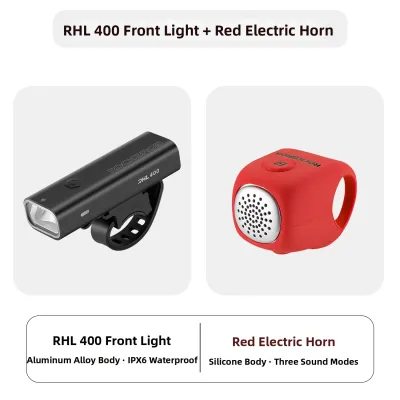
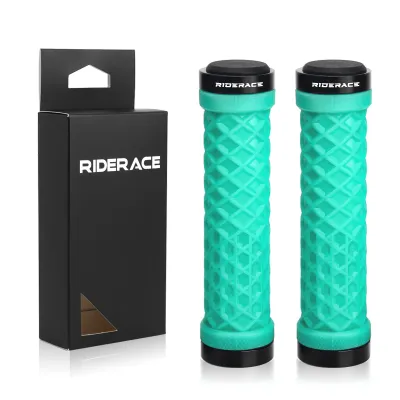
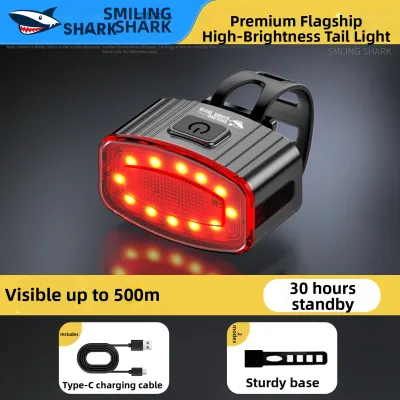
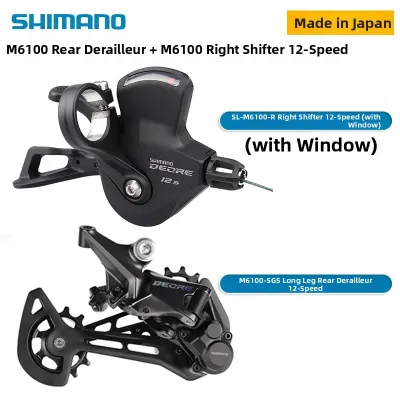
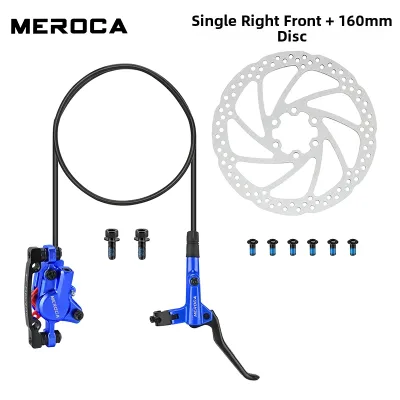
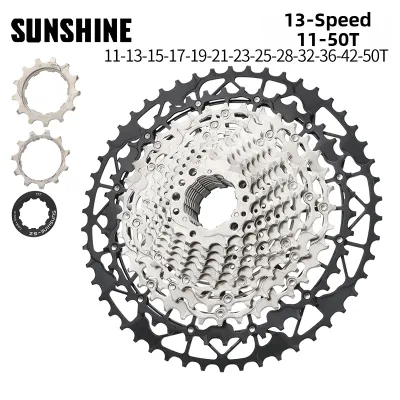
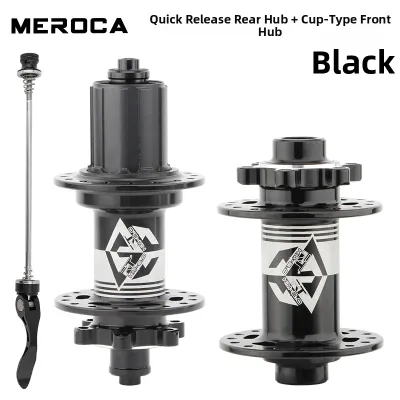
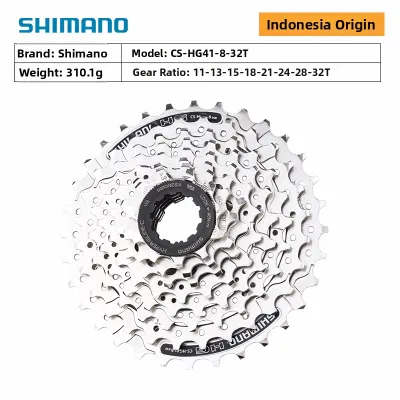
Prices are valid at publication and may change. Please refer to the product page for the latest price.
The Weekend Recreation and Fitness Rider This profile represents those who ride primarily for health, leisure, or social connection on weekends. Your routes are typically paved roads, dedicated bike paths, or park loops. Your primary focus is comfort over long distances, basic performance tracking, and hydration.
The Beginner Trail and Off-Road Explorer This profile is for riders drawn to unpaved paths, gravel routes, and light singletrack trails. Because of the rugged terrain, your gear must prioritize bike control, physical protection from falls, and trailside repair capability.
Your Quick Self-Check Framework To determine your profile, ask yourself these three questions before making any purchases:
- How often will I ride, and will I ride in the rain? (Daily utility vs. fair-weather leisure)
- What is the typical surface of my routes? (Smooth pavement, potholed city streets, or dirt trails)
- Where will my bicycle be stored when not in use? (Secured indoors or left unattended in public areas)
The Non-Negotiable Essentials for Safety and Basic Function
Regardless of your budget or riding style, certain bicycle accessories and parts are absolute prerequisites for every single ride. These items establish your safety baseline and ensure you do not get stranded by a minor mechanical issue. Treat these as mandatory investments rather than optional upgrades.

A Certified and Properly Fitted Helmet A helmet is the single most important safety investment you will make. Do not choose a helmet based solely on color or price. Look for internationally recognized safety certifications, such as CE EN1078 or CPSC labels, which verify that the helmet has undergone rigorous impact testing. Ensure a snug, level fit on your head, sitting about an inch above your eyebrows with straps forming a “Y” shape under your ears.
Active Front and Rear Lights Visibility is your primary defense on the road, especially in low-light conditions, heavy rain, or sudden tropical afternoon downpours. You need a white front light to illuminate road hazards and a red rear light to alert vehicles behind you. Rechargeable USB models with flashing modes are ideal for daytime visibility and convenience.
A Basic Puncture Repair Kit Getting a flat tire is an inevitable part of cycling. To avoid being stranded, always carry a basic repair kit consisting of a spare inner tube that matches your tire size, a set of durable tire levers, and a reliable mini pump. Practice this repair at home to build confidence before riding.
A Reliable Security Lock If you ever plan to leave your bicycle unattended, a high-quality lock is mandatory. Cable locks are easily cut with basic hand tools and should only be used as secondary security. Instead, invest in a hardened steel U-lock or a heavy-duty chain lock. Always secure the frame and rear wheel to an immovable anchor.
Match Recommended Add-ons to Your Specific Riding Purpose
Once you have secured your safety essentials, you can begin selecting conditional accessories. Rather than buying everything at once, use your self-assessment profile to guide your next steps. This targeted approach ensures that every Peso you spend directly improves your riding experience.
Daily Commuters Navigating City Traffic and Wet Weather
Commuting in Philippine cities requires gear that can handle intense traffic, sudden downpours, and varied road conditions. Your accessories should focus on keeping you dry, visible, and capable of carrying cargo.
- Full-Coverage Fenders: Full-coverage mudguards prevent dirty road water and mud from spraying onto your clothes during sudden tropical downpours.
- Rear Racks and Panniers: A rear rack paired with water-resistant pannier bags transfers cargo weight to the frame, preventing a sweaty back in humid weather.
- High-Visibility Gear and a Loud Bell: A high-visibility vest and a loud brass bell are essential for alerting motorists and pedestrians in noisy, congested traffic.
Weekend Recreation and Fitness Riders
For those focusing on longer paved rides, comfort and hydration are the primary barriers to enjoyment. Your add-ons should target physical endurance and basic progress tracking.
- Padded Cycling Shorts: Padded cycling shorts or liners feature an integrated chamois pad that cushions your sit bones and reduces chafing, allowing you to ride further without discomfort.
- Insulated Water Bottle and Cage: Staying hydrated is critical in humid tropical conditions. Install at least one bottle cage on your frame and use an insulated water bottle to keep your water cool during hot midday rides.
- Secure Phone Mount or Basic Computer: A secure, handlebar-mounted phone holder allows you to use GPS apps safely, while a basic cycling computer provides real-time stats without draining your phone's battery.
Beginner Trail and Off-Road Explorers
Off-road riding demands accessories that enhance bike control and protect you from the rougher terrain. Your gear must withstand vibrations, dirt, and occasional impacts.
- Full-Finger Gloves: Full-finger gloves protect your hands from blisters, absorb trail vibrations, and shield your skin from scrapes if you slide out on loose gravel.
- Flat Pedals with Aggressive Pins: Upgrading to wider flat pedals with metal or composite pins keeps your shoes firmly planted, giving you better control over technical terrain.
- Trailside Multi-Tool with Chain Breaker: Carry a compact multi-tool equipped with common hex keys, a screwdriver, and a built-in chain breaker to handle quick trailside adjustments or chain repairs.
Skip for Now: Nice-to-Have Upgrades You Can Wait On
As a beginner, it is easy to fall into the trap of buying premium bicycle accessories and parts under the assumption that they will make you faster or safer. High-end components are designed for competitive racing where marginal gains matter, but they offer very little practical value to someone still mastering the basics.
Avoid spending money on carbon fiber handlebars, seatposts, or wheels. While carbon fiber reduces weight, it is expensive and requires precise torque measurements during installation to prevent structural damage. Standard aluminum parts are far more durable, forgiving of beginner installation mistakes, and cost a fraction of the price. Similarly, complex suspension upgrades or professional power meters are unnecessary. A power meter costs tens of thousands of Pesos and provides data that only structured, advanced training plans can utilize.
You should also bypass aerodynamic upgrades like deep-section wheels or aero helmets. These designs only provide measurable benefits at high speeds that beginners rarely maintain. Instead of chasing marginal performance gains, focus your budget on high-quality contact points and basic maintenance tools.
Most importantly, never buy cheap, unbranded safety gear to save money. An uncertified helmet or a low-grade lock from an online marketplace may look identical to premium gear, but they often fail under stress. It is far better to wait and save for certified, reputable safety essentials than to risk your physical safety or the security of your bicycle on unverified products.
A Sensible Timeline for Future Upgrades and Replacements
Your bicycle is a machine with moving parts that naturally wear down over time. Knowing when to replace parts—and when to upgrade them—will keep your bike running smoothly and prevent costly repair bills.
Track Wear Signals on Consumable Parts Do not rely on arbitrary mileage charts to decide when to replace parts. Instead, learn to identify physical wear signals.
- Brake Pads: Inspect your brake pads regularly. If the grooves in the rubber are nearly worn flat, or if you hear a metallic squealing sound, replace them immediately to avoid damaging your wheel rims or rotors.
- The Chain: A bicycle chain stretches as it wears. Using a simple chain checker tool allows you to measure wear; replacing a worn chain early prevents it from wearing down your expensive cassette and chainrings.
- Tires: Look for signs of aging such as cracked sidewalls, flat spots along the center tread, or frequent punctures. If the casing threads are visible, the tire must be replaced immediately.
Upgrade Contact Points Based on Discomfort The contact points—your saddle, handlebar grips, and pedals—directly dictate how comfortable your bike feels. If you experience persistent numbness, hot spots, or joint pain after adjusting your riding position, it is time to consider upgrading these parts. Visit a local bike shop to test different saddle widths or grip shapes, as physical comfort is highly subjective.
Extend Lifespans with Regular Maintenance The most cost-effective way to delay purchasing replacement parts is simple, regular maintenance. Dust, mud, and humidity can accelerate wear on your drivetrain. Clean your chain with a degreaser, rinse it, and apply a high-quality bicycle lubricant every few weeks—or after every wet ride. This simple routine keeps your shifting crisp and can double the lifespan of your chain and gears.
Frequently Asked Questions (FAQ)
Do I need to buy all bicycle accessories and parts from the same brand as my bike?
No, you do not need to match brands. Most external accessories, such as lights, bottle cages, frame pumps, and saddle bags, use standardized mounting systems that work across almost all bicycle brands. However, when it comes to internal mechanical parts like chains, cassettes, and brake pads, compatibility is determined by technical specifications rather than brand names. For example, you must match the number of speeds on your shifter to your cassette, and ensure your replacement brake pads match your specific caliper model. Always check your bike’s manual or consult a local mechanic before purchasing mechanical components.
How do I know if my current bicycle parts need replacing or just maintenance?
You can distinguish between maintenance and replacement by looking for physical damage or structural wear. If your shifting feels sluggish or your brakes feel soft, it often indicates that your cables have stretched or your drivetrain is dirty. These issues can be resolved with simple maintenance: cleaning the parts, lubricating the chain, and adjusting cable tension. However, if you observe deep cracks in your tire rubber, frayed metal cables, worn-out brake pad grooves, or a chain that slips even after adjustment, the components have reached the end of their usable life and must be replaced.
Community discussion
Share your experience or ask a question. Comments are reviewed before publication.