
Finding the ideal bike for men adult riders depends heavily on where you plan to ride, how often you cycle, and your local storage constraints. For pure speed on smooth pavement, a road bike is unmatched. For rugged trails and pothole-ridden streets, a mountain bike offers durability. If you need a balanced commuter, a hybrid bike is ideal, while a folding bike is perfect for tight spaces and multi-modal transit. Choosing the right category ensures your investment supports your fitness, commuting, or recreational goals instead of gathering dust in a garage.
Diagnose Your Riding Needs and Local Terrain
Before browsing online catalogs or visiting a local showroom, you must identify your primary cycling environment and personal goals. Buying a highly specialized bicycle without evaluating your daily routine often leads to an uncomfortable ride or an unused piece of equipment.
To narrow down your choices, perform a quick self-assessment by answering these key questions:
Products mentioned in this guide
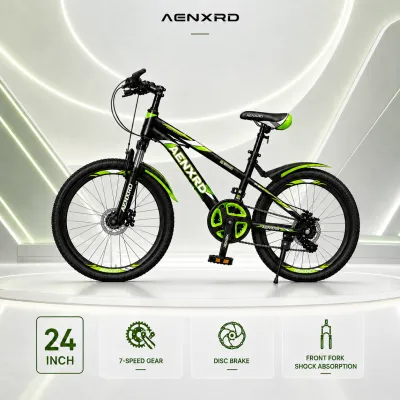
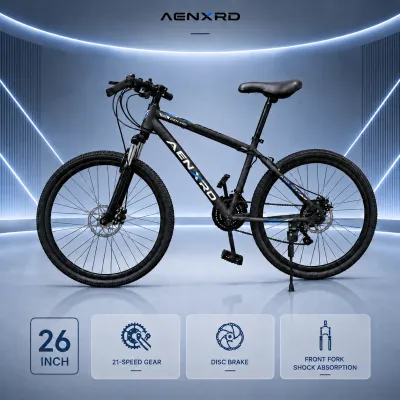
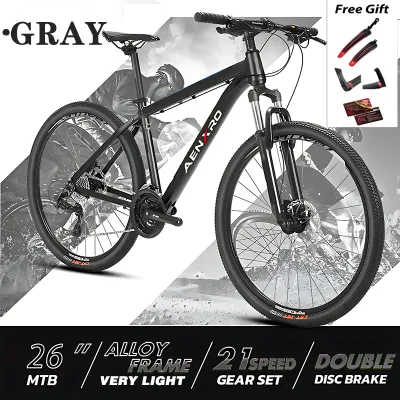
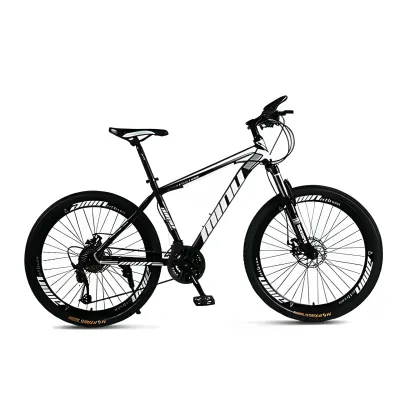
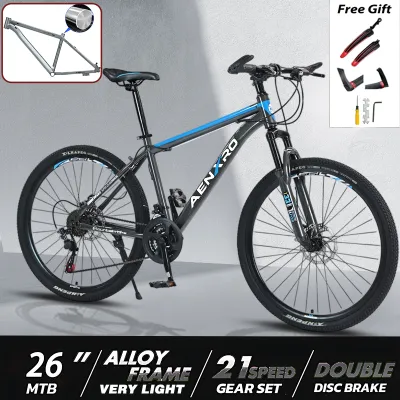
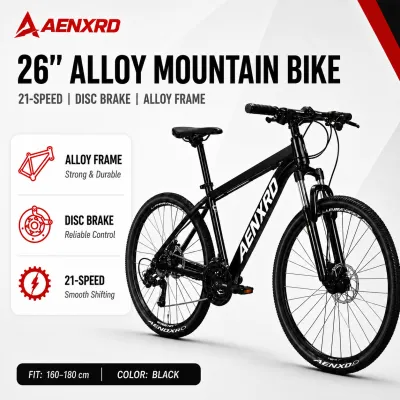
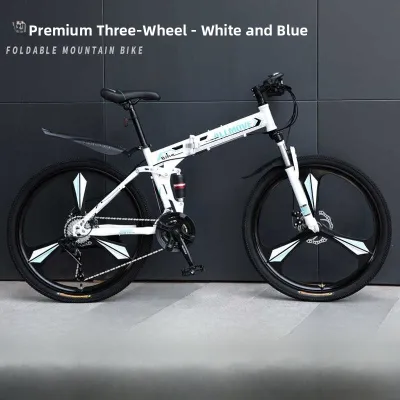
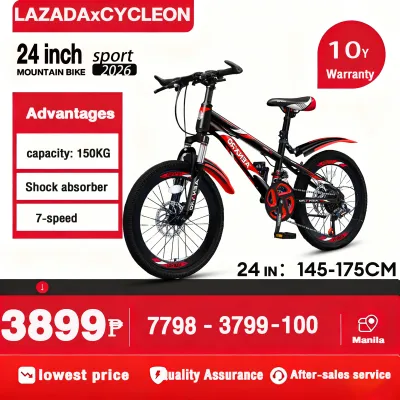
Prices are valid at publication and may change. Please refer to the product page for the latest price.
- What is your primary riding surface? Will you spend most of your time on smooth asphalt, broken concrete, gravel paths, or technical dirt trails?
- What is your typical riding distance? Are you looking at short commutes of under five kilometers, weekend fitness rides of twenty to fifty kilometers, or long-distance endurance tours?
- What are your storage and transport constraints? Do you have a spacious garage, or do you live in a high-rise condominium with limited floor space? Will you need to carry your bicycle up stairs or load it onto public transportation?
For adult men, lifestyle factors play a major role in this decision. If you plan to commute to work, you need a reliable machine that keeps you relatively upright and comfortable in office attire. If your goal is weekend cardiovascular fitness or stress relief, you might prioritize a lightweight frame that allows you to maintain a high heart rate. For casual neighborhood rides with family, simplicity and ease of mounting are often more important than high-speed performance.
Local environmental factors are equally critical, especially in tropical climates like the Philippines. High humidity and heavy seasonal rains during the monsoon months mean your bicycle will face wet roads, mud, and standing water. These conditions require careful consideration of frame materials, tire clearance, and braking systems. Wet, slippery asphalt and sudden downpours make disc brakes highly desirable for consistent stopping power.
Furthermore, urban road surfaces in major metropolitan areas are often uneven, featuring metal drainage grates, concrete expansion joints, and unexpected potholes. Selecting a bicycle with slightly wider tires and a durable frame can prevent pinch flats and provide a much more forgiving ride. Upright riding postures also improve your visibility in dense city traffic, allowing you to scan ahead for hazards more effectively.
Road, Mountain, Hybrid, or Folding: Which Fits Your Profile?
Each bicycle category is engineered with a specific rider profile and terrain in mind. Understanding these design philosophies helps you match a bike for men adult riders to your physical needs and environment.

| Bike Type | Best Terrain | Riding Position | Key Advantage | Main Limitation |
|---|---|---|---|---|
| Road Bike | Smooth asphalt, paved highways | Forward, aerodynamic (bent over) | Maximum speed and efficiency | Uncomfortable on rough surfaces; lacks cargo mounts |
| Mountain Bike (MTB) | Dirt trails, gravel, broken pavement | Upright, wide stance | Exceptional durability and traction | Heavy; high rolling resistance on smooth roads |
| Hybrid Bike | Mixed paved roads, light gravel | Neutral, comfortable upright | Versatile; easily accepts racks and fenders | Not specialized for extreme speed or technical trails |
| Folding Bike | Flat urban streets, paved paths | Upright, compact | Extremely portable; easy to store indoors | Less stable on deep potholes; smaller wheels |
Road Bikes: Built for Speed and Smooth Pavement
Road bikes are built for efficiency, speed, and long-distance endurance on well-paved surfaces. They feature lightweight frames made of aluminum or carbon fiber, paired with narrow, high-pressure tires that minimize rolling resistance. The distinctive drop handlebars allow you to tuck forward into an aerodynamic position, reducing wind resistance while offering multiple hand positions to prevent fatigue during long hours in the saddle.
This category is ideal for men focused on serious cardiovascular fitness, competitive racing, or joining weekend group rides on open highways. Because the riding position is aggressive and forward-leaning, it requires a reasonable level of core strength and flexibility.
However, road bikes have distinct limitations. Their narrow tires (typically 25mm to 32mm wide) offer very little shock absorption, making them uncomfortable on cracked asphalt or gravel roads. Additionally, lightweight road frames rarely feature mounting points for heavy cargo racks or full-coverage mudguards, limiting their utility as daily utility commuters.
Mountain Bikes: Designed for Trails and Rough Terrain
Mountain bikes (MTBs) are built to withstand the abuse of unpaved trails, steep climbs, and rocky descents. They feature robust, heavily reinforced frames, wide knobby tires for maximum traction, and flat handlebars that offer precise steering control. Most mountain bikes come equipped with front suspension forks (hardtails) or both front and rear suspension (full-suspension) to absorb heavy impacts.
This design makes them the go-to choice for men who want to explore off-road trails, forest paths, or rugged mountain routes. Even if you stay in the city, an MTB is highly valued by riders who prioritize stability and durability over raw speed. The wide tires (typically 2.0 to 2.4 inches) easily roll over potholes, sand, and wet debris.
On the downside, mountain bikes are significantly heavier than road bikes. The knobby tread pattern and wider contact patch create high rolling resistance, requiring more physical effort to maintain speed on flat, smooth pavement. If your rides are primarily urban, an MTB will feel slower and more tiring over long distances.
Hybrid Bikes: The Versatile Choice for Commuting and Leisure
Hybrid bikes combine the best characteristics of road and mountain designs to create an incredibly versatile utility vehicle. They typically feature the flat handlebars and comfortable upright geometry of a mountain bike, paired with the lighter frame and faster-rolling wheels of a road bike. Tires are usually medium-width (typically 35mm to 42mm), offering a balanced mix of speed, comfort, and grip.
This makes hybrid bikes an excellent choice for daily commuters, recreational riders, and fitness enthusiasts who encounter a variety of surfaces. They easily handle smooth highways, gravel park paths, and cracked city streets. Most hybrid frames are designed with pre-drilled eyelets, allowing you to easily install cargo racks, panniers, and full mudguards for wet-weather riding.
While highly versatile, hybrid bikes represent a compromise. They are not fast enough to keep up with dedicated road bikes on smooth pavement, nor are they rugged enough to handle aggressive, technical singletrack trails. They are designed for utility and comfort rather than extreme performance.
Folding Bikes: Ideal for Compact Storage and Multi-Modal Transit
Folding bikes are specialized urban machines designed around portability and space-saving convenience. They feature hinged frames and smaller wheels (usually 16 to 20 inches) that allow the entire bicycle to collapse into a compact package in under a minute. This small footprint makes them incredibly easy to store inside small apartments, carry into office buildings, or place in the trunk of a car.
For urban commuters who need to combine cycling with public transportation, folding bikes are highly practical. You can ride to a transit station, fold the bike, carry it onto a train or bus, and unfold it at your destination to complete the last mile of your commute. This eliminates the risk of outdoor theft, as the bike can sit safely under your office desk.
However, the compact design comes with trade-offs. The smaller wheels do not roll over obstacles as easily as larger wheels, meaning you will feel bumps and potholes more acutely. The handling can also feel quicker or more sensitive compared to a full-sized bike. Additionally, the frame hinges require regular cleaning and safety checks to ensure they remain securely locked during your ride.
Ensuring the Right Fit and Sizing for Adult Men
Choosing the correct bike category is only half the battle; ensuring the bicycle physically fits your body is critical for preventing injury, maximizing power transfer, and maintaining comfort. Riding a bike that is too large or too small can lead to chronic knee pain, lower back strain, and shoulder fatigue.
When evaluating bicycle sizes, it is important to distinguish between frame size and wheel size. Wheel size (such as 29-inch for mountain bikes or 700c for road bikes) dictates how the bike rolls over terrain and handles obstacles. Frame size, usually measured in centimeters or inches along the seat tube, dictates how the bicycle fits your skeletal proportions.
To find a frame that matches your body, focus on three key fit metrics:
- Standover Height: This is the clearance between the top tube of the frame and your inseam when straddling the bike with both feet flat on the ground. For road and hybrid bikes, you should have at least one to two inches of clearance. For mountain bikes, you need three to four inches of clearance to prevent injury if you have to dismount suddenly on uneven terrain.
- Reach: This is the horizontal distance from the saddle to the handlebars. A proper reach allows you to grip the handlebars comfortably with a slight bend in your elbows, without feeling overly stretched out or cramped.
- Stack: This refers to the vertical distance from the center of the bottom bracket to the top of the head tube. A higher stack height keeps your handlebars elevated, resulting in a more upright, relaxed riding position.
Bicycle geometry varies significantly across different categories. Road bikes feature a longer reach and lower stack to keep you aerodynamic, while hybrid and mountain bikes offer a higher stack for better visibility and control. Because of these differences, you cannot rely solely on generic labels like “Medium” or “Large.” A medium frame from one manufacturer may have a completely different reach than a medium from another brand.
Always consult the manufacturer’s specific geometry chart, comparing your height and inseam measurements to their recommended ranges. If you are between sizes, it is generally easier to make a slightly smaller frame fit comfortably by adjusting the seatpost height or handlebar stem than it is to adjust a frame that is too large.
Before making a final purchase, visit a reputable local bike shop for a professional fitting and a test ride. Riding the bicycle in a controlled environment allows you to assess real-world handling, test the brakes, and ensure your knees maintain a safe, slight bend at the bottom of each pedal stroke.
Finalizing Your Choice and Next Steps
To make your final decision, apply simple conditional logic to your primary riding goals and physical environment:
- Choose a Road Bike if your priority is high-speed fitness, long-distance road riding, or training on smooth pavement.
- Choose a Mountain Bike if you plan to tackle dirt trails, value maximum durability, or regularly ride on heavily damaged urban streets.
- Choose a Hybrid Bike if you need a versatile, comfortable daily commuter that handles both pavement and light gravel with ease.
- Choose a Folding Bike if you have limited indoor storage space, live in a high-rise building, or need to combine cycling with public transit.
When planning your purchase, remember to allocate roughly 15% to 20% of your total budget for essential safety and maintenance accessories. A properly fitted, certified helmet is non-negotiable for head protection. High-visibility front and rear LED lights are crucial for staying visible during sudden tropical downpours or evening commutes. You should also invest in a high-quality U-lock to secure your bicycle, a basic hand pump, tire levers, and a spare inner tube so you can quickly repair punctures on the road.
For the best long-term experience, purchase your bicycle through an authorized dealer or a trusted local bike shop. Professional mechanics can assemble the bike correctly, torque all bolts to manufacturer specifications, align the brakes, and perform initial gear adjustments. Many shops also offer a complimentary break-in service after your first few weeks of riding to ensure everything remains tight and aligned.
Frequently Asked Questions (FAQ)
Can I use a mountain bike for daily city commuting?
Yes, you can use a mountain bike for daily city commuting. The durable frame and front suspension are excellent for handling potholes and rough roads. However, to make the ride faster and less tiring on flat pavement, consider swapping the wide, knobby off-road tires for smoother, narrower slick or semi-slick pavement tires.
Are folding bikes durable enough for adult men?
Yes, modern folding bikes from reputable manufacturers are highly durable and engineered to support standard adult weight limits, often up to 100 to 110 kilograms. Always check the manufacturer’s specific maximum weight capacity before purchasing, and regularly inspect the frame hinges and locking latches to ensure they are clean, tight, and functioning correctly.
How do I know if a bike frame is the right size for me?
You can verify frame size by checking the standover height. Straddle the top tube with both feet flat on the ground; you should have at least one to two inches of clearance for road or hybrid bikes, and more for mountain bikes. Always cross-reference your height and inseam with the manufacturer’s specific geometry size chart.
Community discussion
Share your experience or ask a question. Comments are reviewed before publication.