
Finding the right bike is not about chasing the most expensive model or the latest trend. It is about matching a machine to your physical environment, your personal fitness goals, and your daily lifestyle logistics. In the Philippines, where road conditions vary from smooth highways to heavily rutted city streets, making the wrong choice can lead to a highly uncomfortable ride or a bike that sits unused in your home.
To make an informed purchase, you must look past aesthetic appeal and evaluate how a bicycle fits into your daily routine. By analyzing your local routes, identifying your primary riding goals, and understanding the mechanical trade-offs of each category, you can confidently select a bike that serves you reliably for years to come.
Evaluate Your Local Terrain and Route Conditions
The physical environment where you will ride most often is the single greatest factor in determining your ideal bike type. Before looking at specific models, map out your primary routes. A smooth, newly paved provincial highway demands a completely different design than an urban commute through dense city streets where asphalt quality is highly unpredictable.
Products mentioned in this guide
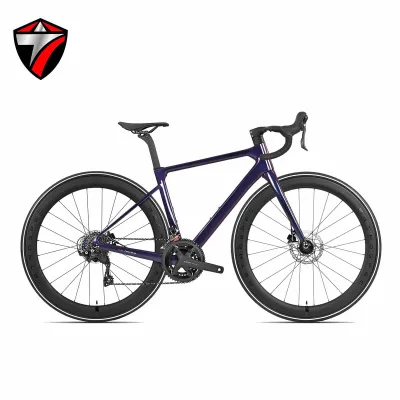
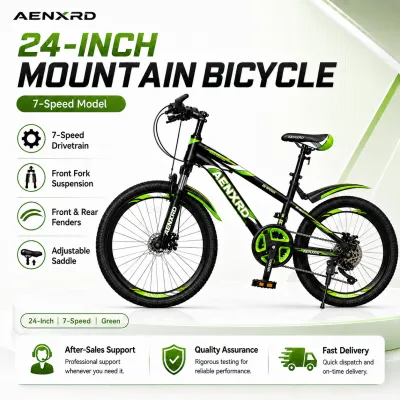
Prices are valid at publication and may change. Please refer to the product page for the latest price.
Local road hazards require careful consideration. Many urban areas feature sudden potholes, uneven concrete slabs, exposed steel drainage grates, and loose gravel patches. If your daily route is filled with these obstacles, a bike with narrow, high-pressure tires will transmit every impact directly to your body and increase your risk of pinch flats or loss of control.
Elevation also plays a crucial role in your decision. If you live or ride in hilly regions like Antipolo, Tagaytay, or the mountainous areas of northern Luzon, you will need a wide gear range to handle steep, sustained climbs comfortably. Conversely, if your routes are limited to flat coastal plains or urban business districts, a simpler, lighter drivetrain with fewer gears may be perfectly adequate.
Many riders face mixed-terrain journeys where conditions change rapidly. A single trip might start on a smooth, multi-lane highway, transition to a narrow bike lane filled with debris, and end on a rough, unpaved alleyway. If your commute involves these sudden transitions, you must prioritize versatility and tire clearance over specialized, single-purpose designs.
Define Your Riding Goals and Daily Lifestyle Needs
Your motivation for cycling determines the features you should prioritize. If your primary goal is high-intensity fitness, long-distance training, or joining weekend group rides, you will want a bike designed for speed, aerodynamic efficiency, and lightweight performance. Comfort is still important, but it is balanced against the desire to cover distance quickly.

If your goal is a practical daily commute, your priorities will shift toward utility and convenience. You must consider the distance of your commute and how to manage the tropical heat. Carrying a heavy backpack can cause excessive sweating, so a commuter bike should ideally have mounting points for rear racks, panniers, or front baskets to keep the weight off your back.
Be honest about your off-road aspirations. Many beginners buy rugged-looking bikes with heavy front suspension and wide, knobby tires, imagining they will tackle mountain trails on the weekend. If you realistically plan to stick to paved city streets and smooth park paths, carrying that extra off-road weight and rolling resistance will only make your daily rides more exhausting.
Multi-modal commuting is another major lifestyle factor to consider. If you need to combine cycling with public transportation, such as taking your bike onto the MRT or LRT, or if you need to fit it into a compact car trunk, a standard full-sized bike will present significant logistical challenges. Your living situation also matters; storing a full-sized bicycle in a high-rise condominium or a small apartment requires dedicated space that may not always be available.
Match Your Riding Profile to the Ideal Bike Category
Once you have mapped your terrain and defined your lifestyle needs, you can match your profile to the appropriate bicycle category. Each type of bike is engineered with specific trade-offs in speed, comfort, durability, and portability.
Road Bikes
Road bikes are built for speed, efficiency, and long-distance endurance on paved surfaces. They feature lightweight frames, drop handlebars that allow for multiple hand positions, and narrow, high-pressure tires designed to minimize rolling resistance. The riding position is typically aggressive and forward-leaning, which improves aerodynamics but requires some core strength and flexibility.
This category is highly suited for fitness enthusiasts, endurance riders, and those who have access to well-maintained asphalt or dedicated cycling tracks. However, road bikes are highly vulnerable to road debris, potholes, and wet metal grates. The narrow tires offer very little shock absorption, making them a harsh and potentially risky choice for poorly maintained city streets.
Mountain Bikes
Mountain bikes (MTBs) are engineered for durability and control on rough, off-road terrain. They are equipped with wide, knobby tires that provide excellent traction on dirt, mud, and gravel. They also feature flat handlebars for better steering control and suspension systems—either a front suspension fork (hardtail) or both front and rear shocks (full suspension) to absorb heavy impacts.
While a mountain bike can easily roll over potholes and broken pavement, it is often inefficient for city riding. The heavy frame, soft suspension, and wide tires create high rolling resistance, meaning you must expend significantly more energy to maintain speed on smooth asphalt. Choose an MTB if you plan to ride actual dirt trails, steep rocky fire roads, or deeply degraded rural pathways.
Hybrid and Gravel Bikes
Hybrid and gravel bikes represent the versatile middle ground of modern cycling, offering a balanced solution for mixed-use riders. Hybrid bikes combine the upright, comfortable riding position of a mountain bike with the lighter frame and faster-rolling tires of a road bike. They are highly practical for casual city commuting, weekend park rides, and light paved paths.
Gravel bikes, on the other hand, feature drop handlebars similar to road bikes but are built with a more stable geometry and generous tire clearance. This design allows you to run wider, lower-pressure tires that can handle asphalt, dirt roads, and light singletrack with ease. If you want road-bike speed and hand positions but need the durability to handle rough pavement and light gravel adventures, a gravel bike is an exceptional choice.
Your choice between the two should depend on your posture preference. If you prefer a relaxed, upright view of traffic and simple flat-bar controls, choose a hybrid. If you prefer a sportier, more aerodynamic posture and plan to cover longer distances on mixed surfaces, go with a gravel bike.
Folding Bikes
Folding bikes are designed specifically for urban density, small living spaces, and multi-modal commuting. They feature smaller wheels—typically 16 to 20 inches—and a frame equipped with quick-release hinges that allow the entire bicycle to collapse into a compact package within seconds. This allows you to bring the bike inside your office, store it under a desk, or carry it onto public transit.
These convenience features come with clear mechanical trade-offs. The smaller wheels mean you will feel bumps and road vibrations more intensely, making them less stable on rough or unpaved roads. Additionally, the folding hinges represent structural wear points that require regular inspection and maintenance to ensure they remain secure.
This category is highly recommended for last-mile commuters, condominium dwellers, and anyone who lacks access to secure, covered outdoor bicycle parking.
Check Practical Constraints Before Making a Purchase
Before finalizing your purchase, you must address several real-world logistical, environmental, and financial constraints. These practical factors will ensure that your investment remains safe, functional, and enjoyable over the long term.
Storage and Security Consider where your bike will be stored both at home and at your destination. Leaving a bicycle outdoors exposes it to theft and weather damage. If you must park your bike in public spaces, invest in a high-quality, heavy-duty U-lock and learn how to secure both the frame and the wheels. If indoor storage is your only option, measure your available floor or wall space before buying a full-sized model.
Climate and Maintenance Our tropical climate brings high humidity, intense heat, and frequent heavy downpours, especially during the monsoon season. Rain, mud, and road salt can quickly degrade your drivetrain and cause steel components to rust. Always consult the manufacturer’s care instructions for your specific model. To keep your bike running smoothly in wet conditions, plan to clean your drivetrain regularly, apply wet-weather chain lubricant, and install full-coverage mudguards to protect both yourself and your bike’s moving parts.
Budget Allocation When planning your purchase, do not spend your entire budget on the bicycle alone. You must allocate a portion of your funds for essential safety and utility gear. Ensure your budget covers a properly certified helmet, high-visibility front and rear lights, a floor pump, and a basic repair kit containing tire levers, spare tubes, and a multi-tool. As a general guide, budget categories in the local market sit in these broad bands:
- Entry-Level Commuter Bikes: ₱8,000 to ₱15,000
- Mid-Range Versatile Bikes: ₱15,000 to ₱40,000
- Premium Performance Builds: ₱40,000 and above
Fit and Sizing A poorly fitting bike can cause chronic pain in your knees, back, and neck, eventually discouraging you from riding altogether. Avoid relying on generic height-to-frame-size charts, as frame geometry and sizing labels (such as Small, Medium, or Large) vary significantly between different brands and models. Always consult the manufacturer’s specific size chart. When testing a bike, perform a stand-over height check: stand flat-footed over the top tube and ensure there is at least one to two inches of clearance for road and hybrid bikes, and two to four inches for mountain bikes.
Frequently Asked Questions (FAQ)
Is a mountain bike suitable for daily city commuting?
While a mountain bike is highly durable and can easily roll over deep potholes, it is generally inefficient for daily commuting on paved city streets. The heavy frame, wide knobby tires, and suspension system create significant rolling resistance and absorb your pedaling energy, making your ride slower and much more physically exhausting. Unless your daily commute consists of severely broken, unpaved roads or active construction zones, a hybrid, gravel, or city bike will provide a much faster and more comfortable ride.
How do I determine the correct bike frame size for my height?
To find the correct frame size, always consult the specific geometry and sizing charts provided by the bicycle manufacturer, as sizing standards vary widely between brands. You should also perform a stand-over height check by standing flat-footed over the frame’s top tube; you need a safe clearance of at least an inch or two between the metal tube and your body. If you are purchasing in person, ask the shop staff for a basic fitting, or carefully check the retailer’s exchange and return policy if you are buying online.
Should I buy a new or second-hand bike as a beginner?
Buying a new bike is generally safer for beginners because it comes with a manufacturer’s warranty, guaranteed component condition, and professional assembly from the shop. The second-hand market offers excellent value and access to higher-end models for a lower price, but it requires mechanical knowledge to spot hidden damage. If you choose to buy a used bike, inspect the frame thoroughly for cracks or dents, check the drivetrain and brakes for excessive wear, and consider bringing an experienced cyclist or mechanic along to help you evaluate the bike’s condition.
Community discussion
Share your experience or ask a question. Comments are reviewed before publication.