
Choosing a bicycle depends on matching its design to your terrain, distance, and storage constraints. In the Philippines, this decision also means accounting for tropical weather, sudden downpours, varied road quality, and dense urban traffic. By aligning a bike’s features with your daily routines, you can ensure a comfortable, safe, and highly functional ride. Whether you are navigating city streets, exploring provincial backroads, or tackling rugged trails, understanding the differences between mountain, road, hybrid, and folding bikes is the first step toward a successful purchase.
Assess Your Riding Terrain and Distance
Before selecting a model, evaluate the surfaces you will encounter most frequently. Paved urban streets and dedicated bike lanes offer relatively predictable riding, but they can still feature unexpected hazards like drainage grates, potholes, and debris. If your route consists entirely of smooth, well-maintained asphalt, a bike designed for speed and efficiency will serve you well. However, if your daily route involves broken pavement, gravel paths, or unpaved shortcuts, you will need a bicycle that offers wider tire clearance and a robust frame to handle the vibrations.
Distance is another critical factor in your decision-making process. Short-distance daily commutes of under five kilometers require different design priorities than long-distance endurance rides or weekend touring trips. For brief trips, comfort, an upright riding position, and the ability to carry cargo might outweigh pure speed. Conversely, if you plan to cover thirty kilometers or more in a single session, aerodynamic efficiency, lightweight materials, and multiple hand positions become essential to prevent fatigue and maintain a steady pace.
Products mentioned in this guide
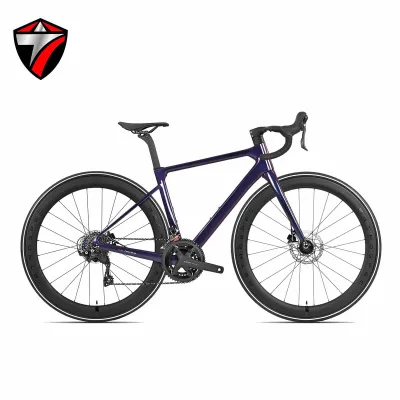
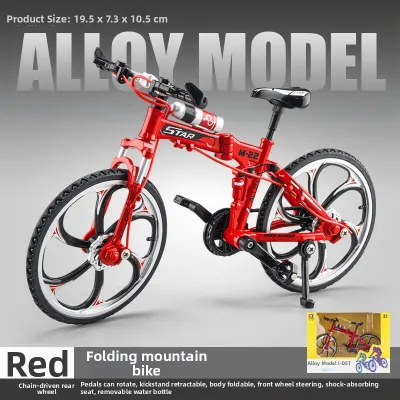
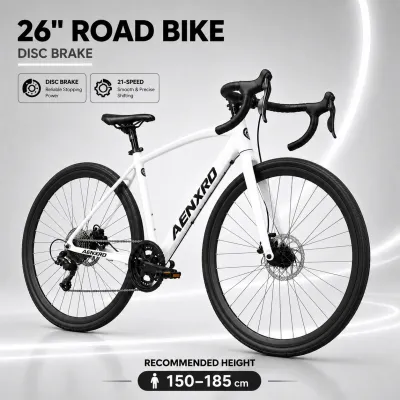
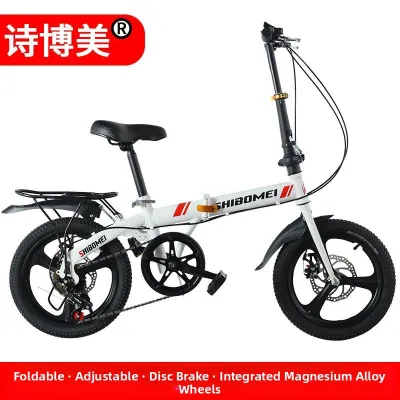
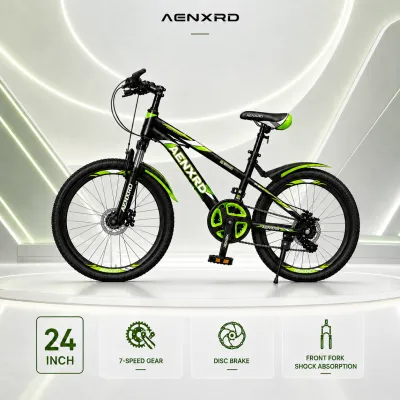
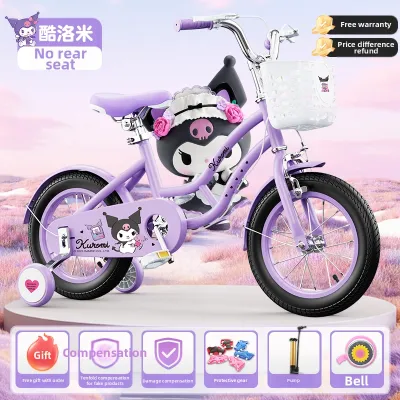
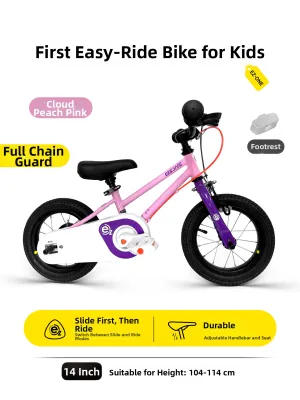
Prices are valid at publication and may change. Please refer to the product page for the latest price.
Many riders find themselves on mixed-terrain routes that demand high versatility. A route that transitions from smooth highway shoulders to gravel paths or muddy lanes during the rainy season requires a bike that can adapt. In these scenarios, look for frames that accommodate medium-to-wide tires with a versatile tread pattern—smooth in the center for fast rolling on pavement, but textured on the sides for cornering grip on loose dirt. Gearing also plays a major role; a wide gear range is necessary to tackle steep climbs without exhausting yourself.
Evaluate Your Storage Space and Portability Needs
Your living situation and daily transit habits are just as important as the roads you ride. Indoor storage is a primary concern for those living in apartments, condominiums, or shared housing spaces where floor space is limited. Storing a full-sized bicycle in a small unit can quickly become a daily hassle, blocking hallways or cluttering living areas. If you do not have access to a secure, covered bicycle room, you must consider how easily a bike can be integrated into your personal living space without causing obstruction.

Portability also extends to how you travel when you are not riding. If your commute requires combining cycling with public transportation, such as light rail systems or buses, a standard full-sized bicycle may not be permitted or practical during peak hours. Similarly, if you enjoy traveling to different provinces for weekend rides, you must evaluate how easily the bike fits into a car trunk, a backseat, or onto an external vehicle rack. A bike that is difficult to transport often ends up staying at home.
Security is another vital factor that influences storage choices. Leaving a bicycle locked on outdoor racks for extended periods exposes it to both theft and the harsh tropical elements, which can accelerate rust and wear on sensitive components. Bringing your bike indoors—whether at home or at your workplace—is often the most reliable way to protect your investment. If your office building has strict rules against bringing full-sized bicycles into passenger elevators, a highly compact, portable design becomes an absolute necessity.
Match Bike Categories to Your Riding Profile
To find your ideal match, you must weigh the trade-offs of speed, comfort, and utility against your terrain and storage constraints. No single bicycle excels in every environment, so identifying your primary riding profile will guide you to the category that minimizes compromises.
Mountain Bikes (MTB)
Mountain bikes are engineered specifically for off-road trails, steep climbs, and rugged terrain. They feature robust suspension systems—either a front suspension fork or both front and rear suspension—designed to absorb heavy impacts from rocks, roots, and drops. Their wide, knobby tires provide traction on loose dirt, mud, and wet surfaces, while their durable frame geometry positions the rider in an upright, stable stance for better control over technical obstacles.
However, these off-road advantages come with clear trade-offs when transitioning to smooth pavement. The heavy frame construction, suspension components, and wide tires add significant weight, making mountain bikes slower and more physically demanding to pedal on flat roads. The aggressive tread pattern of knobby tires also creates high rolling resistance and noticeable noise on asphalt, meaning you will expend more energy to maintain the same speed as a road or hybrid bike.
Road Bikes
Road bikes are built for speed, efficiency, and long-distance performance on paved surfaces. They are characterized by lightweight frames, narrow, high-pressure tires that minimize rolling resistance, and drop handlebars that allow for multiple hand positions. This design encourages an aerodynamic, forward-leaning riding posture, which helps you cut through the wind and maintain high speeds over long distances with less effort.
The trade-off for this speed is a reduction in versatility and comfort on rough surfaces. Narrow tires and rigid frames offer very little shock absorption, meaning you will feel every bump, crack, and pothole on the road. Additionally, the aggressive, bent-over riding position can put strain on your back, neck, and wrists if you are not accustomed to it, making road bikes less suitable for casual riders or those navigating highly congested urban areas with frequent stops.
Hybrid Bikes
Hybrid bikes combine the best features of road and mountain bikes to create a versatile, comfortable option for mixed-terrain riding. They typically feature flat handlebars and an upright riding position that provides excellent visibility in traffic and reduces strain on your body. Their medium-width tires strike a balance between speed on pavement and stability on light gravel or packed dirt paths, making them highly adaptable.
This versatility makes hybrid bikes an outstanding choice for casual fitness, daily city commuting, and weekend recreational rides. While they are not as fast as dedicated road bikes on smooth asphalt, nor as capable as mountain bikes on technical off-road trails, they perform exceptionally well in the middle ground. They offer a practical, user-friendly experience for riders who want a single bicycle that can handle a variety of everyday scenarios.
Folding Bikes
Folding bikes are designed with ultimate portability and compact storage in mind. Featuring a specialized frame hinge mechanism, these bikes can be folded down into a fraction of their original size in a matter of seconds. They typically use smaller wheels—usually 16 or 20 inches—and feature highly adjustable seatposts and handlebars to accommodate riders of various heights, making them incredibly convenient for multi-modal commuting and tight living spaces.
The primary compromise of a folding bike lies in its ride characteristics. The smaller wheel size means you will feel bumps more acutely, and the bike may feel less stable at high speeds compared to a full-sized frame. Additionally, the presence of frame hinges requires regular inspection to ensure they remain secure and free of play, and the overall frame geometry may not feel as stiff or efficient during steep climbs or long-distance endurance rides.
Factor in Fit, Comfort, and Practical Accessories
Once you have selected a bike category, ensuring a proper fit is crucial for long-term comfort and injury prevention. Always consult the manufacturer’s specific size charts, as sizing can vary significantly between brands. If possible, perform a test ride to verify the standover height—ensuring you can comfortably clear the top tube when standing over the bike—and check that the reach to the handlebars does not leave you feeling overly stretched or cramped.
Practical accessories can dramatically improve your daily riding experience, especially in tropical climates. Look for frames that feature built-in mounting eyelets, which allow you to securely install full-coverage fenders to block muddy water during sudden downpours, and rear racks for carrying bags or groceries. Bottle cages are another essential addition to keep hydration within easy reach during hot, humid rides.
Finally, when planning your purchase, remember to budget for essential safety gear and maintenance tools alongside the price of the bicycle. Set aside a portion of your budget in Philippine Pesos (₱) to cover a high-quality helmet, front and rear safety lights for low-light visibility, a loud bell, a reliable floor pump, and a basic multi-tool for roadside adjustments. Investing in these essentials from day one ensures you are fully prepared for a safe, enjoyable, and self-sufficient cycling journey.
Frequently Asked Questions (FAQ)
Can I use a mountain bike for daily city commuting?
Yes, you can use a mountain bike for daily city commuting, but it requires more physical effort due to the heavier frame and high rolling resistance of knobby tires. To improve efficiency on paved streets, consider swapping your knobby tires for slick or semi-slick commuter tires, and lock out your front suspension if your fork has that feature to prevent energy loss while pedaling.
Are folding bikes durable enough for rough roads?
Folding bikes can handle typical urban road imperfections, but they are not designed for severe off-road riding or high-impact obstacles. Continuous vibrations from rough roads can put stress on the folding hinges and latches over time. To ensure long-term reliability, regularly inspect the hinge mechanisms for tightness, perform routine lubrication, and strictly adhere to the manufacturer’s specified weight limits.
Community discussion
Share your experience or ask a question. Comments are reviewed before publication.