
Selecting the right boxing gloves for your home workouts is the most critical decision you will make for your hands, wrists, and overall training consistency. The ideal glove depends entirely on your specific activity, as a glove designed for high-impact heavy bag work serves a completely different purpose than one built for rapid shadow boxing or precision drills. Using the wrong gear can lead to hand fatigue, improper form, or joint strain, while the right pair enhances your technique and keeps you training safely.
In a tropical climate like the Philippines, where high humidity and heat are daily factors, your choice also dictates how well your gear holds up over time. Sweat buildup can quickly degrade materials and cause persistent odors if your gloves lack proper ventilation. By matching your glove type to your specific home routine, you ensure optimal protection, comfort, and equipment longevity.
Quick Guide: Matching Gloves to Your Home Workout
To build a successful home boxing routine, you must first align your equipment with your primary training activities. Different workouts place unique demands on your hands and require specific glove designs to balance protection and mobility.
Products mentioned in this guide
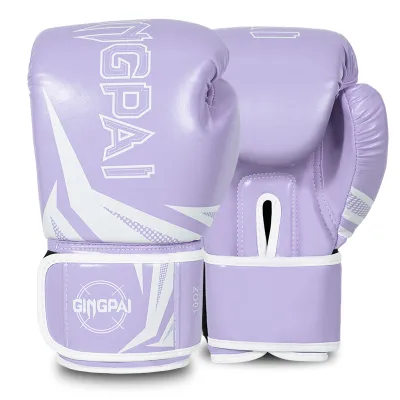
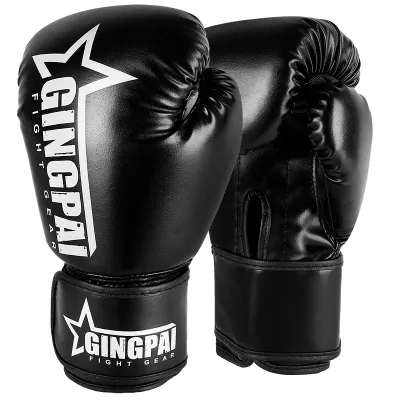
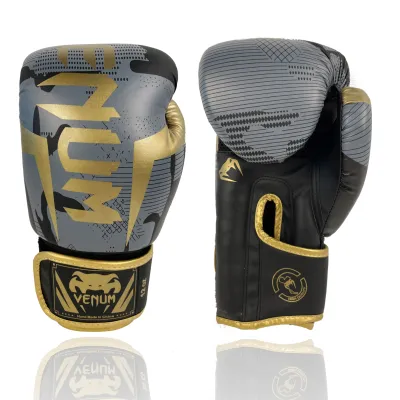
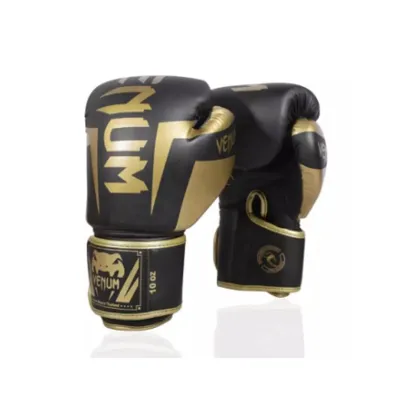
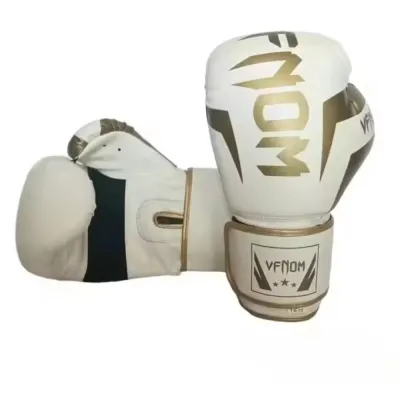
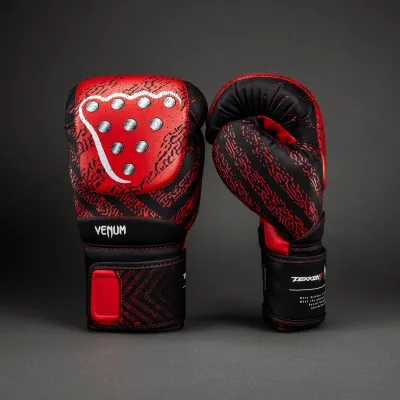
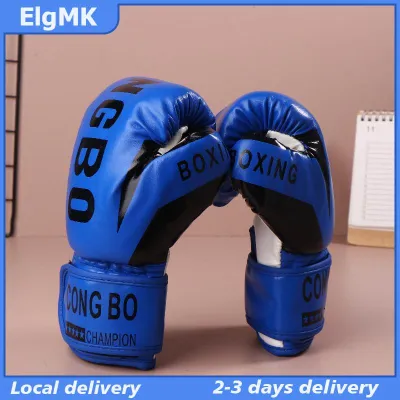
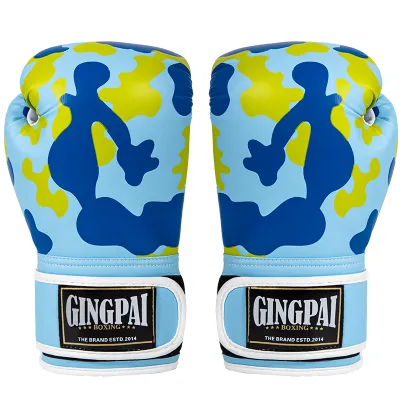
Prices are valid at publication and may change. Please refer to the product page for the latest price.
- Heavy Bag Work: Requires heavy bag gloves or standard training gloves (typically 14oz to 16oz) featuring dense, multi-layered padding to absorb high-impact forces.
- Shadow Boxing: Best performed with very light training gloves (10oz or under), specialized shadow boxing gloves, or simple hand wraps to focus on speed and form.
- Double-End Bag & Precision Drills: Requires compact, lightweight gloves (8oz to 10oz) that allow for rapid hand speed and precise target alignment.
- General Fitness & Cardio: Benefits from highly breathable fitness gloves (12oz) with easy hook-and-loop closures for quick transitions between exercises.
Before purchasing any pair, always check the manufacturer’s labels and product descriptions to verify the intended use. Look closely at the wrist support features, such as wide, rigid hook-and-loop straps, which are essential for maintaining proper joint alignment during home workouts where a coach is not present to correct your form.
Heavy Bag Work: Prioritizing Knuckle Protection and Shock Absorption
Training on a heavy bag involves repetitive, high-impact strikes against a dense, resisting target. Without adequate protection, the shock of each punch travels directly into your knuckles, wrist, and elbow joints. For this activity, your primary focus must be on padding density and structural support.

When evaluating gloves for heavy bag work, look for multi-layered foam or gel-infused padding designed specifically for impact absorption. You can test the density of a glove by pressing firmly on the knuckle area with your thumb; the padding should feel highly resistant and spring back immediately rather than bottoming out. Avoid soft, pillowy sparring gloves for heavy bag work, as the dense material of the bag will quickly compress the soft foam, leaving your knuckles vulnerable.
Wrist stability is equally critical when delivering power shots. Inspect the glove’s closure system to ensure the strap is wide, thick, and made of rigid material that wraps fully around your wrist joint. This structure acts as a splint, preventing your wrist from bending upward, downward, or sideways upon impact.
Always monitor your hands for observable signs of inadequate protection during your sessions. If you experience a sharp sting in your knuckles, soreness in the back of your hand, or minor wrist pain after a workout, stop training immediately. These symptoms indicate that the gloves are either worn out, improperly fitted, or lack the necessary padding density for your striking power.
Shadow Boxing: Focusing on Speed, Feedback, and Wrist Stability
Shadow boxing is the practice of throwing combinations in the air to refine your footwork, speed, and punching form. Because you are not striking a physical target, your hands do not require thick, shock-absorbing padding. Instead, your gear should prioritize lightweight mobility and natural hand movement.
Using lighter gloves, typically 10oz or less, allows you to maintain fast hand combinations without prematurely fatiguing your shoulders. These lighter options provide immediate physical feedback, allowing you to feel the exact trajectory of your punches and notice any flaws in your technique. Many home fitness enthusiasts prefer simple hand wraps or very light, form-fitting gloves for this stage of training.
An ergonomic fit is essential for shadow boxing. The glove’s inner compartment must allow you to make a natural, tight fist without forcing your hand muscles to fight against stiff, bulky materials. If you have to strain just to close your hand inside the glove, your forearm muscles will tire quickly, leading to poor form and dropped hands.
Avoid the temptation to use heavy, bulky bag gloves for pure shadow boxing routines. Throwing full-power punches into the air with heavy gloves increases the risk of hyperextending your elbows, as there is no physical bag to stop the momentum of your strike. Keeping your shadow boxing gear light and compact protects your joints and keeps your movements sharp.
Double-End Bag and Precision Drills: Enhancing Accuracy and Timing
Double-end bags and reflex balls move rapidly and unpredictably, requiring quick reflexes, precise timing, and accurate targeting. Training with this equipment helps you develop hand-eye coordination rather than raw power, which influences the type of glove you should select.
For precision drills, choose gloves with a smaller striking surface and a highly snug, secure fit. A compact glove profile ensures that you can see the target clearly and make clean contact without the bulky edges of the glove clipping the tension cords. The snug fit prevents the glove from shifting or sliding on your hand when you strike the moving bag at angles.
Review product descriptions to verify that the gloves are constructed from lightweight materials, usually weighing between 8oz and 10oz. This lightweight design ensures your hands can transition quickly between offensive punches and defensive head movement. Check the manufacturer’s intended use cases to confirm the gloves are rated for speed and precision work rather than heavy impact.
General Fitness and Cardio Boxing: Balancing Comfort and Versatility
If your home workouts consist of boxing aerobics, high-intensity interval training (HIIT), or light conditioning, you need versatile gear. These workouts often mix light bag work with floor exercises like push-ups, mountain climbers, or jumping jacks.
In these fast-paced sessions, prioritize breathability and moisture management. Look for gloves featuring mesh palms, ventilation holes, and moisture-wicking inner linings. In warm, humid environments, these features are vital to keep your hands dry, prevent slippage inside the glove, and reduce the buildup of odor-causing bacteria.
Ease of use is another key factor for cardio boxing. Select gloves with simple, flexible hook-and-loop closures that allow you to slip the gloves on and off in seconds without assistance. This convenience is crucial when you need to transition quickly from punching to holding hand weights or performing floor stretches.
If your routine is primarily fitness-focused with only occasional, light contact on a soft bag, a single pair of general training gloves (12oz) is usually sufficient. However, if you decide to progress to high-impact power training on a heavy bag, you must transition to dedicated bag gloves to protect your hands from the increased force.
Building Your Home Boxing Glove Setup: Budget and Space Considerations
When establishing your home boxing corner, you must balance your training goals with your budget and available space. You do not necessarily need to buy multiple pairs of specialized gloves immediately; instead, prioritize your purchases based on your primary activity.
If you plan to train three times a week on a heavy bag and only shadow box occasionally, allocate the majority of your budget—typically ₱2,500 to ₱5,000—to a high-quality, durable pair of heavy bag gloves. If your budget is limited, a versatile pair of 14oz training gloves can serve as a practical starting point for both light bag work and general fitness drills.
Storing and maintaining your gear is especially important in humid climates to prevent mold and material degradation. Avoid leaving your gloves inside a closed gym bag or in a dark, unventilated closet after a workout. Instead, find a dedicated, dry space in your home where you can hang or place your gloves to air out completely.
Always follow the manufacturer’s care instructions to maximize the lifespan of your gloves. Wipe the exterior clean with a damp cloth after every session, and use moisture-absorbing inserts or glove deodorizers to dry the interior. Never expose your gloves to direct, intense tropical sunlight for extended periods, as extreme heat can dry out and crack both synthetic and genuine leather materials.
Frequently Asked Questions (FAQ)
Can I use the same pair of boxing gloves for both heavy bag and shadow boxing?
While you can use one pair of training gloves for both activities, it requires physical compromises. Heavy bag gloves are thick and heavy to absorb impact, which can slow down your hand speed and increase the risk of elbow hyperextension during shadow boxing. Conversely, light shadow boxing gloves do not have the padding required to protect your knuckles on a heavy bag. If you must use one pair, a versatile 12oz or 14oz training glove is the most balanced compromise, provided you control your power on the bag.
How do I know if my boxing gloves are worn out and need replacing?
You should inspect your gloves regularly for clear signs of wear and tear that compromise safety. Replace your gloves immediately if you observe any of the following conditions:
- Padding degradation: The foam feels soft, lumpy, or bottoms out completely when you press on the knuckles.
- Lining tears: The inner fabric is ripped, exposing the internal foam or scratching your hands.
- Closure failure: The hook-and-loop straps no longer grip securely, causing the glove to slip and compromising wrist support.
- Persistent odor: A strong, sour smell that remains even after thorough drying, indicating deep-seated bacteria that can cause skin irritation.
Community discussion
Share your experience or ask a question. Comments are reviewed before publication.