
Selecting the right handwrap for boxing at home is a critical decision that directly impacts your hand safety, training consistency, and overall comfort. Because you are training solo without a coach on hand to monitor your form or check your gear, choosing a wrap that matches your skill level and workout intensity is paramount to preventing painful wrist strains or knuckle bruising.
There is no single universal handwrap that excels in every home training scenario. The ideal choice depends on your experience, the type of bag you are hitting, and how much time you are willing to dedicate to learning wrapping techniques. Traditional cotton wraps offer unmatched durability and rigid support for those who know how to wrap properly, while Mexican-style elastic wraps provide a forgiving, contouring fit that suits the vast majority of home boxers. Meanwhile, gel inner gloves offer maximum convenience for quick, light workouts where speed of setup is your top priority.
Understanding the Three Main Handwrap Types
To make an informed decision for your home gym, you must first understand the structural and material differences between the three primary options available on the market. Each design approaches hand protection, wrist stabilization, and user convenience from a different engineering perspective.
Products mentioned in this guide
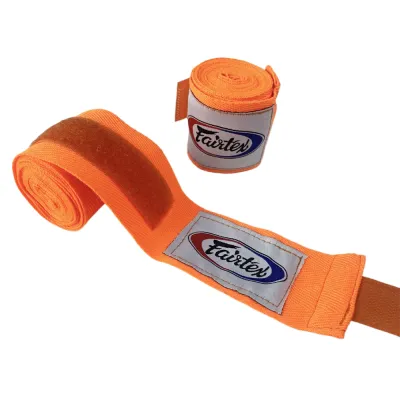
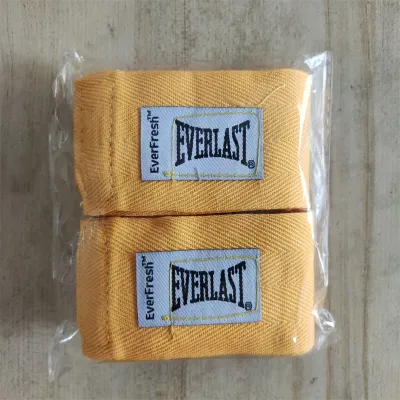
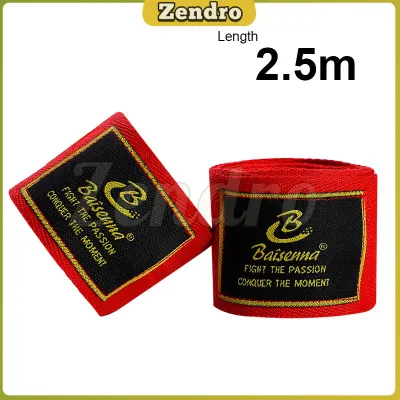
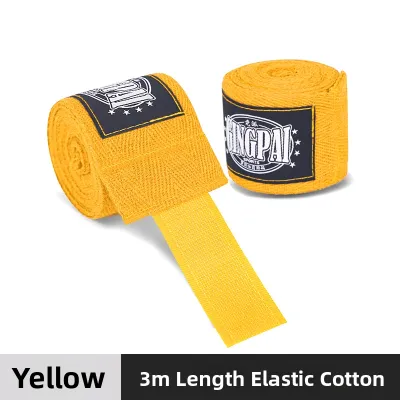
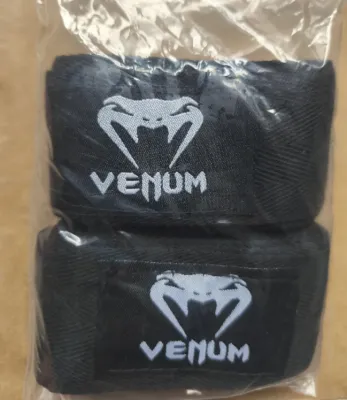
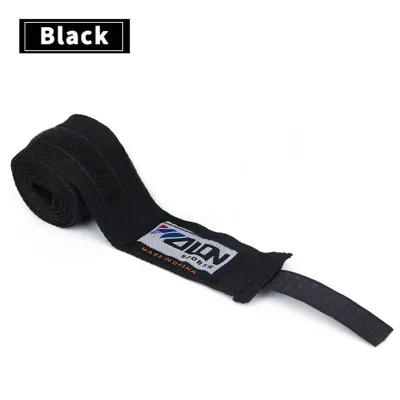
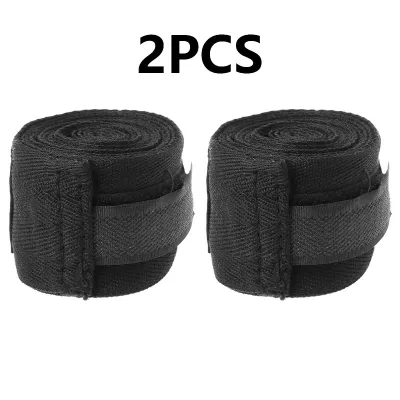
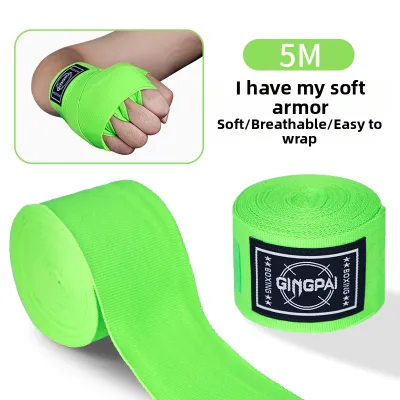
Prices are valid at publication and may change. Please refer to the product page for the latest price.
Traditional Cotton Handwraps
Traditional handwraps are made from 100% woven cotton and feature no stretch or elasticity. These wraps rely entirely on the user’s wrapping technique to achieve the correct tension and structural support. Because the fabric is rigid, it creates a highly solid, unyielding barrier around the hand once properly applied. They typically feature a thumb loop at one end and a hook-and-loop closure at the other to secure the wrap in place.
Mexican Style Elastic Handwraps
Mexican-style handwraps are constructed from a blend of cotton and synthetic elastic fibers, such as spandex or elastane. This material composition gives the wrap a distinct semi-stretch quality. The elasticity allows the fabric to stretch slightly as you wrap, conforming naturally to the unique contours of your hand, knuckles, and wrist. This flexibility makes them highly adaptable and secure, maintaining their position even during dynamic, high-volume punching sessions.
Gel and Quick Wraps
Gel wraps, also known as quick wraps or inner glove wraps, abandon the traditional strip-of-fabric design entirely. Instead, they are slip-on gloves, usually made of neoprene or polyester, featuring a thick layer of gel or foam padding stitched directly over the knuckle area. They typically include a short, integrated hook-and-loop strap designed to wrap around the wrist a few times. This design eliminates the need for complex wrapping patterns, allowing you to slide them on and off in seconds.
Key Comparison Dimensions for Solo Home Training
When training alone at home, you face unique challenges that do not exist in a commercial boxing gym. Without a trainer to guide your hand placement or check your equipment, you must evaluate handwraps across several practical dimensions to ensure you remain injury-free and consistent.

Protection and Knuckle Support
When you strike a heavy bag at home, the impact force travels directly back through your hand, putting immense stress on the delicate metacarpal bones and the wrist joint. Traditional and Mexican-style wraps excel here because they allow you to customize where you place the fabric. If your knuckles are sore, you can add extra layers over your punching surface; if your wrists feel weak, you can redirect the length to lock your wrist joint in place. Gel wraps provide excellent, consistent impact absorption directly over the knuckles, but they offer significantly less structural support to the wrist and the lateral bones of the hand, which can increase the risk of wrist hyperextension on off-center hits.
Ease of Self-Wrapping
Wrapping your own hands requires practice, coordination, and patience. Traditional cotton wraps are notoriously difficult for beginners to apply to themselves because the non-stretch fabric does not forgive mistakes. If you pull too hard, you restrict circulation; if you wrap too loosely, the fabric slips and bunches inside your glove mid-workout. Mexican-style wraps are far more user-friendly for solo training because the semi-stretch material holds its position against your skin as you transition from the wrist to the fingers, making it much easier to achieve consistent tension. Gel wraps require no technique whatsoever, making them the easiest option for anyone who wants to avoid the learning curve entirely.
Breathability and Maintenance
In a warm, humid tropical climate like the Philippines, managing sweat and moisture is a major operational challenge for home training. Woven cotton wraps absorb a high volume of sweat, which can make them heavy during long workouts, and they require careful washing to prevent tangling. Mexican-style wraps dry slightly faster due to their synthetic fiber content, but they still require regular washing. Gel wraps, often made of thick neoprene and dense gel, trap heat and moisture inside your boxing gloves. This makes them highly susceptible to harboring odor-causing bacteria and mold if they are not thoroughly washed and dried in a well-ventilated space after every single use.
Handwrap Comparison Matrix
| Handwrap Type | Material Composition | Wrist Support Level | Ease of Self-Wrapping | Ideal Training Intensity |
|---|---|---|---|---|
| Traditional | 100% Woven Cotton | High (Customizable) | Challenging (No stretch) | Moderate to High |
| Mexican Style | Cotton-Spandex Blend | High (Customizable) | Moderate (Semi-stretch) | High (Heavy Bag Work) |
| Gel / Quick Wraps | Neoprene & Gel/Foam | Low to Moderate | Very Easy (Slip-on) | Low to Moderate |
Detailed Breakdown: Pros, Cons, and Ideal Users
To determine which handwrap best fits your home setup, it is helpful to look at the specific trade-offs of each type. Every design has distinct advantages and drawbacks that affect its long-term utility.
Traditional Cotton Handwraps
Traditional cotton wraps are the time-tested standard of the boxing world, favored by purists who appreciate classic gear.
- Pros: They are incredibly durable and can withstand hundreds of wash cycles without losing their structural integrity. Because the fabric does not stretch, it provides a highly rigid, cast-like support system that firmly locks the wrist and knuckles in place once applied correctly.
- Cons: They have a steep learning curve. Any error in your wrapping technique can cause the wrap to loosen during a workout, requiring you to stop, take off your gloves, and rewrap. They also tend to twist and tangle easily in the washing machine, making maintenance a chore.
- Ideal User: Experienced home trainees who have already mastered wrapping techniques, or dedicated beginners who are committed to learning the traditional method and prefer a highly rigid feel.
Mexican Style Elastic Handwraps
Mexican-style wraps are the most popular choice for modern boxers, offering a versatile balance of comfort and security.
- Pros: The semi-stretch material conforms beautifully to the hand, reducing the risk of the wrap shifting or slipping inside your glove. They are much easier to apply to your own hands because the elastic tension holds the previous layers in place as you wrap. They provide excellent, customizable support for both the knuckles and the wrists.
- Cons: The elastic fibers degrade over time when exposed to sweat, body oils, and heat, meaning they will lose their stretch and need replacement sooner than traditional cotton wraps. There is also a risk of wrapping them too tightly, as the stretch can mask excessive tension until your hands start to feel numb.
- Ideal User: The vast majority of home fitness enthusiasts and boxers, from beginners to advanced trainees, who regularly hit a heavy bag and want secure, reliable protection.
Gel and Quick Inner Gloves
Gel wraps prioritize speed and convenience, making them a popular alternative to traditional fabric wraps.
- Pros: They offer instant application, allowing you to gear up and start your workout in under ten seconds. They provide thick, consistent, pre-formed cushioning over the knuckles, which is highly effective at absorbing direct impact forces during light workouts.
- Cons: They offer minimal wrist stabilization compared to a full-length fabric wrap. The bulk of the gel pad can also make it difficult to fit your hands inside standard, snug-fitting boxing gloves. Additionally, the enclosed neoprene design traps sweat, leading to rapid odor development if not maintained meticulously.
- Ideal User: Casual fitness enthusiasts, beginners doing light shadowboxing or speed-bag work, and anyone short on time who wants to avoid the ritual of wrapping.
How to Choose Based on Your Skill Level and Goals
To make your final decision, evaluate your home training routine against your personal goals, skill level, and available time.
Assess Your Training Routine
If your home workouts consist primarily of shadowboxing, light speed-bag work, or low-impact cardio boxing, your hands do not experience heavy impact. In this scenario, gel quick wraps or a shorter 120-inch Mexican-style wrap will provide sufficient protection and keep your glove interiors clean. However, if you are regularly hitting a heavy, dense bag, you need maximum joint stabilization. For heavy bag work, a 180-inch Mexican-style wrap is highly recommended to protect your wrists from bending under the force of your punches.
Evaluate Your Time Commitment
Applying a pair of traditional or Mexican-style wraps properly takes about three to five minutes per hand. If you find this process tedious, you may end up skipping wraps altogether—which is a major safety risk. If you only have twenty minutes for a quick home workout, the convenience of gel wraps might outweigh the structural benefits of fabric wraps. However, if you are serious about developing proper boxing technique and power, investing the time to learn how to wrap your hands is a fundamental part of your training.
Verify Your Glove Compatibility
Before purchasing, verify how your wraps will fit inside your boxing gloves. Gel wraps add significant bulk around the knuckles. If you use snug-fitting 10oz or 12oz gloves, a gel wrap may make it impossible to close your hand comfortably, leading to hand fatigue or joint strain. If you plan to use gel wraps, you will likely need to pair them with larger, more spacious gloves, such as 14oz or 16oz bag gloves. Mexican-style and traditional wraps are much lower in profile, allowing them to fit comfortably into a wider variety of glove sizes.
- Choose Traditional Cotton if: You want a long-lasting, highly durable wrap, already know how to wrap your hands, and prefer a rigid, non-stretch feel.
- Choose Mexican Style if: You want the safest, most secure fit for heavy bag training, appreciate a wrap that contours to your hand, and want to avoid slipping.
- Choose Gel/Quick Wraps if: You prioritize speed and convenience, do light-impact or shadowboxing workouts, and want to transition quickly between boxing and other exercises.
Essential Safety and Wrapping Tips for Solo Sessions
When training alone at home, you must take full responsibility for your safety. Following proper wrapping protocols and maintenance habits will keep your hands healthy and your gear fresh.
Perform Tension Checks
Because you do not have a coach to check your wraps, you must monitor your own circulation. After wrapping, perform a quick capillary refill test: press down firmly on one of your fingernails until it turns white, then release it. The color should return to pink within two seconds. If your fingers feel cold, tingle, turn blue, or lose sensation during your workout, immediately stop, remove the wraps, and reapply them with less tension. Never ignore numbness, as restricted blood flow can lead to nerve irritation.
Maintain Proper Wrist Alignment
Your handwrap should act as a supportive splint, keeping your wrist straight and aligned with your forearm upon impact. When wrapping, ensure you make enough passes around the wrist joint to prevent it from bending forward, backward, or sideways when you hit the bag. Remember that handwraps are designed to support your joints, not to compensate for poor punching technique. Always focus on landing your punches cleanly with the two largest knuckles of your hand (the index and middle fingers) to distribute the force safely.
Hygiene and Care in Humid Climates
In the humid climate of the Philippines, leaving sweaty wraps in a closed gym bag or a dark corner of your home is a recipe for mold, mildew, and severe odor. Always wash your wraps after every training session. To prevent them from tangling and stretching out in the washing machine, place them inside a mesh laundry bag and wash them on a gentle cycle.
Always air dry your wraps completely by hanging them in a well-ventilated, shaded area. Avoid using high heat in a clothes dryer, as excessive heat will quickly break down the elastic fibers in Mexican-style wraps and degrade the gel inserts in quick wraps. Ensure they are bone-dry before rolling them up for storage.
Frequently Asked Questions (FAQ)
Do I need handwraps if I am only shadowboxing at home?
Yes, wearing handwraps during shadowboxing is highly beneficial. Even though you are not striking a physical target, the rapid extension and snapping motion of your punches can put stress on your wrist joints. Wraps provide mild compression that supports these joints. Additionally, if you wear boxing gloves while shadowboxing, the wraps absorb your hand sweat, preventing moisture from building up inside your gloves and keeping them hygienic.
How long should my handwraps be for adequate wrist support?
For most adults, a length of 180 inches (approximately 4.5 meters) is the standard recommendation. This length provides enough material to wrap securely between your fingers, cover your knuckles, and make multiple supportive passes around your wrist joint. Shorter wraps, around 120 inches, are suitable for individuals with very small hands or for light workouts, but they generally do not offer enough material to provide adequate protection for intense heavy bag training.
Can I wash gel quick wraps in a washing machine?
You should always check the manufacturer’s care label on your specific pair of gel wraps first. While some gel quick wraps are advertised as machine washable on a gentle cycle, hand washing is generally the safest method to prolong their lifespan. The mechanical agitation of a washing machine can cause the internal gel or foam padding to shift, clump, or degrade over time. Washing them by hand in cool water with mild soap and letting them air dry completely is the best way to maintain their shape.
Community discussion
Share your experience or ask a question. Comments are reviewed before publication.