
Selecting the right bicycle is a highly personal decision that directly impacts your comfort, safety, and overall riding experience. Cannondale offers a diverse lineup of road, mountain, gravel, and hybrid bikes, each engineered with distinct frame geometries, tire clearances, and component specifications. Finding the ideal model requires matching these technical designs to your typical routes, fitness goals, and local environmental conditions.
Your choice should also reflect the unique physical demands of your riding environment. In tropical regions like the Philippines, high humidity, sudden heavy rainfall, and highly variable road surfaces demand a bike that can withstand moisture while providing consistent control. Understanding how different bicycle categories perform under these conditions is the first step toward making a confident, long-term investment.
Diagnose Your Riding Needs and Local Conditions
Before exploring specific models, you must clarify your primary cycling goals. Ask yourself whether you plan to use the bicycle for daily utility commuting, structured weekend fitness, long-distance endurance road riding, or rugged off-road trail adventures. Defining this primary purpose immediately narrows down the vast selection of frame styles and tire sizes.
Products mentioned in this guide
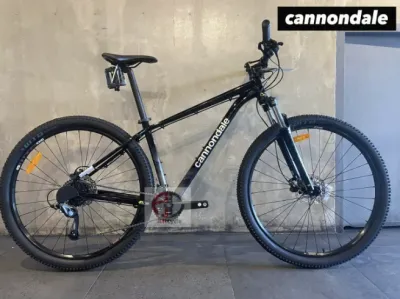
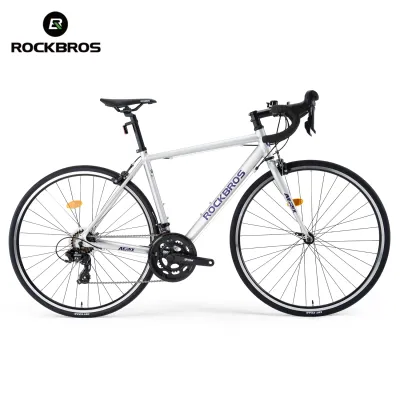
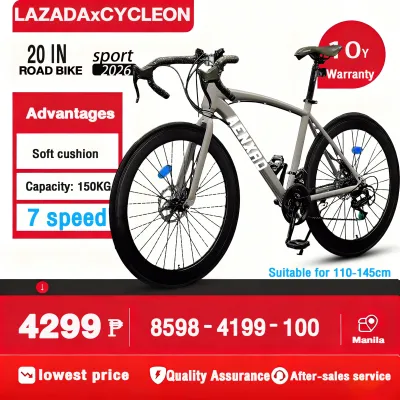
Prices are valid at publication and may change. Please refer to the product page for the latest price.
Next, evaluate the typical surfaces you will encounter. Your routes might consist of smooth, well-maintained city asphalt, but they are just as likely to include unpaved provincial roads, gravel pathways, or technical mountain trails filled with loose rocks, roots, and mud. A bike optimized for pristine pavement will feel unstable and fragile on gravel, while a heavy trail bike will feel sluggish and exhausting on a smooth commute.
Your riding frequency and current skill level should also guide your selection. Casual riders who ride once a week for leisure have different requirements than dedicated enthusiasts training for endurance events. Beginners generally benefit from stable, upright geometries that inspire confidence, while experienced riders often prioritize lightweight frames and aggressive positions that maximize power transfer.
Finally, local climate conditions play a decisive role in component longevity and safety. The intense heat, persistent humidity, and heavy monsoon rains common in tropical climates accelerate wear and corrosion on moving parts. To ensure durability, riders must prioritize robust frame materials, sealed bearings, and dependable braking systems that perform consistently in both dry heat and sudden downpours.
Match Your Terrain to the Right Cannondale Category
Cannondale designs its bicycles to target specific environments and riding styles. Selecting the wrong category can lead to physical discomfort, premature wear on components, or safety hazards if the bike is pushed beyond its intended limits. Aligning your riding terrain with the correct platform ensures optimal efficiency, control, and safety.

Road Bikes: Paved Routes and Speed
Road bikes are engineered strictly for paved surfaces, prioritizing efficiency, speed, and long-distance endurance. These models feature lightweight frames, narrow high-pressure tires, and dropped handlebars that allow for multiple hand positions. The riding posture is aggressive and aerodynamic, pulling your torso down to minimize wind resistance and maximize power transfer from your legs to the road.
This specialized design makes road bikes the preferred choice for fitness enthusiasts and club riders who stick to clean asphalt. However, they lack the tire clearance and suspension needed for rough roads, loose gravel, or mud. If your daily routes involve unpaved provincial sections, or if you need to carry heavy cargo racks for commuting, a pure road bike will feel harsh, unstable, and highly impractical.
Mountain Bikes: Trails and Technical Descents
If your vision of cycling involves escaping paved roads to explore rugged dirt trails, steep forest descents, and rocky paths, mountain bikes are built for the task. These bikes feature wide, knobby tires that provide essential traction on loose dirt, mud, and wet roots. They are built with robust frames and equipped with suspension systems—either front suspension forks on hardtails or dual suspension on full-suspension models—to absorb heavy impacts.
While mountain bikes offer unmatched control and safety on technical off-road terrain, they present clear trade-offs on paved surfaces. The wide tires and suspension systems add overall weight and create significant rolling resistance, making them noticeably slower and more exhausting to pedal on flat, smooth roads. If you plan to spend the majority of your time on asphalt, a mountain bike will require much more physical effort to maintain speed.
Gravel Bikes: Mixed Surfaces and Bikepacking
For riders who refuse to be limited by a single surface type, gravel bikes represent a highly versatile middle ground. These bikes utilize dropped handlebars similar to road bikes but feature a more stable, relaxed frame geometry and significantly wider tire clearance. This design allows you to transition seamlessly from smooth city streets to unpaved provincial roads, hard-packed dirt trails, and gravel paths.
Gravel bikes are also highly favored for bikepacking and self-sustained touring, as they typically feature numerous integrated mounting points for cargo racks, frame bags, and extra water bottles. The relaxed riding position is less demanding on your back and neck, offering excellent comfort during long hours in the saddle. While they are slightly slower on pristine pavement than dedicated road bikes, they offer an exceptional balance of speed, comfort, and off-road capability.
Hybrid and Fitness Bikes: City Commutes and Leisure
If your primary goal is practical transportation, daily commuting, or casual fitness rides around your neighborhood, hybrid and fitness bikes are an outstanding choice. These models combine the flat handlebars of a mountain bike with the lightweight, fast-rolling characteristics of a road bike. The flat handlebars place you in an upright, relaxed riding position, which dramatically improves your visibility in busy city traffic and reduces strain on your wrists and lower back.
Hybrid bikes are highly versatile and practical, often coming equipped with integrated mounts for cargo racks, fenders to block road spray during sudden tropical downpours, and kickstands. They are ideal for navigating urban streets, running errands, and enjoying casual weekend leisure rides on paved or light gravel paths. They offer a user-friendly experience without the complexity or aggressive posture of drop-bar bikes.
Evaluate Frame Materials and Key Components
Once you have identified the correct bicycle category, narrowing down your choices within that category requires evaluating the frame materials and component specifications. Cannondale offers models in both aluminum and carbon fiber. Aluminum frames are robust, cost-effective, and highly durable, making them an excellent choice for budget-conscious riders or those who prioritize impact resistance. Carbon fiber frames are significantly lighter and offer superior vibration damping, resulting in a smoother ride over rough surfaces, but they require a higher financial investment and careful handling to prevent structural damage from sharp impacts.
In a tropical climate where sudden rainstorms and wet roads are common, the braking system is a primary safety consideration. Hydraulic disc brakes are highly recommended over traditional rim brakes. They provide consistent, powerful stopping force with minimal hand effort, and their performance remains unaffected by wet rims, mud, or road grit.
Additionally, pay close attention to tire clearance and gearing ranges. Ensure the bike’s frame and fork can accommodate the tire width you need for your typical terrain, as wider tires can be run at lower pressures to improve comfort and grip. Gearing is equally important: if you plan to tackle steep climbs in mountainous regions, look for a drivetrain with a wide gear range and low gear ratios to make climbing manageable. Always verify the exact component specifications on the specific model year you intend to buy, as groupsets, wheels, and finishing kits vary significantly between price tiers.
Ensure Proper Sizing and Geometry for Your Body
No matter how high-quality a bicycle’s components are, it will not perform well or feel comfortable if the frame does not fit your body properly. Riding an incorrectly sized bike can lead to poor handling, inefficient power transfer, and physical discomfort or overuse injuries in your knees, back, and neck. To determine your correct frame size, start by taking accurate measurements of your height and inseam, then consult Cannondale’s official sizing charts for the specific model you are considering, keeping in mind that sizing is not uniform across different categories.
You must also consider the bike’s geometry, which defines your riding posture. Endurance or relaxed geometry features a taller head tube and a shorter reach, placing you in a more upright position that prioritizes comfort over long distances. In contrast, race or aggressive geometry features a lower front end and a longer reach, forcing your body into a low, aerodynamic tuck designed to maximize speed, though this position demands greater physical flexibility and core strength.
Because geometry charts and online measurements only tell part of the story, it is highly recommended to visit an authorized local dealer. A professional bike fit and a physical test ride are invaluable steps that allow you to feel how the bike handles, turns, and stops, ensuring a safe and comfortable investment that matches your physical proportions.
Frequently Asked Questions (FAQ)
Are Cannondale bikes a good choice for beginners?
Yes, provided you select the correct category and frame size for your specific goals rather than choosing based on brand prestige alone. Beginners often benefit most from versatile, stable models such as hybrid or entry-level gravel bikes, which offer comfortable upright riding positions and predictable handling. When planning your purchase, ensure your budget accounts for essential safety gear, including a high-quality helmet, front and rear safety lights, and a basic maintenance kit with a pump and spare tubes.
How should I maintain my bike in the humid Philippine climate?
Maintaining a bicycle in a humid, tropical climate requires consistent care to prevent rust and corrosion. After riding in the rain or on wet roads, wash away any road grime and dry the entire bike thoroughly with a clean cloth, paying close attention to the steel bolts, chain, and drivetrain components. Apply a high-quality wet or all-conditions chain lubricant regularly to repel moisture, and routinely inspect your brake pads, cables, and shifting components for any signs of wear or oxidation to ensure safe and reliable operation.
Community discussion
Share your experience or ask a question. Comments are reviewed before publication.