
Starting your climbing journey is an exciting milestone, but walking into a climbing gym or outdoor gear shop can quickly become overwhelming. The walls are lined with specialized shoes, colorful harnesses, technical hardware, and various chalk options. It is easy to feel like you need to purchase everything immediately just to fit in or stay safe.
However, buying too much gear too soon is a common mistake that can lead to wasted money and poorly suited equipment. As a beginner, your primary focus should be on comfort, safety, and gradual skill development. You do not need a full rack of gear to start enjoying the sport and progressing your climbing ability.
To help you navigate these initial decisions, this guide breaks down which climbing accessories are absolute essentials, which items you should hold off on buying, and how to tailor your gear purchases to your specific climbing environment. By focusing on what truly matters, you can keep your initial costs low while ensuring you have exactly what you need to climb safely.
Products mentioned in this guide
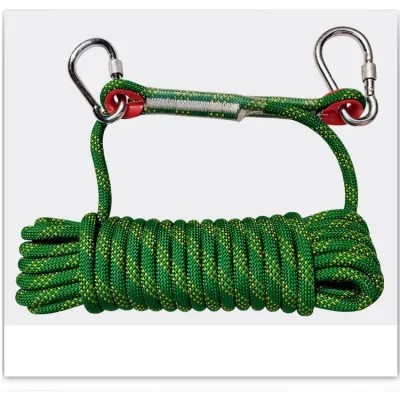
![[COD] SHGMYD New Climbing Rope 1m Outdoor Emergency Wear Resistant Diameter High Strength Hiking Accessory Tool](https://img.lazcdn.com/g/p/ac3c1bf6e0c9adbf5bac2cd6f34dbb15.jpg_400x400q80.jpg_.webp)
Prices are valid at publication and may change. Please refer to the product page for the latest price.
The Absolute Essentials: Gear You Cannot Skip
If you are committed to climbing regularly, investing in a few personal items will dramatically improve your comfort, hygiene, and performance. These are the foundational accessories that every beginner should prioritize.
Your shoes are your most important connection to the climbing wall. While rental shoes are fine for your first few sessions, they are often worn out, loose, and unhygienic. When buying your first pair of climbing shoes, prioritize a flat, neutral profile. Avoid aggressive, highly downturned shoes designed for advanced climbers; these force your toes into a painful curl that is unnecessary for beginner routes and can cause severe foot fatigue. Look for a snug fit where your toes touch the front of the shoe without painful pressure points.
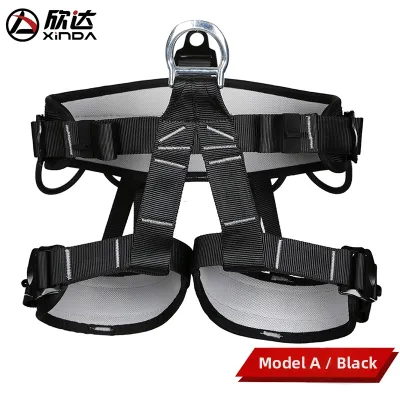
If you plan to climb high walls rather than stick exclusively to low bouldering mats, a personal harness is essential. When selecting a harness, look for clear safety certification labels from recognized bodies like the UIAA (International Climbing and Mountaineering Federation) or CE. Ensure the harness features adjustable leg loops and a waist belt that sits securely above your hip bones. A well-fitted harness should feel snug but allow a full range of motion, distributing your weight comfortably when you hang.
In tropical climates with high humidity, sweaty hands can severely compromise your grip on the holds. Climbing chalk (magnesium carbonate) dries your hands, allowing you to maintain friction. A basic chalk bag with a simple waist belt and a secure drawcord closure is all you need. You can choose between loose chalk, chalk balls (which reduce dust), or liquid chalk, which is excellent as a base layer in humid conditions.
A helmet is a mandatory safety accessory the moment you transition from indoor gyms to outdoor crags. Outdoor environments present unpredictable risks, including falling rocks, dropped gear from climbers above, and the potential to flip upside down during a lead fall. Look for a climbing-specific helmet that is lightweight, well-ventilated, and certified for impact protection. For indoor bouldering or indoor top-roping, gyms do not require helmets due to controlled environments and thick safety mats, but outdoors, they are non-negotiable.
The "Wait and See" Accessories: What to Delay Buying
It is easy to get swept up in the excitement of the sport and buy advanced gear before you are ready to use it. Delaying these purchases saves you money and prevents you from carrying unnecessary weight.

Ropes and quickdraws are expensive, heavy, and require specialized knowledge to inspect, maintain, and store correctly. As a beginner, there is no need to own these. Indoor gyms provide pre-hung ropes and quickdraws, and outdoor guiding services or experienced mentors will supply the necessary safety hardware. Relying on professional, gym-maintained gear ensures your safety while you focus on learning basic movement and belay techniques.
Many beginners see experienced climbers training on hangboards or pegboards and assume they need these tools to progress. However, your fingers, tendons, and ligaments require months of consistent climbing to adapt to the unique stresses of the sport. Using a hangboard too early can easily lead to severe tendon injuries or pulley tears. Stick to climbing on the wall to build your baseline strength naturally and safely.
You do not need to purchase high-end, abrasion-resistant climbing pants or a dedicated technical haul bag. Standard athletic wear—such as breathable t-shirts, flexible shorts, or leggings—is perfectly adequate for both indoor and outdoor climbing. A standard school or travel backpack is more than sufficient for carrying your shoes, harness, and chalk bag to and from the gym.
Diagnosing Your Specific Needs: Indoor Bouldering vs. Outdoor Top-Rope
Your gear checklist should align directly with the specific style of climbing you plan to pursue. Different disciplines require vastly different levels of equipment.
If your primary focus is bouldering—climbing shorter walls over thick safety mats without ropes—your gear needs are incredibly minimalist. You only need a pair of climbing shoes and a chalk bag or chalk bucket. Because you do not use ropes, you can completely skip buying a harness, helmet, belay device, or carabiners. This makes bouldering the most budget-friendly way to enter the sport.
Transitioning to taller indoor walls requires a harness. You will also need to assess whether you need a personal belay device and a locking carabiner. While many gyms provide belay devices attached to their top-rope anchors, learning to belay with your own device is a valuable skill. Before purchasing, check your local gym’s policy, as some require specific assisted-braking devices for safety.
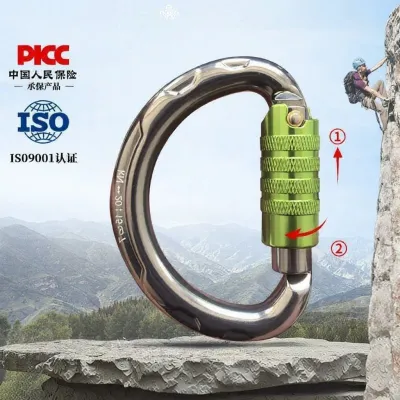
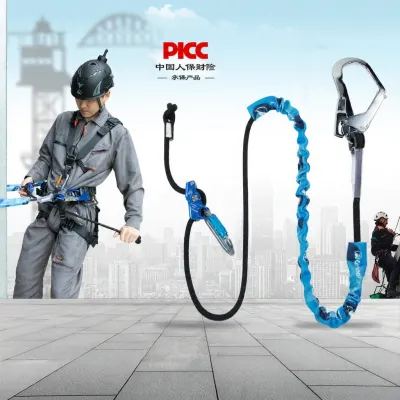
If you plan to climb on real rock, your safety checklist expands. A climbing helmet becomes mandatory to protect against environmental hazards. You should also consult with your guide or climbing partners to verify their gear list. While they will typically provide the ropes and anchors, you may need to bring your own personal safety tether, locking carabiners, and a belay device suitable for outdoor use.
How to Budget and Upgrade Your Gear Over Time
Building your climbing kit should be a gradual process. Prioritizing your spending ensures you get the highest quality safety gear where it matters most.
When allocating your funds, spend the majority of your budget on a high-quality, comfortable pair of climbing shoes. Your shoes directly impact your ability to stand on small holds and enjoy your climbing sessions without pain. Your second priority should be a certified, comfortable harness. You can save money by choosing basic, no-frills chalk bags and brushes, as these do not impact your safety.
Pay close attention to your gear to know when it is time to upgrade or replace items. For shoes, look for wear patterns on the rubber toe box. If you see the thin under-layer (the rand) starting to show, it is time to have them resoled or replaced before a hole develops. As your climbing technique improves and your foot muscles strengthen, you may naturally want to transition to a stiffer or slightly more technical shoe.
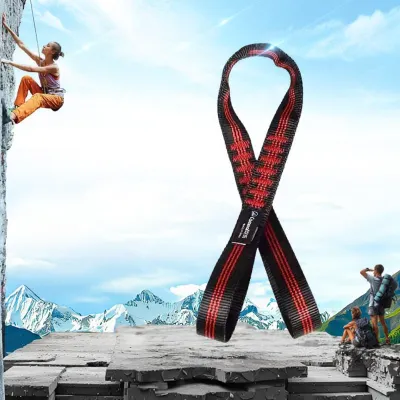
While buying used gear is a great way to save money, you must draw a strict line between safety-critical gear and non-safety accessories. Never buy used harnesses, ropes, slings, or helmets. You cannot verify if these items have been dropped, exposed to damaging chemicals, or stored in direct sunlight, all of which can compromise their structural integrity. It is perfectly safe to buy used chalk bags, chalk buckets, climbing packs, or non-safety training accessories.
Frequently Asked Questions (FAQ)
Can I just rent climbing accessories instead of buying them?
Renting is an excellent option for your first few climbing sessions. It allows you to try the sport without a significant financial commitment and helps you figure out your preferred shoe size. Rental fees at local gyms can range from ₱150 to ₱300 per session, which quickly adds up. If you plan to climb more than twice a month, purchasing your own shoes and chalk bag is highly recommended and will save you money in the long run.
Do I need a belay device as a beginner?
You do not need to buy a belay device immediately. Most climbing gyms provide belay devices for top-rope climbing or include them in the rental package when you take an introductory belay class. You should only purchase your own belay device once you have passed your gym’s belay certification test, feel comfortable using it, and have a consistent climbing partner to belay.
Community discussion
Share your experience or ask a question. Comments are reviewed before publication.