
Selecting the ideal Decathlon belt bag for running in the Philippines requires balancing storage capacity, bounce resistance, and breathability under intense tropical humidity. A bouncing belt bag can ruin a good run, making stability and storage layout just as important as the gear you carry inside. While Decathlon offers various running accessories, finding the right one depends entirely on your specific distance, phone size, and comfort preferences. This guide provides a practical framework to evaluate Decathlon belt bags based on fit, storage layout, and running scenarios, helping you select the most suitable option for your training needs.
Whether you are training for a marathon along the streets of Bonifacio Global City, completing speed intervals on a local track, or exploring muddy trails in Rizal, your gear needs to stay secure and dry. By understanding how different designs distribute weight and handle moisture, you can avoid the common pitfalls of chafing and bouncing. Let us look at how to audit your gear and evaluate the key features of these running accessories before making your choice.
Identify Your Running Storage and Comfort Needs
Before browsing specific models, you must audit the exact items you plan to carry on a typical run. The weight and bulk of your essentials dictate the structural support you need from a running belt. Carrying only a house key and a single gel requires a completely different setup than carrying a large smartphone, car keys, energy bars, and emergency hydration. Overloading a minimalist belt causes it to sag and bounce, while wearing an oversized utility belt for a quick sprint adds unnecessary bulk and heat retention.
Products mentioned in this guide
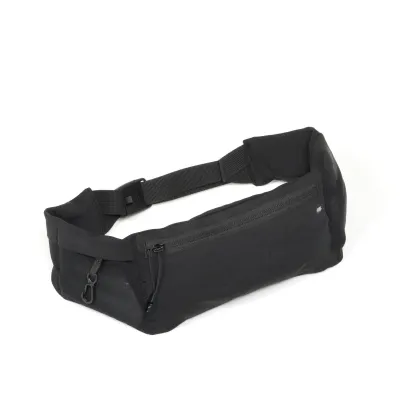
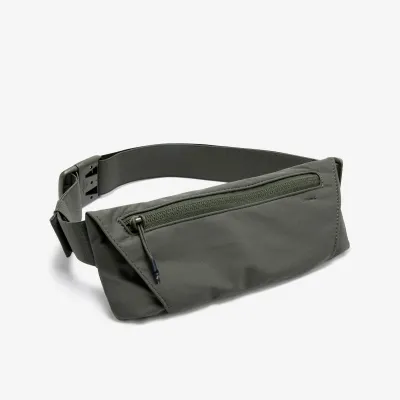
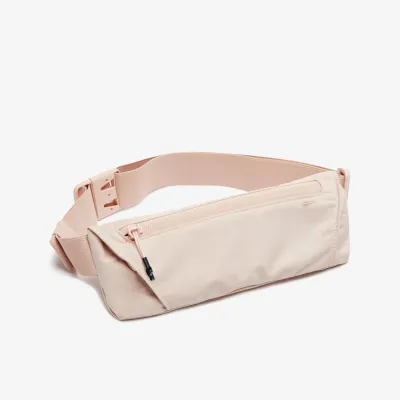
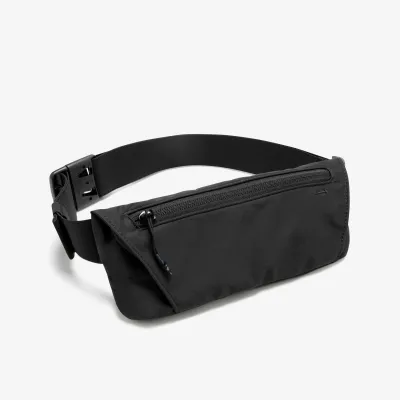
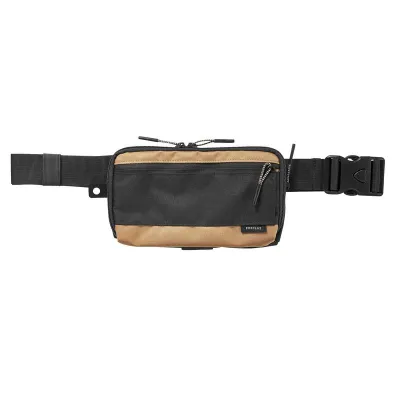
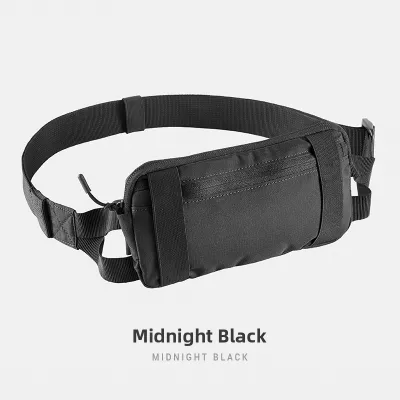
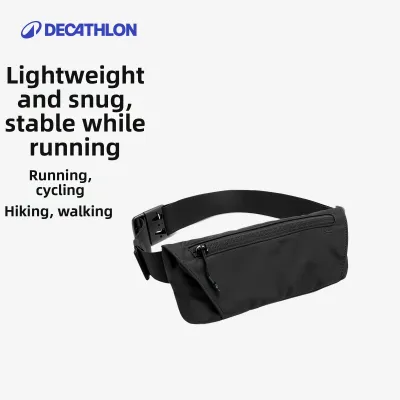
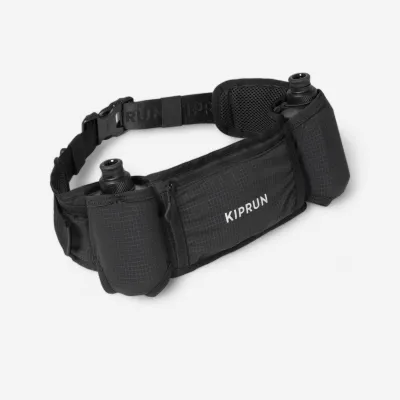
Prices are valid at publication and may change. Please refer to the product page for the latest price.
Categorizing your daily running essentials by size and weight is the first step toward finding the right fit. Large modern smartphones are the primary source of bounce due to their weight and length. If you carry a phone with a screen size larger than six inches, you need a pocket that holds the device snugly against your body to prevent vertical movement. Keys should ideally be kept in a separate, dedicated compartment with a key clip to prevent them from scratching your phone screen or jingling distractedly with every stride. For nutrition, consider how many energy gels, salt tablets, or small snacks you need to carry, as these require easy-on-the-go access without the risk of other items falling out when you open the pocket.
Your running environment also dictates your storage capacity. Short urban runs under ten kilometers usually require minimal gear, as you are rarely far from assistance or convenience stores. For these sessions, a lightweight, low-profile belt is often sufficient. Conversely, long-distance road runs and trail sessions demand self-sufficiency. If you are running in remote areas or under the hot midday sun, you must account for hydration storage, such as soft flasks, along with basic first-aid items, cash, and trail cards.
Personal comfort preferences regarding belt placement play a massive role in minimizing bounce. Running belts generally sit in one of two positions: around the natural waist (above the hip bones) or lower on the hips (across the pelvic girdle). Waist placement is highly effective for slender runners or those using wide, elastic tube-style belts that distribute pressure evenly across the abdomen. Hip placement is often preferred by runners with wider hips, as the pelvic structure naturally prevents the belt from sliding downward. Understanding where you prefer the belt to rest helps you choose between highly adjustable buckled straps and fixed-size elastic bands.
Key Features to Evaluate for Stability and Access
When evaluating Decathlon’s running accessories, stability and ease of access should be your top priorities. A belt that fits perfectly in a standing position can behave very differently once you reach your cruising pace. To ensure a secure, zero-bounce fit, pay close attention to the adjustability mechanisms and elasticity of the materials. Adjustable belts with heavy-duty plastic buckles allow you to tighten the strap on the fly as your body heat rises or as you consume your hydration and nutrition, which naturally reduces the volume of the bag. Elastic tube-style belts lack buckles, relying instead on a continuous band of high-stretch fabric that conforms to your body shape; while incredibly comfortable and bounce-free, they must be sized precisely to your body measurements to function correctly.

Storage layout is another critical factor that separates a frustrating running belt from an excellent one. Single-tube designs feature one continuous pocket around the entire waist, allowing you to slide items in at various points. While highly versatile, these designs can make it difficult to locate specific items quickly while moving. Multi-pocket configurations, on the other hand, feature distinct compartments with zippered or envelope-style closures. This allows you to separate your heavy phone from your sharp keys and sticky energy gels.
Sweat and rain protection is a non-negotiable consideration for running in the Philippines. The combination of intense tropical heat and sudden afternoon downpours means your gear is constantly exposed to moisture. Look for compartments featuring water-resistant linings or TPU coatings to shield your electronics from heavy sweat. While these materials provide excellent protection against light rain and perspiration, remember that no running belt is entirely waterproof; during severe monsoonal downpours, it is always wise to place your phone inside a simple zip-lock bag before sliding it into the belt pocket.
Material selection directly influences breathability and skin comfort. In hot and humid climates, trapping heat around your midsection can lead to rapid dehydration and severe skin chafing. Look for running belts that utilize 3D mesh backings or highly perforated elastic fabrics. These materials allow air to circulate between the belt and your skin, promoting rapid sweat evaporation. Avoid thick, non-breathable neoprene fabrics, which tend to trap heat and moisture, leading to localized skin irritation and a heavy, waterlogged feeling by the end of your run.
Match the Right Decathlon Belt Bag to Your Running Profile
Decathlon categorizes its running gear across different lines, making it easier to match a product to your specific running style once you know what to look for. For minimalist runners who focus on short, fast road sessions, tube-style elastic belts are highly suitable. These belts prioritize lightweight construction and a streamlined profile. Because they sit flat against the skin and distribute weight evenly around the entire circumference of your waist, they offer near-zero bounce. They are perfect for carrying a slim phone, a single key, and an ID card, making them an excellent choice for track workouts or quick morning jogs around your neighborhood.
Standard road runners who require a balance of storage and accessibility should look toward multi-pocket adjustable belts. These models are specifically engineered to accommodate larger smartphones while providing separate, easily accessible compartments for nutrition. The adjustable strap allows you to customize the tension depending on what you are wearing, ensuring the belt remains stable even when fully loaded. The pockets are often positioned at the lower back to keep the heaviest items centered over your center of gravity, which minimizes vertical movement and prevents the belt from riding up during your stride.
For long-distance training, marathon preparation, and trail running, high-capacity or hydration-compatible belts are essential. These specialized belts feature dedicated sleeves or elastic loops designed to hold soft flasks securely against your lower back. Carrying water on your waist is often much cooler than wearing a full hydration vest, making it a popular choice for trail runners in tropical climates. These belts also feature reinforced materials to withstand abrasion from trail brush, along with additional attachment points for foldable trail poles or a lightweight windbreaker jacket.
Before making a final decision, always perform a verification step. Cross-reference your selected running profile with the current stock, exact pocket dimensions, and localized user reviews on the official Decathlon website or mobile app. Because product lines and sizing specifications can update seasonally, verifying the exact measurements of the internal compartments ensures your specific phone model and protective case will fit comfortably without straining the zippers.
How to Verify Fit and Prevent Chafing Before You Buy
To get the most out of your running belt, achieving the correct fit is paramount. A belt that is too loose will bounce and slide, while one that is too tight can restrict your breathing and cause painful chafing. To find your correct size, do not rely on your standard trouser or running shorts size. Instead, use a flexible measuring tape to measure your circumference at two distinct points: your natural waistline (just above your belly button) and your high hips (where a low-rise belt would naturally rest). Compare these measurements directly against the manufacturer’s specific size chart on the Decathlon product page, keeping in mind that elastic materials will stretch slightly to provide a snug fit.
If you have the opportunity to visit a physical Decathlon store, take advantage of the environment to conduct a thorough fitting test. Do not simply try the belt on empty while standing still. Bring your actual running phone, keys, and any hydration flasks you plan to use. Load the belt with these items to simulate real-world weight distribution. Once loaded, jog in place, perform a few high knees, and take a quick lap down the store aisle. Pay close attention to whether the belt rides up toward your chest, slips down over your hips, or bounces excessively against your lower back. If you feel any immediate pressure points or friction, try adjusting the strap tension or testing a different size.
When ordering online, pay close attention to the return policy and hygiene guidelines. Running gear that has been worn for an actual workout and exposed to heavy sweat is typically not eligible for return due to hygiene standards. When your package arrives, test the fit indoors while wearing clean running clothes. Keep all tags attached and walk around your home to evaluate the comfort. If you notice any slipping or discomfort during this initial dry run, initiate an exchange for a different size or model immediately rather than risking a painful, chafing-filled run outdoors.
To further minimize the risk of chafing during long, humid runs, consider applying a anti-chafing balm or cosmetic petroleum jelly to your skin where the edges of the belt make contact. This is especially important along the lower back and hip bones, where friction is most intense. Additionally, always wear your running belt over a moisture-wicking technical running shirt rather than directly against bare skin, as the fabric acts as a protective barrier against friction and salt buildup from dried sweat.
Frequently Asked Questions (FAQ)
Can I wash my Decathlon belt bag in a washing machine?
Yes, you can wash most Decathlon running belts, but hand-washing is highly recommended to preserve the elasticity of the fabric and the integrity of the plastic buckles. If you prefer to use a washing machine, place the belt inside a mesh laundry bag to prevent the straps and buckles from tangling or striking the drum. Use a gentle cycle with cold water and a mild detergent, avoiding any fabric softeners or bleach, which can degrade the synthetic fibers and water-resistant coatings. Never place your running belt in a clothes dryer; the high heat can melt the elastic components and warp the zippers. Instead, hang the belt in a well-ventilated, shaded area to air dry completely before your next run.
Will a standard Decathlon belt bag fit a large smartphone?
Most standard Decathlon running belts are designed to accommodate modern smartphones, but you must verify the exact internal pocket dimensions against your specific phone model before purchasing. Do not rely solely on the phone’s screen size, as protective cases—especially rugged, shockproof, or wallet-style cases—add significant thickness, width, and length to the device. To ensure a proper fit, measure your phone while it is inside its daily protective case. Compare these total dimensions to the pocket measurements listed on the Decathlon product page, ensuring there is at least a half-inch of clearance to allow the zipper to close smoothly without putting excessive strain on the seams.
Community discussion
Share your experience or ask a question. Comments are reviewed before publication.