
Quick Guide to Adult E-Bike Specs
Finding the right electric ebike for adult riders requires looking past flashy marketing to understand how technical specifications translate to daily performance. While manufacturers often highlight top speeds and maximum ranges, these figures represent ideal laboratory conditions. In the real world, factors like rider weight, wind, and local terrain will significantly alter performance.
To make an informed purchase, focus on four primary decision drivers: motor type, battery capacity (Watt-hours), frame geometry, and maximum payload. By decoding these specifications, you can easily identify which e-bike will reliably handle your daily commute, cargo needs, or weekend adventures.
Motor Power: Matching Watts to Your Riding Needs
When evaluating e-bike motors, you will frequently see two different wattage ratings: rated (continuous) power and peak power. Rated power represents the sustained wattage the motor can safely maintain over long periods without overheating. This is the number that dictates how well your bike handles prolonged hill climbs or persistent headwinds. Peak power is the maximum output the motor can deliver in short bursts, such as when accelerating quickly from a complete stop.
Products mentioned in this guide
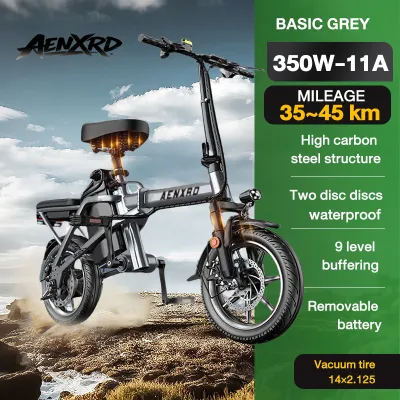
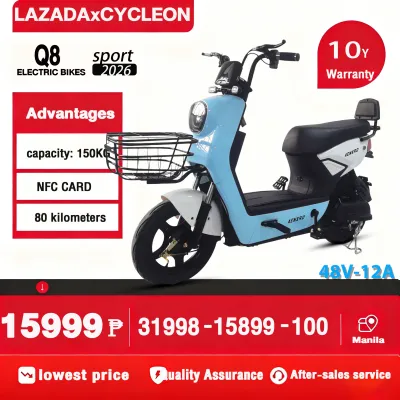
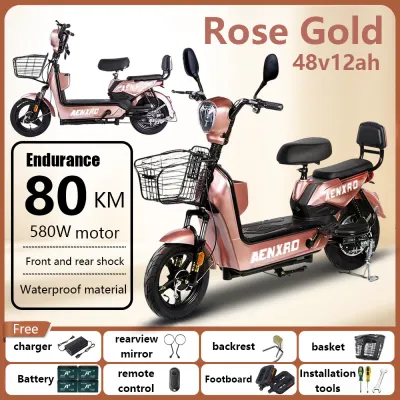
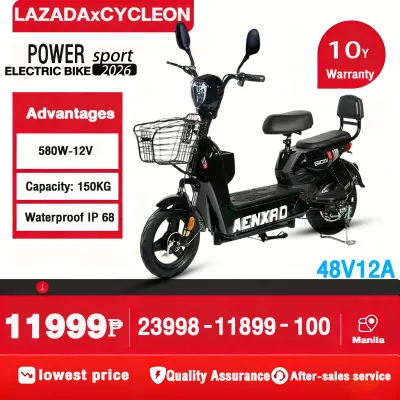
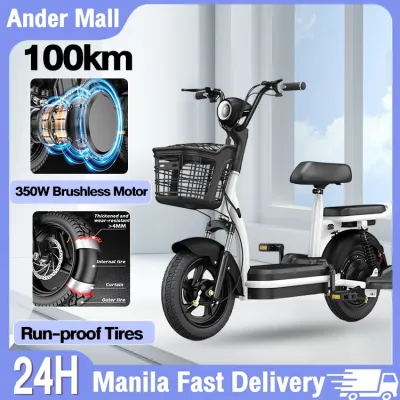
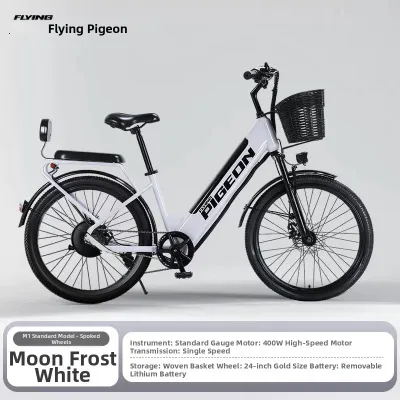
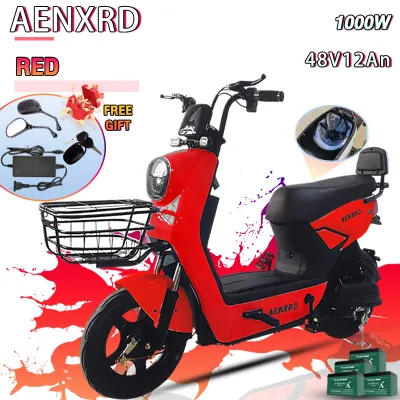
Prices are valid at publication and may change. Please refer to the product page for the latest price.

Another critical metric is torque, measured in Newton-meters (Nm). Torque represents the rotational force of the motor and directly influences how easy it is to climb steep inclines and start moving when carrying heavy loads. A motor with high torque will feel responsive and powerful at low speeds, which is highly beneficial when navigating steep climbs in hilly areas or stop-and-go city traffic.
The placement of the motor also changes your riding experience. Hub motors, integrated directly into the front or rear wheel hub, are generally lower in maintenance and highly cost-effective, making them excellent for flat, paved commutes. Mid-drive motors are positioned at the center of the frame near the pedals. They distribute weight more evenly, offer superior hill-climbing capabilities, and leverage the bike’s existing gears to maximize efficiency.
Rather than simply chasing the highest wattage number available, you should match the motor output to your typical riding terrain and personal weight. A lighter rider on flat city streets will find a modest 250W continuous hub motor perfectly adequate, whereas heavier riders or those tackling steep hills will benefit significantly from a 500W or 750W mid-drive motor.
Battery Capacity: Calculating Real-World Range
To understand how far an electric ebike for adult riders can travel on a single charge, you must look at Watt-hours (Wh) rather than Amp-hours (Ah) alone. Watt-hours represent the total energy capacity of the battery and are calculated by multiplying the system voltage by the Amp-hour rating (V × Ah = Wh). For example, a 48V 10Ah battery has a capacity of 480Wh, which provides a much clearer picture of potential range than the Amp-hour figure by itself.
Real-world range is highly variable and will almost always fall short of maximum manufacturer claims. Your actual range is heavily influenced by rider weight, carried cargo, frequent stopping and starting, tire pressure, and the specific level of pedal assist you select. Climbing hills or riding against a headwind will deplete the battery much faster than cruising along flat terrain.
To estimate your required battery capacity, start by calculating your typical daily round-trip distance. Once you have this number, add a 20% to 30% safety buffer to account for natural battery degradation over time, unexpected detours, and heavy cargo days. Matching this adjusted distance to an appropriate Wh rating ensures you will not experience range anxiety during your daily travels.
Ambient temperature also plays a significant role in battery efficiency and overall lifespan. In the tropical climate of the Philippines, extreme heat and high humidity can accelerate the degradation of lithium-ion cells. To preserve your battery’s health, always store and charge it in shaded, cool, and well-ventilated areas, and avoid leaving the bike parked in direct sunlight for extended periods.
Frame Fit and Geometry: Selecting an Electric E-Bike for Adult Riders
An e-bike’s frame geometry determines how comfortable and safe you will feel during long rides. One of the most critical measurements to check is the standover height, which is the clearance between the top tube of the frame and your inseam when standing flat-footed over the bike. Adequate standover height is essential for safe mounting, dismounting, and quick stops at traffic lights.
Frame styles generally fall into step-through or step-over designs. Step-through frames lack a high top tube, making them incredibly easy to mount regardless of your flexibility, physical mobility, or choice of clothing. Step-over frames feature the traditional diamond shape, which often provides a stiffer, more athletic feel. Choosing between them should be based on your physical comfort and daily convenience rather than outdated gender norms.
While adjustable components like stems and seat posts are highly useful for fine-tuning your riding position, they have limitations. An adjustable stem can slightly alter your reach or handlebar height, but it cannot fix a frame that is fundamentally too large or too small for your body. Buying the correct frame size from the start is non-negotiable for long-term comfort.
Additionally, pay close attention to the reach, which is the horizontal distance between the saddle and the handlebars. If the reach is too long, you will be forced to stretch forward excessively, leading to back, shoulder, and wrist strain. A proper fit ensures your posture remains relaxed, allowing you to enjoy longer commutes without physical discomfort.
Weight Capacity and Payload: Checking the Limits
Before finalizing your purchase, you must verify the e-bike’s maximum payload capacity. This specification represents the total weight the bike’s frame, wheels, and suspension can safely support, which includes the weight of the rider, all cargo, and any mounted accessories. This is distinct from maximum rider weight, which only accounts for the person in the saddle.
Consistently riding an e-bike at or near its maximum structural limits can lead to serious safety risks. Overloading places excessive stress on the spokes, frame joints, and brakes, which can result in longer stopping distances or mechanical failure. Exceeding these limits also typically voids the manufacturer’s warranty, leaving you responsible for costly repairs.
It is also wise to consider the physical weight of the e-bike itself. Models equipped with large capacity batteries, robust suspension forks, and heavy steel frames can easily weigh over 25 to 30 kilograms. If you need to carry the bike up stairs of an overpass, navigate tight urban streets, or load it onto a vehicle rack, a lighter aluminum-framed model might be a more practical choice.
Secondary Specs: What You Can Safely Ignore
With so many specifications listed on retail pages, it is easy to get distracted by features that have little impact on your daily ride. Top speed is one such specification; in many regions, the maximum motor-assisted speed is strictly capped by local transport regulations. Even if a motor is capable of higher speeds, the electronic controller will limit assistance, meaning high-speed claims are often irrelevant for urban commuting.
The total number of gears is another specification that is less critical on an e-bike than on a traditional analog bicycle. While a standard bicycle might require 21 or 24 gears to help you tackle steep hills, an e-bike’s motor provides ample assistance across a much narrower gear range. A simple 7-speed or 8-speed drivetrain is usually more than enough to keep your pedaling cadence comfortable at various speeds.
Finally, be cautious of highly proprietary accessories built into the bike. Brand-specific battery mounts, custom integrated cargo racks, or unique display units can be incredibly difficult and expensive to replace if they fail years down the road. Opting for bikes that utilize standardized components and mounting points will make future maintenance and upgrades much simpler and more affordable.
Frequently Asked Questions (FAQ)
How do I know if an e-bike frame is the right size for me?
To determine if a frame fits, measure your inseam accurately and compare it directly to the manufacturer’s standover height chart. When test-riding, ensure you can comfortably reach the handlebars with a slight bend in your elbows, and verify that your knees do not strike the handlebars or front fender when making sharp turns.
Does a higher voltage battery always mean a better e-bike?
A higher voltage system, such as 48V or 52V compared to a 36V system, can deliver electrical power more efficiently and run cooler under heavy loads. However, voltage alone does not guarantee a superior ride; total capacity in Watt-hours, the quality of the individual battery cells, and a reliable battery management system are far more important for long-term durability.
Community discussion
Share your experience or ask a question. Comments are reviewed before publication.