
Selecting the ideal elbow pad is not a one-size-fits-all decision; it requires matching the protective gear to the specific physical demands and environmental conditions of your sport. Whether you are driving to the hoop on an outdoor court, dropping into a concrete halfpipe, or diving for a low save on an indoor court, your elbows face entirely different risks. A pad designed for one activity can severely hinder your performance or fail to protect you in another. By understanding the distinct engineering behind basketball, skateboarding, and volleyball elbow pads, you can make an informed choice that balances safety, comfort, and range of motion.
Basketball: Prioritizing Flexibility and Sweat Management
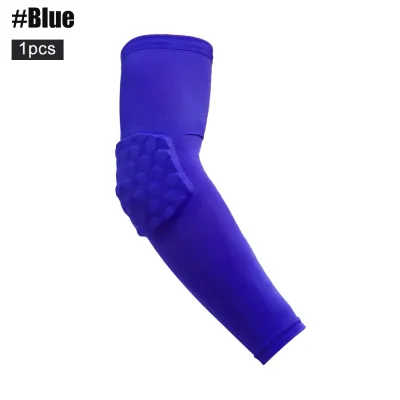
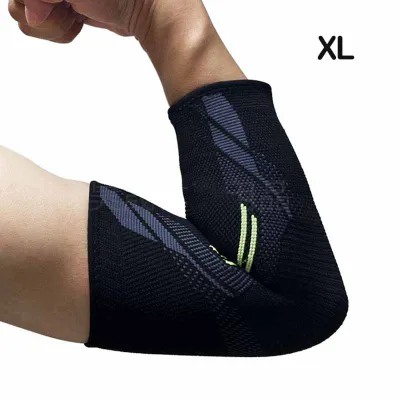
In basketball, your arms are constantly in motion for shooting, passing, and dribbling. Consequently, any elbow protection you wear must offer low-profile collision defense without stiffening your joint. Look for compression sleeves equipped with integrated honeycomb padding. This design utilizes independent, hexagonal foam cells that contour closely to your arm, allowing the pad to flex naturally as you bend your elbow to shoot. This lightweight padding is ideal for absorbing the minor bumps, scrapes, and player-to-player contact common when driving through a crowded key.
Because basketball is a high-intensity sport often played in warm, humid environments like covered courts in the Philippines, sweat management is a critical factor. Standard heavy pads will trap heat and moisture, leading to slipping and skin irritation. Prioritize sleeves made from breathable, moisture-wicking synthetic blends such as nylon and spandex. These materials pull sweat away from your skin and dry quickly, keeping the sleeve securely in place. Before purchasing, perform a quick range-of-motion check: extend your arm fully into a shooting follow-through and bend it completely to ensure the fabric does not bunch up or pinch the crease of your elbow.
Products mentioned in this guide

Prices are valid at publication and may change. Please refer to the product page for the latest price.
Skateboarding: Maximizing Impact Resistance and Abrasion Protection
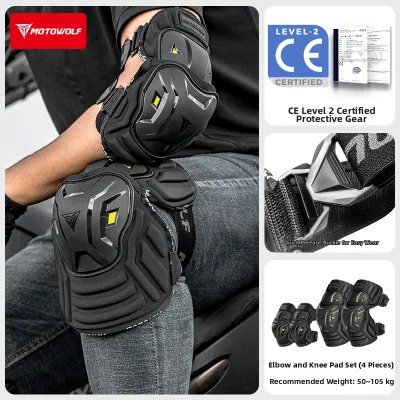
Skateboarding presents a high risk of direct, high-velocity impacts with unforgiving surfaces like concrete, asphalt, and wooden ramps. To prevent severe bruising, joint fractures, and road rash, skateboarders require heavy-duty elbow pads engineered for maximum impact resistance. Look for pads that feature a hard outer plastic cap, often referred to as a skid plate, secured over a thick core of high-density ethylene-vinyl acetate (EVA) foam. The hard shell is designed to slide along the ground during a fall, which disperses the kinetic energy of the impact rather than transferring it directly to your joint.

A common issue with skateboarding pads is displacement; the force of sliding across concrete can easily pull a loose pad down your arm, leaving your skin exposed. To prevent this, verify that the pads feature a secure dual-strap system with heavy-duty hook-and-loop fasteners, or a high-compression sleeve backing that keeps the protective core locked in place. Additionally, check that the padding extends several centimeters above and below the elbow joint. This extended coverage area is essential for shielding your forearm and lower bicep from painful friction burns and abrasions when sliding out of a fall.
Volleyball: Cushioning for Dives and Floor Contact
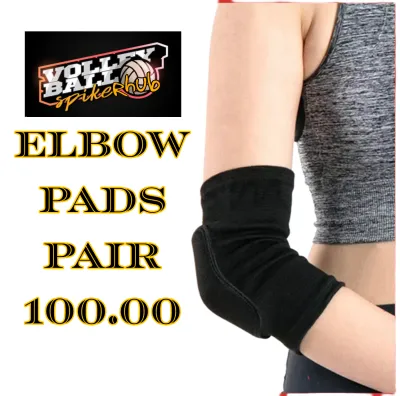
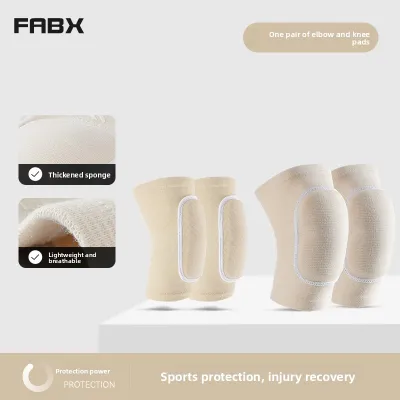
Volleyball players frequently make contact with hard indoor court surfaces during defensive plays, such as pancake saves and floor dives. The primary goal of a volleyball elbow pad is to cushion these repetitive impacts and prevent painful friction burns, commonly known as mat burns. Look for pads that utilize thick, high-density foam or specialized gel inserts. Gel inserts are particularly effective at absorbing and distributing sudden shock, helping to protect the delicate bones of the elbow joint during hard landings.
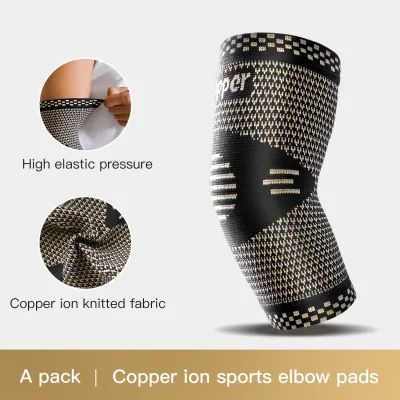
When evaluating volleyball pads, pay close attention to the protection over the olecranon, which is the bony point of your elbow. The padding should be contoured and reinforced specifically around this area to prevent it from shifting aside when you hit the floor. Furthermore, because volleyball involves rapid, repetitive arm movements, look for pads with smooth, seamless, or anti-friction edge designs. Flatlock stitching or seamless knit construction helps prevent the fabric from chafing against your skin when you sweat, ensuring comfort throughout long training sessions and multi-set matches.
Can You Use the Same Elbow Pad for Multiple Sports?
While it may be tempting to purchase a single pair of elbow pads for all your athletic activities, doing so involves significant trade-offs. The bulky, hard-shell pads required for skateboarding provide excellent impact protection, but they are far too restrictive and heavy for the fluid shooting motion needed in basketball. Conversely, a lightweight, flexible basketball compression sleeve will offer virtually no protection against a hard fall on concrete and will quickly shred upon contact with rough asphalt.
A mid-level, soft-shell elbow pad may serve as an acceptable compromise for casual, multi-sport use, such as recreational cycling or light backyard games. However, if you participate in any of these sports at a competitive or high-intensity level, sport-specific gear is highly recommended. Using the wrong type of pad can either compromise your safety on hard surfaces or hinder your athletic performance on the court. Investing in dedicated gear ensures that the protection matches the specific physical demands and safety requirements of each activity.
How to Measure, Fit, and Care for Your Elbow Pads
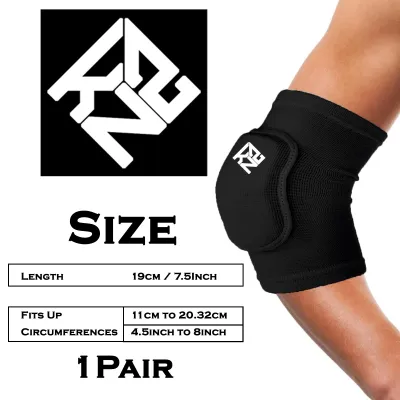
To ensure your elbow pads perform effectively, you must select the correct size and maintain them properly. Begin by using a flexible measuring tape to measure the circumference of your arm at two points: approximately ten centimeters above the elbow joint (the lower bicep) and ten centimeters below it (the widest part of the forearm). Keep your arm relaxed and slightly bent during this process. Compare these measurements directly to the manufacturer’s specific sizing chart, as sizing can vary significantly between different brands and designs.
Once you receive your pads, perform a thorough fit check. The pads should feel snug and secure without restricting your blood flow or causing your fingers to feel cold or tingly. Bend your arm back and forth several times; the pad should remain centered over your elbow joint without slipping down or bunching up. For maintenance, especially in warm and humid climates, wash your pads regularly to prevent bacteria and odor buildup. Hand wash them in cool water using a mild detergent, squeeze out the excess water gently without wringing the foam, and allow them to air dry completely in a well-ventilated indoor space away from direct sunlight, which can degrade elastic fibers over time.
Frequently Asked Questions (FAQ)
Should I wear elbow pads on both arms?
Whether you wear one or two elbow pads depends largely on the specific habits and rules of your sport. In basketball, players often wear a single compression sleeve on their dominant shooting arm to maintain warmth and mild compression, or on their non-dominant arm if they frequently use it to shield defenders. In contrast, dual-arm protection is the standard recommendation for skateboarding and volleyball. Falls and floor dives in these sports are highly unpredictable, making it essential to protect both elbows equally to ensure balanced safety during sudden impacts.
How do I know if my elbow pad is too tight?
An elbow pad is too tight if it restricts your blood circulation or limits your natural range of motion. Warning signs include numbness, a tingling sensation, cold fingers, or deep, painful red indentations on your skin after you remove the gear. To verify the fit, check how the pad feels when your arm is fully extended and when it is fully bent. Your muscles expand when flexed, so a pad that feels comfortable when your arm is straight might become restrictively tight during active movement. If you experience any of these symptoms, you should size up to prevent muscle fatigue and circulation issues.
Community discussion
Share your experience or ask a question. Comments are reviewed before publication.