
Finding the right pair of everlast mma gloves is not about identifying a single “best” model that outperforms all others. Instead, it is a highly personalized decision that depends entirely on your primary training style, experience level, and the specific drills you perform most often. MMA training is diverse, encompassing distinct phases of combat that place vastly different demands on your hands and wrists. If you focus primarily on submissions, wrestling, and cage control, your hands require maximum dexterity. Conversely, if you spend hours hitting heavy bags or practicing stand-up combinations, your knuckles need dense, multi-layered padding to absorb high-velocity impact.
Choosing the wrong glove style can hinder your progress or, worse, lead to preventable hand and wrist injuries. For instance, attempting to grapple in bulky, striking-focused gloves restricts your finger mobility, making it nearly impossible to secure a tight submission or maintain a solid grip. On the other hand, throwing full-power strikes on a heavy bag with minimalist grappling gloves can easily cause knuckle bruising or wrist strain. By analyzing how you train—whether you are dedicated to groundwork, stand-up striking, or a hybrid mix of both—you can select a model that aligns with your routine and protects your hands effectively.
Core Differences: Grappling, Striking, and Hybrid MMA Gloves
Understanding the biomechanical differences between MMA glove designs is crucial before comparing specific models. Unlike traditional boxing gloves that encase the entire hand in a unified block of padding, MMA gloves are engineered to balance protection with utility. The three primary categories—grappling, striking, and hybrid gloves—each feature distinct structural layouts designed for specific physical movements.
Products mentioned in this guide
![IN STOCK]EVERLAST Boxing Punching Gloves 1 Pair for adults Professional Training Muay Thai MMA](https://img.lazcdn.com/g/p/2b634e5edcea53a18fb0ec5fc44976d6.jpg_400x400q80.jpg_.webp)
Prices are valid at publication and may change. Please refer to the product page for the latest price.
Grappling gloves are the most minimalist options available, typically weighing around 4 ounces. They feature an open-palm design and individual, segmented finger loops that allow your fingers to flex and grip freely. This design is essential for securing double-leg takedowns, transitioning between positions on the ground, and locking in submissions like rear-naked chokes or armbars. Because the primary focus is on hand dexterity and tactile feedback, these gloves offer minimal padding over the knuckles, making them unsuitable for high-impact striking sessions.
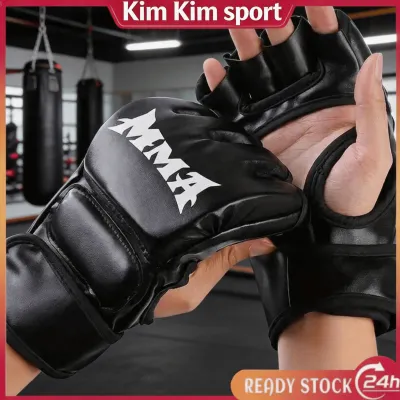
Striking-focused MMA gloves, often referred to as sparring or heavy bag MMA gloves, prioritize impact absorption. They are significantly bulkier than grappling models, usually weighing between 6 to 8 ounces. The padding over the knuckles is much thicker and is often constructed from multi-layered foam designed to disperse the force of a punch. While they still feature open fingers to allow for basic clinching and catching, the added bulk and stiffer construction mean that fine-motor grappling movements are highly restricted.
Hybrid gloves serve as a transitional bridge between these two extremes. They combine a moderately padded knuckle area with a partially open palm, offering a compromise that allows practitioners to transition smoothly from stand-up striking to groundwork. These are particularly valuable for mixed-discipline training sessions where you might throw a combination, execute a takedown, and work on ground positioning in a single drill. They do not offer the extreme dexterity of a pure grappling glove or the maximum protection of a heavy striking glove, but they provide the versatility needed for integrated MMA training.
Key Features to Compare Across Everlast Models
When evaluating different everlast mma gloves, you should look beyond aesthetics and focus on specific structural features. These design elements directly impact how the glove performs during your workouts and how long it will last under rigorous training conditions. Frame these criteria as critical checkpoints to verify when reading product specifications or examining gloves in a retail store.

Padding Density and Distribution The type and placement of foam within the glove dictate its protective capabilities. High-density, multi-layered foam is essential for absorbing the shock of heavy punches, protecting both your knuckles and your training partner. Look closely at how the padding is distributed; some models concentrate the foam directly over the main knuckles, while others extend the protection down the back of the hand or around the thumb. If your training involves a lot of stand-up sparring or bag work, prioritize models with thick, curved padding that conforms to the natural shape of a closed fist.
Wrist Support and Closure Systems Your wrists are highly vulnerable to injury during striking and grappling. A secure closure system is vital for keeping the wrist joint aligned and preventing hyperextension. Most Everlast MMA gloves utilize a hook-and-loop (Velcro) strap system, but the design of these straps can vary. Single-strap systems offer quick adjustments, while dual-strap or full-wrap designs provide superior stability by locking the wrist from multiple angles. For heavy striking, a wider, stiffer strap is preferred, whereas grappling-focused routines benefit from a slightly more flexible wrist cuff that allows for a full range of motion during ground transitions.
Material and Breathability The choice of material affects both the durability of the glove and its performance in challenging environments. Genuine leather is highly regarded for its longevity, flexibility, and natural ability to conform to the shape of your hand over time. However, high-quality synthetic leathers, such as engineered polyurethane, have become incredibly durable and offer a more budget-friendly alternative. In hot and humid environments, breathability becomes a major factor. Look for models that incorporate moisture-wicking linings, ventilated palm designs, or mesh panels to help manage sweat and prevent the buildup of unpleasant odors.
Palm Design The layout of the palm area determines the balance between grip utility and hand ventilation. Fully open-palm designs offer the least restriction, allowing your skin to make direct contact with your opponent or the mat, which maximizes friction and grip strength. Partially closed palms or those with a cross-strap design offer slightly more structural stability to the glove itself but can trap heat and sweat. Consider how much tactile feedback you need for your grappling style; if you rely heavily on precise wrist control and gi grips, a completely open palm is highly advantageous.
Everlast MMA Glove Categories Breakdown
Everlast has structured its product lineup to cater to different aspects of mixed martial arts training. Rather than focusing on highly volatile model numbers that may change with seasonal updates, it is most practical to evaluate these gloves by their functional categories. Each category is engineered with a specific training modality in mind, featuring distinct design choices that optimize performance for that style.
Grappling and Groundwork Gloves
Everlast’s grappling-focused gloves are designed specifically for athletes who spend the majority of their training time on the mats practicing Brazilian Jiu-Jitsu, wrestling, or ground transitions. These gloves feature an ultra-lightweight, low-profile design that maximizes hand freedom. The palm is completely open, and the finger loops are highly flexible, allowing you to open your hands fully, secure tight grips, and transition between submissions without any material interference.
The padding on these models is minimal, usually consisting of a thin layer of segmented foam over the knuckles. This segmentation is crucial because it allows the glove to flex naturally with the movement of your hand, ensuring that you can form a tight fist or open your palm with equal ease. The wrist support is typically designed to be low-profile and flexible, allowing for the wide range of wrist angles required when executing submissions or defending takedowns.
While these gloves are exceptional for groundwork, they have clear limitations. They are not designed for high-volume striking on heavy bags or Thai pads. The minimal padding offers very little protection against hard surfaces, and using them for heavy striking can lead to rapid foam degradation and hand injuries. They are best suited for technical grappling drills, light ground-and-pound simulation, and controlled cage work where grip and dexterity are the primary requirements.
Striking and Heavy Bag Gloves
For practitioners whose training routines are dominated by stand-up striking, pad work, and heavy bag drills, Everlast offers dedicated striking MMA gloves. These models are engineered to provide maximum knuckle protection while maintaining the finger-separated aesthetic of an MMA glove. They feature a significantly thicker, denser block of foam over the striking surface, often utilizing multi-layered technology to absorb and disperse high-velocity impacts.
The construction of these gloves is naturally stiffer than that of grappling models. The padding is often pre-curved, which helps guide your hand into a natural, anatomically correct fist position, reducing the muscle fatigue associated with keeping your hand closed. Additionally, the wrist support is highly reinforced, often featuring wide, rigid hook-and-loop straps that wrap securely around the wrist joint to prevent bending or twisting upon impact with a heavy bag.
The primary trade-off with striking-focused MMA gloves is a significant loss of hand dexterity. The thick padding and stiffer wrist support make it difficult to open your hand fully or perform complex grappling maneuvers. While you can still perform basic clinching, catching, and light framing, these gloves are not suitable for dedicated groundwork or submission sparring. They are, however, the ideal choice for Muay Thai training, kickboxing drills, and intense heavy bag workouts where hand safety during high-impact strikes is your top priority.
Hybrid and Sparring Gloves
If your training routine involves a balanced mix of striking and grappling in a single session, Everlast’s hybrid and sparring MMA gloves are the most practical choice. These gloves are specifically designed to handle the transitions of a complete MMA spar, where you might exchange strikes on the feet before taking the fight to the ground. They offer a carefully engineered compromise, blending moderate knuckle protection with reasonable hand dexterity.
The padding on hybrid models is typically thicker than that of a pure grappling glove but less bulky than a dedicated heavy bag glove, usually landing in the 6-ounce range. This padding is often contoured to protect the knuckles during light to moderate sparring without creating a massive barrier that prevents you from wrapping your hands around an opponent’s wrist or ankle. The palm design is often partially open, using a cross-strap or split-palm layout that provides structural integrity to the glove while still allowing your fingers to move independently.
For beginners who are just starting their MMA journey, hybrid gloves are often the most cost-effective and versatile entry point. They allow you to participate in all aspects of a standard MMA class without needing to switch gear mid-workout. However, advanced practitioners should note that while hybrid gloves are incredibly versatile, they do not fully replace specialized equipment. For high-intensity, specialized training—such as a hard heavy bag session or an advanced BJJ sparring class—using dedicated striking or grappling gloves remains the safest and most effective approach.
Decision Framework: Choose the Right Model for Your Routine
Choosing the right everlast mma gloves requires an honest assessment of your current training routine, your skill level, and your long-term fitness goals. To simplify your decision-making process, use the following structured framework to identify which category of glove best matches your daily activities.
Choose Grappling Gloves if:
- Your training consists primarily of Brazilian Jiu-Jitsu, wrestling, or submission grappling.
- You need maximum finger dexterity to practice grips, sweeps, and submissions.
- You rarely perform high-impact striking drills on heavy bags or focus pads.
- You prioritize a lightweight, low-profile feel that mimics the natural movement of your bare hand.
Choose Striking/Pro Style MMA Gloves if:
- Your workouts are centered around heavy bag training, pad work, and stand-up striking combinations.
- You require maximum knuckle protection to prevent bruising and skin abrasions during high-volume punching.
- You need rigid wrist support to keep your wrist joint secure and aligned during heavy impacts.
- You do not need to perform complex grappling maneuvers or ground transitions during your training sessions.
Choose Hybrid Gloves if:
- You are a beginner taking general MMA classes that combine striking, clinching, and groundwork in a single session.
- You participate in mixed-discipline fitness circuits or cross-training workouts that require quick transitions between different exercises.
- You need a single, versatile pair of gloves for light sparring and technical flow drills.
- You want a balanced compromise between impact protection and hand mobility without purchasing multiple pairs of gloves.
Verify first if: Before making your final purchase, always verify the specific rules and regulations of your training facility or any competitive events you plan to enter. If you are preparing for an actual sanctioned amateur or professional MMA bout, be aware that competition gloves are highly regulated. These are typically minimalist 4-ounce gloves with very specific padding requirements that are not designed to withstand the daily wear and tear of training. For regular gym sessions, prioritizing safety and durability over competition specifications is always the wisest choice.
Sizing, Fit, and Maintenance for Tropical Climates
Achieving the correct fit is essential for both your safety and the longevity of your everlast mma gloves. To determine your size, use a flexible measuring tape to measure the circumference of your hand just below the knuckles, excluding the thumb. Compare this measurement directly to the manufacturer’s specific size chart, as sizing can vary significantly between different glove categories and materials. A properly fitting glove should feel snug and secure, with the finger loops resting comfortably without pinching or restricting blood flow. Always try your gloves on with hand wraps if you plan to wear them during training, as wraps will add bulk and affect the overall fit.
Maintaining your gear is particularly challenging in hot, humid climates like the Philippines, where sweat and moisture can rapidly degrade materials and cause unpleasant odors. To extend the lifespan of your gloves, establish a consistent post-workout care routine. Immediately after training, use a clean, dry cloth to wipe down both the interior and exterior of the gloves, removing excess sweat and moisture. If necessary, wipe them with a damp cloth and a mild soap solution, but avoid harsh chemical cleaners that can dry out and crack the material.
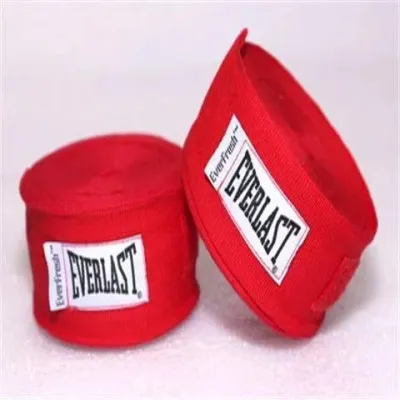
Never leave your damp gloves inside a closed gym bag, as this creates a breeding ground for bacteria and mold. Instead, allow them to air-dry completely in a well-ventilated indoor area away from direct sunlight, which can warp synthetic materials and dry out genuine leather. Using moisture-wicking hand wraps during your workouts is also highly recommended; they not only protect your wrists and knuckles but also absorb a significant portion of your sweat before it can saturate the inner lining of your gloves, keeping your gear fresher for longer.
Frequently Asked Questions (FAQ)
Can I use standard 16 oz boxing gloves for MMA training?
While standard 16 oz boxing gloves are highly recommended for pure stand-up sparring and heavy bag work due to their superior knuckle protection, they are not suitable for integrated MMA training. Their bulky, closed-fist design completely prevents you from opening your hands, making it impossible to practice clinching, wrestling takedowns, or ground submissions. For workouts that combine striking and grappling, you must use MMA-specific gloves that feature open fingers and flexible palms.
How tight should MMA gloves feel when first purchased?
When you first try on a new pair of MMA gloves, they should feel snug but comfortable, without causing numbness or restricting your blood circulation. Genuine leather models will naturally stretch and mold to the unique contours of your hand over a few weeks of consistent training, resulting in a highly customized fit. In contrast, synthetic leather gloves will retain their original shape much more rigidly, so it is crucial that they fit comfortably right out of the box without any painful pressure points.
Community discussion
Share your experience or ask a question. Comments are reviewed before publication.