
Selecting the right fishing net is not just a matter of convenience; it is the dividing line between a successful outing and a frustrating loss. The specific net you need depends entirely on whether your goal is to secure a fatigued sportfish at the end of a rod-and-reel fight or to gather live bait and small crustaceans from the shallows. In the diverse aquatic environments of the Philippines—ranging from the deep marine waters of Batangas to the brackish estuaries of Pangasinan and the freshwater expanses of Laguna de Bay—using the wrong gear can lead to lost catches, damaged fish, or even legal penalties.
To make an informed purchase, you must first align your netting choice with your primary fishing style, target species, and typical physical venue. A heavy cast net thrown from a slippery shoreline requires vastly different skills and physical capacity than a lightweight landing net operated from a kayak. By understanding the functional design, material properties, and regulatory boundaries of each net type, you can select a tool that protects both your catch and the delicate marine ecosystems you fish in.
Diagnose Your Goal: Are You Landing a Catch or Gathering Bait?
Before browsing online marketplaces or visiting a local tackle shop, you must clearly define your primary objective on the water. Anglers generally fall into two categories: those who need to safely land a hooked fish and those who need to gather live bait or forage for wild crustaceans. Misidentifying your primary need often results in buying gear that is either useless for your target species or highly damaging to the local aquatic habitat.
Products mentioned in this guide
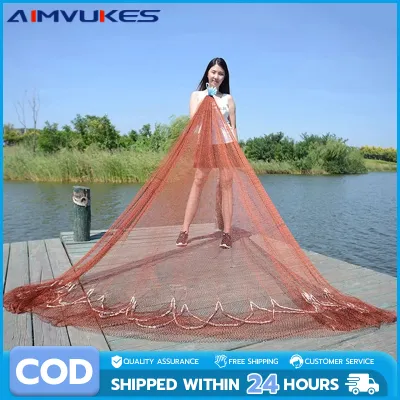
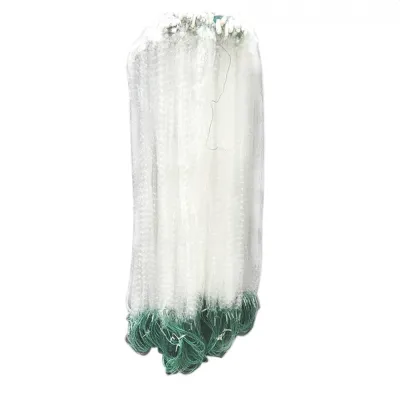
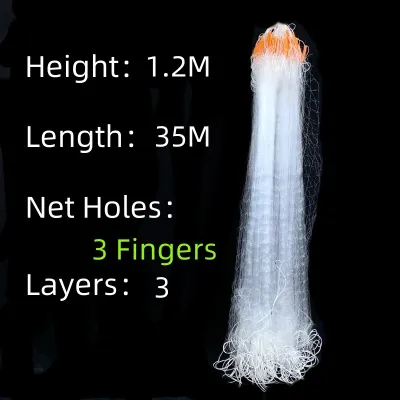
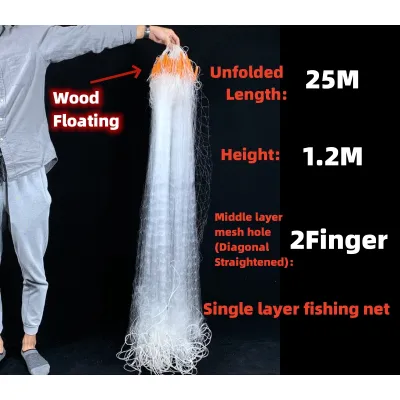
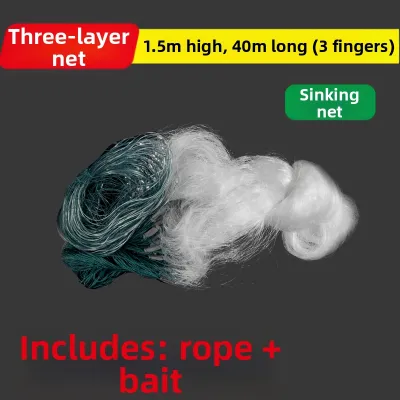
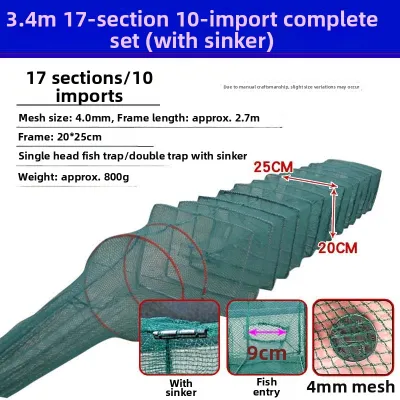
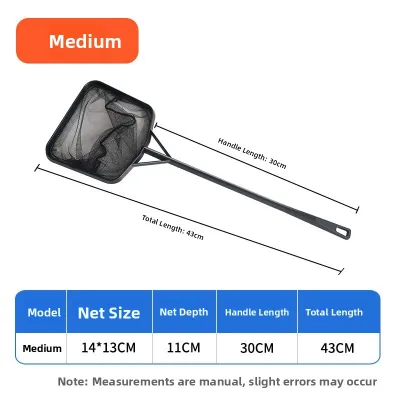
Prices are valid at publication and may change. Please refer to the product page for the latest price.
If your primary activity involves rod-and-reel fishing for species like lapu-lapu (grouper), maya-maya (snapper), or freshwater tilapia, your focus should be on landing nets. These nets are designed to support the weight of a single, active fish as you lift it from the water, preventing the line from snapping under sudden tension. The goal here is preservation—either keeping the fish intact for a clean harvest or ensuring its survival for a safe catch-and-release.
Conversely, if you prefer using live bait such as tamban (sardinella), suyac, or small shrimp to target larger predators, you require a bait-gathering tool like a cast net or a passive trap. These tools are designed to capture multiple small organisms simultaneously within a specific area. Gathering your own bait is highly cost-effective, but it demands different physical skills and a thorough understanding of bait behavior in shallow waters, sandy flats, or mangrove edges.
Your physical fishing environment also dictates the physical form of the net. Wading in waist-deep surf requires a compact, floatable net that can be secured to a wading belt, while fishing from high concrete piers or steep riverbanks demands long, extendable handles to bridge the gap between you and the water surface. Matching your net to these environmental realities ensures you can operate the gear safely without losing your balance or dropping your catch.
Landing Nets: Selecting the Right Hoop and Handle for Your Catch
A landing net serves as the final insurance policy for your rod-and-reel efforts, securing a fatigued fish when it is most vulnerable to throwing the hook. Choosing the right configuration requires balancing fish safety with the physical constraints of your fishing platform.

Mesh Material: Rubber vs. Nylon for Fish Protection
The material of your net bag directly influences the post-capture survival rate of the fish and the ease of your rigging operations. Traditional knotted nylon nets are highly abrasive; they can scrape away a fish’s protective slime coat and split its fins, leaving the animal highly susceptible to infections after release. For catch-and-release angling, especially when targeting sensitive species, modern rubber-coated or pure molded rubber nets are the preferred choice.
Rubber nets feature a smooth, knotless surface that preserves the fish’s natural defenses and prevents scales from peeling. Additionally, rubber is highly resistant to hook tangles, saving you from the frustrating ordeal of digging a treble hook out of woven nylon fibers while your catch gasps for air. While traditional knotted nylon remains a budget-friendly option for those harvesting every catch, rubber-coated alternatives offer superior long-term utility and conservation benefits.
Hoop Dimensions and Handle Length for Shore or Boat
Matching the hoop size to your target species is a matter of physical capacity and safety. The hoop must be wide enough to accommodate the average length of your target fish head-first, with a bag depth that prevents the fish from flopping back out into the water.
- For Kayaks and Small Boats: A short, lightweight handle (typically 12 to 24 inches) is ideal. It allows for easy one-handed operation in tight spaces where storage is limited and the water surface is close to your seating position.
- For High Piers, Jetties, and Steep Banks: A telescopic or long, fixed handle (ranging from 6 to over 12 feet) is necessary. Attempting to reach down from a high structure without sufficient handle length can lead to dangerous overextension, slipping, or dropping your rod.
- For Wading and Fly Fishing: A short-handled net with an integrated lanyard or magnetic release is preferred, allowing the net to float behind you or clip to your vest until needed. Verify the load capacity of your landing net handle before lifting heavy catches to prevent structural failure.
Cast Nets: Choosing the Right Radius and Mesh for Live Bait
Cast nets are specialized, circular nets lined with weights along the outer edge, designed to be thrown by hand so they open fully in the air and sink rapidly to trap baitfish underneath. Operating a cast net is an active, physical skill that requires practice, coordination, and an understanding of water dynamics.
Mesh Size and Radius: Matching the Baitfish
The performance of a cast net is governed by its mesh size and its physical radius, both of which must be matched to your target bait and physical ability. Mesh size is measured as the distance between adjacent knots (square mesh) or the fully stretched opening.
- Small Mesh (1/4 inch to 3/8 inch): Essential for capturing tiny baitfish and shrimp. However, smaller mesh creates more water resistance, causing the net to sink more slowly, which can allow faster baitfish to escape in deeper water.
- Large Mesh (1/2 inch to 1 inch): Designed for larger baitfish like mullet. This mesh sinks rapidly due to lower resistance, but smaller bait will slip straight through the openings.
- Net Radius: For beginners, a 3-foot to 5-foot radius net is highly recommended. These smaller nets require less physical effort and are much easier to open fully during a throw. As your technique improves, you can transition to 6-foot or 8-foot nets, which cover a significantly larger surface area but demand precise body rotation and timing.
Lead Line Weight and Throwing Skill Requirements
The lead line is the weighted outer perimeter that pulls the net down to the sea floor or riverbed. The weight is typically rated in pounds per radius foot (e.g., 1 pound per foot).
- Lightweight Nets (0.75 lbs/foot): Ideal for shallow flats, calm tide pools, and beginners who are still developing their throwing motion. They are easier to lift and throw repeatedly without physical fatigue.
- Heavyweight Nets (1.25 to 1.5 lbs/foot): Necessary for deep water or strong tidal currents, such as river mouths or channels. A heavy net sinks fast enough to trap bait before the current sweeps the net away or the fish swim out from underneath.
- Safety Warning: Never tie the hand line of a heavy cast net around your wrist if you are wading in strong currents, deep water, or near sudden drop-offs. If the net snags on a passing boat, heavy debris, or a strong current, it can pull you under. Always use a quick-release loop or hold the line securely in your hand.
Trap and Bait Nets: Passive Solutions for Shallow Water Foraging
If you prefer a low-effort, passive approach to gathering bait, or if you are fishing in dense, structurally complex environments like mangrove roots where a cast net would instantly snag and tear, passive traps are an excellent alternative. These tools allow you to forage for bait while you focus on active rod fishing.
Minnow traps, shrimp traps, and collapsible bait nets operate on a simple entry-and-containment design. Bait fish or crustaceans enter through a wide funnel-shaped opening attracted by bait (such as crushed pan de sal, coconut meat, or fish scraps) but find it physically difficult to locate the narrow exit once inside. These traps are highly effective when deployed in calm, shallow estuaries, tidal creeks, or along the edges of fish ponds.
When selecting a passive trap, you must verify its physical dimensions and construction materials. Heavy-duty galvanized wire or vinyl-coated mesh traps offer excellent durability against saltwater corrosion and the sharp claws of crabs or mud lobsters. Furthermore, you must ensure the entry funnel size is appropriate for your target bait; excessively large openings may allow predatory fish to enter and consume your trapped bait, or allow the bait to escape easily. Always look for designs featuring secure escape gaps or regulatory-compliant entry dimensions to prevent the accidental capture of non-target marine life.
Crucial Legal and Environmental Checks in the Philippines
Before purchasing or deploying any net in Philippine waters, you must familiarize yourself with local fisheries laws and conservation regulations. The Bureau of Fisheries and Aquatic Resources (BFAR), along with local municipal governments, strictly regulates netting activities to prevent overfishing and protect juvenile marine populations.
Under national guidelines, the use of fine-mesh nets—generally defined as nets with a mesh size of less than three centimeters (approximately 1.18 inches) when stretched—is heavily restricted or outright prohibited for catching mature food fish. While exceptions exist for gathering specific baitfish species, using fine-mesh gear indiscriminately can result in heavy fines, confiscation of gear, and potential legal prosecution. Active gill nets and any form of drag netting are strictly prohibited for recreational fishers.
Furthermore, local government units (LGUs) manage municipal waters up to 15 kilometers from the shoreline. Many coastal municipalities have established Marine Protected Areas (MPAs), fish sanctuaries, or seasonal closures where all forms of netting, including cast nets and bait traps, are completely banned. These zones are critical for the recovery of coral reefs and juvenile fish populations.
Ignorance of these localized zoning laws or mesh size limits is not a valid legal defense. Before you fish, visit the local municipal agriculture or fisheries office, or consult with local wardens (Bantay Dagat), to verify which zones are open to recreational netting and what specific mesh sizes are permitted in that area.
Essential Maintenance to Prevent Rot and Corrosion
The tropical climate and high salinity of Philippine coastal waters present a harsh environment for fishing gear. Implementing a disciplined maintenance routine is the most effective way to protect your investment and prevent premature material failure.
- Thorough Freshwater Rinse: After every saltwater outing, immediately rinse your net, hoop, and handle with clean fresh water. Saltwater leaves behind salt crystals that dry, harden, and cut into nylon fibers or corrode metallic hoops and telescoping handle joints. Pay extra attention to the lead line of cast nets and the folding hinges of landing nets.
- Shade Drying: Never dry your net in direct sunlight. Prolonged exposure to ultraviolet (UV) radiation rapidly degrades nylon, monofilament, and rubber materials, making them brittle and prone to tearing under pressure. Hang the net in a well-ventilated, shaded area until it is completely dry.
- Proper Storage: Avoid leaving your net balled up in a damp boat locker or the trunk of your car, as this creates a breeding ground for mold, mildew, and rot. Store your clean, dry net by hanging it loosely in a dry, ventilated garage or storage room. Ensure it is kept away from sharp objects and out of reach of rodents, which are known to chew through nylon mesh to reach residual fish scents.
Frequently Asked Questions (FAQ)
Can I use a cast net to catch fish for food in the Philippines?
In most municipal waters, cast nets (locally known as laya or dala) are permitted for subsistence or recreational fishing, provided they comply with local mesh size limits and are used outside of designated Marine Protected Areas (MPAs). However, you must verify local LGU ordinances, as some municipalities restrict cast netting to bait gathering only or require specific permits for any food-harvesting gear.
What is the best net mesh material for catch-and-release fishing?
Molded rubber or rubber-coated knotless nylon is the absolute best choice for catch-and-release fishing. This material does not absorb water, minimizes damage to the fish’s protective slime coat, prevents scale loss, and significantly reduces the likelihood of hooks tangling in the mesh, allowing for a swift, stress-free release.
How do I repair a small tear in my landing net?
Small tears in nylon or monofilament nets can be repaired using a heavy-duty nylon thread or specialized netting twine with a basic sheet bend knot. For minor, temporary fixes on rubber or coated nets while on the water, small plastic zip ties can be used to bind the broken mesh bars together, though a proper patch kit or full mesh bag replacement is recommended for long-term structural integrity.
Community discussion
Share your experience or ask a question. Comments are reviewed before publication.