
To choose the right fishing net (lambat) in the Philippines, you must match the net’s mechanical design to your target species, physical environment, and fishing style. Whether you are throwing a cast net for baitfish along shallow coastal flats, setting a passive gill net in open water, or using a manual dip net (salok) under night-fishing lights, selecting the correct mesh size, twine material, and dimensions is essential. Your choice determines not only your catch rate but also your compliance with local municipal fisheries regulations.
Identify Your Fishing Environment and Physical Capability
The physical platform you fish from dictates the size and weight of the net you can safely manage. Wading along sandy shorelines or shallow estuaries requires a portable, lightweight net that you can carry and deploy alone. If you fish from a small outrigger boat (banca), deck space is highly restricted. Throwing or hauling a large net from a narrow banca requires excellent balance to prevent capsizing or catching the net on the boat’s outriggers (katig). Operating from larger motorized vessels allows for heavier, multi-person nets but demands organized deck management.
Freshwater and saltwater environments present distinct physical challenges. Freshwater bodies like lakes (such as Laguna de Bay) and fast-flowing rivers often contain submerged tree branches, aquatic weeds, and debris that can easily snag and tear delicate nets. Conversely, saltwater coastal flats, reef edges, and estuaries feature abrasive sand, sharp rocks, and mangrove roots. Saltwater also accelerates the degradation of low-quality metal weights and non-treated fibers, making material durability a primary consideration.
Products mentioned in this guide
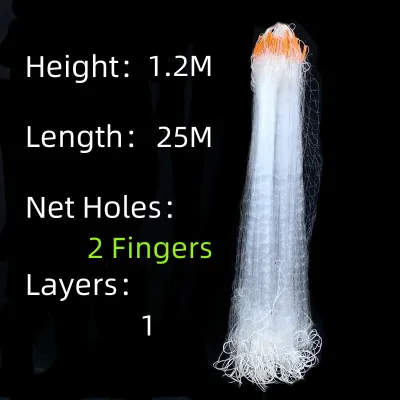
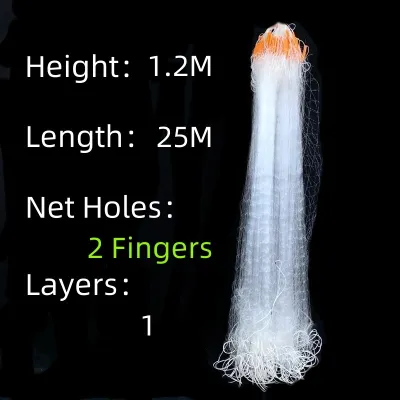
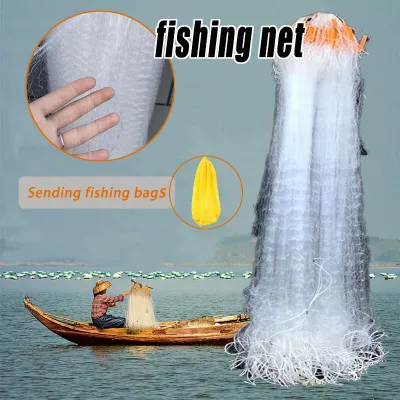
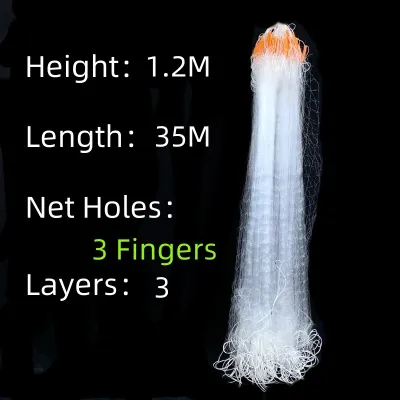
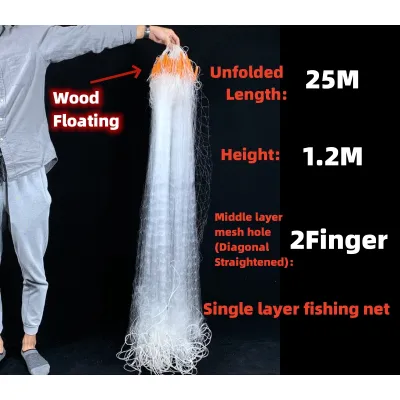
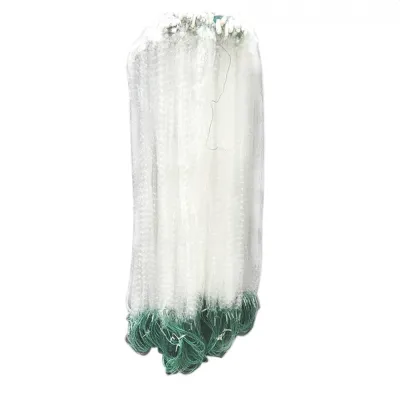
Prices are valid at publication and may change. Please refer to the product page for the latest price.
Using a fishing net is physically demanding and requires a clear assessment of your physical capability. Cast nets, for example, require a coordinated, full-body throwing motion involving your arms, shoulders, and core. A wet cast net loaded with heavy lead weights can weigh anywhere from 3 to 10 kilograms, and throwing it repeatedly under the hot tropical sun demands significant physical stamina. Improper throwing techniques can lead to shoulder strain or accidental entanglement. Beginners should start with smaller, lighter nets before attempting to throw professional-grade models.
Match Your Target Catch to the Right Net Category
The success of your fishing trip depends heavily on matching the net’s capture mechanism to the behavior of your target species. Fishing nets generally fall into three operational categories: active throwing nets for hunting schooling fish, passive gill nets that wait for fish to swim into them, and manual enclosure or scooping nets used to secure attracted catch.

Cast Nets for Shallow Water and Baitfish
Cast nets feature a circular design bordered by a heavy lead line along the outer edge, with a central hand line used to retrieve the net. When thrown correctly, the net opens fully into a flat circle in mid-air before landing on the water’s surface. The weighted outer edge sinks rapidly, trapping schooling fish or shrimp beneath the mesh dome. As you pull the hand line, the lead line draws together, forming a secure pouch that holds the catch as you pull it to the surface.
This net is highly effective for catching live baitfish, shrimp, or small schooling species like sardines (tamban) and mullets (banak) in shallow coastal flats, sandy estuaries, and calm river mouths. Because it relies on visual targeting and rapid sinking, it is best used in clear, shallow waters where you can spot schools of fish feeding or moving near the surface.
However, cast nets have a steep learning curve. Achieving a perfect circular spread requires precise timing and muscle memory, which takes hours of practice on dry land before attempting it in the water. Furthermore, because the weighted edge must make contact with the bottom or sink through the water column, cast nets are highly vulnerable to snagging on submerged rocks, coral heads, and mangrove roots. A single snag can tear the mesh or cause you to lose the entire net.
Gill Nets for Targeted Finfish
Gill nets are vertical walls of mesh suspended in the water column by floats at the top and weights at the bottom. Unlike active cast nets, gill nets are passive tools left in the water to intercept swimming fish. When a fish attempts to swim through the net, its head passes through the mesh, but its body is too wide to fit. When the fish tries to back out, the thin monofilament or nylon twine catches behind its gill covers (operculum), securely entangling it.
Selectivity is the primary advantage of a gill net. The size of the mesh opening strictly dictates the size and species of fish you will catch. A properly sized mesh allows juvenile fish to swim through unharmed while trapping mature target species. Using an incorrect mesh size can result in a completely empty net if the mesh is too large, or excessive bycatch of non-target marine life if the mesh is unregulated.
Operating a gill net requires constant vigilance. Leaving a gill net unattended for extended periods can lead to “ghost fishing,” where lost nets continue to trap and kill marine life indefinitely. It also increases the risk of catching non-target species like sea turtles, and exposes your gear to damage from predators or passing boat propellers.
Seine and Dip Nets for Enclosure and Scooping
Seine nets are long, flat nets with floats along the top edge and weights along the bottom, designed to encircle a large area of water. These nets are typically deployed parallel to the shoreline or in open water to surround entire schools of fish. Because of their length and weight, seine nets generally require a coordinated team of multiple people or the assistance of a motorized boat to pull the ends together, trapping the fish in an ever-shrinking pocket of water.
Dip nets, commonly called salok or scoop nets, are small, hand-held nets attached to a rigid frame and handle. These are highly specialized tools used for manual scooping rather than sweeping large areas. They are exceptionally useful during night-fishing trips when squid, crabs, or small fish are attracted to the surface by high-powered LED lights hung from docks, piers, or banca outriggers. A quick, decisive scoop with a salok allows you to harvest these attracted species with minimal effort.
Verify Net Specifications and Material Labels Before Buying
Before purchasing any lambat from an online marketplace or local tackle shop, you must carefully inspect the manufacturer’s technical specifications. Selecting a net based solely on price or visual appearance often leads to poor performance, fast wear, or legal violations.
- Mesh Size: Always verify how the mesh size is measured on the product label. Manufacturers typically specify mesh size as either "stretched mesh" (the distance between two diagonally opposite knots when the mesh is pulled tight) or "square mesh" (the distance from knot to knot along a single side). Ensure the mesh size complies with local municipal fishery laws, which are designed to protect juvenile fish stocks.
- Twine Material: Pay close attention to the twine material. Monofilament twine is a single, clear plastic strand that is virtually invisible underwater, cuts through the water with minimal drag, and sinks quickly. However, it is highly prone to memory kinking, tangles easily, and is difficult to repair once damaged. Multifilament nylon twine consists of multiple woven strands, making it incredibly strong, highly visible to fish, and easy to mend with a netting needle. Check the manufacturer's label to confirm the material composition and UV-resistance rating rather than assuming durability based on price.
- Hanging Ratio and Depth: The hanging ratio determines how the mesh hangs from the float and lead lines. A net hung too tightly will stretch flat and fail to pocket fish, while a net with a generous hanging ratio forms loose, deep pockets that trap fish more securely. Additionally, verify the vertical depth of the net to ensure it matches the water column you plan to fish—whether you need a shallow net for surface-feeding fish or a deep net that reaches the seabed.
- Lead Line and Float Line: Examine the quality of the lead and float lines. For cast nets, a heavier lead line (measured in pounds per radius foot) ensures a rapid sink rate, which is critical for trapping fast-moving baitfish before they can swim out from under the net. For gill and seine nets, the buoyancy of the float line must perfectly balance the weight of the lead line to keep the net standing perfectly vertical in the water column, preventing it from collapsing or sinking to the bottom.
Navigate Legal Restrictions and Water Safety Boundaries
Using a fishing net in the Philippines is subject to strict national and municipal regulations. The Bureau of Fisheries and Aquatic Resources (BFAR), along with local municipal governments, enforces laws to prevent overfishing and protect delicate marine ecosystems. Before buying or deploying any net, you must verify the current local ordinances in your specific fishing area.
Many municipalities strictly prohibit the use of active or passive nets with fine mesh sizes (typically defined as mesh sizes less than three centimeters) to prevent the capture of juvenile fish. Additionally, certain areas—such as marine protected areas (MPAs), fish sanctuaries, and designated navigation lanes—are completely closed to net fishing. Using illegal net modifications, such as adding heavy weights to scrape the seabed, or fishing during closed seasons can result in heavy fines, confiscation of gear, and legal prosecution.
Water safety must always be your top priority when net fishing. When casting or deploying nets from a boat, always wear a properly fitted personal flotation device (life jacket). Manage your loose lines carefully on the deck; a tangled foot rope can easily drag you overboard when a heavy net is cast or dropped into the water. If you are setting passive gill nets, you must use highly visible buoys, flags, or night-time marker lights to warn passing boat traffic and prevent dangerous collisions or entangled propellers.
Clean and Store Your Net to Survive Tropical Humidity
The harsh tropical climate of the Philippines—characterized by high humidity, intense salt spray, and scorching sunlight—will rapidly degrade any fishing net if it is not properly maintained. Implementing a simple, low-risk post-trip maintenance routine will significantly extend the lifespan of your lambat.
- Rinsing: After every single use in saltwater or muddy freshwater, thoroughly rinse the entire net with clean, fresh water. This removes abrasive sand particles, salt crystals, mud, and organic debris like seaweed or fish slime. If left on the net, salt crystals will dry and crystallize inside the fibers, cutting the delicate strands from the inside out and weakening the overall structure.
- Drying: Once rinsed, hang the net to dry completely in a shaded, well-ventilated area. Never leave synthetic monofilament or nylon nets in direct, harsh sunlight for extended periods. Intense ultraviolet (UV) radiation breaks down the chemical bonds in synthetic fibers, making them brittle and prone to snapping under light loads. Ensure the net is completely dry before storage to prevent the growth of mold and mildew, which can rot natural fibers and weaken synthetic weaves.
- Storage and Inspection: Store your dry net in a cool, dark, and dry storage container or hanging bag. Keep it elevated off the ground and away from areas accessible to rodents, as rats and mice frequently chew through nylon nets to find nesting material. Before heading out on your next fishing trip, perform a thorough visual inspection of the entire net. Look for small tears, loose knots, or frayed sections, and repair them immediately to prevent minor damage from expanding into a large, unfixable tear.
Frequently Asked Questions (FAQ)
How do I repair a torn fishing net?
Small tears in multifilament nylon nets can be repaired relatively easily using a specialized plastic netting needle loaded with matching nylon twine. By tracing the pattern of the surrounding undamaged mesh and tying secure sheet bend knots at each intersection, you can recreate the missing mesh cells. If you encounter large tears, multiple shredded panels, or severe UV dry rot where the twine snaps easily under finger pressure, it is safer to replace the affected panel or purchase a new net entirely, as the structural integrity of the net has been compromised.
Do I need a permit to use a cast net in the Philippines?
While small, hand-thrown cast nets used strictly for catching personal baitfish are generally tolerated in many coastal communities, regulations vary significantly by municipality. Under the Philippine Fisheries Code, local government units (LGUs) have the authority to regulate all fishing activities within municipal waters (up to 15 kilometers from the shoreline). Some municipalities require recreational fishers to register their gear or obtain a basic permit, while others restrict cast net use in specific zones or during spawning seasons. Always consult the local Municipal Agriculture Office (MAO) or City Fisheries Office before deploying any net to ensure full compliance with local laws.
Community discussion
Share your experience or ask a question. Comments are reviewed before publication.