
Selecting the right fishing vest lifejacket depends entirely on how, where, and from what platform you fish. A lifejacket is not a one-size-fits-all accessory; relying on the wrong design can restrict your casting, cause severe physical fatigue, or fail to keep you safe in an emergency. Your choice must balance your specific fishing environment, your physical mobility, and the local climate.
Before heading out onto the water, understand that safety equipment can never replace swimming ability, safety training, or sound situational judgment. Whether you are navigating the open swells of the ocean or wading through calm coastal flats, your lifejacket must be matched to your specific activity. Let us break down how your fishing style dictates the ideal lifejacket design to keep you comfortable and safe on the water.
Why Your Fishing Style Dictates Your Lifejacket Choice
Every angling discipline places unique physical demands on your body and requires a distinct range of motion. For instance, a kayak angler remains seated for hours, requiring a lifejacket that accommodates a high-back seat without pushing the vest upward into the neck. Conversely, an offshore boat angler stands on a moving deck, needing a vest that offers maximum tool organization and high buoyancy for rougher seas.
Products mentioned in this guide
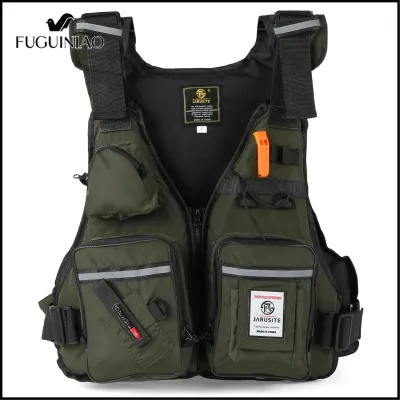
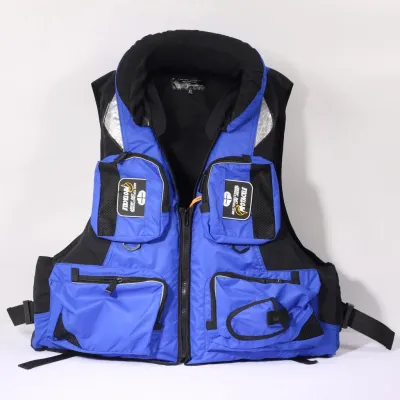
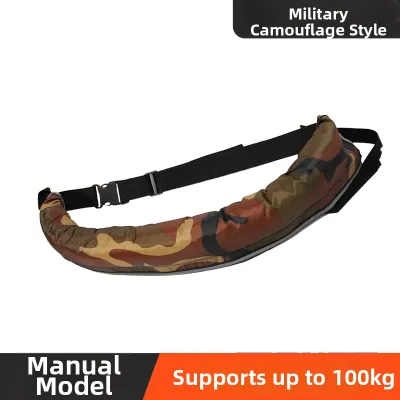
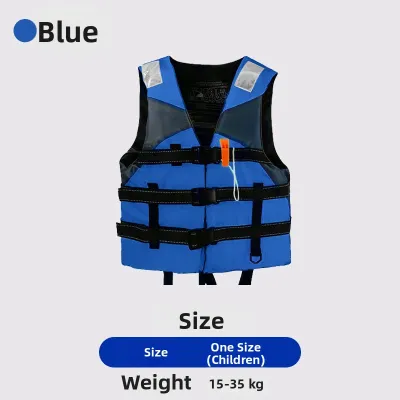
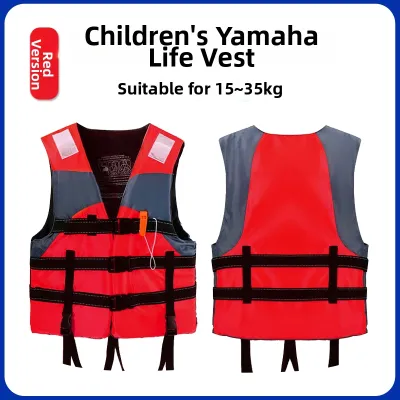
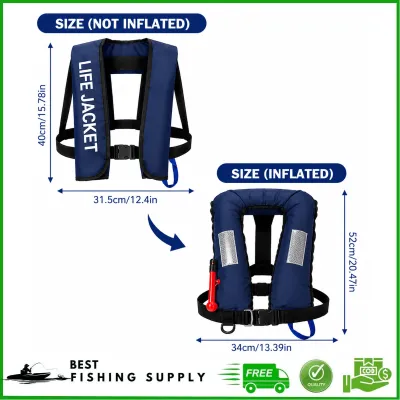
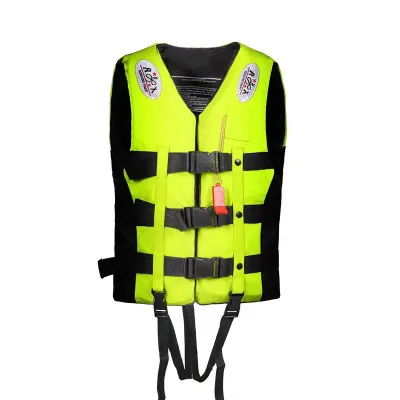
Prices are valid at publication and may change. Please refer to the product page for the latest price.
When selecting a fishing vest lifejacket, you must evaluate four primary diagnostic dimensions: mobility, storage capacity, buoyancy type (inherent foam versus inflatable), and climate comfort. In humid, tropical environments like the Philippines, heat and moisture management are critical. A bulky, non-breathable vest will quickly lead to overheating, tempting you to take it off—a dangerous decision that compromises your safety.
Choosing the wrong style of lifejacket does more than just cause minor discomfort. It can severely restrict your casting stroke, pinch your arms during repetitive movements, and create painful chafing points. More importantly, an ill-fitting or incorrect PFD may fail to keep your head safely above water or ride up dangerously over your face if you fall into deep or turbulent water.
Kayak Fishing: Diagnosing Your Mobility and Comfort Needs
Kayak angling requires continuous paddling or pedaling, combined with a seated posture that changes how a lifejacket rests on your torso. Standard lifejackets feature thick foam throughout the back panel, which presses flat against kayak seatbacks, forcing your body forward and causing the vest to ride up toward your chin.

To avoid this constant friction and discomfort, kayak-specific lifejackets utilize a high-back design. This configuration places the buoyancy foam solely across the upper back and shoulders, leaving the lower back covered only by a thin, breathable mesh panel. This mesh section rests flat against the high backrest of your kayak seat, allowing you to sit naturally and comfortably without any interference.
In tropical climates, high humidity and intense sun exposure demand exceptional ventilation. Look for vests constructed with lightweight fabrics and extensive mesh panels along the sides and back to facilitate continuous airflow. A well-ventilated vest helps regulate your body temperature during long, hot hours on the water, ensuring you stay cool and focused on your catch.
The front profile of your kayak lifejacket must also remain low and streamlined. Front zippers or low-profile buckle closures are ideal because they lie flat against your chest, preventing your paddle shaft or fishing rod butt from catching on the vest during active movements. This low-profile design ensures your casting and paddling motions remain completely unobstructed.
Storage placement is another critical diagnostic factor for seated anglers. Because your lap and lower torso are positioned close to the kayak deck, lower pockets on a standard vest become highly inaccessible and bulky. Kayak lifejackets solve this by placing zippered pockets, tool sleeves, and accessory loops high on the chest, keeping your essential tackle and safety gear within easy reach.
Boat Fishing: Diagnosing Storage, Buoyancy, and Deck Safety
Anglers fishing from motorized boats, skiffs, or offshore vessels operate in dynamic, fast-moving environments where water conditions can change rapidly. When you are miles from shore in deep or rough waters, your lifejacket must prioritize high buoyancy and robust safety features over minimalist design.
Deep-water and offshore fishing demand a lifejacket with a higher buoyancy rating to keep you afloat in turbulent waves or strong currents. Before selecting a vest, verify that its buoyancy specifications match the specific water conditions of your fishing venue. Calm inland waters require less flotation than open ocean swells, where self-righting capabilities become a vital safety factor.
Organization on a busy boat deck is essential, and your lifejacket should serve as a wearable workstation. Look for models equipped with heavy-duty D-rings, dedicated plier holsters, and spacious lower pockets capable of holding small utility tackle boxes, leader spools, and communication devices. This keeps your hands free and your primary tools immediately accessible when landing a fish.
Deck safety features are paramount when navigating open waters. High-quality boat fishing vests often incorporate integrated safety harnesses, tether attachment points, and marine-grade reflective tape. These reflective accents dramatically increase your visibility to rescue crews or passing vessels in low-light conditions, heavy rain, or rough seas.
You must also weigh the trade-offs between inflatable and inherent foam lifejackets. Inflatable suspender-style PFDs offer cooling and freedom of movement, making them comfortable for hot days on a boat deck. However, they require manual or automatic inflation mechanisms that demand regular maintenance. Inherent foam vests, while warmer, provide instant, zero-maintenance buoyancy that is highly reliable if you are knocked unconscious.
Shore and Wading: Diagnosing Clearance and Minimalist Needs
Anglers who fish from rocky shorelines, sandy beaches, or wade directly into rivers and coastal flats face a unique set of physical challenges. Wading deep into the water or trekking long distances to reach remote spots requires a highly specialized, minimalist approach to personal flotation.
When wading, a standard-length lifejacket will quickly dip into the water, absorbing moisture, becoming incredibly heavy, and dragging you down. Shore and wading anglers should look for short-waist or cropped designs. These shorter hems sit high on the torso, keeping the bottom of the vest well clear of the water line and preventing interference with wading belts or chest waders.
Weight distribution is crucial when hiking along rugged coastlines or casting repeatedly for hours. A bulky vest loaded with excessive gear causes rapid shoulder and neck fatigue. Opt for a lightweight, minimalist vest that focuses on essential storage—such as small compartments for a single fly or lure box, line clippers, and a hook disgorger—rather than carrying your entire tackle collection on your chest.
Visibility is another critical safety consideration for shore-based anglers, particularly when sharing waterways with motorized boats. Bright, high-visibility colors like orange, yellow, or lime green, paired with reflective strips, ensure that boaters can easily spot you from a distance. This is especially vital when wading near busy channels or fishing during the low-light hours of dawn and dusk.
The Pre-Purchase and Pre-Trip Fit Checklist
Before purchasing a new fishing vest lifejacket or heading out on your next angling trip, you must perform a series of safety and fit checks. Never assume a lifejacket will perform correctly without testing its fit on your specific body shape and size.
First, verify the safety certifications and approvals on the manufacturer’s label. Ensure the PFD meets the standards required by local maritime safety authorities or recognized international bodies. Check the weight and chest size specifications printed on the inside of the vest to confirm it is rated for your body mass and dimensions.
Once you have the vest on, perform the “pull test” to ensure a secure fit. Fasten all zippers, buckles, and straps tightly but comfortably. Have a partner grab the shoulder straps of the vest and pull upward firmly. If the lifejacket slides up over your chin, nose, or ears, it is too loose or too large, and it will fail to keep your head safely above water in an emergency.
Your lifejacket must also accommodate the seasonal variations in your fishing apparel. Test the side and shoulder adjusters to ensure the vest can be tightened securely over a thin, UV-protective sun shirt, as well as loosened to fit comfortably over bulky rain gear or cold-weather layers. A proper fit must be achievable across all clothing combinations you plan to wear.
Finally, perform a practical mobility check. Stand up and mimic your full casting motion, reach down to your feet as if landing a fish, and simulate reaching for tools in your pockets. If any strap pinches your skin, rubs against your underarms, or restricts your natural range of motion, adjust the straps or try a different size or model before hitting the water.
Maintenance and Signs It Is Time to Replace Your PFD
Regular maintenance is essential to preserve the life-saving capabilities of your fishing vest lifejacket. Saltwater, sweat, fish slime, and UV radiation from the sun will gradually degrade the fabrics and buoyancy materials over time if left untreated.
After every trip, especially in saltwater environments, rinse your lifejacket thoroughly with clean, fresh water. Use a mild, non-detergent soap to clean off any dirt or fish blood, and gently scrub with a soft-bristled brush. Hang the vest to air dry in a well-ventilated area completely out of direct sunlight, as UV rays can weaken the nylon shell and degrade the internal flotation foam.
Periodically inspect the internal flotation foam of your inherent foam vest. Squeeze the foam panels to check for permanent compression, hardening, cracking, or waterlogging. If the foam feels stiff, brittle, or fails to spring back to its original shape, the cellular structure has broken down, and the vest will no longer provide its rated buoyancy.
For inflatable lifejackets, you must perform regular mechanical checks. Verify that the CO2 cylinder is securely screwed in, unpierced, and free of rust. Check the expiration dates on the automatic inflation bobbins and ensure the status indicator window shows a clear green signal. Always carry a spare rearming kit on your boat in case of accidental inflation.
Establish clear trigger points for immediate replacement. If you discover torn webbing, broken buckles, rusted zippers, frayed seams, or severely faded fabric, stop using the lifejacket immediately. Your safety on the water depends on a fully functional, undamaged PFD—never attempt to repair structural damage yourself.
Frequently Asked Questions (FAQ)
Are inflatable fishing PFDs safe for all types of fishing and all users?
No, inflatable PFDs are not suitable for everyone or every fishing scenario. They are generally not recommended for non-swimmers, children, or high-impact water sports where immediate, passive flotation is required. Because they rely on manual pull-cords or automatic water-activation mechanisms, they require regular maintenance and user familiarity. If an angler is knocked unconscious upon falling into the water, a manual inflatable vest will not deploy, making inherent foam vests a safer choice for solo anglers or rough water conditions.
How do I clean a fishing vest lifejacket without damaging the buoyancy foam?
To clean your fishing vest lifejacket safely, always hand wash it using mild, non-detergent soap, cool water, and a soft-bristled brush. Never place a lifejacket in a washing machine or a clothes dryer, and avoid dry cleaning. The mechanical agitation of a washing machine can crush and tear the internal foam, while the high heat of a dryer will melt or shrink the flotation materials. Additionally, never use harsh chemical solvents, bleach, or gasoline, as these substances will chemically dissolve the foam’s cellular structure, permanently destroying its buoyancy.
Community discussion
Share your experience or ask a question. Comments are reviewed before publication.