
Finding the right running gear in the Philippines requires balancing carrying capacity, comfort, and the intense tropical humidity. When selecting a running belt, the decision comes down to how you carry your essentials—such as large smartphones, hydration flasks, and energy gels—without experiencing annoying bounce or chafing. The ideal model depends on your specific running routine, whether you are training for a marathon along coastal roads, hitting technical trails, or doing quick speed intervals on a local track. By evaluating your storage volume, phone dimensions, and preferred entry style (zippered versus classic pull-on), you can find a secure fit that stays in place even during high-humidity sweat sessions.
Quick Decision Guide: Matching Your Needs to Belt Features
Selecting the right belt design begins with understanding how you access your gear during a run. The classic pull-on tube design features a continuous fabric loop with multiple open access slots. This style is highly efficient for runners who need to grab items quickly while in motion, such as sliding out an energy gel or a salt tablet without fumbling. To secure your items in a pull-on model, you simply insert them into the slots and flip the entire belt inward against your body, utilizing the fabric’s natural tension to lock everything in place.
In contrast, zippered designs introduce a dedicated zippered pocket alongside open storage slots. This variation provides absolute peace of mind for high-value essentials like car keys, cash, or cards. If your running route involves uneven terrain or crowded urban streets where security is a priority, a zippered compartment ensures that critical items remain locked down, even if the belt shifts during dynamic movements.
Products mentioned in this guide
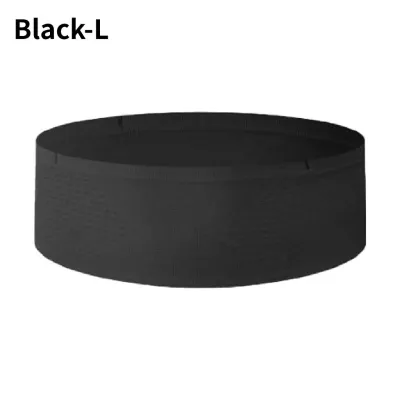
Prices are valid at publication and may change. Please refer to the product page for the latest price.
Storage volume requirements represent another major decision point. Minimalist profiles are designed for short, fast runs where you only need to carry a phone and a single key. These belts sit completely flat against your waist and easily disappear under a running singlet. On the other hand, expanded storage models feature wider bands or specialized elastic loops. These designs are built to accommodate larger items, such as soft hydration flasks, trekking poles, or multiple nutrition packets, making them suitable for self-sustained long runs.
To minimize bounce, you must balance the need for quick access against the physical profile of the belt. A wider belt distributes the weight of your gear over a larger surface area, which naturally reduces vertical oscillation during your stride. However, in tropical climates, a wider band covers more skin and can retain more heat. Narrower belts offer superior ventilation and a lighter feel but require you to pack mindfully, placing heavier items close to your center of gravity to prevent the belt from shifting.
Core Dimensions to Evaluate Before Buying
Before purchasing a running belt, you must measure your phone’s physical dimensions rather than relying on the manufacturer’s advertised screen size. Screen measurements are diagonal and do not account for the bezel, nor do they include the added bulk of protective cases. Rugged, shockproof, or battery-extended cases can double the thickness of a smartphone, making it difficult to slide into a standard fabric pocket. Use a ruler or caliper to measure the absolute length, width, and thickness of your phone with its daily case installed, and compare these figures against the pocket opening specifications of the belt.

Your daily storage checklist dictates the internal volume you require. For a standard road run, your needs might be limited to a smartphone, an ID card, and a house key. However, long-distance training sessions demand significantly more space. You must account for multiple energy gels, electrolyte packets, salt capsules, and potentially personal medical items like an inhaler. Ensure the belt you choose features separate compartments or an integrated key clip; keeping keys isolated prevents them from scratching your phone screen or puncturing soft gel packets during movement.
The physics of a bounce-free run rely entirely on friction, tension, and proper placement. Runners with a straight torso shape often find that wearing the belt around the natural waist—just above the belly button—provides the most stable fit, as the belt naturally rests on the narrowest part of the midsection. Conversely, runners with wider hips typically prefer wearing the belt lower, resting directly on the hip bones. This lower placement prevents the belt from riding up toward the chest during high-cadence running, provided the tension is adjusted correctly.
Weight distribution is the final element of bounce control. Concentrating all heavy items, such as a large smartphone, entirely in the front or back of the belt creates an unbalanced pendulum effect. This imbalance causes the fabric to stretch unevenly, leading to sagging and vertical movement. To maintain stability, distribute your gear evenly around the entire circumference of your waist, placing the heaviest item flat against your lower back or center abdomen, and balancing it with lighter items on the sides.
Aligning Belt Features With Your Running Style
During high-intensity intervals, tempo runs, or track workouts, your body moves dynamically, and any extra weight feels magnified. For these short-distance sessions, prioritize a lightweight, low-profile belt that does not restrict your breathing or abdominal expansion. The fabric should be highly breathable and quick-drying to handle intense sweat. A minimalist design that holds only your phone and a single key allows you to focus entirely on your pacing and stride mechanics without any bulky distractions around your waist.
Marathon training and long-distance road running require hours of continuous movement, making comfort and skin protection paramount. In hot and humid environments, continuous friction against wet skin can lead to severe chafing. Look for belts constructed from premium, moisture-wicking polyester-spandex blends that feature flatlock seams and a tagless design. The belt must be capable of distributing the weight of multiple nutrition servings and hydration flasks evenly, preventing localized pressure points that can irritate your skin over long distances.
Trail running introduces unpredictable terrain, steep elevation changes, and varying weather conditions. These factors subject your gear to intense vertical and lateral forces, making secure storage critical. For trail runs, select a belt with secure zippered compartments to prevent items from falling out during steep descents or scrambles. Additionally, look for trail-friendly features such as integrated elastic loops for carrying trekking poles and compatibility with soft hydration flasks. Because tropical trail runs can bring sudden downpours, consider placing your electronics in a simple waterproof baggie before sliding them into the belt pockets.
Pre-Purchase Checklist and Sizing Verification
To ensure a comfortable, bounce-free fit, you must measure your body accurately rather than guessing based on your standard clothing size. Standardize your measurement by wearing the typical running shorts, tights, or singlets you plan to use on your runs. Use a flexible measuring tape to measure the circumference of your body at the exact location you plan to wear the belt—whether that is your natural waist, your upper hips, or low on your hips. Keep the measuring tape snug against your clothing without pulling it tight enough to compress your skin.
Once you have your measurement, compare it directly to the manufacturer’s official sizing chart. If your measurement falls directly between two sizes, consider your personal fit preferences and running style. A smaller size provides a tighter, high-tension fit that is excellent for carrying heavier loads like hydration flasks, as the increased tension minimizes bounce. A larger size offers a more relaxed, comfortable fit that is ideal for lighter carrying needs or for runners who dislike tight pressure around their midsection.
Proper material care is essential to preserve the elasticity and recovery properties of your running belt over time. Sweat contains salt and body oils that can degrade elastic fibers if left to accumulate. After every run, rinse the belt in cool water. For thorough cleaning, hand wash the belt using a mild liquid detergent, or machine wash it on a delicate cycle inside a mesh laundry bag. Avoid using fabric softeners or bleach, as these chemicals clog the moisture-wicking pores of the fabric and break down the spandex fibers.
Always air dry your running belt away from direct sunlight to prevent UV degradation of the elastic materials. Never place the belt in a tumble dryer, as the high heat can warp the fabric, melt synthetic fibers, and cause the belt to lose its shape permanently. If you use an exceptionally bulky phone case, carry specialized medical equipment, or have unique sizing requirements that are not addressed in the product specifications, stop and consult the manufacturer or an authorized local retailer to verify compatibility before making your purchase.
Frequently Asked Questions (FAQ)
Can I wear a running belt over or under my shirt?
You can wear a running belt either over or under your shirt depending on your personal comfort and the weather conditions. Wearing the belt under your shirt provides a streamlined look and can help hold the belt tighter against your body, but direct contact with wet skin in hot, humid climates increases the risk of chafing. Wearing the belt over your shirt protects your skin from direct friction, improves ventilation, and allows for much easier access to your phone, keys, and nutrition during your run.
How do I prevent my running belt from bouncing or riding up?
To prevent your running belt from bouncing or riding up, you must select the correct size based on actual physical measurements rather than your standard pant size. Position the belt lower on your hips, as this wider skeletal structure naturally prevents the fabric from sliding upward toward your waist. Additionally, distribute the weight of your gear evenly around the entire circumference of the belt, placing heavier items like smartphones flat against your lower back or center abdomen to maintain balance.
Are zippered running belts better than pull-on tube designs?
Neither design is universally superior, as each serves different running preferences and storage needs. Zippered running belts offer maximum security for small, high-value items like keys, cards, and cash, ensuring they cannot slip out during intense movement or trail scrambles. Pull-on tube designs offer a seamless, hardware-free profile that eliminates potential pressure points against your skin and allows for faster, one-handed access to items like energy gels while you are running.
Community discussion
Share your experience or ask a question. Comments are reviewed before publication.