
Choosing the right floater for kids is one of the most critical decisions you will make before heading to a swimming pool or a beach resort. With warm weather inviting families to the water year-round, ensuring your child has the correct flotation device can mean the difference between a fun, confidence-building swim session and a highly dangerous situation. However, walking into a sports store or browsing an online marketplace reveals an overwhelming array of options, from inflatable arm bands to heavy-duty life jackets. Finding the ideal device requires looking beyond bright colors and cute cartoon designs; you must carefully evaluate your child’s age, exact weight, and current swimming level.
Understand the Difference: Swim Aids vs. Life Jackets
Before selecting any water gear, you must understand that not all floaters are designed to save lives. Flotation devices generally fall into two distinct categories: swim aids and life jackets (also known as Personal Flotation Devices or PFDs). Swim aids are designed strictly to help children build water confidence, practice basic swimming movements, and play in controlled, shallow environments like a backyard or resort pool. These include inflatable arm bands, swim rings, and light foam vests. They are intended for recreation and learning, helping a child maintain a horizontal or semi-vertical position while they actively kick and paddle.
In contrast, a certified life jacket or PFD is a safety device engineered to keep an unconscious or fatigued wearer’s head above water in emergencies. These devices feature high-grade inherent buoyancy (typically foam) and are designed to automatically turn a wearer face-up in the water, keeping their airway clear of waves. Using the wrong category in the wrong environment poses severe safety risks. For instance, relying on an inflatable swim ring on a moving boat or in open sea currents is extremely dangerous, as these toys can easily slip off, deflate, or flip over.
Products mentioned in this guide
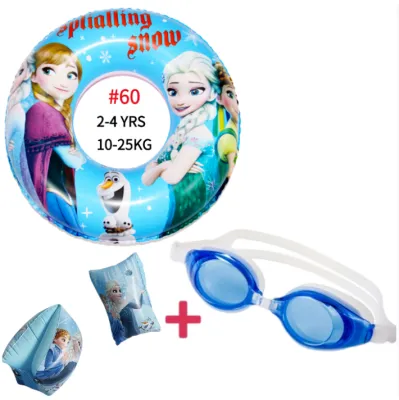
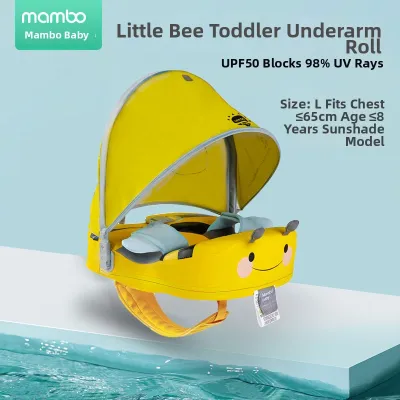
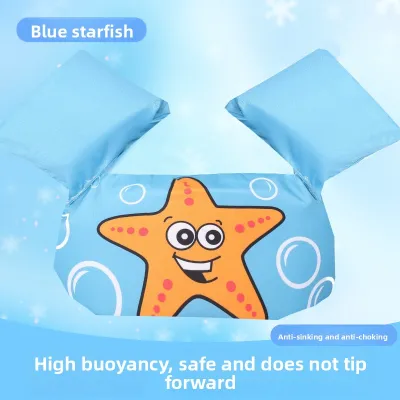
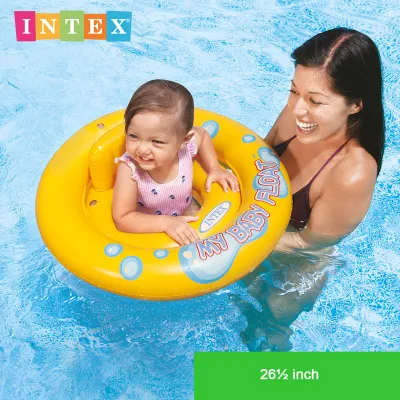
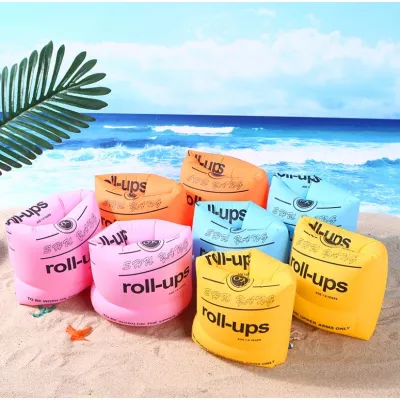
Prices are valid at publication and may change. Please refer to the product page for the latest price.
No matter which device you choose, you must remember a fundamental rule of water safety: no floater, regardless of its design, certification, or price, is ever a substitute for active, touch-distance adult supervision. Accidents in the water can happen silently and in seconds. An adult should always remain within arm’s reach of any child using a flotation aid, ready to intervene immediately if the child slips out of the device or rolls over.
Assess Your Child’s Swimming Level and Water Confidence
Selecting the perfect flotation device is not just about matching their age; it requires an honest diagnosis of their current aquatic skills and comfort level in the water. Children develop water confidence at highly variable rates, and placing a fearful child in a minimalist aid—or a confident child in a highly restrictive device—can hinder their progress or compromise their safety. To determine where your child stands, observe how they react to the water and categorize them into one of three primary swimming levels:

Non-swimmer / Water-shy: Children in this category are often fearful of the water, refuse to put their face in or blow bubbles, and require constant physical support from an adult just to stay upright. They may panic if water splashes on their eyes. For these children, the primary goal is building basic comfort. They need highly stable, supportive devices that keep them upright and secure, reducing anxiety so they can begin to enjoy the water.
Beginner: A beginner is comfortable entering the water and enjoys splashing around, but they still lack independent mobility. They may be learning to blow bubbles, kick their legs, and float with assistance, but they cannot swim or tread water on their own. Beginners benefit from floaters that offer balanced buoyancy, allowing them to practice horizontal body positioning while still providing enough support to keep their chin safely above the surface.
Intermediate: Intermediate swimmers are highly confident in the water. They can submerge their faces, blow bubbles easily, kick effectively, and even swim short distances or tread water without help. However, they still lack the endurance, strength, or refined technique required for deep water or open-water environments like beaches. These children need minimalist flotation aids that do not restrict their arms or shoulders, allowing them to practice proper stroke mechanics while providing a safety backup when fatigue sets in.
Understanding your child’s water confidence is crucial because it dictates the balance between buoyancy and freedom of movement. A highly restrictive device provides maximum flotation but prevents a child from learning how to balance their own body in the water. Conversely, a minimalist aid offers excellent freedom of movement for practicing strokes but will not support a weak or panicking swimmer.
Match the Floater for Kids to Age, Weight, and Swimming Skill
Once you have diagnosed your child’s swimming level and water confidence, you can match them to the appropriate category of floater for kids. Each design serves a specific developmental stage and water environment. To make an informed decision, you must weigh the benefits, limitations, and intended use of each type.
Arm Bands and Swim Rings
Inflatable arm bands (often called water wings) and classic swim rings are among the most common pool toys seen at local resorts. These are generally suitable for older toddlers and young children who already possess some water confidence and are actively learning to kick and paddle in shallow pools. Arm bands provide buoyancy directly to the upper arms, which can help keep a child’s head above water while leaving their legs free to kick.
However, these devices carry significant safety limitations that parents must not ignore. Inflatable arm bands can easily slip off a child’s arms if they are not inflated to the correct pressure, or if the child’s skin becomes slippery from sunscreen or soapy water. Swim rings are even more hazardous; because they do not secure to the child’s body, a child can easily slip through the center or flip upside down if they lean too far forward or backward, trapping their head underwater. Because of these risks, arm bands and swim rings require constant, close-proximity supervision and should only be used in calm, shallow pool water where an adult is actively playing with the child.
Swim Vests and Puddle Jumpers
Swim vests and hybrid flotation devices (commonly known as puddle jumpers, which feature a chest band connected to arm sleeves) are excellent choices for toddlers and preschoolers who are building basic water familiarity. These devices are designed to wrap securely around the child’s torso, providing central buoyancy that keeps them in a stable, upright position in the water. Most puddle jumpers use a combination of solid foam inserts and secure back buckles, making them virtually immune to sudden deflation.
While these devices offer excellent peace of mind and keep the child secure, they present a distinct design trade-off. The bulk of the foam around the chest and upper arms can restrict the natural arm movements required to learn proper swim strokes. If your child is actively taking swimming lessons, a bulky swim vest might force them into an unnatural, vertical posture rather than the horizontal alignment needed for front crawls. For recreational play, they are highly effective, but for structured swim training, you may need to transition to more streamlined aids as their skills improve.
Life Jackets (Personal Flotation Devices)
A certified life jacket is a non-negotiable safety requirement whenever your child is near open water, such as on a boat, a dock, or at a beach. They are also highly recommended for weak or non-swimmers playing near deep pools. Unlike recreational floaters, a certified life jacket is designed to save lives in emergency situations by keeping the wearer’s airway clear of the water, even if they are fatigued or unconscious.
When purchasing a life jacket, you must bypass generic pool toys and strictly check the product label for specific weight ranges and safety certifications, such as those from recognized maritime safety standards. Essential safety features to look for include a wide head support collar (which helps cradle the child’s head and keep their face up), a heavy-duty front zipper with adjustable chest straps, and a secure crotch strap. The crotch strap is vital; without it, the life jacket can easily ride up over the child’s ears and face when they enter the water, rendering the device ineffective and potentially blocking their breathing.
Key Features to Check Before Buying
Before finalizing your purchase, you must perform a thorough safety and quality check. Marketing labels can sometimes be misleading, so verifying specific physical features is the best way to protect your child. Use this practical checklist when evaluating any flotation device:
- Weight vs. Age Limits: Always prioritize your child's current weight over their age when reading manufacturer labels. Age recommendations are merely general guidelines because children of the same age can vary widely in body mass. Buoyancy is physics-based; a device designed for a 3-year-old may fail to keep a heavier child afloat, while a device that is too large can slip off a smaller child. Always check the applied product's label and the treated item's manufacturer instructions to confirm your child falls safely within the specified weight range.
- Safety Certifications: Look for recognized safety testing marks printed directly on the device or its packaging. Certified life jackets will display clear approval codes (such as USCG, CE, or ISO marks). Avoid buying unbranded, extremely cheap floaters from online marketplaces that lack clear safety labeling, as these often use low-grade plastics, weak seams, or non-standard buoyancy materials.
- Physical Fit and Comfort: Check for secure, child-proof buckles that require two-handed operation to open, preventing your child from accidentally unclasping the device mid-swim. For inflatable floaters, inspect the seams; they should be flat, smooth, and double-welded to prevent skin chafing and sudden seam splits. For foam vests, look for soft, high-quality fabric coverings (like nylon or neoprene) with padded neck and arm openings to prevent painful rashes during active play in warm, humid weather.
Safe Usage and Maintenance Tips for Kids' Floaters
Maintaining your child’s flotation gear is just as important as choosing the right model. In tropical, high-humidity climates, salt, chlorine, intense sunlight, and moisture can rapidly degrade materials, compromising their safety and lifespan. Follow these essential care and usage steps to keep your gear in top condition:
- Pre-Use Inspection: Before every single swim session, perform a quick safety check. Fully inflate any inflatable components and squeeze them gently to listen for slow leaks, or submerge them in water to look for escaping air bubbles. Inspect all plastic buckles, straps, and zippers for signs of cracking, fraying, or stiffness. If any part of the device appears compromised, do not use it.
- Post-Use Maintenance: After exiting the pool or ocean, immediately rinse the floater thoroughly with clean, fresh tap water. This removes destructive chlorine, salt crystals, sand, and sunscreen residues that can eat away at fabrics and plastics. Shake off excess water and hang the device to air-dry completely in a well-ventilated, shaded area. Avoid leaving floaters in direct, harsh sunlight for extended periods, as UV rays will degrade the synthetic fabrics and make plastics brittle. Never store a damp floater in a closed bag or plastic bin, as high humidity will quickly trigger mold and mildew growth.
- Replacement Triggers: You must replace a floater immediately if your child exceeds the maximum weight limit stated on the manufacturer's label. Additionally, discard the device if you notice visible cracking in the plastic, faded fabrics that indicate severe UV damage, brittle buckles that snap too easily, or foam inserts that have become compressed, waterlogged, or crumbly.
Frequently Asked Questions (FAQ)
Can my child use a swim ring instead of a life jacket on a boat?
No, a swim ring should never be used as a substitute for a certified life jacket on a boat or in open water. Swim rings are classified as recreational pool toys, not life-saving devices. They do not secure to your child’s body, can easily flip over in waves, and can slip off or deflate instantly. On any watercraft or in open sea conditions, children must wear a properly fitted, certified life jacket with a secure crotch strap.
At what age can a child stop using a floater?
There is no specific age at which a child can safely stop using a floater. The transition depends entirely on their swimming competence, physical endurance, water confidence, and the specific aquatic environment. A child who swims confidently without assistance in a shallow, calm pool may still require a certified life jacket when swimming in deep water, facing ocean currents, or participating in water sports.
Are inflatable floaters safer than foam ones?
Neither material is universally safer; rather, they serve different purposes and carry distinct trade-offs. Inflatable floaters are highly portable and easy to pack for travel, but they carry a constant risk of puncture, valve failure, or slow leaks. Foam floaters provide inherent, reliable buoyancy that cannot deflate, making them inherently safer for open water and active play, though they are bulkier to pack and carry. Regardless of the material, safety always depends on a proper fit, appropriate use, and active adult supervision.
Community discussion
Share your experience or ask a question. Comments are reviewed before publication.