
Starting your fitness journey or upgrading your athletic setup in the Philippines requires gear that can withstand both intense physical activity and the demanding tropical climate. When exploring Flowstate sports accessories, the best first purchase depends entirely on your immediate training bottlenecks. For most active individuals, prioritizing high-quality hydration gear is the most logical starting point, as managing fluid intake is a daily necessity in high-humidity environments. If your routine leans heavily toward strength training or high-impact court sports, protective support gear like knee sleeves or wrist wraps should take precedence to help manage joint stress. Meanwhile, team sports players and cyclists will find the greatest immediate value in portable maintenance and inflation tools. By identifying your primary physical demands and environmental challenges first, you can select accessories that offer the highest utility from day one.
Assessing Your Primary Fitness Needs
Before browsing any product catalog, take a step back to evaluate the specific gaps in your current workout routine. Many fitness enthusiasts make the mistake of purchasing accessories based on trends rather than actual utility, resulting in gear that sits unused in a gym bag. Begin by auditing your daily or weekly training sessions to identify where you experience the most friction. Are you constantly stopping your workouts to find a water fountain, or does your current bottle fail to keep your drinks cold during long outdoor sessions? Do you feel minor joint discomfort during heavy squats or fast-paced basketball games that could benefit from light compression? Or are you frequently dealing with underinflated sports balls or soft bicycle tires before a game or ride?
Matching your accessory choices to your workout frequency, environment, and intensity is crucial for maximizing your investment. If you train outdoors in the intense heat of the Philippines, your hydration needs will be significantly higher than someone working out in an air-conditioned commercial gym. High-intensity, high-impact activities demand durable, supportive gear that can handle heavy sweat and repetitive movement without slipping. Conversely, if you are a casual weekend warrior, you may want to prioritize versatile, multi-purpose accessories that can transition easily from a morning jog to an afternoon gym session.
Products mentioned in this guide
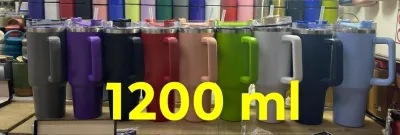
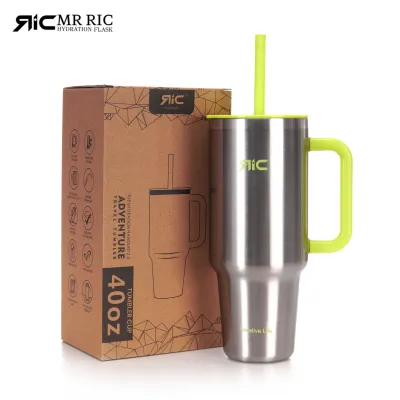
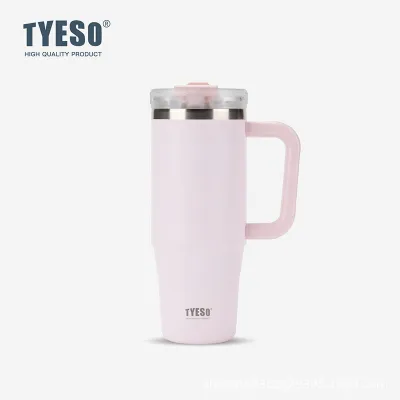
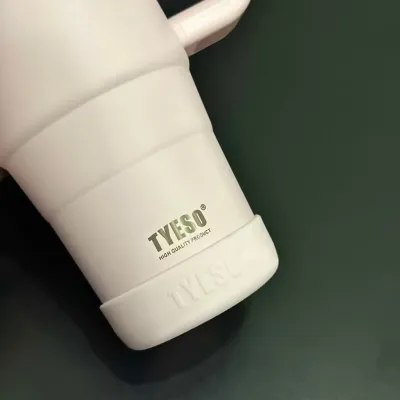
Prices are valid at publication and may change. Please refer to the product page for the latest price.
For beginners, the smartest strategy is to prioritize versatile items that serve multiple activities over highly specialized gear. A well-designed insulated water bottle, for example, is highly useful whether you are hiking, lifting weights, or commuting to work. On the other hand, specialized joint supports or niche maintenance tools are only valuable if you participate in those specific sports regularly. By focusing on multi-functional accessories first, you ensure that your initial purchases deliver immediate, daily value while you gradually define your long-term fitness goals.
Matching Flowstate Categories to Your Activity
Flowstate offers a diverse lineup of sports accessories designed to solve distinct training problems, ranging from hydration management to joint support and equipment maintenance. Navigating these categories requires a structured approach that aligns the technical features of the gear with the physical demands of your sport. Rather than buying random items, you should view each category as a targeted solution to a specific athletic challenge.

To help you decide where to start, we have broken down the brand’s primary accessory categories into clear, activity-based evaluation paths. Whether you are looking to optimize your hydration, protect your joints during heavy lifts, or keep your sports equipment in peak condition, the following sections will guide you through the key considerations for each product type.
Hydration and Nutrition Gear
In a tropical climate where high humidity accelerates fluid loss through sweat, proper hydration is the foundation of athletic performance and safety. When deciding whether to make hydration gear your first purchase, consider your primary training environment and the duration of your workouts. For gym-goers, runners, and outdoor athletes, a reliable bottle is not just a convenience but a critical piece of safety equipment.
If you spend hours training outdoors under the sun, an insulated stainless steel bottle is generally the ideal choice. These bottles are designed to maintain cold temperatures for extended periods, providing refreshing relief that helps regulate your core body temperature during intense heat. However, if you are a long-distance runner or trail runner, a heavy insulated bottle might be impractical. In these scenarios, lightweight, flexible running flasks or ergonomic hand-held bottles are more suitable, as they minimize carrying weight and can be easily stowed in a running vest or belt.
When evaluating hydration options, there are several key features you must verify to ensure long-term usability. Look for leak-proof lid mechanisms, such as secure screw caps or locking flip-tops, to prevent accidental spills inside your sports bag. Ensure the materials are completely BPA-free to avoid chemical leaching, especially when the bottle is exposed to warm outdoor temperatures. Additionally, prioritize designs with wide openings and removable silicone gaskets, which make thorough cleaning much easier and prevent the buildup of mold and bacteria in humid conditions.
Keep in mind that standard sports bottles have their limitations. If you are participating in extreme endurance events, multi-hour trail rides, or remote hikes, a single standard bottle may not provide sufficient capacity. In these cases, you will need to supplement your setup with larger hydration bladders or plan reliable refilling stops along your route, rather than relying solely on a single portable container.
Protective and Support Equipment
As your training intensity increases, the physical stress on your joints and connective tissues rises accordingly. Investing in protective and support equipment, such as knee sleeves, wrist wraps, or elbow supports, becomes a priority when you begin to experience minor joint fatigue or when your workouts involve heavy, repetitive loading. These accessories are designed to provide targeted compression, which helps keep the joints warm, improves proprioception (your body’s awareness of joint position), and offers lateral stability during complex movements.
To determine if joint support is necessary for your routine, look for specific indicators during and after your workouts. If you experience mild stiffness or a feeling of instability in your knees during heavy squats, lunges, or high-impact court sports like basketball and badminton, a supportive sleeve can provide the necessary compression to help you move with greater confidence. Similarly, if your wrists feel strained during overhead presses, bench presses, or gymnastics movements, adjustable wrist wraps can offer the structural reinforcement needed to maintain a neutral wrist position under load.
Before ordering any protective gear, it is absolutely critical to check the manufacturer’s sizing charts and understand the intended compression levels. Wearable support gear must fit snugly to be effective, but it should never be so tight that it restricts blood circulation or limits your natural range of motion. Take accurate measurements of your joints using a flexible measuring tape, and compare them directly to the brand’s sizing guidelines rather than guessing based on your clothing size.
It is equally important to remember that protective gear is a supportive aid, not a cure-all. Compression sleeves and wraps are designed to assist your joints during strenuous activity, but they cannot replace proper lifting form, adequate mobility work, and progressive physical conditioning. Relying too heavily on support gear to mask pain or bypass structural weaknesses can lead to long-term injury. Always prioritize technique and consult a sports professional if you experience persistent pain.
Maintenance and Inflation Tools
For athletes who rely on inflated sports balls or pneumatic tires, maintenance and inflation tools are not optional accessories—they are essential for ensuring consistent playability and safety. If you regularly play basketball, volleyball, football, or if you ride a bicycle for training or commuting, having a reliable, portable inflation tool can mean the difference between a successful session and a canceled workout.
A dedicated portable pump becomes essential when you transition from indoor, controlled environments to outdoor courts, fields, or trails. Temperature fluctuations and regular use naturally cause sports balls and bicycle tires to lose pressure over time. Carrying a compact, lightweight pump in your backpack or mounting it to your bicycle frame ensures that you can quickly adjust pressure on the go, maintaining optimal bounce, grip, and rolling resistance.
Before purchasing any inflation tool, you must verify its valve compatibility with your existing equipment. Bicycle tubes typically use either Presta (narrow, high-pressure) or Schrader (wider, car-style) valves, while sports balls require standard inflation needles. Look for pumps that feature dual-valve heads or include adapters to ensure you can inflate all your gear without needing to purchase separate, specialized attachments.
Additionally, consider the storage and portability of your maintenance kit. A good portable pump should be compact enough to fit easily into a standard gym bag or attach securely to a bike frame without adding excessive weight. Look for models that feature integrated hose storage or dust caps to protect the internal mechanisms from dirt, sand, and moisture, which are common hazards during outdoor sports in tropical environments.
Essential Specs and Compatibility Checks Before Buying
To ensure that your chosen Flowstate accessories integrate seamlessly with your existing gear and body, you must perform several essential specification and compatibility checks before finalizing your purchase. Taking the time to verify these details beforehand will save you the hassle of dealing with returns or owning gear that does not fit your lifestyle.
First, when purchasing wearable protective gear like knee sleeves or wrist wraps, carefully read and interpret the manufacturer’s sizing guides. Do not assume that your size in one brand matches your size in another. Use a flexible measuring tape to measure the circumference of the target area (such as the center of the knee joint or the narrowest part of the wrist) while your muscles are relaxed. If your measurement falls between two sizes, consider the intended use: choose the smaller size for tighter, competition-style compression, or the larger size for comfortable, all-day wear during extended training sessions.
Second, verify the material care instructions to ensure the longevity of your accessories, especially in humid, tropical climates. High humidity and heavy sweat create an ideal breeding ground for mold, mildew, and unpleasant odors. Check if the materials are machine washable or if they require hand washing with mild soap. Avoid accessories that cannot be easily cleaned, and look for breathable, moisture-wicking fabrics that dry quickly to prevent material degradation over time.
Third, check the physical dimensions and capacity limits of bottles, pumps, and bags. If you plan to use a water bottle on your bicycle, measure your bike’s bottle cage to ensure the bottle’s diameter is compatible. For gym-goers, verify that the bottle fits securely into standard cup holders on treadmills or in your vehicle. If you are buying a portable pump, check its length and mounting options to ensure it fits comfortably inside your preferred sports bag or attaches neatly to your bicycle frame without interfering with your pedaling motion.
Finally, if you are ever unsure about the specifications, fitment, or suitability of a particular accessory for your specific physical condition, stop and consult the manufacturer’s customer support or a qualified coach. Using ill-fitting protective gear or incorrect maintenance tools can lead to equipment damage or physical discomfort. A professional can provide personalized guidance based on your body mechanics and training goals, ensuring you make a safe and informed decision.
Finding Authorized Retailers and Verifying Authenticity
As sports accessories grow in popularity, the market often sees an influx of counterfeit or unauthorized products. To ensure you are purchasing genuine Flowstate gear that meets safety and quality standards, it is crucial to buy only from authorized distribution channels in the Philippines. Genuine accessories are manufactured with high-grade materials and undergo quality control checks that counterfeit items simply do not replicate.
Start by identifying official brand websites, physical sports specialty stores, and authorized online storefronts. Many reputable brands establish official flagship stores on major e-commerce platforms, which are typically marked with verification badges or official mall labels. If you prefer to shop in person, visit established athletic retail chains or specialized sports shops that are known to carry authorized inventory. Purchasing from these verified sources ensures that you receive a genuine product and have access to legitimate customer support.
Be vigilant against red flags when browsing general online marketplaces or third-party seller listings. Suspiciously low pricing is one of the most common indicators of a counterfeit product; if a deal seems too good to be true, it almost certainly is. Other red flags include listings with blurry or stock-only product images, poor spelling and grammar in the product descriptions, and a complete lack of seller reviews or customer feedback. Additionally, unauthorized sellers rarely offer official manufacturer warranties or clear return policies, leaving you with no recourse if the product arrives defective or fails prematurely.
Before completing your purchase, always check the seller’s return policies, warranty terms, and customer support channels. Authorized retailers will clearly outline their policies for handling defective items, shipping damage, or incorrect sizes. Having access to reliable customer support provides peace of mind, ensuring that your investment is protected and that you can easily resolve any issues that may arise with your new sports accessories.
Frequently Asked Questions (FAQ)
How do I clean and maintain Flowstate hydration gear?
To keep your hydration gear fresh and free from mold, rinse it thoroughly with warm water and mild dish soap after every use. Pay close attention to the silicone seals, gaskets, and mouthpiece, as these areas are highly prone to moisture retention and bacterial growth in humid climates. Allow all components to air-dry completely in a well-ventilated area before reassembling or storing them. Always check the product label or user manual to verify if your specific bottle is dishwasher safe, as high heat can warp certain plastics or damage vacuum seals. Avoid using harsh chemical bleaches, boiling water, or highly abrasive scrubbing brushes, which can degrade the materials and compromise the leak-proof seals over time.
Can I use Flowstate protective gear for multiple sports?
Many standard support accessories, such as light compression knee sleeves, can be used across various activities to provide warmth and mild joint support. However, the physical demands of static weightlifting differ significantly from the dynamic, multi-directional movements of court sports like basketball or tennis. Weightlifting wraps and sleeves are often stiffer to handle heavy, linear loads, whereas court sports require greater flexibility and breathability. Always check the manufacturer’s intended use cases and safety warnings before using gear for an activity it was not designed for. For high-impact sports or activities with a high risk of falls, specialized, certified protective gear with integrated padding is strictly required to provide adequate impact protection.
Community discussion
Share your experience or ask a question. Comments are reviewed before publication.