
The choice of a foldable kayak depends heavily on your planned activities and the specific waters you intend to explore. For casual weekend paddlers seeking relaxation on calm lakes or slow-moving rivers, a wide, highly stable design that sets up in minutes is ideal. For those planning long-distance touring or coastal exploration along windy shorelines, a longer, narrower model that tracks straight and cuts through choppy water is essential. Anglers, on the other hand, require a platform with exceptional stability, high weight capacity, and integrated gear mounts. By understanding how different folding designs align with these specific activities, you can select a watercraft that balances portability with on-water performance.
How Foldable Kayak Designs Impact Performance
To choose the right foldable kayak, you must understand how different structural designs influence how a boat behaves on the water. The three primary categories of portable kayaks are origami-style (hard-shell folding), skin-on-frame, and high-pressure inflatable models. Each type utilizes distinct materials and assembly methods, resulting in different levels of rigidity, overall weight, and setup times.
Origami-style folding kayaks are constructed from solid sheets of durable plastic, such as custom-extruded polypropylene. These sheets feature pre-creased fold lines, allowing the entire hull to fold down into a single carrying case. Once assembled, the interlocking folds create a remarkably rigid hull that closely mimics the performance of a traditional rotomolded plastic kayak. This rigidity translates directly into efficient energy transfer with every paddle stroke, making origami models excellent for tracking and speed. Setup times are generally quick, often requiring only 10 to 15 minutes once you master the folding sequence.
Products mentioned in this guide
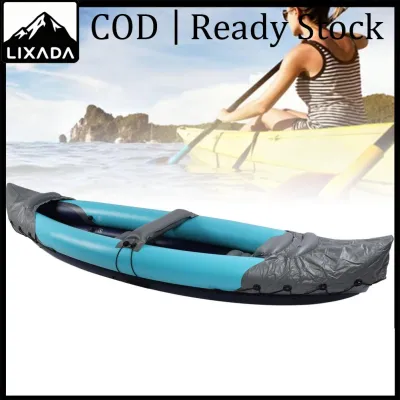
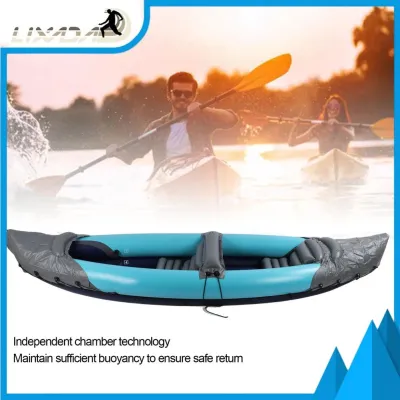
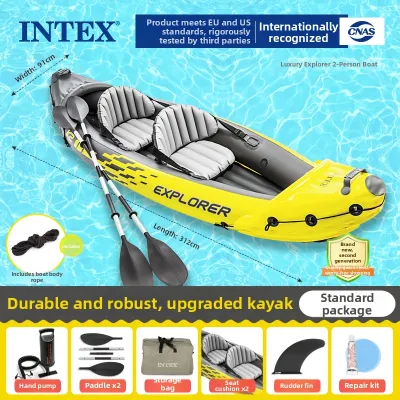
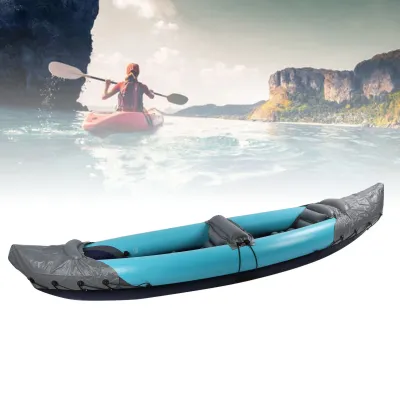
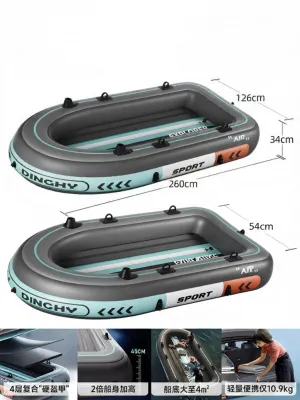
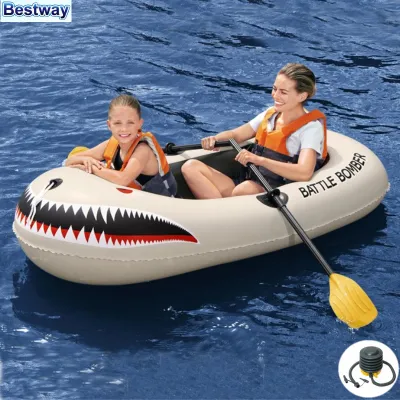
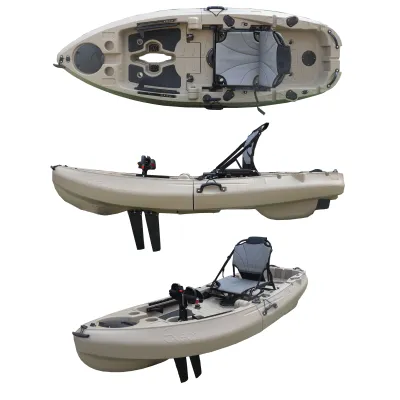
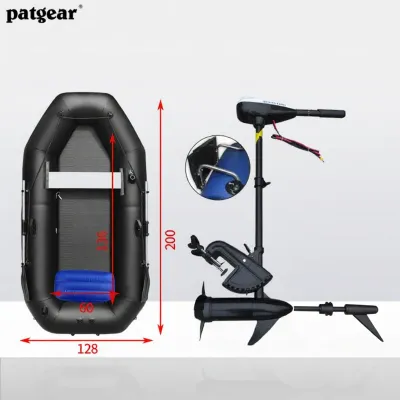
Prices are valid at publication and may change. Please refer to the product page for the latest price.
Skin-on-frame kayaks utilize a modular internal skeleton—typically made of anodized aluminum tubing—wrapped in a tough, flexible synthetic skin. This design offers an organic paddling feel, as the flexible skin absorbs minor wave impacts. Skin-on-frame models often feature highly hydrodynamic hull shapes, making them superb for long-distance touring. However, the assembly process is the most complex of all portable types, often requiring 20 to 40 minutes of careful tensioning and frame alignment.
High-pressure inflatable kayaks have evolved significantly with the introduction of drop-stitch technology. These kayaks use thousands of polyester threads to link the top and bottom layers of the PVC chambers, allowing them to be inflated to much higher pressures (10 to 15 PSI) than traditional low-pressure inflatables. This high pressure creates a flat, rigid floor and stiff side chambers that resist bending in the water. Inflatables are incredibly buoyant, highly stable, and exceptionally easy to transport, making them a favorite for recreational users. The trade-off is their higher profile on the water, which makes them more susceptible to being pushed off course by crosswinds. Setup is straightforward, requiring only a high-volume pump and 5 to 10 minutes of physical effort.
Best Foldable Kayak Features for Casual Paddling
Casual paddling is all about relaxation, ease of use, and enjoying calm waterways like sheltered lakes, quiet rivers, or protected bays. For these activities, your primary considerations when choosing a foldable kayak should be initial stability, portability, and a stress-free setup process.

Initial stability refers to how steady the kayak feels when you are sitting still on flat water or climbing into the cockpit. For casual paddlers, beginners, and families, high initial stability is essential for building confidence. To achieve this, look for kayaks with wider hulls—typically 30 inches or broader—and shorter overall lengths of 9 to 11 feet. A wider beam creates a larger footprint on the water, making the kayak highly resistant to tipping when you shift your weight. Shorter hulls also offer superior maneuverability, allowing you to turn the kayak with minimal effort, which is highly beneficial when navigating winding creeks or crowded swimming areas.
Portability and quick setup are crucial because a kayak that is difficult to transport or assemble will likely end up unused. High-pressure inflatables and origami-style kayaks are the most popular choices for casual use due to their rapid assembly times. Many of these models can be unpacked from a car trunk and fully assembled at the water’s edge in under 10 minutes without requiring any specialized tools.
When selecting a casual foldable kayak, always verify the manufacturer’s specified weight limits, especially if you plan to paddle with a partner, child, or pet. Single-person recreational kayaks typically have weight capacities ranging from 250 to 350 pounds, while tandem (two-person) models can support 400 to 600 pounds. It is vital to check these specifications directly with the manufacturer to ensure the kayak can safely accommodate your intended load. For optimal safety and performance, your total combined weight (paddler plus gear) should not exceed 70% to 80% of the kayak’s maximum rated capacity. Overloading a kayak lowers its freeboard (the height of the side above the water), making it sluggish to paddle and highly susceptible to taking on water from passing boat wakes.
Paddling on calm local waterways still requires active safety planning. Even on a flat lake, sudden tropical weather shifts can create challenging conditions. Always check local wind and weather forecasts before heading out, and ensure you are paddling in areas appropriate for your skill level.
What to Look for in a Touring Foldable Kayak
Touring involves paddling longer distances, exploring open coastal waters, or embarking on multi-day camping trips. To handle these demanding environments, a touring foldable kayak must prioritize speed, tracking, gear storage capacity, and wind resistance.
Unlike casual kayaks, touring models feature longer, narrower hulls. A typical touring foldable kayak measures 12 to 16 feet in length and has a narrow beam of 24 to 28 inches. This streamlined design reduces water resistance, allowing the kayak to glide smoothly over long distances with minimal effort. The increased length also improves tracking, which is the kayak’s ability to maintain a straight course without constantly veering from side to side. This efficiency is critical for conserving your physical energy during long hours on the water.
Gear storage is another critical requirement for touring. Look for models that offer dedicated internal dry storage compartments with secure hatches, or robust deck bungee systems that allow you to lash dry bags securely to the exterior. Because foldable kayaks have internal frames or folding seams, space can be more restricted than in traditional hard-shell touring boats. It is essential to choose a model that allows you to distribute weight evenly between the bow (front) and stern (rear) to maintain proper trim and handling.
When paddling along coastal areas, you will inevitably encounter wind, waves, and tidal currents. A tracking fin (skeg) or a foot-controlled rudder system is highly recommended for touring. A skeg is a drop-down fin that helps keep the kayak straight in crosswinds, while a rudder allows you to steer using foot pedals, leaving your hands free to focus entirely on forward paddling.
Wind resistance is a major differentiator among foldable designs. Rigid folding designs, such as origami-style and skin-on-frame kayaks, sit lower in the water and have a sleek, aerodynamic profile. This allows them to handle crosswinds and choppy coastal waves far better than high-profile inflatable kayaks, which can act like sails and be easily blown off course. Before planning a coastal trip, always check the manufacturer’s specifications regarding maximum wind and wave ratings to ensure your kayak is built to handle the conditions you may encounter.
Essential Foldable Kayak Specs for Fishing
Using a foldable kayak for fishing offers incredible access to remote, sheltered coves, reservoirs, and calm coastal estuaries that are inaccessible to larger motorized boats. However, angling places unique demands on a portable watercraft, requiring high weight capacity, exceptional stability, and customizable gear mounting options.
Weight capacity is a primary concern for kayak anglers. In addition to your own body weight, you must account for fishing rods, tackle boxes, anchors, coolers, bait buckets, and your catch. Look for foldable kayaks with a rated weight capacity of at least 350 to 500 pounds. Exceeding or even approaching the maximum weight limit will compromise the kayak’s stability and make it difficult to maneuver.
Exceptional primary stability is critical because angling involves constant movement. You will need to cast, lean over the side to land fish, reach behind your seat for gear, and occasionally stand up to spot fish. Wide-beam inflatable kayaks with rigid drop-stitch floors or wide-profile origami models provide the steady platform required for these movements.
To fish effectively, your kayak must accommodate specialized gear. Look for models equipped with built-in gear tracks, D-rings, or mounting points that allow you to secure rod holders, fish finders, GPS units, and camera mounts. If a foldable kayak does not come with integrated tracks, verify with the manufacturer if aftermarket adhesive mounts or clamp-on accessories can be safely installed without damaging the hull material or interfering with the folding mechanism.
It is important to understand the limitations of foldable kayaks in fishing scenarios. While they excel in lakes, calm rivers, and sheltered coastal waters, they are generally not suitable for rough, open-ocean fishing. Foldable hulls lack the extreme impact resistance and self-draining scupper holes found in specialized, rotomolded sit-on-top fishing kayaks. Furthermore, sharp objects like fish spines, hooks, knives, and jagged coral reefs present a hazard to flexible synthetic skins and inflatable chambers. Always verify exact weight capacities and accessory compatibility directly with the manufacturer before purchasing, and limit your fishing trips to environments that match the structural capabilities of your specific model.
Cross-Scenario Compatibility: Balancing Trade-Offs
Many paddlers hope to find a single foldable kayak that can perform perfectly across all activities, from long-distance touring to weekend fishing. While hybrid designs exist to bridge these gaps, choosing a multi-use kayak always involves accepting significant design compromises.
Hybrid foldable kayaks attempt to strike a balance by offering moderate widths (around 28 to 30 inches) and medium lengths (around 11 to 13 feet). These dimensions provide decent stability for casual use or light fishing while still offering acceptable tracking and speed for short touring trips. However, a hybrid model will never perform as well as a specialized kayak in its dedicated environment.
To understand these trade-offs, consider the conflicting design requirements of fishing and touring. A dedicated fishing kayak is designed to be wide and highly stable, which inherently creates massive water resistance and drag. If you attempt to take a wide fishing kayak on a 15-kilometer touring trip, you will quickly become exhausted due to the heavy effort required to keep it moving and tracking straight. Conversely, a dedicated touring kayak is narrow, fast, and designed to tilt slightly to assist with carving turns. If you attempt to fish from a narrow touring kayak, you will find it incredibly difficult to cast or land a fish without feeling like the boat is about to capsize.
To make the right choice, use a structured decision framework to prioritize your activities:
- Identify your primary activity: Determine where you will spend 80% of your time on the water. If you primarily paddle for relaxation, prioritize stability and quick setup over speed.
- Assess transport and storage limits: If you live in an apartment or drive a small vehicle, your storage space may dictate choosing a compact inflatable or origami model, regardless of performance goals.
- Be realistic about your skill level: Beginners should prioritize wider, more forgiving hulls, while experienced paddlers can safely opt for narrower, performance-oriented touring designs.
By prioritizing your primary use case, you can avoid purchasing a hybrid kayak that performs poorly across all scenarios.
Water Safety and Tropical Climate Maintenance
Paddling in a tropical climate like the Philippines offers beautiful scenery and warm waters, but it also presents unique environmental challenges. To ensure a safe and enjoyable experience, you must adhere to strict water safety guidelines and implement a dedicated maintenance routine to protect your gear from heat, humidity, and saltwater.
First and foremost, specialized kayaking equipment can never replace fundamental water skills and sound judgment. You must possess adequate swimming ability and situational awareness of your surroundings. Always wear a properly fitted, Coast Guard-approved Personal Flotation Device (PFD) and use a high-quality paddle leash to prevent your paddle from drifting away. Equipment cannot replace training, local knowledge, or realistic self-assessment of your physical limits. Before launching, check local weather forecasts, wind patterns, and tidal currents. Establish clear boundaries for when to turn back or stop—such as sudden wind shifts, dark storm clouds, or rising waves—and never hesitate to cancel a trip if conditions exceed your skill level.
The tropical environment of the Philippines is exceptionally harsh on foldable kayak materials. High humidity, intense UV radiation, and saltwater can rapidly degrade plastics, synthetic fabrics, and metal frames if not properly managed. Implement the following post-trip maintenance routine after every outing:
- Rinse thoroughly: Flush the entire kayak, inside and out, with clean, fresh water. This is critical after saltwater trips to remove salt crystals, sand, and organic debris that can corrode metal zippers, abrade synthetic skins, and jam folding joints.
- Dry completely: Wipe down all surfaces with a clean towel and allow the kayak to dry completely in a shaded, well-ventilated area before folding it. Storing a damp foldable kayak in a humid environment will rapidly lead to the growth of mold and mildew, which can destroy fabrics and weaken adhesive seams.
- Protect from UV exposure: Never leave your assembled or packed kayak exposed to direct, intense sunlight for extended periods when not in use. UV rays degrade PVC coatings, weaken plastics, and cause materials to become brittle. Store your packed kayak in a cool, dry, indoor location away from direct sunlight.
Frequently Asked Questions (FAQ)
Are foldable kayaks durable enough for rocky rivers?
While modern high-pressure PVC drop-stitch inflatables and double-layered origami plastics offer impressive puncture and abrasion resistance, they are not indestructible. Avoid dragging your kayak over sharp rocks, shallow gravel beds, or oyster reefs. Always check water depths before navigating shallow sections, and consult the manufacturer’s specific guidelines regarding river use and impact resistance.
How long does it take to assemble a foldable kayak?
Assembly times vary significantly depending on the design. High-pressure inflatables generally offer the fastest setup, taking about 5 to 10 minutes using a high-volume pump. Origami-style folding kayaks typically require 10 to 15 minutes once you are familiar with the folding pattern. Skin-on-frame models are more complex, often requiring 20 to 45 minutes. Always check the product manual for exact assembly instructions and tool requirements.
Do I need to register a non-motorized foldable kayak?
In the Philippines, registration requirements for non-motorized watercraft vary by municipality and specific body of water. While casual paddling in open coastal waters rarely requires registration, certain protected lakes, reservoirs, or marine sanctuaries may require local permits, environmental fees, or registration with local government units (LGUs) or the Philippine Coast Guard. Always check current local regulations before launching.
Community discussion
Share your experience or ask a question. Comments are reviewed before publication.