
Starting golf can feel overwhelming, especially when walking into a pro shop filled with high-tech gadgets, specialty apparel, and endless rows of gear. For a beginner, distinguishing between what is truly necessary to play your first round and what is merely a luxury can save you thousands of Philippine Pesos. You do not need a tour-level setup to learn the fundamentals, navigate a local course, or enjoy a weekend morning at the driving range.
The secret to a successful start is focusing on items that directly impact your grip, safety, and course etiquette, while deferring high-end electronics and specialized apparel until your swing becomes consistent. By prioritizing a few essential tools, you can step onto the tee box with confidence, respect the rules of the game, and keep your initial investment highly manageable.
The Non-Negotiables: Essential Golf Accessories for Day One
Your first day on the golf course requires a specific set of tools to ensure you can play efficiently, protect the turf, and remain comfortable under the sun. These items are mandatory for basic gameplay and course etiquette, meaning you cannot easily play a round without them.
Products mentioned in this guide

Prices are valid at publication and may change. Please refer to the product page for the latest price.
Grip and Control
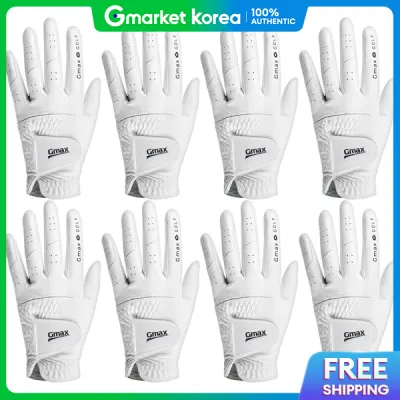
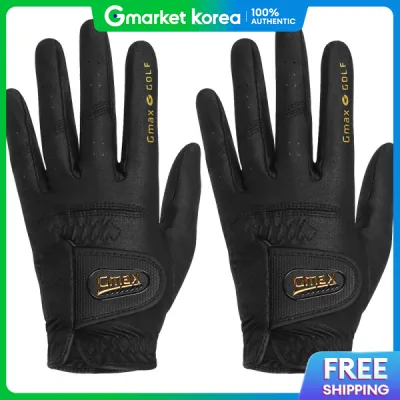
A golf glove is arguably the most critical accessory you will own because it directly affects your control over the club. In the tropical, high-humidity climate of the Philippines, your hands will sweat quickly, which can cause the club grip to slip mid-swing and lead to erratic shots or safety hazards. Beginners should start with a single glove worn on the lead hand (the left hand for right-handed players, or the right hand for left-handed players). Look for a synthetic glove or a hybrid cabretta leather-synthetic model, as pure cabretta leather feels excellent but can degrade rapidly when saturated with moisture. Synthetic options offer superior durability, stretch, and moisture resistance, making them highly practical for humid local conditions.
Consumables
As a beginner, you will lose golf balls—this is an inevitable part of learning the game, especially on courses with water hazards or thick tropical rough. Avoid the temptation to buy expensive, premium tour-level balls, which are designed for high swing speeds and maximum spin control that beginners cannot yet utilize. Instead, opt for budget-friendly “distance” balls or “lost ball” packs (refurbished or recycled balls sold in bulk), which typically cost a fraction of the price. For tees, purchase a bag of standard wooden or durable plastic tees; a mix of longer tees for your driver and shorter ones for irons or hybrids will serve you well on every tee box.
Course Etiquette
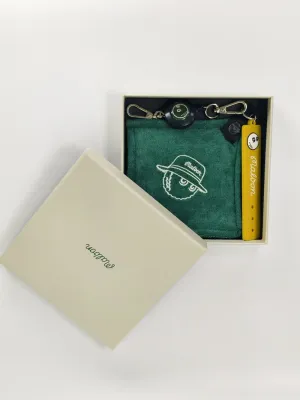
Respecting the golf course and your fellow players is a core pillar of golf culture. When your ball lands on the putting green, it often leaves an indentation called a pitch mark, which must be repaired to keep the surface smooth. A simple, inexpensive metal or plastic divot repair tool is mandatory for fixing these marks before you leave the green. Additionally, you will need a ball marker—a small, flat coin-like disc—to mark your ball’s position on the green when it lies in another player’s putting line. While a small coin can work in a pinch, having a dedicated ball marker shows you understand and respect basic course etiquette.
Sun and Sweat Management
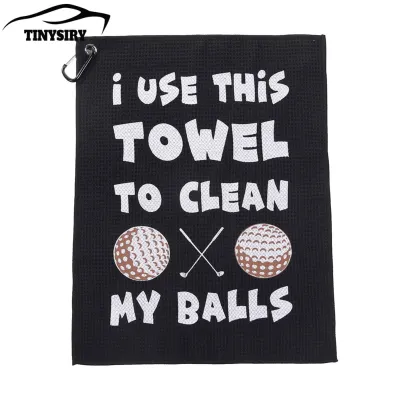
Spending four to five hours on an open golf course exposes you to intense tropical sunlight and heat. A basic golf towel featuring a carabiner clip is essential for wiping sweat from your hands and face, as well as cleaning dirt and grass off your club faces after each shot. To protect your health and maintain your energy, always pack a broad-spectrum sunscreen with high SPF, a wide-brimmed hat or structured visor, and lightweight sunglasses. Keeping your body cool and protected prevents fatigue, allowing you to focus on your swing mechanics rather than physical discomfort.
The "Wait and See" List: Optional Gear to Skip Until You Improve
It is easy to get swept up in the marketing of high-tech golf accessories, but many of these products are designed for experienced players refining their game. Skipping these items initially keeps your starter kit focused and prevents you from spending money on tools that might actually complicate your learning process.

Distance Measuring Devices
Laser rangefinders and GPS watches are popular tools for measuring the exact distance to the pin, but they are unnecessary for beginners. When you are first learning, your shot distances will vary wildly, making precise yardages less useful than simply aiming for the middle of the green. Instead of investing ₱10,000 or more in a dedicated rangefinder, download a free golf GPS smartphone application, or rely on the colored yardage markers (usually placed at 100, 150, and 200 yards) painted on the fairways.
Footwear
While professional golf shoes offer specialized spike patterns for maximum traction during high-speed swings, they are not a requirement for your first few months. For driving range practice and casual rounds, a comfortable pair of athletic sneakers with flat soles and good rubber grip is perfectly acceptable. Ensure the shoes offer lateral support and do not slip on grass; once you commit to playing regular rounds on wet or sloping fairways, you can transition to spikeless or spiked golf shoes.
Swing Analyzers and Training Aids
Electronic swing trackers, clip-on shaft sensors, and complex alignment aids promise quick fixes, but they often overwhelm beginners with excessive data. Without a solid understanding of swing fundamentals, analyzing metrics like club path angle or face rotation can lead to confusion and frustration. Your resources are much better spent on a few sessions with a certified local golf professional who can provide real-time feedback and build a consistent swing foundation.
Luxury Bag Accessories
Premium leather club headcovers, customized metal bag tags, and specialized shoe bags add aesthetic flair but offer zero performance benefits. Your clubs will usually come with standard headcovers that provide adequate protection, and a basic sports bag is more than enough to carry your gear. Save these aesthetic upgrades for a later date when you are fully committed to the sport and have established a personal style on the course.
Assessing Your Actual Needs: Climate, Course, and Play Frequency
Every golfer’s journey is different, and your accessory needs will depend heavily on where, when, and how often you play. Conducting a quick self-assessment allows you to tailor your gear purchases to your specific environment and playing habits.
Weather and Climate Adjustments
The weather in the Philippines can change rapidly, transitioning from intense heat to sudden tropical downpours within minutes. If you plan to play during the rainy season or in regions prone to afternoon showers, your accessory list must adapt to keep you dry. Add a lightweight, breathable, waterproof rain jacket and a large, wind-resistant golf umbrella to your bag. Crucially, pack at least one extra golf glove in a sealed plastic bag; a wet glove loses all friction, making it nearly impossible to hold the club securely.
Course Navigation (Walking vs. Riding)
How you navigate the course dictates your carrying requirements and physical stamina. If you primarily play at courses where motorized golf carts are mandatory or highly preferred, a lightweight stand bag or a compact Sunday bag is all you need to organize your gear. However, if you plan to walk the course regularly to get exercise, carrying a heavy bag for eighteen holes can quickly exhaust you and ruin your swing posture. In this scenario, investing in a reliable three-wheel push cart becomes a highly practical decision that preserves your energy for the game.
Frequency and Commitment Scaling
Your budget allocation should scale directly with how often you play. If you only visit the driving range once a month or play a casual round with colleagues once a quarter, stick strictly to the bare minimum checklist: a budget glove, a handful of recycled balls, and basic sun protection. However, if you find yourself practicing twice a week and playing eighteen holes every weekend, upgrading your gear becomes highly justifiable. Regular play warrants investing in a durable synthetic glove, a dedicated pair of waterproof golf shoes to handle early morning dew, and a high-quality stand bag with comfortable backpack straps.
Smart Shopping: Building Your Starter Kit Without Overspending
Acquiring your beginner golf accessories does not have to be an expensive endeavor if you shop strategically and avoid common marketing traps. By focusing on utility and sourcing items from the right channels, you can assemble a complete, high-quality starter kit on a modest budget.
Prioritizing Value Over Logos
When shopping for basic accessories like towels, tees, ball markers, and divot tools, remember that branding does not affect performance. A plain microfiber towel cleans clubs just as effectively as one bearing a famous golf brand logo, and a wooden tee functions identically regardless of its manufacturer. Look for generic or house-brand alternatives at major sporting goods retailers to save money that can be better spent on range balls or green fees.
Where to Buy What
For items that require precise sizing and physical comfort, such as golf gloves, hats, and footwear, visit physical sports stores or local pro shops. Trying on a glove is essential to ensure a snug fit with no excess material at the fingertips, which can cause blisters. Conversely, bulk consumables like golf balls, tees, and basic accessories are best purchased from reputable online sports retailers or specialized online marketplaces, where you can easily compare prices and find bulk discounts.
The "Borrow or Buy Used" Approach
Before purchasing brand-new items, check if you can borrow niche equipment from friends or family members who golf. Items like push carts, golf umbrellas, or travel covers are often left sitting in garages and can easily be borrowed for your first few outings. Additionally, explore local second-hand sports shops or online community groups for gently used golf bags and accessories, as many players sell high-quality gear at steep discounts when upgrading their setups.
Budgeting Strategy
To prevent impulse purchases, set a clear budget limit specifically for accessories before you begin shopping. It is easy to justify “just one more” gadget or a premium accessory, but these small costs quickly add up. Keeping your accessory spending low ensures you preserve your financial resources for what truly improves your game: professional instruction, driving range buckets, and actual playing time on the course.
Frequently Asked Questions (FAQ)
Do I need a golf bag if I am only going to the driving range?
No, you do not need a full-size golf bag if you are only visiting the driving range to practice. Carrying a heavy, structured bag can be cumbersome when you only need to transport three or four clubs, such as a driver, a mid-iron, and a wedge. Instead, consider using a lightweight carry sling, a specialized range pencil bag, or even a standard sports duffel bag where the club grips can sit securely inside while the heads stick out. This minimalist approach makes traveling to and from the range significantly easier and more convenient.
How many golf gloves should a beginner buy at once?
It is highly recommended for beginners to purchase at least two golf gloves at the start. In warm, humid environments, your hands will sweat continuously, causing the material of your glove to become saturated and slick. Having a second glove allows you to rotate them every few holes, giving the damp glove time to air-dry on the side of your bag. This practice not only maintains your grip consistency throughout a round but also extends the overall lifespan of both gloves by preventing excessive moisture buildup.
Are polarized sunglasses good for golf?
While polarized sunglasses are excellent for reducing blinding glare and protecting your eyes on bright days, they present a distinct trade-off on the golf course. The polarizing filter can alter your depth perception and make it difficult to read the subtle slopes, contours, and grain of the putting green. Many golfers prefer non-polarized lenses with contrast-enhancing tints (such as amber, rose, or brown) designed specifically for golf, which protect your eyes while keeping the details of the grass sharp. If you already own polarized sunglasses, test them during a casual practice session to see if the visual distortion affects your putting before deciding to buy a golf-specific pair.
Community discussion
Share your experience or ask a question. Comments are reviewed before publication.