
Selecting the right golf club set is one of the most critical decisions you will make on your golfing journey. The ideal configuration depends directly on your ball-striking consistency, how often you play, and your physical swing characteristics. Beginners and casual players rarely benefit from a full 14-club bag, which often introduces unnecessary weight and decision fatigue on the fairway. Instead, a curated half-set or a forgiving starter package is usually the most practical choice, while experienced players with highly repeatable swings require individually selected, custom-fitted clubs.
In tropical climates like the Philippines, environmental factors also play a major role in your equipment choices. High humidity, sudden downpours, and wet turf demand careful consideration of grip materials, shaft weather resistance, and carrying comfort. Investing in the wrong gear not only hinders your skill development but can also lead to physical fatigue during a long round in the heat. By matching your equipment to your actual playing frequency and physical ability, you can optimize both your performance and your financial investment.
Assessing Your Current Golf Ability and Course Frequency
Before browsing equipment options, you must honestly evaluate your current skill level. Golfers generally fall into three categories based on ball-striking consistency. Beginners are still developing their swing mechanics, frequently mishitting the ball and struggling with directional control. Intermediate players make consistent contact with their irons and have a predictable miss, though they may still struggle with distance control. Advanced players possess a highly repeatable swing, can control their ball flight, and know their precise yardages for each club.
Products mentioned in this guide
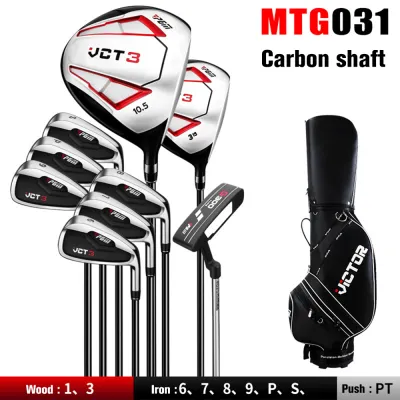
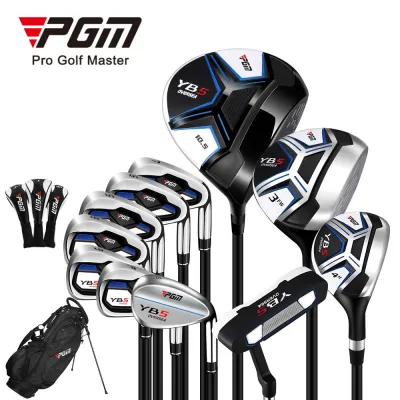
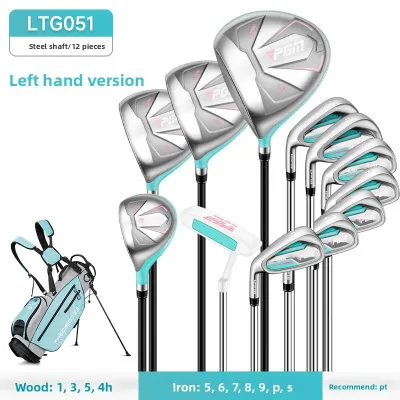
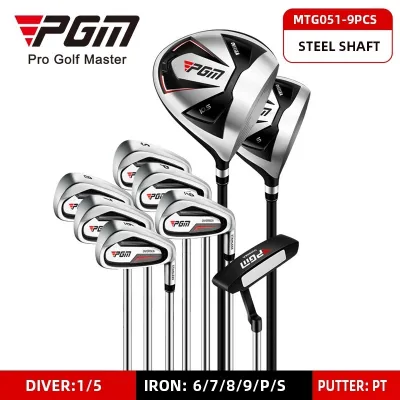
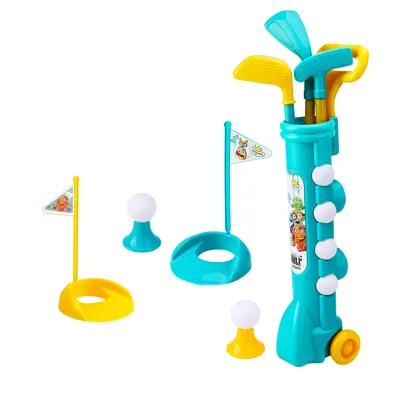
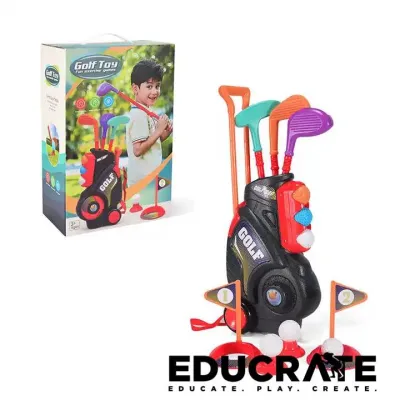
Prices are valid at publication and may change. Please refer to the product page for the latest price.
Your playing frequency dictates the practical return on investment for different set configurations. If you only visit the driving range once a month or play an occasional casual round, a premium, highly specialized set will not provide noticeable benefits. Conversely, if you are on the course multiple times a week, investing in durable materials and a more comprehensive set configuration becomes highly beneficial. Frequent play exposes your gear to more wear and tear, making high-quality construction a priority.
Physical constraints and swing speed are the final pieces of the self-assessment puzzle. Swing speed directly dictates the required shaft flex, which ranges from flexible graphite shafts for slower swings to stiff steel shafts for faster, more aggressive swings. Clubhead design must also match your physical capabilities; players with moderate swing speeds often benefit from lightweight, perimeter-weighted clubheads that help launch the ball higher. In humid conditions, choosing a shaft and grip combination that minimizes slipping is essential for maintaining control throughout your swing.
Complete Golf Club Sets: When a Full Bag Makes Sense
A complete golf club set typically consists of the maximum 14 clubs allowed under the rules of play, or close to it. This usually includes a driver, fairway woods, hybrids, a sequence of irons (typically 5-iron through pitching wedge), multiple specialized wedges, and a putter. This comprehensive setup is designed to cover every possible distance and lie you might encounter on a standard course.

However, utilizing a complete set effectively requires a specific skill threshold. To justify carrying 14 clubs, you must have distinct, repeatable yardage gaps between each club. If your 5-iron, 6-iron, and 7-iron all travel roughly the same distance due to inconsistent ball striking, carrying all of them adds unnecessary weight to your bag without offering any strategic advantage. A full bag makes sense only when you can reliably produce different distances with different clubs.
A complete set provides immediate value for dedicated players transitioning from the beginner to intermediate phase who play regularly on full-length courses. When purchasing a pre-packaged complete set, always verify the specifications on the manufacturer label. Look for game-improvement features such as high-loft drivers (10.5 degrees or higher) to assist with launch, and wide-sole cavity-back irons that offer maximum forgiveness on off-center hits.
Half-Sets and Starter Kits: The Practical Middle Ground
Half-sets and starter kits offer a curated selection of essential clubs, typically numbering between six and nine. A standard half-set might include a fairway wood or hybrid, a mid-iron (like a 7-iron), a short iron (like a 9-iron), a sand wedge, and a putter. This streamlined configuration is designed to cover the basic distance intervals needed to navigate a course.
The strategic advantage of carrying a reduced number of clubs is the simplification of the game. With fewer options in your bag, you spend less time agonizing over club selection and more time focusing on basic swing mechanics. Additionally, a lighter bag is a massive physical advantage when walking the course, especially in hot and humid tropical weather where carrying a heavy 14-club bag can quickly lead to physical exhaustion.
This practical middle ground is highly logical for occasional weekend players, beginners, and those who prefer walking the course. However, you must anticipate certain limitations as your game develops. A half-set naturally creates distance gaps in your long game, meaning you may find yourself in situations where one club is too short and the next is too long. You may also experience a shortage of specialized wedges, making precise shots from deep bunkers or tight lies around the green more challenging.
Assembling Individual Clubs: For Advanced and Highly Specific Needs
Assembling a custom set by purchasing individual clubs is the standard approach for advanced players and those with highly specific performance needs. This process involves selecting each club—from the driver down to the wedges—based on precise performance characteristics, shaft profiles, and clubhead designs. It allows for complete customization of your equipment setup.
This approach requires a highly consistent, repeatable swing before it becomes a worthwhile investment. Without a stable swing foundation, the subtle differences between custom shafts or clubhead weights will not translate into observable performance improvements. Individual club assembly is not recommended for beginners, as their swing mechanics are still evolving too rapidly to benefit from precise customization.
Buying individual clubs is highly effective when you need to address specific gaps in your current bag rather than replacing everything. For example, you might keep your trusted irons but invest in a new, low-spin driver to optimize your tee shots, or add a specialized lob wedge to improve your short game. This targeted approach allows you to upgrade your gear incrementally as your skills and needs evolve.
When assembling individual clubs, consulting a professional club fitter is highly recommended. A fitter uses launch monitor data to verify critical specifications such as lie angle, shaft weight, torque, and grip size. In humid climates, pay close attention to grip selection during your fitting; choosing highly textured rubber or corded grips can prevent the club from slipping in sweaty hands, ensuring consistent control.
Your Decision Checklist: Matching Set Type to Your Golf Journey
To finalize your equipment choice, use the following step-by-step evaluation framework to map your skill level, budget, and playing frequency to the correct set type:
- Beginner / Casual Player: If you play one to two times a month and have a budget under ₱25,000, choose a high-quality half-set or a basic starter package. Focus on lightweight carry bags and maximum clubhead forgiveness.
- Intermediate / Regular Player: If you play two to four times a month, have a consistent swing, and have a budget between ₱25,000 and ₱75,000, opt for a complete game-improvement set. Look for cavity-back irons and adjustable woods.
- Advanced / Competitive Player: If you play weekly, have a highly repeatable swing, and have a budget exceeding ₱75,000, invest in individually assembled, custom-fitted clubs. Focus on precise shaft matching and specialized wedge configurations.
Be aware of red flags that indicate you should delay a major purchase. If you cannot consistently hit a mid-iron airborne, or if you are unsure of your long-term commitment to the sport, avoid buying premium equipment. Instead, focus your resources on professional lessons or rent equipment at the course until your swing stabilizes.
Before finalizing any transaction, always test the clubs in person. Visit a local driving range or a retail simulator to test different shaft flexes and clubhead designs. Pay close attention to how the club feels at impact and whether the grip size feels comfortable in your hands. Physical testing is the only way to ensure the specifications on paper translate to comfort and control on the course.
Frequently Asked Questions (FAQ)
Do I need a full 14-club set as a beginner?
No, beginners do not need a full 14-club set. While the official rules of golf allow you to carry up to 14 clubs, managing that many options increases cognitive load and decision paralysis on the course. A smaller subset of six to eight clubs is highly recommended for new players, as it simplifies club selection and allows you to focus on mastering basic swing mechanics with a few versatile clubs.
How often should I upgrade my golf club set?
You should upgrade your golf club set based on skill progression and physical wear rather than a set timeline. If your swing speed has increased significantly and your ball flight has become inconsistent, you may have outgrown your beginner set’s flexible shafts. Additionally, check your clubs regularly for physical wear, such as worn-down wedge grooves or damaged shafts. Remember that technique improvements through lessons almost always yield better results than simply buying newer gear.
Community discussion
Share your experience or ask a question. Comments are reviewed before publication.