
Starting out in airsoft or shooting sports in the Philippines is an exciting venture, but the vast array of available equipment can quickly become overwhelming for a beginner. To build a reliable, effective setup, you must focus on foundational gear that directly improves your accuracy and handling without adding unnecessary complexity. For those exploring the GP Precision lineup, starting with a high-quality, non-magnified red dot sight and a robust mounting system is the most practical path forward. These core components offer a forgiving learning curve, allowing you to develop proper shooting habits, consistent cheek weld, and rapid target acquisition from your very first day on the range.
Quick Answer: Essential GP Precision Gear for Beginners
For beginners entering airsoft or recreational shooting sports, the most essential GP Precision products to prioritize are entry-level red dot sights and basic mounting systems. These foundational tools are designed to simplify the aiming process, allowing you to keep both eyes open and maintain full situational awareness on the field. Unlike complex magnified optics, a simple red dot sight eliminates the frustration of precise eye relief, making it highly forgiving for those still developing their shooting stance and rifle presentation.
Your choice of equipment must always align with your specific shooting discipline and the physical environment of your local range. If you primarily play in indoor close-quarters battle (CQB) airsoft arenas, which are highly popular in urban areas across the Philippines, you will benefit most from a compact, lightweight sight with a bright, easily visible reticle. Conversely, if you practice at outdoor ranges exposed to intense tropical sunlight and sudden downpours, your gear must prioritize high brightness settings and verified weather sealing.
Products mentioned in this guide
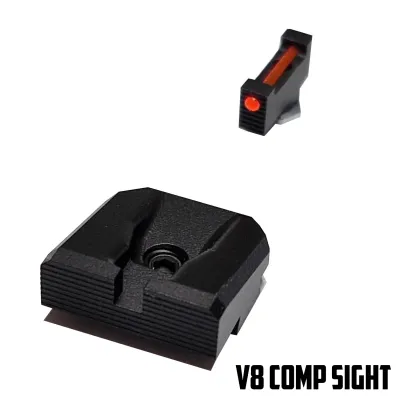
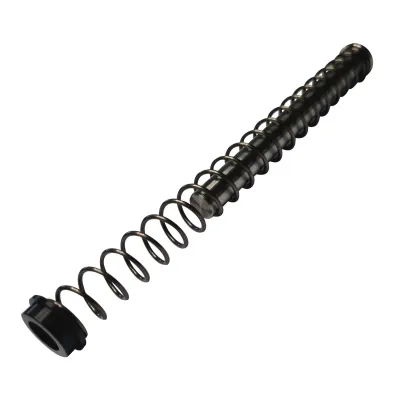
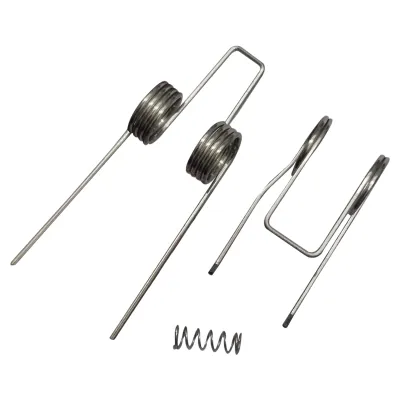
Prices are valid at publication and may change. Please refer to the product page for the latest price.
When selecting your first purchase, focus on three primary decision factors: ease of use, verified durability, and sensible budget allocation. Avoid the temptation to buy advanced, feature-heavy models immediately. Instead, choose a straightforward optic with a reputation for holding its zero under vibration, paired with a secure mount that matches your platform’s rail interface. This disciplined approach ensures you spend your money on gear that actively supports your skill development rather than complicating your learning process.
Core GP Precision Categories to Prioritize First
Optics and Sights
The primary tool for any beginner is a reliable aiming reference, and non-magnified red dot sights or low-magnification prism sights are the ideal starting point. In dynamic shooting sports, speed and situational awareness are critical. A red dot sight projects an illuminated point of aim onto a clear lens, allowing you to focus on the target rather than aligning front and rear iron sights. For beginners who may have astigmatism, a basic prism sight is an excellent alternative, as its etched reticle remains sharp and usable even if the battery fails or the illumination is turned off.

Mounts and Adapters
An optic is only as reliable as the mount securing it to your receiver, making mounting systems a critical but often overlooked category. Beginners must ensure their chosen mount is fully compatible with their platform’s rail system, which is typically a standard Picatinny or Weaver interface. A high-quality mount prevents the optic from shifting or losing its zero due to the vibrations of rapid fire or the physical impacts of moving through a course. Additionally, you must select the correct mount height—such as absolute co-witness or lower-third co-witness—to ensure your line of sight aligns naturally with your eye when you shoulder your replica or firearm.
Maintenance and Protection
The tropical climate of the Philippines presents unique environmental challenges, including high humidity, salt air in coastal regions, and heavy seasonal rainfall. To protect your investment and prolong the lifespan of your gear, you must prioritize maintenance and protective accessories. Protective lens covers, such as flip-up caps or neoprene covers, shield delicate glass lenses from dust, mud, and stray BB impacts during transport and play. Basic cleaning kits containing microfiber cloths and lens-safe cleaning solutions are essential for removing sweat, oil, and condensation without scratching the optical coatings. Furthermore, proper battery management, including removing batteries during prolonged storage, prevents corrosive leaks that can permanently damage internal electronics.
How to Read and Verify GP Precision Specifications
Optical Clarity and Reticle
When reviewing product specifications, pay close attention to the Minute of Angle (MOA) size of the reticle to ensure it matches your typical engagement distances. A smaller dot, such as a 2 MOA reticle, covers less of the target and allows for highly precise aiming at longer distances, but it can be harder to acquire quickly in fast-paced scenarios. A larger dot, such as a 4 or 6 MOA reticle, is much easier to see instantly, making it ideal for rapid, close-range shooting. You should also check the manufacturer’s specifications for lens coatings; multi-coated lenses improve light transmission and reduce glare under the harsh midday sun. Finally, verify the parallax settings, as a “parallax-free” design ensures your point of aim remains consistent even if your eye is not perfectly centered behind the optic.
Durability and Weather Resistance
Do not rely on vague marketing terms like “waterproof” or “shockproof” when evaluating gear. Instead, look for official Ingress Protection (IP) ratings on the product label or user manual to verify its actual environmental resistance. An IPX7 rating, for example, indicates that the device can withstand temporary immersion in water, which is highly reassuring during sudden tropical downpours. You must also verify the shock resistance limits, often measured in G-force or specific caliber ratings, to ensure the optic can handle the sharp, forward-and-back recoil of gas blowback (GBB) airsoft replicas or the sustained vibration of live-fire platforms. Fog-proof certifications, typically achieved through nitrogen or argon purging, are critical to prevent internal condensation when moving from air-conditioned vehicles to hot, humid outdoor ranges.
Power and Battery Life
Compare battery specifications and estimated runtimes based on the manufacturer’s stated usage conditions. Many modern optics utilize common button cells like the CR2032, which are widely available in local convenience stores. Look for features like motion-activation (shake-to-wake) or automatic shut-off, which preserve battery life if you accidentally leave the optic turned on after a match. Always verify the brightness levels; an optic must have a maximum brightness setting high enough to remain visible against bright, sandy, or concrete backgrounds in midday sun.
Compatibility Checks
Before finalizing any purchase, cross-reference your airsoft replica or firearm’s rail system with the optic’s mounting footprint. While Picatinny rails are standard, some platforms use proprietary mounting systems or require specific adapters. Measure the available rail space to ensure the mount fits without interfering with other accessories, such as backup iron sights, charging handles, or ejection ports.
Building Your Starter Loadout on a Budget
When starting out, it is easy to get caught up in the aesthetic appeal of a fully loaded tactical setup. However, a disciplined budget allocation yields better performance on the field. Prioritize your spending on core components: a high-quality primary optic and a robust, reliable mount. These two items directly impact your accuracy and consistency. Secondary accessories, such as magnifiers, laser modules, or cosmetic rail covers, can be added later as your skills and specific needs develop.
Consider the trade-offs between entry-level models and mid-tier options. Entry-level optics often provide excellent value but may feature simpler reticles, shorter battery lives, or less refined windage and elevation adjustments. Mid-tier options typically offer improved glass clarity, crisper adjustment clicks, and superior weather sealing. If your budget allows, investing slightly more in a mid-tier optic can save money in the long run by eliminating the need for an early upgrade.
To estimate your total startup costs, create a comprehensive checklist. This should include the cost of the optic, the compatible mount (if not included), spare batteries, protective lens shields, and basic cleaning supplies. Additionally, factor in local shipping fees or travel expenses to physical stores in the Philippines. By calculating these costs upfront, you can avoid unexpected expenses and ensure you have all the necessary hardware to mount and maintain your gear safely from day one.
Sourcing Genuine GP Precision Gear in the Philippines
The popularity of airsoft and shooting sports in the Philippines has led to a wide availability of tactical gear, but it has also increased the risk of encountering counterfeit products. To ensure you are purchasing genuine GP Precision equipment, source your gear exclusively through authorized local dealers, specialized tactical shops, or official brand storefronts on major e-commerce platforms. Legitimate dealers are usually listed on the manufacturer’s official website or can provide verifiable proof of authorization upon request.
Be vigilant for common red flags that indicate counterfeit items. Unusually low prices in ₱ that seem too good to be true are a primary warning sign. Inspect the packaging and the product itself; genuine items feature crisp, clear branding, precise machining, and unique serial numbers engraved on the housing. Counterfeits often have misspelled words on the box, blurry instruction manuals, or poor surface finishes.
Before finalizing your purchase, thoroughly review the warranty terms, return policies, and the availability of local after-sales support. A genuine product should come with a manufacturer’s warranty that is honored by the local distributor. Confirm whether the dealer offers in-house repair or replacement services, as shipping an item back overseas for warranty claims can be costly and time-consuming. Reliable customer support is invaluable, especially for beginners who may need assistance with initial setup or troubleshooting.
Frequently Asked Questions (FAQ)
Can I use the same GP Precision optic for both airsoft and real steel firearms?
Yes, but you must verify the optic’s specific recoil rating and the manufacturer’s warranty conditions before doing so. Real steel firearms generate significant recoil forces that can damage internal electronics and glass if the optic is not rated for live-fire use. Conversely, gas blowback (GBB) airsoft replicas produce a unique, dual-directional recoil impulse that can also stress delicate components. Always consult the product manual to confirm that the optic is rated for the specific caliber or platform you intend to use, and never exceed the manufacturer’s recommended limits.
How do I properly zero my first GP Precision red dot sight?
To zero your red dot sight, begin by securing your platform in a stable shooting rest at a safe, designated range. Start at a close distance, such as 10 meters, and fire a three-shot group to establish your initial point of impact. Refer to your product manual to adjust the windage (left/right) and elevation (up/down) dials, keeping in mind that most optics adjust in fractions of an MOA per click. Once your shots are consistently hitting the center of your target at close range, move back to your desired zero distance and repeat the process, ensuring you strictly follow all local range safety rules throughout.
Community discussion
Share your experience or ask a question. Comments are reviewed before publication.