
Selecting the right gym gloves for your boxing routine is a critical decision before stepping onto the gym floor. The type of glove you need depends entirely on your specific workout routine—whether you are hitting a heavy bag, sparring with a partner, or participating in a high-tempo conditioning class. In tropical climates like the Philippines, where high humidity and intense heat can accelerate physical exertion and sweat, selecting the right boxing gloves is essential for both performance and gear longevity. Using a single pair of gloves for every activity might seem convenient, but different boxing gym activities demand specific structural designs to protect your hands and your training partners.
Understanding the Design Differences Between Bag, Sparring, and Training Gloves
To make an informed choice, you must first understand how manufacturers alter the internal foam density, outer shell shape, and weight distribution of different gloves. Each design targets a specific type of impact, and using a glove outside its intended purpose can lead to hand fatigue, joint strain, or premature gear failure.
Bag gloves are built specifically to withstand repeated, high-velocity impacts against dense, unforgiving surfaces like heavy bags, double-end bags, and leather punch mitts. They feature highly compressed, dense foam padding concentrated directly over the knuckles. This dense construction prevents the padding from bottoming out, ensuring your knuckles do not make direct contact with the hard core of the bag. The outer shell is often streamlined to promote proper fist alignment and technique during repetitive drilling.
Products mentioned in this guide
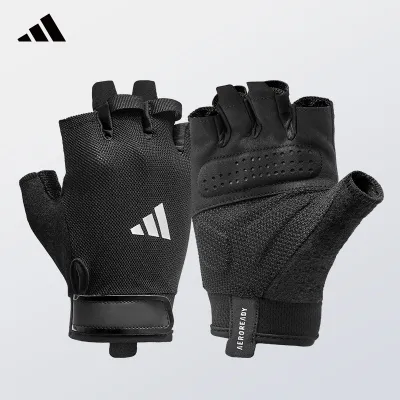

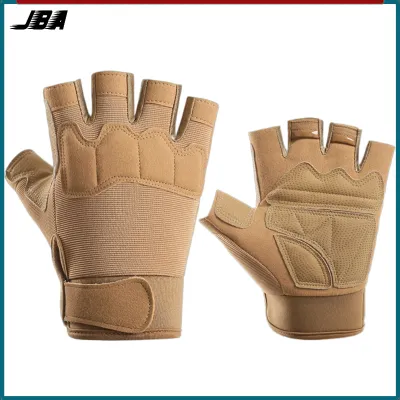
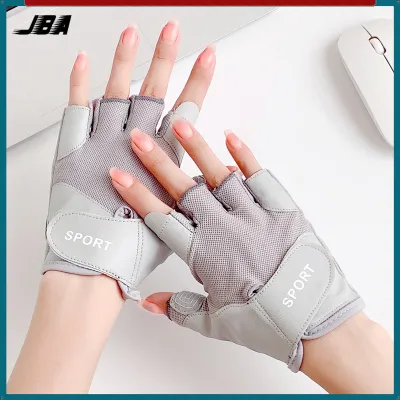
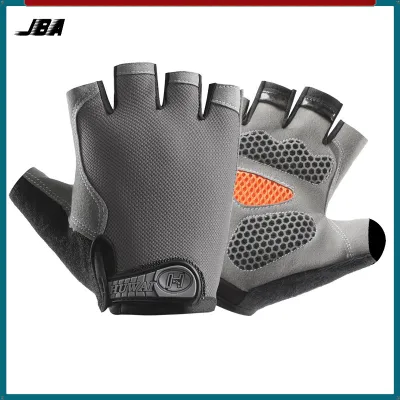
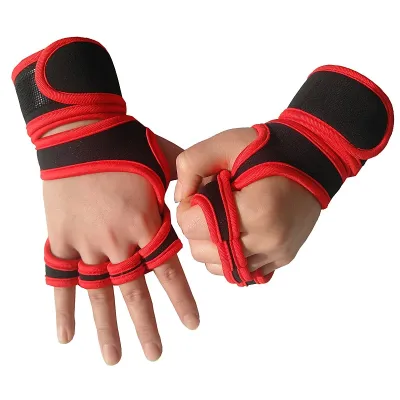
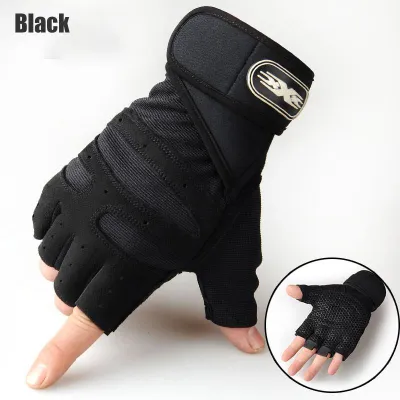
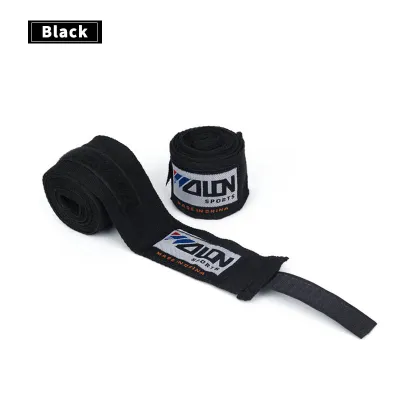
Prices are valid at publication and may change. Please refer to the product page for the latest price.
Sparring gloves are engineered with a completely different priority: protecting your training partner from injury. They utilize softer, more pillowy, and highly distributed foam layers. The surface area of a sparring glove is typically larger, which helps disperse the force of an impact across a wider zone rather than concentrating it on a single point. This design reduces the risk of cuts, bruises, and sudden impact transfer during live practice. Because the padding is softer, these gloves should never be used for heavy bag work, as the dense bag will quickly collapse the delicate foam layers.
All-around training gloves serve as a hybrid option, balancing the dense protection needed for bag work with the softer cushioning required for light partner drills. For beginners entering a boxing gym for the first time, all-around training gloves offer a versatile starting point. They allow you to transition between different stations—such as moving from pad work with a coach to light partner drills—without needing to carry multiple pairs of heavy gear in your gym bag.
How to Match Your Gloves to Heavy Bag, Pad, and Sparring Sessions
Matching your gloves to your specific daily routine ensures you get the maximum protective benefit from your equipment while respecting gym safety protocols.

For heavy bag and pad work, prioritize wrist support and dense knuckle padding. When striking a heavy bag, your wrist must remain properly aligned to prevent hyperextension or strain. Look for gloves that feature wide, rigid wrist straps or reinforced cuffs that act as a splint for your wrist joint. Always check the manufacturer’s specifications to verify that the foam is rated for heavy impact resistance, as lightweight fitness gloves often lack the structural integrity required for heavy bag training.
For sparring sessions, partner safety is the primary priority. Most gyms enforce strict rules regarding the weight and type of gloves allowed in the ring to prevent unnecessary injuries. Typically, sparring requires gloves weighing 14 ounces (oz) or 16 ounces (oz), depending on your body weight and the facility’s safety guidelines. Before purchasing, verify these requirements with your coach or gym manager, as using under-weighted or overly dense gloves for sparring is often prohibited due to safety risks.
For general conditioning and light bag work, such as high-tempo aerobic boxing classes, heavy gloves can cause premature shoulder fatigue and compromise your form. For these sessions, focus on lightweight gloves that offer high breathability. In warm, humid training environments, heat buildup inside the glove can quickly become uncomfortable and lead to excessive sweating. Look for models with mesh palms or ventilation pinholes to help manage sweat, maintain a secure grip, and allow the gloves to dry faster after your workout.
Key Fit, Closure, and Material Checks Before You Buy
Before investing in a pair of gloves, you should perform a series of practical checks on the closure systems, sizing, and materials to ensure they match your physical needs and gym environment.
The two primary closure systems are hook-and-loop (Velcro) and lace-up. Hook-and-loop closures are highly convenient for solo training, allowing you to put on and take off your gloves without assistance during fast-paced gym classes. Lace-up gloves offer a highly customized, secure fit around the wrist, but they require a partner or coach to tie them before every round. Additionally, check your local gym’s policies; many facilities require lace-up gloves to be covered with protective tape or specialized sleeves to prevent the exposed laces from scratching sparring partners.
Do not rely on universal or cross-brand sizing, as a “medium” in one brand may fit completely differently in another. To find your correct size, use a fabric measuring tape to measure the circumference of your dominant hand just below the knuckles, excluding the thumb. Compare this measurement directly against the manufacturer’s specific size chart. Keep in mind that glove weight (measured in ounces) is distinct from hand size, though they often correlate; heavier gloves contain more padding, which is crucial for safety during intense training.
Inspect product tags for material composition and follow the included care instructions. Genuine leather is highly durable but requires regular conditioning to prevent cracking in humid climates, while synthetic leathers (such as polyurethane or vinyl) are easier to clean and resist moisture absorption. Always follow the included care instructions and check the manufacturer’s warranty limits. Avoid assuming a glove’s durability based solely on the material name without verifying the construction quality, such as double-stitched seams and reinforced thumb attachments.
Can One Pair of All-Around Gloves Handle Every Workout?
While a single pair of high-quality all-around training gloves can handle mixed workouts initially, using them for everything introduces significant trade-offs. Repeatedly striking a heavy bag compresses the foam padding over time. If you use those same compressed gloves for sparring, the hardened padding will transfer more force to your partner, compromising their safety.
As your training frequency increases to three or more sessions per week, or as your skill progresses to dedicated sparring, it is time to upgrade to a specialized two-glove rotation. Consult your coach for direct feedback on your technique and gear suitability.
Establish a regular inspection routine. Check for visible wear such as cracked outer material, exposed foam, or torn stitching. Pay close attention to persistent, deep-seated odors that do not dissipate after drying, as this indicates bacterial growth that can weaken the inner lining. Finally, press down on the knuckles; if you can easily feel your fingers through the padding, the foam has collapsed, and the gloves must be replaced immediately to prevent hand injuries.
Frequently Asked Questions (FAQ)
How do I clean and maintain my boxing gloves after a session?
Wipe down the exterior and interior with a dry or slightly damp cloth after each use to remove sweat and moisture. Air dry in a well-ventilated area away from direct heat or sunlight; avoid machine washing or using harsh chemicals unless explicitly approved by the manufacturer’s care label.
Do I need hand wraps under my gym gloves?
Yes, hand wraps provide structural bone and joint support that the foam padding of gloves alone cannot replace. Advise checking gym rules and consulting a coach for proper wrapping techniques, length requirements, and when wraps are mandatory for specific equipment.
Community discussion
Share your experience or ask a question. Comments are reviewed before publication.