
Selecting the ideal tennis bag is a practical decision that directly impacts how easily you transport your gear and how well your equipment is preserved. A bag that is too small forces you to leave essential items behind, while an oversized model can become unnecessarily bulky during your daily commute. By systematically evaluating your racket count, accessory volume, and travel preferences, you can identify the exact HEAD tennis bag configuration that fits your playing routine.
In the tropical climate of the Philippines, where high humidity and sudden rain showers are common, your choice of bag also plays a protective role. The right storage solution does more than organize your gear; it shields your rackets from environmental wear and keeps your clean apparel isolated from damp court shoes. Understanding the structural differences between various bag sizes and carrying styles is the first step toward making an informed investment.
Determine Your Racket Capacity and Protection Needs
Your current racket count is the primary factor that dictates the size of your tennis bag. Players typically fall into distinct capacity tiers, ranging from recreational players carrying one or two frames to competitive tournament players who require a full set of backups. Matching your actual load to the correct bag class ensures you have enough space without carrying excess bulk.
Products mentioned in this guide
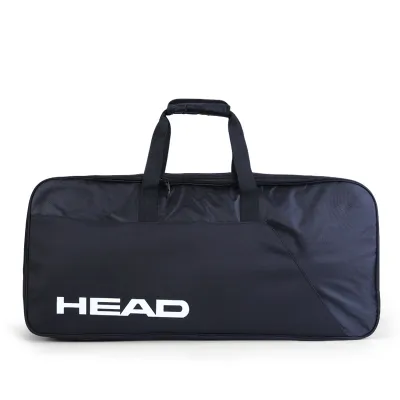
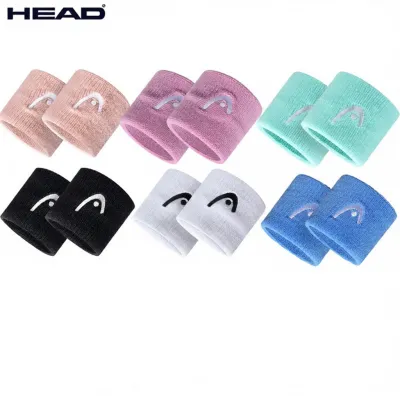
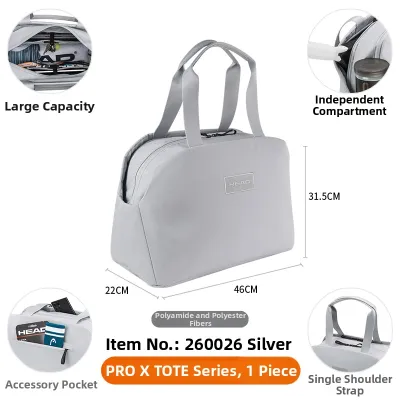
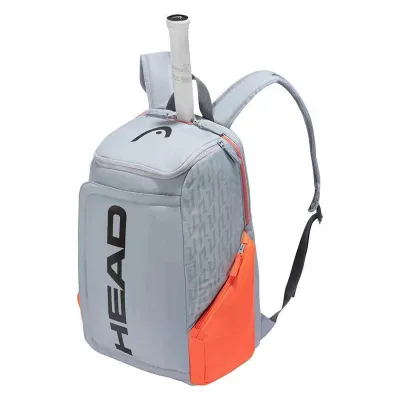
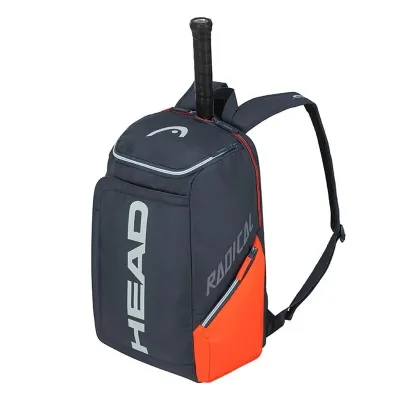
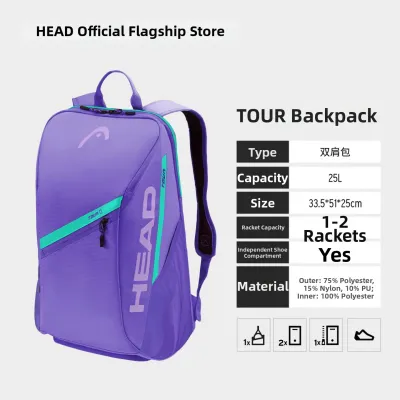
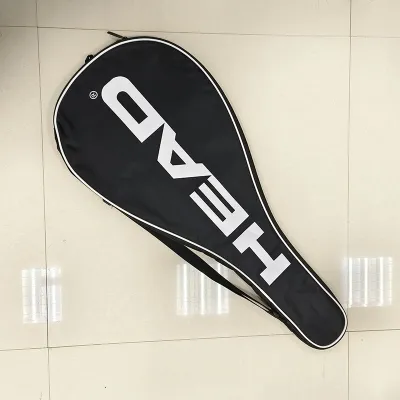
Prices are valid at publication and may change. Please refer to the product page for the latest price.
For those who carry one to three rackets, a tennis backpack or a slim three-pack club bag is usually sufficient. These compact options keep your load light and manageable. If you regularly carry four to six rackets to accommodate different string tensions or wear profiles, a mid-sized combi bag offers the necessary space. Advanced players, coaches, and tournament competitors who transport seven to twelve rackets will need larger multi-compartment monster combi or court bags to house their extensive gear.
Beyond sheer volume, protecting your equipment from extreme weather is crucial. The intense heat and humidity in the Philippines can cause racket strings to lose tension rapidly and can even compromise the structural integrity of composite frames. To mitigate this, look for HEAD bags equipped with climate control technology, such as CCT+ thermal linings. These specialized compartments act as a thermal barrier, keeping your rackets at a stable temperature and preserving your string jobs.
Finally, always verify the physical dimensions of the bag against your specific racket models. While standard adult tennis rackets measure 27 inches in length, some customized or extended frames can reach up to 28 inches. Ensure the racket compartment can fully enclose your longest frame, allowing the zippers to close smoothly without putting pressure on the racket head or leaving the grip exposed to dust and moisture.
Plan for Your Extra Gear and Court Accessories
A tennis bag must accommodate much more than just rackets. Your shoes, apparel, hydration, and personal items all require dedicated space to keep your bag organized and hygienic. Failing to plan for these extra items often results in a cluttered main compartment where clean gear mixes with dirty court debris.

Footwear storage is a critical consideration for any active player. Clay courts, hard courts, and damp outdoor surfaces leave your tennis shoes covered in dust, grime, and moisture. To prevent this dirt from transferring to your clean shirts and towels, select a bag that features a dedicated, ventilated shoe compartment. This compartment should be isolated from the main storage area, allowing air to circulate and dry your shoes while keeping odors contained.
Playing in a warm, humid climate means you will likely generate wet clothing and towels during an intense match. Carrying a change of clothes is standard practice, which requires a separate, water-resistant wet pocket or a removable laundry bag to isolate damp items. Additionally, staying hydrated is essential, so look for external mesh pockets or insulated side compartments that can securely hold large water bottles or sports drinks for quick access during changeovers.
Do not overlook the storage of small personal valuables and court accessories. Items like keys, smartphones, wallets, spare overgrips, and dampeners can easily get lost at the bottom of a large bag. Look for bags with fleece-lined pockets to protect phone screens and sunglasses from scratches, as well as internal zippered mesh pockets that keep your small accessories organized and easy to locate.
Choose the Right Carrying Style for Your Commute
How you travel to and from the tennis court should heavily influence the silhouette and carrying system of your bag. An ergonomic design reduces physical strain on your shoulders and back, ensuring you arrive at the court feeling fresh and ready to play.
If you commute by motorcycle, bicycle, or public transportation through busy urban areas, a tennis backpack is often the most practical choice. Backpacks keep your hands free and distribute the weight of your gear evenly across both shoulders. When evaluating backpacks, prioritize models with thick, adjustable shoulder straps and a padded back panel. These features improve weight distribution and promote airflow, which helps minimize sweat buildup on your back during your commute.
For players who drive to the court or have short walks from the parking lot, traditional shoulder bags or duffel bags offer excellent convenience. These designs provide wide-open access to all your gear at once, making it easy to pack and unpack court-side. Look for models with comfortable, single-shoulder straps or reinforced grab handles that allow you to lift a fully loaded bag without straining the seams.
Many larger HEAD bags feature convertible carrying systems, allowing you to switch between backpack straps and shoulder straps depending on your needs. When choosing a convertible bag, inspect the durability of the strap attachment points and the quality of the adjustment buckles. The straps should be easy to adjust and sufficiently padded to prevent them from digging into your shoulders when the bag is packed to its maximum capacity.
Build Your HEAD Tennis Bag Selection Checklist
To translate your capacity and style preferences into a successful purchase, it is helpful to follow a structured evaluation process. This ensures you select a model that meets your functional requirements while offering long-term durability.
Start by cross-referencing your required racket count and accessory layout with official HEAD product specifications. Compare the dimensions of different bag lines—such as the Tour, Speed, Gravity, or Radical series—to find the one that matches your gear volume. Pay close attention to the number of main compartments, accessory pockets, and the presence of thermal lining in the racket sections.
When you are ready to buy, prioritize authorized retail channels and official brand stores in the Philippines. Purchasing from official sources guarantees that you receive an authentic product made from high-quality, durable materials, and ensures you are covered by any applicable manufacturer warranties. Avoid purchasing from unverified third-party sellers on general online marketplaces, as counterfeit bags often suffer from weak stitching and low-grade zippers that fail prematurely.
Before finalizing your decision, compare retail prices in ₱ across authorized sellers to ensure you are getting a fair deal. If you are shopping in-store, physically inspect the bag’s construction by testing the zippers for smooth operation, checking the reinforcement stitching at the strap joints, and examining the durability of the base material. If purchasing online, rely on detailed product descriptions and high-resolution images from official retailers to verify these structural details.
Frequently Asked Questions (FAQ)
Can I use a HEAD tennis bag for other sports or daily commuting?
Yes, many HEAD tennis bags, particularly the backpack and smaller duffel models, are highly versatile and can be used for other activities. The racket compartment can easily double as a protective sleeve for a laptop or tablet, while the main compartment can hold gym clothes, books, or travel essentials. However, avoid carrying heavy, sharp, or highly bulky non-tennis items that could stretch the fabric or puncture the internal linings. While the sporty design is perfect for casual travel and gym commutes, it may not fit formal professional settings.
How do I clean and maintain my HEAD tennis bag?
To keep your bag in top condition, regularly empty all compartments and wipe down both the interior and exterior with a damp cloth and mild, non-abrasive soap. Avoid machine washing or using harsh chemical detergents, as these can degrade the water-resistant coatings and damage thermal linings like CCT+. Always allow the bag to air-dry completely in a shaded, well-ventilated area, keeping it out of direct sunlight to prevent fabric fading and material degradation. Additionally, keep the zippers clear of dirt and court grit to ensure they continue to slide smoothly.
Community discussion
Share your experience or ask a question. Comments are reviewed before publication.