
Selecting the ideal heavy duty plastic boat for your water adventures in the Philippines requires matching the vessel’s design to your specific environment and logistical limits. Whether you are navigating the calm, shallow waters of a mangrove forest, exploring remote beaches during an island-hopping trip, or heading out for a day of coastal fishing, the material and structural design of your boat will dictate your safety and performance.
Rigid polyethylene hulls, inflatable PVC boats, and rotomolded kayaks each serve distinct purposes. No single boat excels in every scenario; a vessel built for carrying heavy fishing gear and outboard motors will have vastly different transport and storage needs than a compact inflatable designed to fit inside a car trunk. Understanding these trade-offs is the first step toward a safe and enjoyable experience on the water.
Step 1: Diagnose Your Primary Water Activity and Conditions
Before comparing specific boat models, you must evaluate how, where, and with whom you plan to use the vessel. Your primary water activity determines the necessary stability, weight capacity, and hull configuration. For instance, serious fishing requires a stable platform that allows you to stand safely, alongside dedicated space for tackle boxes, coolers, rod holders, and potentially an outboard motor. Conversely, recreational paddling prioritizes tracking and manual maneuverability, while island-hopping excursions demand high passenger capacity and a hull that can handle frequent beach landings.
Products mentioned in this guide
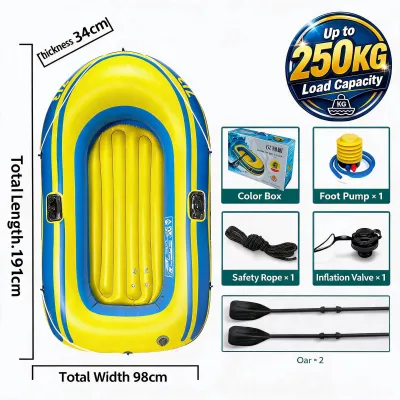
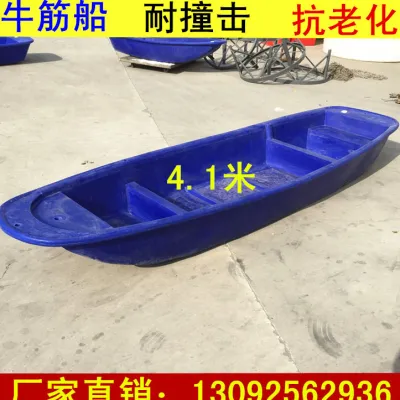
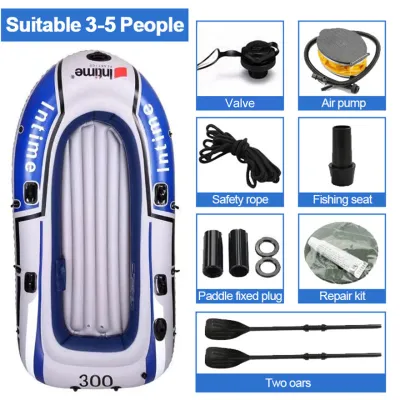
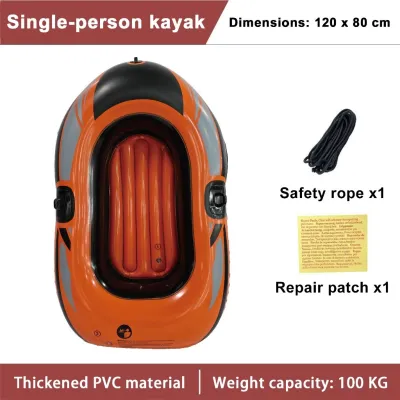
Prices are valid at publication and may change. Please refer to the product page for the latest price.
Environmental conditions in the Philippines present unique physical challenges that directly impact hull choice. Navigating shallow coral reefs or rocky shorelines requires a material that can slide over obstacles without puncturing or cracking. Additionally, coastal waters are subject to sudden wind shifts and tidal currents, meaning your boat must either have the tracking efficiency to handle manual paddling against the wind or the structural capability to mount a reliable motor.
Finally, evaluate your personal physical limits, training, and logistical constraints. Water sports carry inherent risks, and no amount of heavy-duty engineering can replace proper safety training, physical conditioning, and sound judgment. Always check local weather forecasts, monitor wind patterns, wear a properly fitted personal flotation device (PFD), and establish clear stop conditions—such as turning back immediately if whitecaps begin to form or if steering becomes difficult.
Logistical constraints like transport and storage are often the ultimate deciding factors. You must assess whether your vehicle can support a roof rack, if you have a trailer for a rigid hull, or if you need a compact option that fits into a small trunk or an apartment closet. Storing a boat in a tropical climate also requires protection from high humidity and intense sun exposure, which can degrade materials over time if left unchecked.
Step 2: Match Your Needs to the Right Plastic Boat Type
Once you have defined your activity profile, environmental conditions, and logistical limits, you can match these requirements against the three primary heavy duty plastic boat categories. Each type utilizes different manufacturing methods and material properties to optimize performance for specific on-water tasks.

Rigid Polyethylene Hulls: For Heavy Gear and Rough Waters
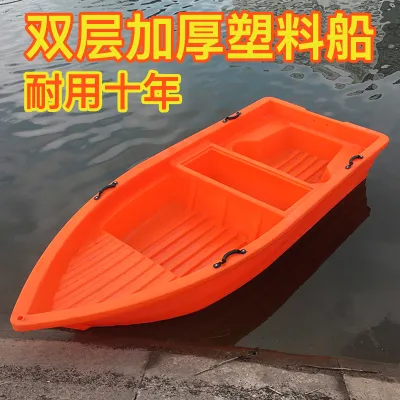
Rigid plastic boats, such as small utility skiffs or jon boats, are built for users who require maximum structural integrity, high weight capacities, and the ability to mount outboard motors. These vessels are highly suited for serious coastal fishing, transporting heavy equipment, or navigating choppy open waters where a flexible hull would compromise stability.
The primary advantage of a rigid polyethylene hull is its exceptional impact resistance. Unlike fiberglass, which can chip or crack upon impact with rocks, concrete docks, or shallow reef flats, high-density polyethylene (HDPE) flexes slightly to absorb impacts without structural failure. This makes it incredibly durable for rugged utility work and frequent use in demanding marine environments.
Before purchasing, verify the manufacturer’s hull plate for the maximum certified weight capacity and the maximum recommended motor horsepower. Exceeding these limits compromises stability and safety. Additionally, check the product specifications for built-in UV inhibitors mixed directly into the polyethylene resin during manufacturing. Because rigid hulls have large surface areas exposed to the sun, high-quality UV stabilization is essential to prevent the plastic from becoming brittle over years of tropical use.
Inflatable PVC Boats: For Island Hopping and Portability
Heavy duty inflatable PVC boats are designed for adventurers who prioritize portability, easy storage, and versatile transport. They are ideal for island-hopping excursions, casual family outings, and users who do not have the space to store or transport a rigid trailer-bound boat.
The main advantage of these boats is their ability to deflate into a compact package that fits inside a standard vehicle trunk or a small storage closet. On the water, the large, air-filled PVC tubes provide exceptional buoyancy and lateral stability, making them highly resistant to tipping. Their soft, flexible hulls also minimize the risk of damaging delicate coral reefs during shallow approaches and allow for easy dragging onto sandy beaches without scratching.
When evaluating an inflatable PVC boat, check the material thickness, which is typically measured in decitex (DTEX) or millimeters; look for heavy-duty ratings of 900 DTEX or higher for reliable puncture resistance. Verify that the hull features multiple independent air chambers—typically three or more—so that the boat can remain afloat even if one chamber is compromised. Finally, check the seam construction in the technical details; welded seams generally offer superior resistance to the high heat and humidity of the Philippines compared to glued seams, which can degrade and delaminate over time under intense tropical sun.
Rotomolded Kayaks: For Recreational Paddling and Shallow Navigation
Rotomolded plastic kayaks are the premier choice for solo or tandem paddlers focused on human-powered exploration, fitness, and accessing tight, shallow waterways. They excel in navigating dense mangrove forests, shallow estuaries, and quiet coves where motorized vessels cannot physically go or are legally restricted.
The key advantage of rotomolded kayaks lies in their seamless, one-piece construction. During the rotational molding process, polyethylene powder is melted inside a closed mold, creating a uniform hull with no joints, seams, or glued connections that could fail or leak. This design results in a highly maneuverable, quiet, and virtually indestructible watercraft that can slide over rocks and sandbars with minimal wear.
To ensure a safe and comfortable fit, verify the cockpit dimensions and the maximum weight capacity to ensure they accommodate your body size and gear. Inspect the sealing mechanism and gaskets of any dry storage hatches to confirm they can keep your electronics and spare gear dry in choppy conditions. Lastly, check the specifications of the seating system; adjustable, padded seats with breathable mesh are crucial for preventing fatigue and heat buildup during long hours of paddling in tropical climates.
Step 3: Evaluate Storage, Transport, and Tropical Maintenance
Maintaining a heavy duty plastic boat in a hot, humid, and tropical climate requires specific care to prevent premature aging and material degradation. While modern marine plastics are engineered for durability, the combination of intense ultraviolet (UV) radiation, high ambient temperatures, and saltwater will eventually take a toll if proper maintenance routines are neglected.
UV radiation and heat management are the most critical factors for preserving your boat’s structural integrity. Prolonged, direct exposure to the tropical sun causes photo-degradation in both polyethylene and PVC, leading to fading, surface chalking, and eventually structural brittleness. To mitigate this, always store your boat in a shaded area, under a carport, or covered with a breathable, UV-resistant canvas tarp. For inflatable boats, never leave them fully inflated to maximum pressure in direct sunlight; the air inside expands rapidly as the temperature rises, which can cause over-pressurization and ruptured seams.
Implementing a routine pre-launch and post-use inspection checklist is vital for on-water safety. Before heading out, conduct a thorough visual inspection of your vessel. For inflatables, check the valves for slow leaks using a simple spray bottle of soapy water, and verify that the air chambers are inflated to the manufacturer’s recommended PSI using a reliable pressure gauge. For rigid hulls and kayaks, inspect the bottom for deep gouges, check the areas around mounting bolts and scupper holes for stress cracks, and look for “oil-canning”—a localized deformation or sagging of the hull that can occur if the boat is strapped too tightly to a roof rack or stored unevenly over a long period.
Proper cleaning and drying are equally important for preventing hardware corrosion and material rot. After every outing in saltwater, rinse the entire boat thoroughly with clean fresh water to remove salt crystals, sand, and organic debris. Pay close attention to metal D-rings, transom plates, rudder cables, and zipper tracks, as dried salt accelerates galvanic corrosion. For inflatable PVC boats, ensure the hull is completely dry before folding and packing it away; storing a wet inflatable in a humid environment promotes the growth of mold and mildew, which can degrade the PVC fabric coatings and weaken glued components.
Quick Reference: Boat Type vs. Activity Matrix
| Boat Type | Ideal Activity | Primary Advantage | Transport Requirement | Storage Footprint |
|---|---|---|---|---|
| Rigid Polyethylene Hull | Fishing, utility work, motor cruising | High impact resistance, structural rigidity | Trailer or heavy-duty roof rack | Large outdoor yard or dedicated garage space |
| Inflatable PVC Boat | Island hopping, family recreation | High portability, reef-safe soft hull | Fits inside standard car trunk | Compact closet or shelf space when deflated |
| Rotomolded Kayak | Mangrove exploration, solo paddling | Seamless leak-proof build, high agility | Standard roof rack or pickup truck bed | Wall-mount racks or shaded outdoor storage |
Frequently Asked Questions (FAQ)
Can I leave my heavy duty plastic boat outside in the sun?
While heavy duty plastic boats are treated with UV stabilizers during manufacturing, they are not completely immune to the damaging effects of continuous, direct tropical sunlight. Over time, prolonged exposure will cause the plastic to fade, develop a chalky surface residue, and lose its structural flexibility, making it brittle and prone to cracking under impact. To maximize the lifespan of your investment, it is highly recommended to store your boat under a roofed structure, in a garage, or beneath a breathable, UV-blocking boat cover when not in use.
How do I fix a deep scratch on a polyethylene hull?
Shallow scratches and scuffs on a polyethylene hull are normal signs of wear and generally do not affect the boat’s structural integrity or safety. However, deep gouges that penetrate more than a quarter of the hull’s thickness may require repair to prevent structural failure. Before attempting any repair, always consult the manufacturer’s specific care and repair instructions, as different polyethylene blends may require unique handling. Minor deep gouges can sometimes be smoothed out using a heat gun or filled using a compatible polyethylene welding rod and a plastic welding kit. Always exercise extreme caution: do not use open flames, and avoid applying excessive heat to a single area, as this can easily warp the hull, thin the plastic, or permanently compromise its structural strength. For complex cracks or structural damage, seek assistance from a certified professional repair service.
Community discussion
Share your experience or ask a question. Comments are reviewed before publication.