
Choosing your very first piece of home fitness equipment is an exciting step toward building a healthier lifestyle, but the sheer number of options can make the decision feel overwhelming. You do not need a room full of expensive machines to get an effective workout at home. Often, a single, well-chosen accessory is all it takes to kickstart your routine and keep you consistent.
The best first purchase is not about finding an accessory that is universally superior to the others. Instead, the right choice is the one that aligns perfectly with your current physical condition, your immediate fitness goals, and the unique constraints of your living space. By focusing on your personal starting point, you can avoid buying gear that simply sits in a corner gathering dust.
Assess Your Primary Fitness Goals and Workout Style
Your fitness journey must begin with a clear understanding of what you want to achieve in your daily workouts. Different accessories serve vastly different training styles, and matching the tool to your primary objective is key to staying motivated. If you buy an accessory that does not support your preferred style of movement, you are highly likely to abandon your routine.
Products mentioned in this guide
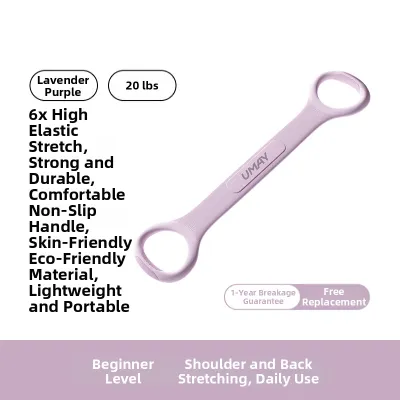
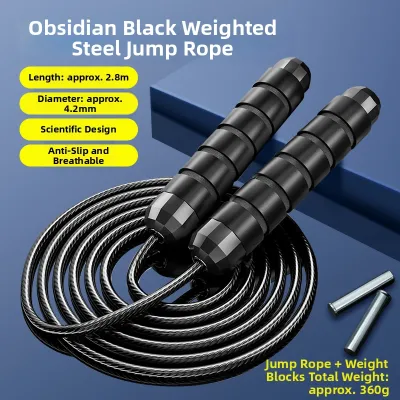
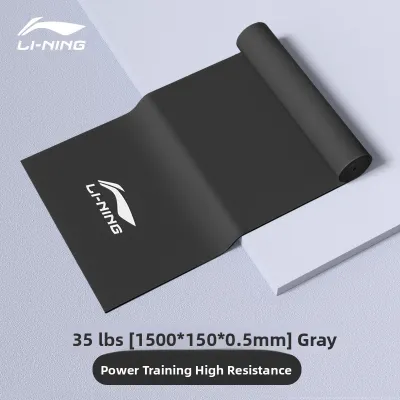
Prices are valid at publication and may change. Please refer to the product page for the latest price.
If your primary goal is to build muscular strength, tone your body, or improve your mobility, you need an accessory that provides progressive resistance. While bodyweight exercises are an excellent starting point, you will eventually reach a plateau where your own weight is no longer challenging enough. Resistance bands are designed specifically to solve this friction point by adding variable tension to classic movements like squats, chest presses, and bicep curls.
For those whose main objective is cardiovascular health, stamina, and quick calorie burn, your routine will require dynamic, high-energy movements. A jump rope is an exceptional tool for this purpose, offering an intense aerobic workout that challenges your coordination and footwork. It allows you to get your heart rate up rapidly without needing a large cardio machine like a treadmill.
If you are drawn to flexibility, core stability, balance, or mindfulness practices such as yoga and Pilates, your primary need is a stable and comfortable surface. Performing these exercises directly on hard, cold tiled floors—which are incredibly common in homes across the Philippines—can cause significant joint discomfort in your knees, elbows, and spine. A dedicated mat provides the essential cushioning to make these routines enjoyable and safe.
Finally, if you already plan to perform heavy lifting, pull-ups, or high-repetition calisthenics, your main obstacle might be grip fatigue or painful hand friction. Workout gloves address this specific friction point directly. They protect your palms from calluses and tears, allowing you to focus entirely on the muscles you are trying to train rather than the discomfort in your hands.
Evaluate Your Available Space and Living Environment
Before committing to any fitness accessory, you must carefully evaluate the physical environment where you plan to exercise. A workout tool is only beneficial if you can use it safely and store it easily within your home. Ignoring space and environmental constraints can lead to damaged property, interrupted workouts, or frustrated neighbors.

Fortunately, yoga mats, resistance bands, and workout gloves have an incredibly small storage footprint. They can be rolled up, folded, or tucked away in a small drawer or closet, making them ideal for compact studio apartments, shared bedrooms, or tight living spaces. They require very little effort to set up and put away, which removes a common psychological barrier to starting your daily workout.
However, the active setup area required during your actual workout varies significantly between these items. A yoga mat requires a clear, flat floor space roughly equal to your height plus an extra foot on all sides to allow for full arm and leg extensions. Resistance bands require enough clearance for you to stretch them fully in multiple directions without accidentally striking nearby furniture, walls, or low-hanging decorations.
The jump rope is by far the most demanding accessory when it comes to your physical environment. You must verify that you have adequate ceiling height and lateral clearance so the rope does not strike light fixtures, ceiling fans, or furniture during its swing. Additionally, jumping rope on tiled or wooden floors in a multi-story home or a condominium can create substantial noise and floor vibrations that travel easily to downstairs neighbors. If you live in a shared or upper-level space, you must consider whether you have an outdoor area or a ground-floor space suitable for high-impact jumping.
Compare the Four Essential Fitness Accessories
To help you decide which item deserves to be your very first investment, let us look closely at the unique benefits, limitations, and ideal use cases for each of these four essential fitness accessories.
Yoga Mats: Foundation for Floor Work and Stability
A high-quality yoga mat serves as the literal foundation for any floor-based exercise routine. It provides the necessary cushioning to protect your joints from hard surfaces, while also offering a non-slip grip to keep you stable during balance poses or dynamic stretches. This accessory is ideal for yoga, Pilates, core workouts, and general stretching.
When shopping, it is important to check the manufacturer’s specifications for thickness, density, and material. A mat that is too thin may not provide enough joint comfort on hard floors, while one that is too thick can make standing balance poses difficult. In humid tropical climates, look for closed-cell materials that do not absorb sweat easily, or plan to pair your mat with a washable grip towel to maintain traction.
Resistance Bands: Versatile Strength and Mobility Training
Resistance bands are essentially a portable strength training system, offering a highly versatile way to add progressive overload to your workouts without the need for heavy dumbbells. They are excellent for targeting specific muscle groups, assisting with difficult movements like pull-ups, and performing mobility exercises. Their primary limitation is that the resistance is variable, meaning the tension increases as the band stretches, which feels different from lifting traditional weights.
Before buying, check the manufacturer’s specified resistance levels (often color-coded) to match your current strength. Always visually inspect the bands for any tiny tears or signs of wear before stretching them to ensure safe operation.
Jump Ropes: High-Intensity Cardio and Coordination
For pure cardiovascular conditioning, a jump rope is one of the most efficient and budget-friendly tools available. It elevates your heart rate quickly, improves footwork, and sharpens your overall coordination. The main limitation is the high-impact nature of the exercise, which can be stressful on your ankles, knees, and shins if done on hard surfaces like concrete or tile.
To protect your joints and extend the lifespan of your rope, look for a space with supportive flooring, such as an outdoor lawn, a rubberized track, or use a dedicated shock-absorbing mat.
Workout Gloves: Grip Support and Hand Protection
Workout gloves are designed to protect your hands from friction, prevent painful calluses, and improve your grip when handling weights or suspension trainers. They are particularly useful if you sweat heavily in warm weather, as they prevent your hands from slipping off metal bars. However, gloves are a supportive accessory rather than a standalone workout tool. They do not replace proper lifting technique or the need for actual resistance equipment.
Consider gloves as your first purchase only if you already have access to weights or a pull-up bar and find that hand discomfort or slipping is the primary obstacle holding back your progress.
How to Make Your Final Decision
To make your final decision, weigh your primary fitness goal against your physical environment and budget. If your budget is modest—perhaps starting around ₱200 to ₱800—you can easily find high-quality options in any of these four categories on local e-commerce platforms.
If your goal is flexibility, core strength, or comfortable floor workouts, and you have a quiet space, choose a yoga mat first. If you want to build muscle and tone up in a small apartment without making noise, opt for a set of resistance bands. If you want an intense cardio workout, have high ceilings, and do not have downstairs neighbors to worry about, a jump rope is your best match. If you already have weights or a bar and need to protect your hands from sweat and friction, go with workout gloves.
Before clicking buy, always check the product labels, material specifications, and customer return policies on your preferred online marketplace. Look for durable materials that can withstand the local humidity and heat. Remember, you do not need to buy everything at once. Start with the single most versatile item that matches your immediate routine, build a consistent habit, and gradually expand your home gym as your fitness level and goals evolve.
Frequently Asked Questions (FAQ)
Can I use a standard yoga mat for high-intensity interval training (HIIT)?
Standard yoga mats are generally not recommended for high-intensity interval training (HIIT) or workouts involving athletic shoes. Yoga mats are typically made of softer, more cushioned materials designed for barefoot use, and the lateral forces of rapid movements can cause them to stretch, slip, or tear. If you plan to perform dynamic exercises, check the manufacturer’s specifications for high-density exercise mats or utility mats. These are specifically engineered to withstand the impact of shoes and high-intensity movements while providing a stable, non-slip surface.
How can I check the condition of my resistance bands to ensure safe use?
To ensure safe workouts, you should perform a quick visual and tactile inspection of your resistance bands before every session. Run your fingers along the entire length of the band to feel for any micro-tears, cracks, thinning areas, or changes in texture. Look closely for any discoloration or dry rot, which can happen more quickly in warm, humid climates. Always follow the manufacturer’s care instructions, store your bands away from direct sunlight and sharp objects, and replace them immediately if you spot any signs of wear to prevent them from snapping during use.
Community discussion
Share your experience or ask a question. Comments are reviewed before publication.