
Choosing the right inline skates depends on where you plan to skate, your current skill level, and your fitness or athletic goals. If your priority is a smooth, comfortable workout along scenic paved paths, a pair of fitness skates with soft boots is your best option. For those who need to navigate bustling city streets, jump curbs, and make sharp turns, a rugged pair of urban hard-boot skates is necessary. Meanwhile, if you want to perform technical grinds and aerial tricks at a local skatepark, you require specialized aggressive skates.
Matching your equipment to your environment is critical, especially when skating in tropical climates like the Philippines. High humidity, sudden afternoon downpours, and varied pavement qualities—from the smooth concrete of Bonifacio Global City to uneven neighborhood streets—all dictate the specific boot support, wheel hardness, and bearing protection you need to stay safe and enjoy the ride.
Identify Your Primary Skating Environment and Goals
Before browsing online marketplaces or visiting a local skate shop, you must analyze where you will spend ninety percent of your skating time. Pavement quality varies wildly, and a wheel setup that glides effortlessly on a polished indoor rink will feel unstable and painfully bumpy on cracked outdoor asphalt.
Products mentioned in this guide
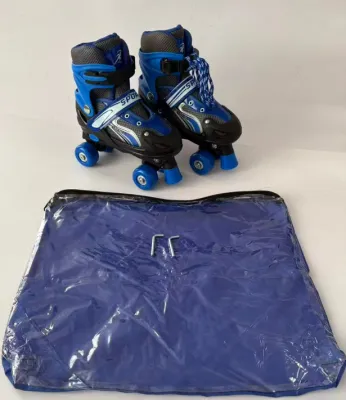
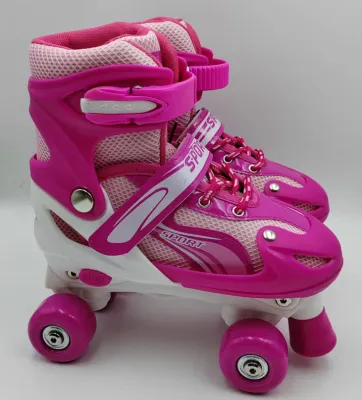
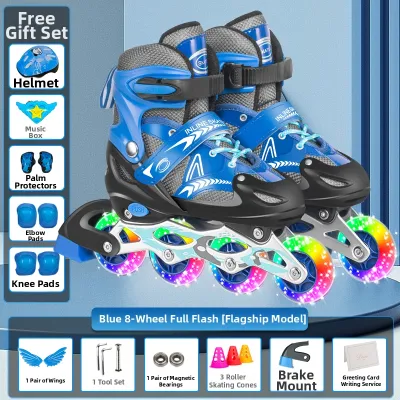
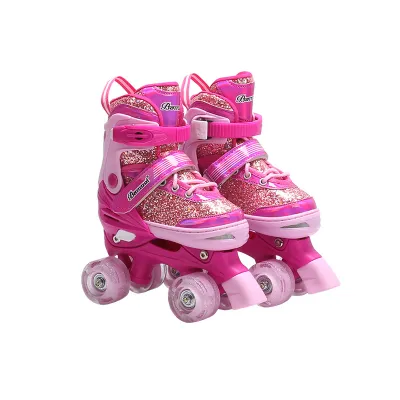
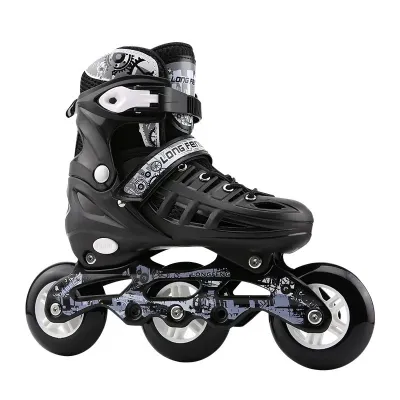
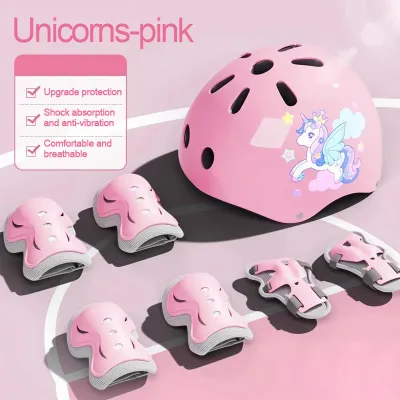
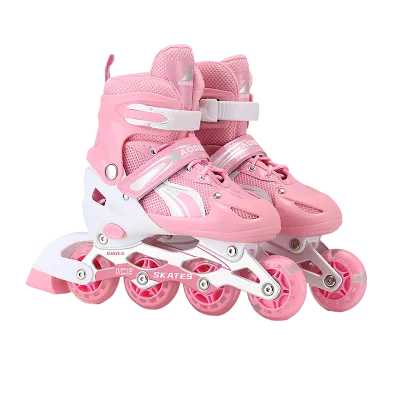
Prices are valid at publication and may change. Please refer to the product page for the latest price.
Your primary skating goals dictate the mechanical design of the skate. If you view skating as a low-impact cardiovascular workout, you will want a setup designed for forward efficiency and long-distance comfort. If you plan to use your skates to commute or run errands, your priority shifts to agility, quick braking, and protection against road debris. For those drawn to the creative and high-impact world of trick skating, the priority is absolute structural durability and a low center of gravity.
To help narrow down your focus, consider this self-diagnosis checklist:
- The Recreational Cruiser: You plan to skate primarily on smooth park paths, seaside promenades, or dedicated bike lanes for fitness.
- The Urban Commuter: You intend to navigate active city pavements, cross pedestrian lanes, jump over small obstacles, and require highly responsive handling.
- The Park Shredder: You want to drop into halfpipes, grind handrails, slide across ledges, and practice technical tricks at structured skateparks.
Assess Your Current Skill Level and Physical Needs
Honest self-assessment of your skill level prevents frustration and reduces the risk of injury. Inline skates are engineered with specific user abilities in mind, meaning an advanced skate can actually hinder a beginner’s progress, while a basic recreational skate will fail under the demands of an experienced rider.

Beginner skaters require maximum stability, predictable speeds, and reliable braking systems. At this stage, your ankles are still adapting to the unique lateral strain of balancing on a single line of wheels. Skates designed for beginners feature tall, rigid cuffs to prevent ankle pronation (rolling inward) and shorter frames that make steering and turning intuitive. Most beginner setups also include a pre-installed heel brake, which is the most efficient stopping mechanism for those still mastering their balance.
Intermediate and advanced skaters possess the ankle strength and muscle memory required to handle faster, more responsive setups. These riders often prioritize direct energy transfer, meaning they prefer stiffer boots that translate every muscular movement directly to the pavement. They may also opt for larger wheels or specialized frame configurations, such as rockered setups for slalom dancing, which require precise control and do not accommodate traditional heel brakes.
Additionally, physical needs like wide feet, high arches, or joint sensitivity should influence your choice. If you have a history of knee or ankle discomfort, look for skates that feature thick, shock-absorbing heel pads within the liner to cushion the impact of rough roads.
Match Your Profile to the Right Inline Skate Type
Once you have defined your goals and assessed your skill level, you can match your profile to one of the three primary categories of inline skates.
Fitness and Recreational Skates
Fitness and recreational skates are designed with comfort as the absolute priority, making them the most common entry point for new skaters. The defining feature of this category is the soft boot construction, which utilizes breathable, lightweight mesh and textile materials similar to a running shoe, reinforced by an external plastic cuff for lateral ankle support. This lightweight, breathable design is highly advantageous in hot, tropical climates, as it helps keep your feet cool during long daytime sessions.
The frame on a fitness skate is typically longer, extending slightly past the front and back of the boot. This longer wheelbase provides excellent tracking stability, keeping you rolling in a straight line with minimal effort. The wheels are usually medium to large, ranging from 80mm to 90mm in diameter, with a moderate hardness rating of 80A to 84A. This combination allows you to maintain speed efficiently over long distances while absorbing minor vibrations from paved park paths.
This category is ideal for:
- Absolute beginners learning the fundamentals of pushing, gliding, and stopping.
- Casual hobbyists who want to enjoy weekend rolls along scenic boardwalks.
- Fitness enthusiasts seeking a low-impact, full-body aerobic workout on predictable, smooth surfaces.
Urban and Freestyle Skates
Urban and freestyle skates, often called freeskates, are built to withstand the punishing environment of city streets. Unlike fitness skates, urban skates feature a molded plastic or carbon fiber hard boot shell with a thick, removable padded liner inside. This rigid outer shell provides unmatched ankle support, high impact protection from road hazards, and maximum power transfer, allowing you to accelerate and change directions instantly.
The frames on urban skates are short and constructed from rigid extruded aluminum. By keeping the wheelbase short, these skates offer incredible maneuverability, allowing you to make tight turns around pedestrians, dodge potholes, and weave through tight spaces. The wheels are typically 80mm to 84mm in size with a slightly harder durometer of 84A to 86A. This harder compound provides excellent durability on rough concrete and allows for controlled slides during advanced stopping techniques like the slide stop or hockey stop.
This category is ideal for:
- City commuters who need to navigate mixed terrain, curbs, and traffic.
- Freestyle slalom skaters who practice precise, dance-like footwork around cones.
- Intermediate skaters looking for a versatile, highly durable skate that will not flex or warp under aggressive carving.
Aggressive and Park Skates
Aggressive inline skates are highly specialized tools built exclusively for skateparks, street spots, and technical trick execution. The boots are incredibly thick, heavy, and rigid, designed to absorb massive impacts from high jumps and protect your feet from hard concrete surfaces. They feature deep heel cushioning and a very low profile to keep your center of gravity as close to the ground as possible.
The frames are short, thick, and made of specialized slick plastic compounds designed to slide smoothly over metal rails and concrete coping. A key feature of aggressive frames is the H-block—a wide, curved indentation in the center of the frame between the middle wheels, which acts as a guide and sliding surface for grinds. The wheels are distinctly small, usually between 55mm and 60mm, and extremely hard (88A to 92A). This small size prevents “wheel bite” (where a wheel accidentally touches a rail during a grind and stops you instantly), while the hardness ensures the wheels slide rather than grip when they make contact with obstacles.
This category is ideal for:
- Extreme sports athletes and advanced park riders focused on grinds, flips, and ramp transitions.
- Skaters who session concrete bowls, vert ramps, and street handrails.
- Note: Aggressive skates are completely unsuitable for distance skating, commuting, or learning basic skating techniques due to their heavy weight, lack of speed, and lack of traditional brakes.
Key Components to Verify Before Purchasing
When shopping for your ideal pair of inline skates, look past the aesthetic designs and carefully verify the technical specifications of the components.
Boot and Cuff System: Evaluate whether a hard shell or a soft boot aligns with your needs. Hard boots offer superior longevity, support, and the ability to replace worn-out liners, but they require a break-in period of several hours before they mold perfectly to your feet. Soft boots offer immediate comfort but will stretch over time and provide less lateral support. Ensure the closure system—typically a combination of laces, a 45-degree instep strap, and a top cuff buckle—holds your foot securely without cutting off circulation.
Frame Material and Mounting: Frames are generally made of composite plastic or aluminum. Aluminum frames offer superior stiffness and durability, translating more of your physical effort into forward momentum. Composite frames are more flexible and are common on entry-level skates because they help dampen road vibrations, though they are less efficient for high-speed skating. Additionally, check if the frame is riveted to the boot or mounted via standard systems like the 165mm or UFS (Universal Frame System) mount, which allows you to swap or upgrade frames in the future.
Wheel Size and Durometer: Always check the wheel specifications printed on the polyurethane. For general outdoor use, a durometer of 82A to 85A is highly recommended to balance grip, comfort, and wear resistance. If you plan to skate on very smooth indoor surfaces, a softer wheel (78A to 80A) will provide the necessary traction. Larger wheels (90mm and above) roll over cracks easily and maintain high speeds but require more ankle strength to control, whereas smaller wheels (80mm and below) offer better stability and acceleration.
Bearings and Serviceability: Bearings are rated using standards like ABEC or ILQ, where higher numbers indicate more precise manufacturing tolerances. However, real-world durability matters more than a high rating. Verify whether the bearings are shielded (sealed) or have removable rubber shields (serviceable). Serviceable bearings are highly preferred because they allow you to clean out dirt and apply fresh lubricant, which is essential for maintaining a smooth roll over time.
Essential Safety Gear and Basic Maintenance
Inline skating is an active, high-speed sport that requires proper safety precautions and consistent equipment care to prevent accidents and protect your investment. Before heading out, check the manufacturer’s safety instructions for all your protective gear to ensure a proper fit.
Safety Gear Guidelines:
- Certified Helmet: Always wear a properly fitted sports helmet to protect against head impacts during unexpected falls.
- Wrist Guards: These are the most critical pieces of protective gear, as they absorb the impact and prevent fractures when you instinctively reach out to break a fall.
- Knee and Elbow Pads: Choose pads with durable plastic caps that allow you to slide out of a fall on concrete, reducing the direct force transmitted to your joints.
Basic Maintenance Routine:
- Pre-Ride Check: Before every session, use an Allen key to verify that all axle bolts and frame mounting bolts are tight. Vibrations from rough roads can gradually loosen these components.
- Wheel Rotation: Wheels wear down unevenly, typically on the inner edges. Periodically rotate your wheels—swapping the first and third, and the second and fourth, while flipping them inside out—to ensure even wear and extend their lifespan.
- Moisture and Rust Prevention: The high humidity and sudden rain showers in tropical climates require extra vigilance. Never skate through deep puddles, as water will quickly ruin your bearings. If your skates do get wet, remove the wheels, dry the bearings thoroughly with a clean cloth, and apply a few drops of specialized skate bearing oil to prevent rust and seizing.
Frequently Asked Questions (FAQ)
Can I use fitness skates for city commuting?
While you can use fitness skates on smooth, designated bike lanes or quiet neighborhood streets, they are not ideal for general city commuting. Their longer frames and softer boots make quick, sharp turns and sudden stops difficult when navigating crowded sidewalks, dodging traffic, or jumping over curbs. For unpredictable urban environments, urban hard-boot skates provide much better lateral support, impact protection, and maneuverability.
How do I know if my inline skates fit correctly?
Your inline skates should fit snugly without causing painful pressure points or pinching. When standing completely straight, your toes should lightly brush the inside front of the boot; when you bend your knees into a proper skating stance, your heel should lock firmly into the back of the boot without lifting. Always try on new skates wearing the specific athletic socks you plan to skate in, and wear them around the house for 15 minutes to check for any discomfort before skating outdoors.
Community discussion
Share your experience or ask a question. Comments are reviewed before publication.