
Selecting the right personal flotation device is the most critical decision you will make before heading out onto the water. To choose the best Jet Pilot life vest, you must match the vest’s buoyancy distribution, impact rating, and flexibility to the speed, movement patterns, and safety requirements of your specific water sport. A vest designed for high-speed jet skiing offers robust impact protection but will restrict the repetitive arm movements required for long-distance paddleboarding. Conversely, a highly flexible wakeboarding vest may lack the necessary impact rating or secure fastening systems required for high-speed personal watercraft (PWC) use.
In tropical environments like the Philippines, factors such as heat, humidity, and saltwater exposure play a major role in how a vest performs and holds up over time. By evaluating your primary activities and matching them to specific vest characteristics, you can ensure you remain compliant with local maritime safety guidelines while maximizing your comfort and safety on the water.
Key Design Features That Define Jet Pilot Life Vests
Jet Pilot life vests are engineered with distinct structural components that dictate how they perform across different aquatic environments. The core is its buoyancy foam, typically segmented into multiple panels. This segmentation allows the foam to wrap naturally around your torso, balancing flotation with the flexibility needed for active movement. High-end models feature thinner, highly dense foam segments that reduce bulk, whereas entry-level vests may use thicker, solid foam blocks that offer high flotation but limit torso twisting.
Products mentioned in this guide
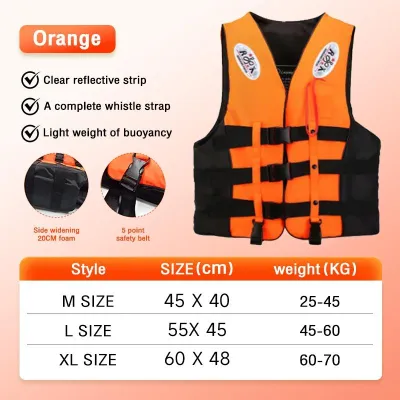
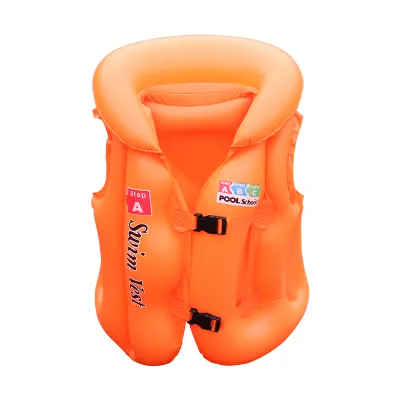
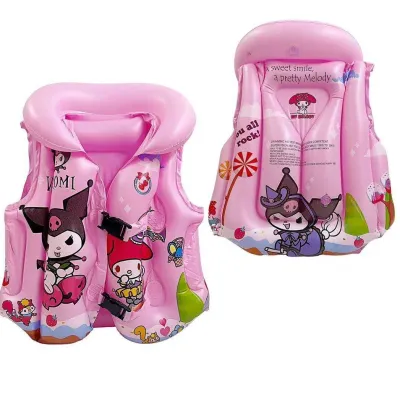
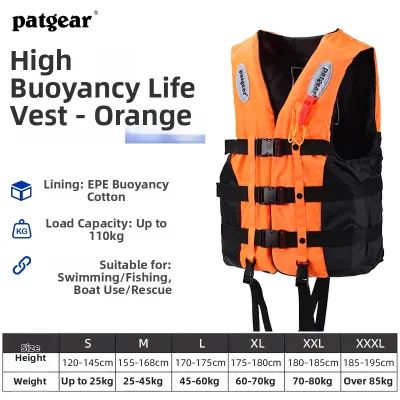
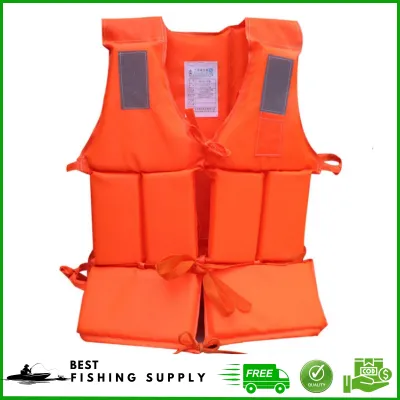
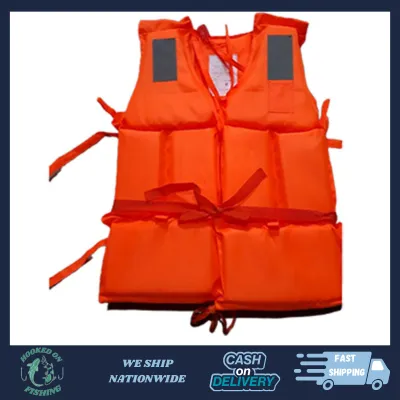
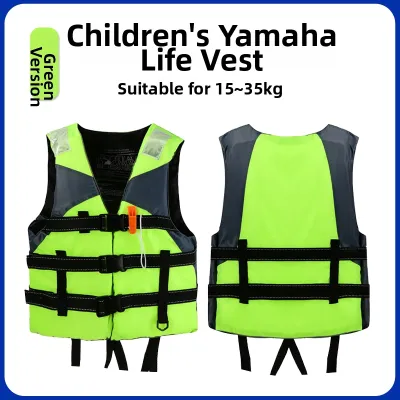
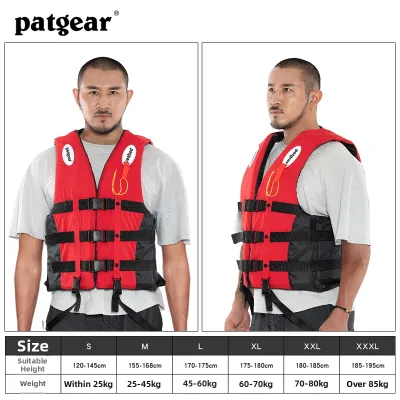
Prices are valid at publication and may change. Please refer to the product page for the latest price.
The outer shell material influences durability, water resistance, and skin comfort. Neoprene is favored for its soft texture, snug fit, and excellent stretch, making it ideal for close-contact board sports. However, in hot and humid tropical climates, heavy neoprene can retain heat, making lightweight nylon shells or specialized breathable neoprene composites highly attractive alternatives. Nylon vests are exceptionally durable, dry quickly under the sun, and resist abrasion from equipment straps.
Security and ease of use depend entirely on the closure systems. Jet Pilot utilizes a combination of heavy-duty zippers, adjustable webbing buckles, and integrated neoprene gussets to secure the vest. Zippers provide a flush, aerodynamic fit, while adjustable buckles allow you to customize the tightness. Neoprene gussets are strategically placed near the waist and side seams to stretch as you breathe, preventing the vest from binding.
Before purchasing or using any personal flotation device, you must inspect the manufacturer’s specification label sewn into the interior of the vest. This label contains vital information regarding the vest’s intended use, its official buoyancy rating, and specific care instructions. Choosing a vest that does not match your body weight or your sport’s safety requirements can severely compromise your safety in an emergency.
Jet Skiing: Prioritizing Impact Protection and Secure Fit
Operating a personal watercraft (PWC) at high speeds introduces unique physical risks that standard recreational life jackets cannot address. At high velocities, falling off a jet ski can result in forceful water impacts. Consequently, PWC riders must prioritize vests designed with reinforced front and back panels, alongside impact-absorbing foam structures. These specialized vests disperse the energy of a sudden fall, protecting your chest and internal organs from severe trauma.

A secure, non-slip fit is critical for high-speed riding. During a fall, the force of the water rushing upward can pull a loose vest straight over your head, restricting your airway. To prevent this, look for Jet Pilot vests equipped with multiple heavy-duty adjustable torso straps that wrap completely around your midsection. Robust zipper locks and secure buckle closures ensure that the vest remains locked in place, even under extreme hydrodynamic pressure.
Before launching your PWC, perform essential pre-ride safety checks and recognize your personal ability limits. High-speed water sports demand physical strength, rapid reaction times, and situational awareness; a life vest is a safety backup, not a substitute for formal watercraft training or sound judgment. Always check the weather forecast, monitor local tide conditions, and inspect your watercraft’s safety lanyard before heading out. If you encounter rough swells, immediately reduce your speed or return to shore.
Additionally, PWC riders in the Philippines must verify that their chosen vest complies with local maritime safety requirements. The Philippine Coast Guard (PCG) and local municipal tourism offices often mandate specific buoyancy classes for motorized watercraft operators. Ensure your Jet Pilot vest features an approved safety certification stamp on its internal label, confirming it is legally compliant for high-speed coastal or lake use in your specific riding venue.
Wakeboarding and Wakesurfing: Maximizing Arm Mobility
Board sports like wakeboarding demand an exceptional range of motion in the upper body. When pulling yourself up from the deep water, cutting across a wake, or executing tricks, your arms and shoulders must move without resistance. For these activities, the ideal Jet Pilot vest features oversized, deeply cut armholes. This design element ensures that there is no excess material under the armpits to cause painful chafing or restrict your reach when grabbing the tow rope.
Flexibility in these vests is achieved through highly advanced, multi-panel foam designs. Instead of large, rigid blocks of flotation material, wake-specific vests utilize dozens of smaller foam segments separated by deep flex lines. These segmented panels allow the vest to bend, twist, and compress in sync with your spine. When you crouch down to prep for a jump or twist your torso, the vest conforms to your body shape rather than restricting your movements.
The profile of the vest also plays a major role in how it interacts with your overall body positioning. Low-profile designs with minimalist back panels are highly recommended because they reduce bulk around your lower spine, preventing the vest from interfering with your stance or catching on your board bindings. To verify that a vest offers the correct level of mobility, always perform a simple movement test. While wearing the vest fully zipped and buckled, raise both arms straight above your head and rotate your shoulders; if you feel the collar pinching your neck or the armholes digging into your skin, the vest lacks the necessary flexibility.
Kayaking and Paddleboarding: Comfort for Prolonged Paddling
Self-propelled water sports like kayaking and stand-up paddleboarding (SUP) require a completely different design approach than high-speed motorized activities. Because paddlers spend hours performing repetitive, low-impact arm motions, comfort and thermal regulation are the primary priorities. When selecting a vest for paddling, look for high-back or low-profile designs. Many modern kayak seats feature tall, supportive backrests, and a standard life vest with thick lower-back foam will push your torso forward into an awkward, fatiguing posture. High-back vests concentrate the buoyancy foam around the shoulders, leaving the lower back covered in thin mesh.
In the tropical heat of the Philippines, paddling under the direct sun can quickly lead to overheating. To combat this, paddling-friendly vests incorporate breathable mesh panels along the sides and back, paired with lightweight, ventilated foam cores. These features facilitate continuous airflow, allowing sweat to evaporate and keeping your core temperature stable during long excursions along coastal reefs. Lightweight materials also reduce the overall physical burden on your shoulders, preventing premature fatigue over long distances.
Unobstructed shoulder movement is absolutely vital for maintaining a natural, efficient paddling stroke. Vests designed for kayaking feature narrow shoulder straps and open chest areas that prevent the material from rubbing against your inner arms as you paddle, minimizing the risk of friction burns. Additionally, look for Jet Pilot models that feature accessible, secure pockets or dedicated attachment points on the chest. These compartments are invaluable for storing essential safety items, such as a marine whistle or a small pocket knife, provided that any attached gear is secured in accordance with the manufacturer’s design guidelines.
Multi-Sport Use: Can One Life Vest Cover All Activities?
For water sports enthusiasts who enjoy a mix of jet skiing, wakeboarding, and occasional paddling, the question of whether a single life vest can do it all is highly relevant. Purchasing a dedicated, sport-specific vest for every activity offers the absolute best in safety and performance, but a general-purpose, recreational Jet Pilot vest can serve as a practical compromise for casual users. However, it is essential to understand the inherent trade-offs in safety and comfort before choosing a single-vest solution.
If you decide to use one vest for multiple activities, your decision framework must be guided by the safety requirements of your highest-risk sport. For example, if you spend seventy percent of your time riding a high-speed jet ski and thirty percent paddling, you must purchase a vest that prioritizes the impact protection and secure closure systems required for PWC use. While this high-impact vest will feel bulkier during your paddling sessions, it ensures you are protected during high-speed falls where a lightweight paddling vest would fail.
Conversely, you must never use a low-impact, highly flexible competition wakeboarding vest or a minimalist paddling vest for high-speed jet skiing. Competition vests are often designed solely for flexibility and basic flotation in controlled environments, lacking the robust buckles, reinforced panels, and official maritime certifications required to survive high-velocity water impacts. Before making your final choice, honestly assess the frequency and intensity of your primary water sports, and always buy from authorized local retailers to ensure you are getting genuine products that meet international safety standards.
How to Ensure a Safe and Proper Fit
No matter how advanced a life vest’s design is, it cannot protect you if it does not fit your body correctly. To guarantee your safety on the water, you must follow a systematic fitting process every time you put on your vest. Start by loosening all the straps, putting the vest on, and zipping it up completely. Next, tighten the straps starting from the bottom waist strap and working your way up to the chest. The vest should feel snug and secure against your torso, acting like a firm “second skin” without restricting your ability to take deep breaths.
Once the vest is buckled, perform the “pull test” to verify the fit is secure. Grab the shoulder straps of the vest and pull straight upward with moderate force. If the vest slides upward past your chin, nose, or ears, it is too loose or too large. A properly fitted vest will remain firmly in place on your torso, ensuring that if you fall into the water, your head and airway will remain safely cleared above the surface.
In the tropical environment of the Philippines, life vests are subjected to intense UV radiation, high humidity, and saltwater exposure, all of which accelerate material degradation. Before each season, inspect your vest thoroughly for signs of wear, such as faded fabric, frayed webbing straps, cracked plastic buckles, or waterlogged foam. To maximize the lifespan of your Jet Pilot vest, always rinse the vest thoroughly with clean, fresh water after every use in saltwater. Hang the vest to dry in a well-ventilated, shaded area away from direct sunlight, and never use artificial heat sources for rapid drying.
Frequently Asked Questions (FAQ)
Do I need a specific life vest for each water sport?
While casual, low-speed water activities can often share a versatile, general-purpose recreational vest, high-impact sports like jet skiing require dedicated impact protection and highly secure closure systems. Using a highly flexible, low-profile boarding vest for high-speed PWC riding is unsafe because it lacks the necessary impact-absorbing panels and reinforced straps to withstand high-velocity water impacts. Always prioritize the safety requirements of your highest-speed or highest-risk activity when selecting your gear.
How tight should a Jet Pilot life vest feel out of the water?
Out of the water, a new Jet Pilot life vest should feel very snug, similar to a firm hug, but it must not restrict your ability to take deep breaths or limit your circulation. Neoprene and certain foam materials naturally expand slightly and soften once they are submerged in water, meaning a vest that feels slightly tight on land will often fit perfectly once you are wet. If a vest feels loose or shifts easily when dry, it will be dangerously loose once you enter the water.
Community discussion
Share your experience or ask a question. Comments are reviewed before publication.