
For a beginner stepping onto the driving range for the first time, the absolute first piece of equipment to buy is a high-quality golf glove. Rushing to purchase an expensive set of golf clubs or premium golf balls is a common misstep that can lead to unnecessary expenses and physical discomfort. A glove provides immediate protection against blisters and ensures a secure grip, which is especially critical in the humid, tropical climate of the Philippines where sweaty hands can easily compromise your swing.
While golf clubs are the core tools of the game, they represent a significant financial investment. Rushing this purchase before you have developed a basic, repeatable swing can result in buying equipment with the wrong shaft flex, weight, or clubhead design. Similarly, golf balls are highly consumable items for novices; during your first few months, you will inevitably lose many balls to water hazards and deep rough, making premium options an impractical choice. By prioritizing a glove first, renting or borrowing clubs second, and utilizing budget-friendly balls third, you can build your skills comfortably and make informed purchasing decisions later.
Starting with Golf Gloves: Fit, Material, and Grip
The primary reason to purchase a golf glove before anything else is hand protection and grip stability. When learning the game, you will spend hours at the driving range repeating the same swing motion. This repetitive friction against the club’s rubber grip quickly causes painful blisters on unprotected hands, which can stall your practice schedule for weeks. A well-fitted glove acts as a protective barrier, allowing you to practice longer and more consistently.
Products mentioned in this guide
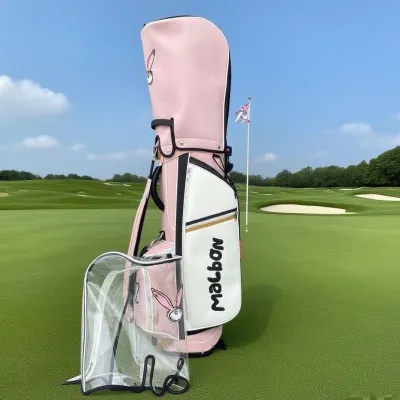
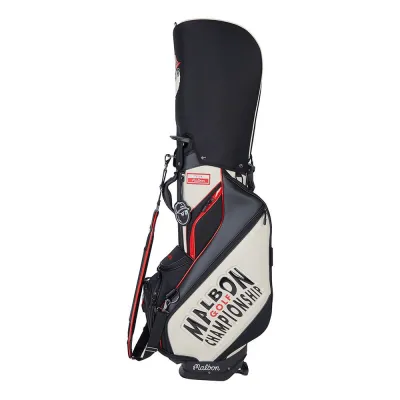
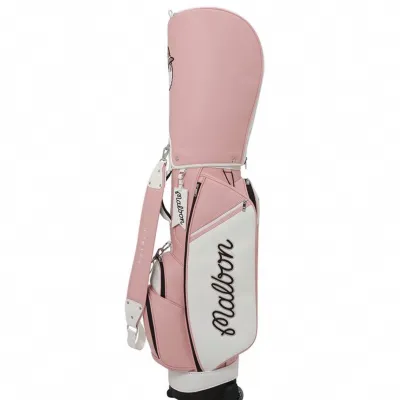
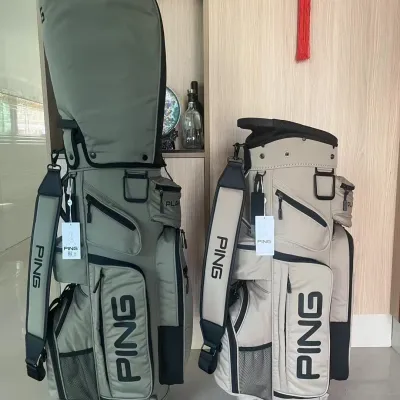
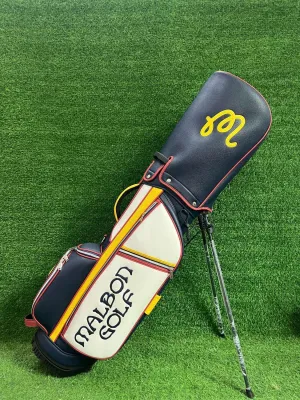
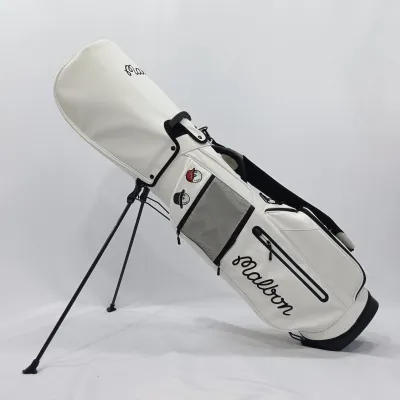
Prices are valid at publication and may change. Please refer to the product page for the latest price.
In tropical environments, managing moisture is a constant challenge. High humidity and perspiration can cause the club to slip in your hands mid-swing, leading to poor shots or even dangerous accidents where the club flies out of your grasp. A glove dramatically increases friction between your hand and the grip, allowing you to hold the club securely with minimal tension. This physical security prevents you from gripping the club too tightly, which is a common beginner habit that restricts natural wrist hinge and power.
When choosing a glove, you must decide between Cabretta leather and synthetic materials. Cabretta leather is highly prized by experienced players for its exceptional softness, natural feel, and feedback. However, leather absorbs sweat quickly, which can cause it to stretch, lose its grip, and dry stiffly in hot climates. Synthetic gloves, on the other hand, offer superior durability, excellent wear resistance, and often feature breathable mesh panels that help manage heat and moisture. For beginners practicing in warm, humid conditions, a high-quality synthetic glove is often the more practical and long-lasting choice.
Achieving the correct fit is essential for the glove to perform its job. A golf glove should fit tightly across your palm and fingers, leaving no loose material at the fingertips or bunching when you close your hand. If the glove is too loose, your hand will slide inside it, defeating the purpose of the grip and still causing blisters. Ensure the hook-and-loop tab secures comfortably across the back of your hand with a small amount of adjustment room left.
By convention, golfers wear a single glove on their lead hand—which is the left hand for right-handed players, and the right hand for left-handed players. This is because the lead hand guides the club throughout the swing and experiences the most friction. Many players choose to remove their glove when they reach the putting green, as putting requires maximum tactile feedback and delicate touch, which is easier to achieve with bare skin.
Investing in King Golf Clubs: What Beginners Actually Need
Investing in your first set of golf clubs is an exciting milestone, but timing is everything. Rushing to buy a full set of clubs before taking a single lesson is highly discouraged. During your initial weeks, your swing mechanics will undergo rapid changes as you work with an instructor or practice basic movements. Renting clubs at the driving range or borrowing a set from a friend allows you to find your natural tempo before committing a significant amount of ₱ to a permanent purchase.

When you are ready to buy, you do not need a complete 14-club set. Beginners should focus on a streamlined selection of clubs that are easy to hit and cover essential distance gaps. A practical starter setup includes a driver or a high-lofted fairway wood, a hybrid club, a few mid-irons (such as a 7-iron and 9-iron), a pitching wedge or sand wedge, and a reliable putter. This minimal set simplifies your decision-making on the course, allowing you to focus entirely on swing mechanics rather than agonizing over club selection.
Understanding club specifications is crucial to finding the right match for your physical abilities. The shaft is often considered the engine of the club, and its material and flex must match your swing speed. Graphite shafts are lightweight and flexible, making them highly suitable for beginners who need help generating clubhead speed. Steel shafts are heavier and offer more control, but they require more physical strength to swing effectively. For most beginners, a “Regular” (R) or “Senior” (A) flex graphite shaft provides the optimal balance of distance and ease of use.
The design of the clubhead itself plays a massive role in your early success. Beginners should look for “game-improvement” clubs, which typically feature a cavity-back design. This means the back of the clubhead is hollowed out, distributing weight to the perimeter of the club. This perimeter weighting creates a larger sweet spot and provides maximum forgiveness on off-center hits, helping the ball get airborne even when your contact is less than perfect. Avoid “blade” or “muscle-back” irons, which are designed for advanced players who require precise workability and offer almost no forgiveness for off-center strikes.
Before making a final purchase, verify key fitting dimensions to ensure the clubs match your body. Your height and wrist-to-floor measurement determine the correct club length and lie angle. Playing with clubs that are too long or too short will force you to alter your posture, leading to inconsistent swings and potential back strain. Additionally, check that the grip size matches your hand measurements; grips that are too small can cause overactive hands during the swing, while oversized grips can restrict proper wrist release.
Choosing Golf Balls: Why Beginners Can Wait on Premium Options
It is a common misconception that buying expensive, premium golf balls will instantly improve a beginner’s game. The reality of learning golf is that you will lose many balls. Between water hazards, dense tropical foliage, and deep rough, a novice player can easily lose several balls during a single 9-hole round. Spending a significant portion of your budget on high-end balls will only lead to frustration and financial strain every time a shot goes offline.
For those just starting out, budget-friendly options such as recycled, refinished, or durable two-piece balls are highly practical. These options allow you to practice your course management and swing without the constant worry of losing expensive gear. Many local pro shops and online marketplaces offer bulk packages of recycled balls that perform perfectly well for practice rounds and early skill development.
Understanding ball construction helps clarify why premium balls are unnecessary for beginners. Golf balls generally fall into two categories:
- Two-Piece Balls: These consist of a solid rubber core surrounded by a durable Surlyn cover. They are designed primarily for maximum distance and durability. The hard Surlyn cover resists scuffs and cuts from mis-hits, making them long-lasting and highly cost-effective.
- Multi-Layer Urethane Balls: These feature a softer urethane cover over multiple inner layers. They are engineered to produce high spin rates, allowing advanced players to stop the ball quickly on the greens. However, they scuff easily, are much more expensive, and can actually exaggerate a beginner's slice or hook due to their high-spin characteristics.
Compression rating is another key factor to consider. Compression refers to how much the ball deforms under the impact of the clubface. Beginners with slower swing speeds should look for low-compression balls (typically rated 70 or below). These balls require less force to compress, allowing players with moderate swing speeds to transfer energy efficiently and achieve better distance and feel. High-compression balls require professional-level swing speeds to compress fully, and using them with a slower swing can result in a harsh feel and lost distance.
You should only consider upgrading to premium or specific King-branded balls once your swing consistency improves. A good benchmark is when you can play an entire 18-hole round while losing fewer than three balls. At this stage, your short game will benefit from the enhanced spin and control offered by multi-layer urethane balls, making the higher investment worthwhile.
Building Your King Golf Bag: A Step-by-Step Upgrade Path
Building your golf bag should be a gradual process that aligns with your skill development and commitment level. Attempting to buy everything at once often leads to purchasing redundant or unsuitable gear. By following a structured, three-phase upgrade path, you can manage your budget effectively while ensuring every piece of equipment serves a clear purpose in your progression.
Phase 1: The Essentials Your journey should begin with a high-quality synthetic glove, a bag of low-compression or recycled balls, and a handful of tees. At this stage, do not buy clubs. Instead, utilize rental clubs at the driving range or borrow a set from a friend. Focus your financial resources on professional coaching. Investing in lessons early prevents the development of bad habits that are incredibly difficult to correct later on.
Phase 2: The Core Set Once you have committed to practicing regularly and can consistently make contact with the ball, it is time to purchase your first clubs. Look for a beginner-friendly half-set or a combo set that includes a driver, a hybrid, a 7-iron, a 9-iron, a sand wedge, and a putter. Pair these with a lightweight stand bag that is easy to carry. Ensure the shaft flex and club length are verified by your instructor or a basic fitting specialist to match your physical profile.
Phase 3: The Full Bag and Accessories As your swing speed increases and you begin playing full 18-hole courses, you will start to notice specific distance gaps in your game. This is the time to expand your set. Add fairway woods to help with long approach shots, specialized wedges (such as a gap wedge or lob wedge) for precise short-game control, and a dedicated pair of golf shoes. Golf shoes provide the necessary traction on wet, grassy slopes, which is vital for maintaining balance and safety during your swing.
When budgeting for your golf setup, always prioritize instruction and proper fitting over brand prestige. A cheaper, properly fitted club swung with sound technique will always deliver better results than an expensive, ill-fitting premium club swung with poor mechanics. Allocate a portion of your budget to ongoing lessons and professional guidance to ensure your equipment continues to support your growth as a golfer.
Frequently Asked Questions (FAQ)
Is Cobra King a good brand for beginner golfers?
Yes, Cobra King is an excellent brand for beginners, provided you select the right models. The brand is highly regarded for its game-improvement technology, offering clubs with deep cavity backs, wide soles, and significant offset to help novices get the ball airborne and correct slices. However, because they also manufacture advanced player clubs, you must verify the specifications before purchasing. Look for models specifically designed for maximum forgiveness, and ensure the shaft weight and flex match your physical capabilities rather than buying based on brand name alone.
Do I need to buy a full 14-club set right away?
No, you do not need a full 14-club set when starting out. The 14-club rule is the maximum limit allowed in official tournaments, not a requirement for learning the game. Carrying 7 to 9 carefully selected clubs is highly recommended for beginners. A smaller set reduces decision fatigue on the course, makes your golf bag significantly lighter and easier to carry, and allows you to focus on mastering a few versatile clubs before adding complexity to your game.
How should a beginner budget for their first golf setup?
A beginner should budget by prioritizing high-use, low-cost essentials first, followed by professional instruction, and finally clubs. Start by investing in a durable synthetic glove and budget-friendly balls. When purchasing clubs, look for high-quality starter packages or certified pre-owned options from reputable retailers rather than buying brand-new, individual premium clubs. Always check the warranty, return policies, and whether the set includes essential accessories like headcovers to ensure you are getting the best value for your investment.
Community discussion
Share your experience or ask a question. Comments are reviewed before publication.