
Finding the right training gear is a critical step in any martial artist’s journey, whether you are stepping onto the mats of a local gym in Manila or setting up a personal training space at home. When it comes to striking disciplines, selecting the appropriate kix kick pad is not just about finding a target to hit; it is a vital decision that directly impacts the safety, progression, and physical longevity of both the striker and the pad holder. The ideal choice depends on a careful calibration of your specific training style (such as Muay Thai, Taekwondo, or kickboxing), your current experience level, and the physical build of your training partner.
In the high-humidity climate of the Philippines, gear must also withstand intense sweat and moisture without deteriorating rapidly or losing its structural integrity. Choosing a pad that is too light for a heavy striker can lead to joint hyperextension and severe bruising for the holder, while selecting a pad that is too dense or bulky for a beginner can cause painful shin conditioning issues or limit the speed of fast-paced drills. By understanding how shape, foam density, and ergonomic designs interact with your training environment, you can make an informed decision that elevates every training session.
Quick Selection Matrix: Match Kix Pads to Your Profile
To make an immediate, informed decision, you must analyze how your primary martial arts discipline, experience level, and the physical size of your training partner intersect. The ideal pad is never a one-size-fits-all solution; rather, it is a specialized tool engineered to safely absorb specific types of impact force while remaining manageable for the person holding it. For instance, a lightweight target pad designed for rapid Taekwondo kicks will fail to protect a holder against a heavy Muay Thai roundhouse kick, whereas a thick, curved Thai pad will unnecessarily fatigue a holder during high-speed, light-contact combinations.
Products mentioned in this guide
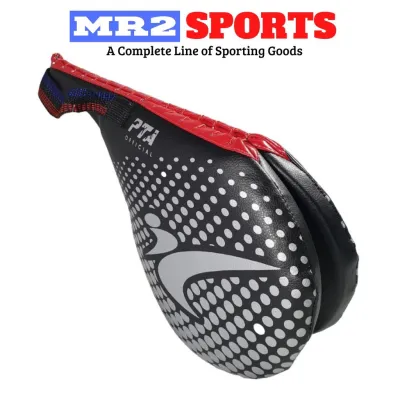
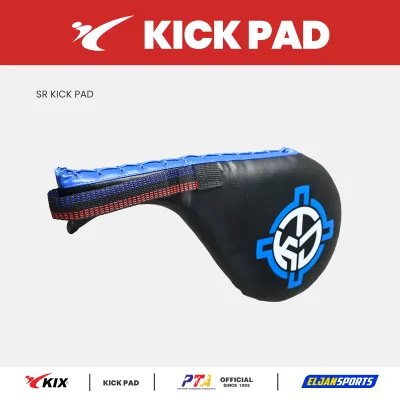
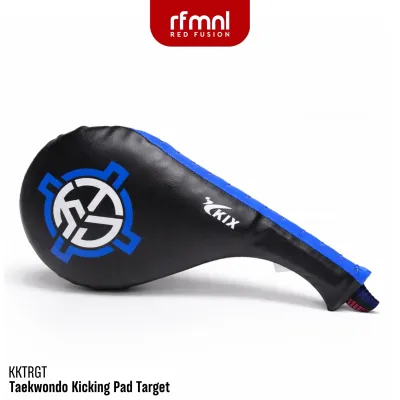
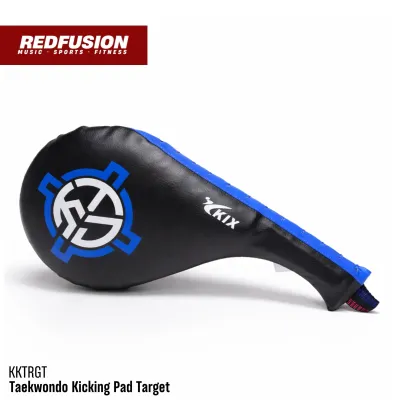
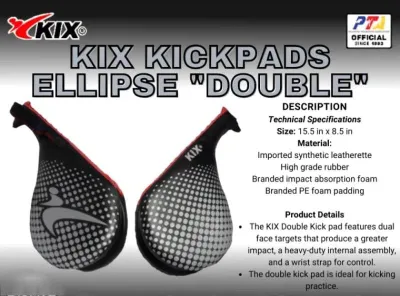
Prices are valid at publication and may change. Please refer to the product page for the latest price.
The following matrix outlines how to match your specific profile to the corresponding pad specifications to ensure optimal safety, performance, and durability:
| Striker Profile & Discipline | Experience Level | Partner (Holder) Size | Recommended Pad Type | Key Specifications to Verify |
|---|---|---|---|---|
| Muay Thai / MMA (Heavy shin kicks, knees, teeps) | Intermediate to Advanced | Medium to Large | Curved, heavy-duty rectangular pads | High-density multi-layered foam, reinforced dual-strap system, thick forearm padding |
| Kickboxing / Dutch Style (Fast punch-kick combinations) | All Levels | Small to Large | Medium-thickness rectangular or hybrid curved pads | Balanced weight, reinforced riveted handles, secure hook-and-loop straps |
| Taekwondo / Karate (High-speed, precision, high kicks) | Beginner to Advanced | Small to Medium | Lightweight target pads, single or double clapper targets | Slim profile, elongated handle, flexible wrist strap, high-rebound light foam |
| Fitness Kickboxing (Cardio, light-impact combinations) | Beginner | Small to Medium | Light rectangular pads or focus mitts | Soft-density foam, breathable synthetic cover, lightweight construction |
When utilizing this matrix, always prioritize the safety of the pad holder. If there is a significant size mismatch—such as a lightweight holder training with a heavy-striking partner—you must skew your choice toward thicker, highly shock-absorbent pads featuring superior forearm support, even if it means sacrificing some mobility during fast-paced drills.
Choosing the Right Kix Kick Pad Shape for Your Discipline
The geometry of a kick pad dictates how safely and effectively you can execute specific techniques. Different martial arts place distinct demands on the angle of impact, the surface area required for landing strikes, and the speed of transitions. Selecting a pad shape that matches your discipline ensures that the striker can practice with realistic angles while the holder maintains a stable, anatomically safe posture.

Muay Thai and Heavy Striking
Muay Thai training involves some of the most devastating strikes in martial arts, including powerful roundhouse kicks delivered with the shin bone, straight teeps, and piercing knee strikes. To handle this level of blunt force, you need a heavy-duty, curved, or large rectangular kix kick pad designed specifically for heavy impact.
The slight curve in modern Thai pads is engineered to catch the natural trajectory of a roundhouse kick, preventing the shin from sliding off the edge and reducing the risk of ankle hyperextension. Furthermore, these thick pads feature a dense, multi-layered core that absorbs and disperses impact laterally, protecting the holder’s forearms and torso from the jarring force of repeated leg kicks. When selecting pads for Muay Thai, verify that they feature reinforced stitching along the seams and a heavy-duty riveted handle. The handle must be positioned to allow the holder’s wrist to remain straight, reducing the risk of strain during intense training sessions.
Kickboxing and Mixed Striking
Kickboxing and Dutch-style striking rely heavily on rapid, fluid transitions between hand combinations and finishing leg kicks. For this style of training, oversized or excessively heavy Muay Thai pads can become a liability, causing the holder’s shoulders and arms to fatigue prematurely during fast-paced combination work.
Instead, look for medium-thickness, versatile rectangular pads that offer a balanced compromise between weight and shock absorption. These hybrid pads are light enough to be moved quickly to simulate head movement, parries, and sudden counter-strikes, yet thick enough to safely absorb mid-level roundhouse kicks. The weight distribution of the pad is critical here; a well-balanced pad allows the holder to transition from a boxing guard to a kick-catching position in a fraction of a second. Ensure the straps fit snugly around the forearms to prevent the pad from shifting or twisting when transitioning between punches and kicks.
Taekwondo and High-Kicking Arts
Taekwondo and other traditional high-kicking arts prioritize speed, precision, extreme height, and rapid footwork over raw, heavy impact. Training in these disciplines requires target-style pads that can be maneuvered effortlessly at various heights and angles.
For these styles, heavy rectangular pads are highly impractical. Instead, opt for lightweight, elongated target pads or “clapper” pads. These pads feature a slim profile and a long, flexible handle that allows the holder to present targets at head height or execute rapid, alternating target placements without sacrificing their own reaction time or physical posture. The lightweight construction ensures that the holder can keep up with fast, spinning kick combinations. While these pads offer minimal shock absorption for heavy shin strikes, their primary function is to provide a crisp auditory feedback (the “clap”) when a kick lands with correct speed and precision, helping the martial artist refine their timing and accuracy.
Matching Foam Density to Your Striking Power and Experience
The internal composition of a kick pad is just as important as its outer shape. The type and density of the foam core determine how much impact force is absorbed by the pad versus how much is transferred directly to the striker’s shins or the holder’s joints. Matching this density to the striker’s experience level is vital for preventing acute and chronic injuries.
Beginners and Light Impact
Beginners who are still developing their striking technique, accuracy, and physical conditioning require a pad that is forgiving on the body. During the initial stages of training, the bones and muscles of the shins and insteps are not yet conditioned to withstand hard, unyielding surfaces.
For this group, standard-density pads are highly recommended. These pads feature a softer, more compliant foam core that provides excellent tactile feedback, allowing the beginner to feel the contact without experiencing painful bruising or bone contusions. For the holder, lighter, standard-density pads are highly beneficial during long, technique-focused sessions. They minimize the strain on the wrists, elbows, and shoulders, allowing the holder to focus entirely on guiding the beginner’s form, correcting their stance, and maintaining proper target placement. However, keep in mind that these softer pads are not built for maximum power; as the striker’s technique improves and their power output increases, they will eventually need to transition to a denser model.
Intermediate to Advanced Heavy Hitters
Once a martial artist transitions to intermediate or advanced training, their striking power increases exponentially. At this level, the force of a full-power roundhouse kick can easily penetrate standard-density foam, transferring dangerous levels of shock directly into the holder’s forearms, elbows, and shoulders.
To prevent long-term joint damage, chronic tendonitis, and acute impact injuries, advanced training sessions must utilize high-density, multi-layered foam pads. These professional-grade pads feature a complex core construction, often combining high-density closed-cell foam with shock-dispersing gel layers or lighter open-cell foam to catch, distribute, and neutralize extreme impact. Before purchasing, verify the manufacturer’s shock-dispersal specifications and core compression ratings. Avoid using entry-level or budget-friendly light pads for advanced heavy hitters; the lack of adequate shock absorption can cause the pad to bottom out, leading to severe wrist sprains or elbow hyperextension for the holder, and painful shin injuries for the striker.
Protecting the Holder: Ergonomics and Partner Size Considerations
In martial arts training, holding pads is an active, physically demanding skill that carries its own set of risks. A high-quality kix kick pad must protect the holder just as much as it assists the striker. If a pad does not fit the holder’s physical dimensions or grip strength, the risk of injury rises dramatically during high-impact sessions.
The relationship between the holder’s body weight, forearm length, grip strength, and the pad’s physical dimensions is a primary decision factor. Smaller holders, or those with shorter forearms, should avoid oversized, heavy professional pads. While these large pads offer massive target areas, their sheer weight and length can create a leverage disadvantage. When a heavy kick hits the top edge of an oversized pad held by a smaller person, the force can easily twist the wrist, strain the elbow, or force the pad back into the holder’s own face. Conversely, larger, heavier holders can safely manage and stabilize thicker, heavier pads, utilizing their body weight to absorb the kinetic energy of the strike.
To ensure maximum safety and comfort for the holder, use the following checklist to verify the ergonomic features of any kick pad before committing to a purchase:
- Strap Adjustability: Verify that the forearm straps feature heavy-duty, adjustable hook-and-loop closures or secure buckle systems. The straps must be wide enough to distribute pressure evenly across the forearm without cutting off circulation.
- Forearm Padding: Look for pads that include additional foam cushioning directly beneath the strap area. This padding acts as a shield, absorbing the residual vibration and impact that travels through the back of the pad.
- Handle Alignment and Grip: The top handle must be securely riveted or double-stitched to the main body of the pad. It should feature an ergonomic, contoured grip that fits naturally in the hand, allowing the wrist to remain in a neutral, straight position.
- Balance and Weight Distribution: When holding the pad by the handle and strap, it should not feel excessively top-heavy or bottom-heavy. A well-balanced pad reduces the rotational torque on the wrist during impact.
- Ventilation and Moisture Management: Especially in the tropical, humid climate of the Philippines, look for pads with moisture-wicking linings or breathable materials on the arm contact zones to prevent slipping caused by heavy sweat.
If you find that a pad twists easily in your grip or causes joint pain after a few rounds, stop training immediately. Re-evaluate the strap tightness, check if the pad’s size matches your physical build, or consider switching to a model with a more secure dual-strap configuration. Equipment cannot replace proper holding technique, joint alignment, and physical conditioning; always ensure you have received instruction from a qualified coach on how to hold pads safely.
Where to Buy and What to Verify Before Checkout
Acquiring authentic, high-quality training gear is essential for ensuring safety and performance on the mats. In the Philippines, counterfeit or low-grade martial arts equipment is common on unauthorized online marketplaces, and using sub-standard gear can lead to equipment failure and serious injury during high-impact training.
To guarantee you are purchasing genuine Kix equipment, source your gear directly from official brand websites, authorized martial arts distributors, or reputable local sports specialty shops located in major commercial hubs across the Philippines. When browsing online listings, do not rely solely on generic product descriptions or stock photos, as these can often be misleading regarding the actual materials and dimensions of the product.
Before finalizing your purchase and proceeding to checkout, run through this verification checklist:
- Material Composition: Verify whether the outer shell is made of genuine leather or high-grade synthetic alternatives (such as premium polyurethane or heavy-duty vinyl). Genuine leather offers unmatched durability and resistance to tearing, making it ideal for daily gym use, while high-grade synthetics are excellent for resisting moisture and humidity in tropical environments.
- Exact Dimensions and Weight: Check the product specifications for the exact height, width, thickness, and weight per pad. Ensure these measurements match your physical build and training discipline.
- Foam Core Type: Look for explicit mentions of multi-layered, high-density foam or shock-absorbing gel technology, especially if you are purchasing pads for intermediate or advanced striking.
- Return and Exchange Policies: Always check the retailer's policy regarding returns and exchanges for training gear. Upon receiving your pads, inspect them immediately for any manufacturing defects, loose stitching, or weak rivets. Test the fit on your forearms; if the pad feels excessively heavy, rigid, or poorly balanced, utilize the return policy to exchange it for a model that better fits your physical profile.
Frequently Asked Questions (FAQ)
How do I clean and maintain synthetic or leather Kix kick pads?
Proper maintenance is crucial for extending the lifespan of your Kix pads, especially when training in the hot and humid climate of the Philippines. After every training session, wipe down the entire surface of the pads with a clean, damp microfiber cloth to remove sweat, dirt, and oils. To sanitize the gear and prevent bacterial growth, you can use a mild soap solution or a specialized, non-abrasive gear spray; always check the manufacturer’s care instructions first.
Never use harsh chemicals, bleach, or highly concentrated alcohol solutions, as these will dry out and crack both genuine leather and synthetic covers, and can degrade the internal foam core over time. Once wiped clean, allow the pads to air dry completely in a well-ventilated, cool indoor area away from direct sunlight. Never leave wet pads sealed inside a gym bag or trunk, and avoid exposing them to extreme heat, as this can cause the foam to warp and the adhesive bonds to fail.
Can I use heavy Muay Thai Kix pads for general fitness kickboxing?
Yes, you can use heavy Muay Thai pads for general fitness kickboxing, but you must weigh the trade-offs before doing so. Heavy Thai pads offer exceptional durability and maximum shock absorption, making them incredibly safe for absorbing occasional hard kicks. However, their substantial weight and bulky profile can quickly fatigue the shoulders, wrists, and arms of a fitness enthusiast or personal trainer who is holding them for multiple consecutive rounds.
For fitness-focused classes where the emphasis is on cardiovascular conditioning, high-speed combinations, and lighter contact, heavy pads can slow down the pace of the workout. In these environments, transitioning to lighter, medium-thickness rectangular pads or even heavy-duty focus mitts is often more practical. This swap reduces holder fatigue, increases the speed of the drills, and keeps the workout dynamic and engaging while still providing adequate protection for light-to-medium impact.
Community discussion
Share your experience or ask a question. Comments are reviewed before publication.